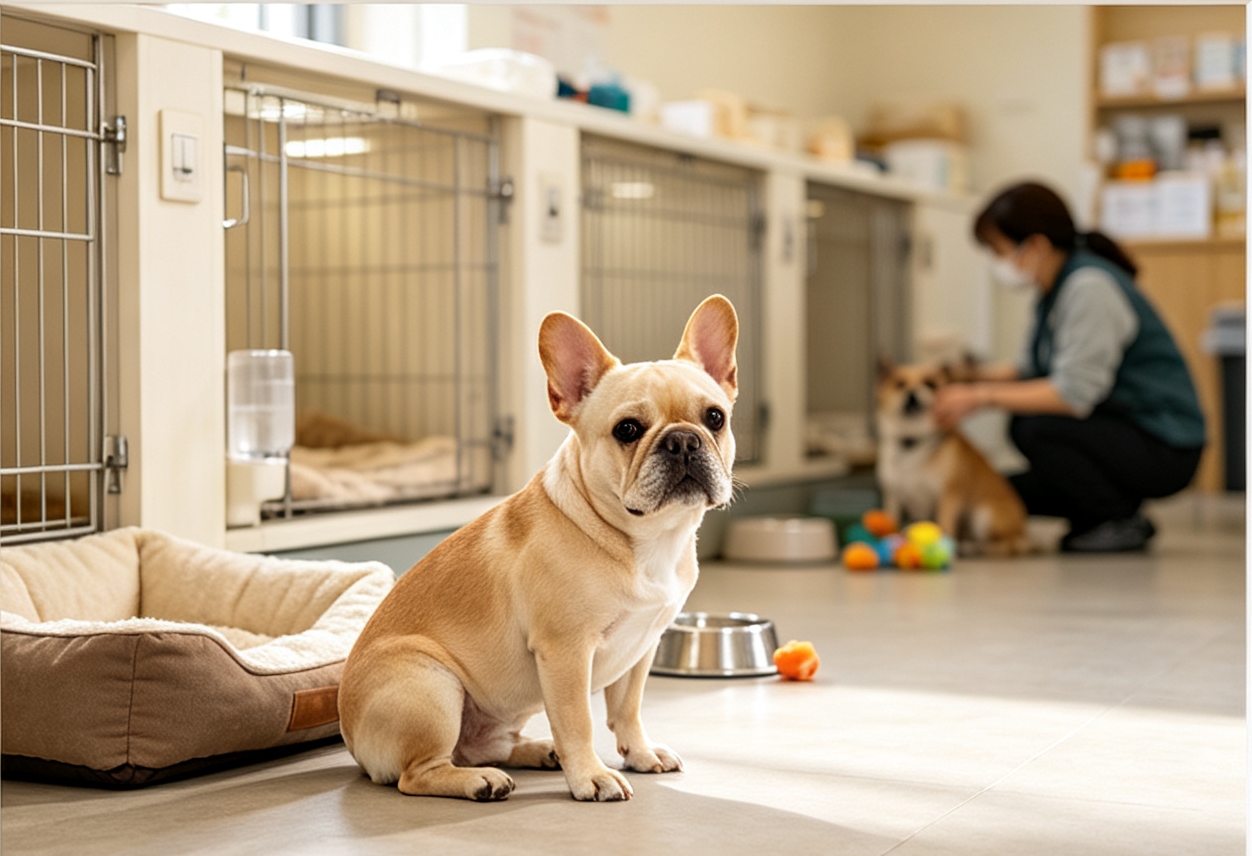
I’m genuinely glad to see more owners bringing their French Bulldogs out into nature to enjoy hiking. However, my clinic has treated countless French Bulldogs suffering from joint injuries, heatstroke and far worse complications due to improper outdoor exercise. Behind their cute, cuddly appearance lie physical vulnerabilities we must pay extra attention to. Today, drawing from over a decade working with pets, I’ll share how you can satisfy your French Bulldog’s curiosity, take them mountain hiking safely, and fully shield their fragile joints and respiratory system at the same time.
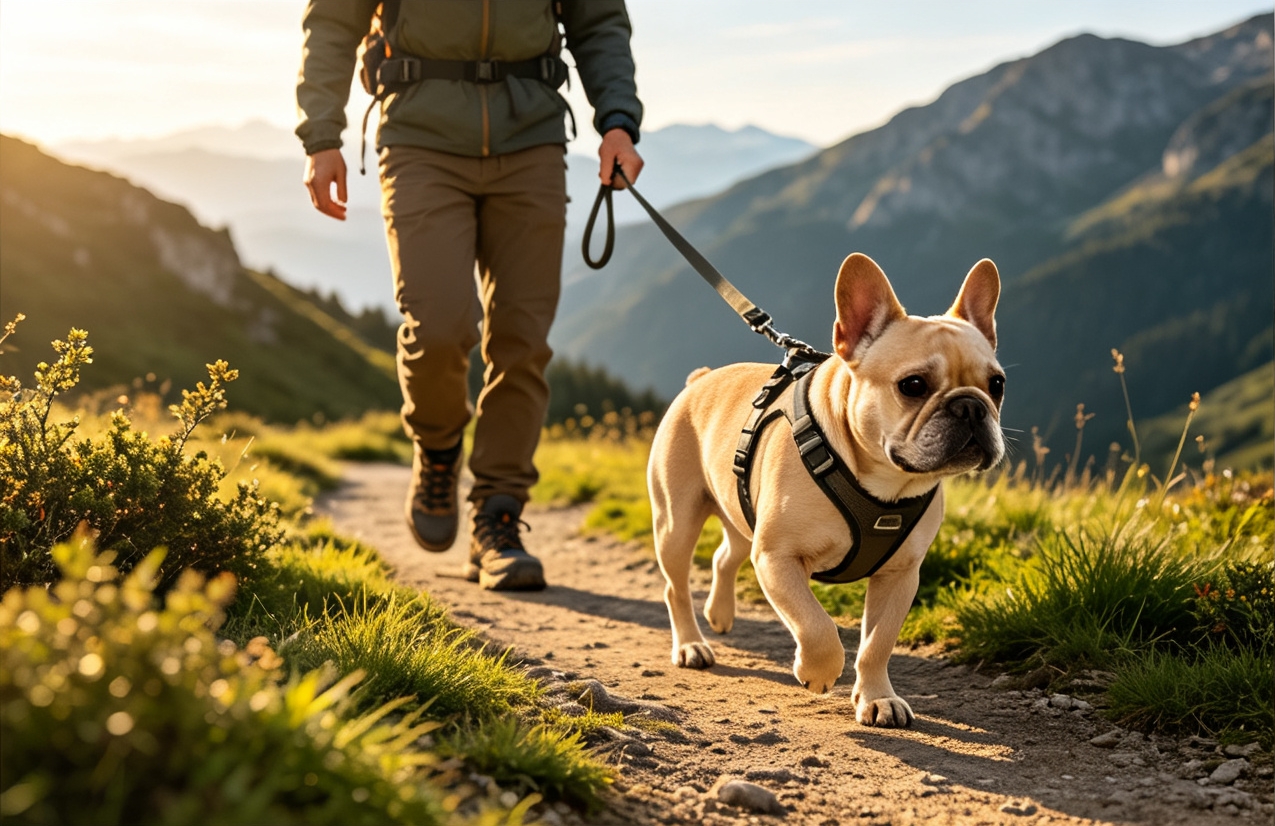
Why Hiking With French Bulldogs Requires Special Planning?
French Bulldogs are wonderful companion dogs, but their distinct anatomy means we cannot apply the same hiking standards we use for Border Collies or Labradors. Two core limiting factors stand out:
1. Innate Joint Vulnerabilities: French Bulldogs have short legs with a forward-shifted center of gravity. This structure places far greater strain on their spine (especially the thoracic and lumbar vertebrae), hip joints and knee joints than most other breeds. Steep uphill and downhill trails are equivalent to humans climbing stairs with a heavy backpack — joint impact and wear multiply drastically. I’ve treated dozens of middle-aged French Bulldogs with severe patellar luxation and intervertebral disc disease caused by frequent steep climbs and jumps in their younger years; recovery is long and painful for the dog.
2. Respiratory Limitations: Their flat brachycephalic muzzle is their signature trait, yet it causes Brachycephalic Obstructive Airway Syndrome (BOAS). This drastically reduces heat dissipation efficiency and narrows airways, leading to labored breathing even on flat ground. Mountain hiking demands higher oxygen intake, making them extremely prone to overheating and fatal heatstroke, a life-threatening canine emergency.
Once you understand these two constraints, you’ll realize hiking with a French Bulldog is not about pushing physical limits — it’s about gentle, comfortable exploration.
My Real-World Hiking Guide: 5 Key Rules for Safe Trips With My French Bulldog Oreo
I own a 5-year-old French Bulldog named Oreo. Through trial and error to keep him fit on hikes, I’ve refined a fully reliable routine.
Solution 1: Trail Selection — Prioritize Gentle Gradients, Avoid Steep Slopes Entirely
My Hard Lesson: I once took Oreo down what I thought was an easy woodland dirt path. A short 30-degree rocky incline left him limping on his left hind leg for half a day; a vet check confirmed muscle strain and minor joint sprain.
Step-by-Step Trail Rules:
- Pick well-maintained wide trails or fire roads first: Smooth ground with gentle slopes (ideally below 15 degrees) and abundant tree shade. Limit initial hikes to under 3 kilometers total.
- Pre-scout routes via map apps: Carefully review contour lines; skip sections with tightly packed lines marking sharp gradients. Choose loop trails to avoid doubling back and draining stamina twice.
- Do a solo test walk for new trails: If possible, hike unfamiliar routes alone first to assess loose rock volume, slope changes, and mark flat shaded rest stops.
Solution 2: Upgrade Hiking Gear — These Are Essentials, Not Luxuries
My Hard Lesson: Early on I used a standard everyday harness. Uphill, his forward lean crushed his armpits under straps; downhill, he shifted his weight backward and choked easily. Standard water bottles also made drinking slow and inefficient for him.
Mandatory Gear List:
- Professional Y/H-shaped canine hiking harness: I switched to a specialized hiking harness that distributes weight evenly across the chest and back without compressing windpipes or armpits, built with a front lift handle. On steep or tricky terrain, the handle lets me bear most of his weight to keep his limbs landing lightly — critical joint protection.
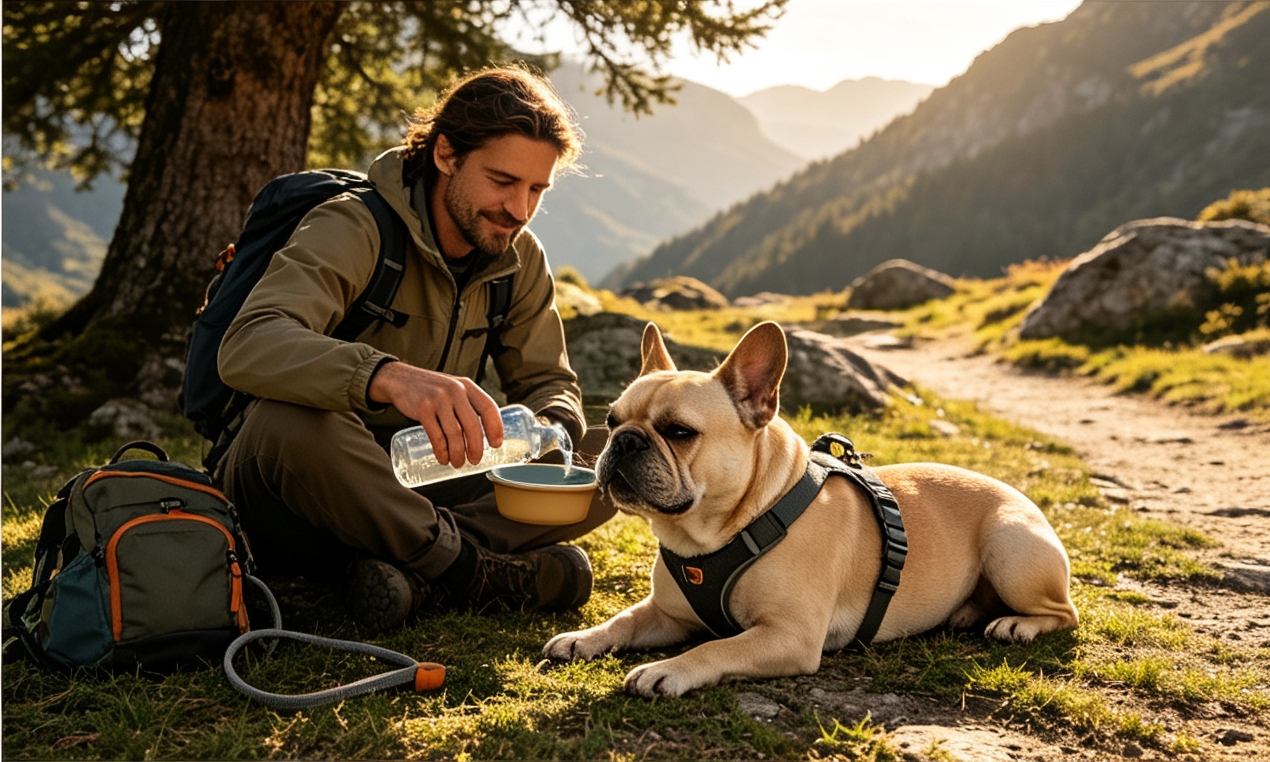
- Collapsible silicone water bowl + ample hydration supply: Carry enough water calculated as (my personal water reserve + ~60ml per kilogram of dog body weight per hour). Stop every 15–20 minutes in shaded areas to offer water and enforce rest breaks.
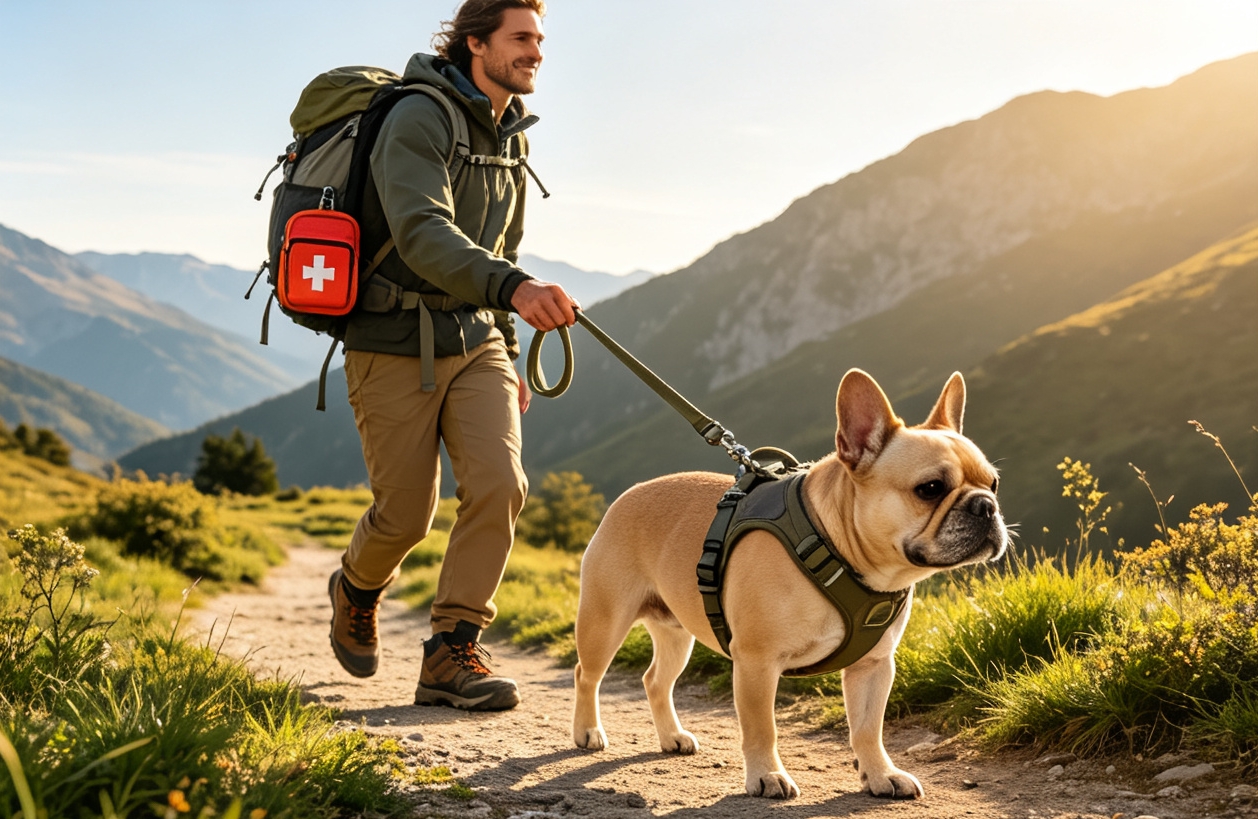
- Pet first-aid kit: Alongside human basic supplies, pack pet-specific styptic powder, elastic bandages, tweezers for thorn removal, and purified water for wound flushing or emergency cooling.
Solution 3: Hiking Pace Tips — Slow Steady Progress Beats Rushing
My Hard Lesson: Hiking in a group makes it easy to match the fast group pace. Once Oreo strained to keep up, panting violently with purple tongue; I halted the trip immediately.
Pacing Guidelines:
- Let your dog walk ahead or side-by-side: This lets you constantly monitor gait and breathing. Slow, uneven strides signal joint discomfort; heavy, raspy snoring means it’s time to pause.
- Stick to a walk-rest cycle: My standard rhythm is 15–20 minutes of walking followed by a mandatory 5-minute rest. Let him fully calm down, check paw pads, and replenish water. This routine is far safer than nonstop one-hour treks.
- Special uphill & downhill handling: Use the harness lift handle to support him on steep ascents. Downhill terrain delivers the hardest impact to front leg joints — I always take zigzag switchback paths or carry him entirely. Don’t feel embarrassed carrying your dog; it’s the most effective joint protection method available.
Solution 4: Stamina Management & Weather Awareness
My Hard Lesson: I assumed cool sunny spring/autumn days were risk-free, yet midday windless mountain ground temperatures spiked high. Oreo nearly suffered severe heatstroke on one such trip.
Weather & Fitness Rules:
- Only hike during safe golden hours: Stick to early mornings (within 2 hours after sunrise) or late evenings (2 hours before sunset). Strictly avoid hot midday hours from 10 AM to 4 PM.
- Track heat index & humidity: Don’t only check air temperature — watch humidity levels closely. Humidity over 60% creates extreme heat risks for French Bulldogs even at 25°C. Cool overcast days are ideal hiking windows.
- Build baseline daily fitness: Hiking should never be a sudden strenuous test. I take Oreo on short flat daily walks and swimming sessions (zero joint impact) year-round to build sustained muscle support for his joints.
Solution 5: Emergency Prep & Post-Hike Recovery Care
My Hard Lesson: Oreo once cut his paw pad on sharp gravel mid-hike; I missed the injury until we returned home, where constant licking caused swelling and inflammation.
Post-Trip & Emergency Steps:
- Full body inspection after every rest & at hike end: Thoroughly check paw pads and toe crevices for cuts or embedded debris; examine ears and skin for ticks.
- Calming post-hike routine at home: Wipe his full coat and paw pads (especially skin folds) with a warm damp towel, then let him rest quietly. Gently massage limb muscles upward from paw to shoulder/hip to release tension.
- Monitor for delayed symptoms: Watch closely for 24–48 hours post-hike for persistent limping, lethargy, loss of appetite, swollen joints, or obsessive licking of a single body part — all clear signs of pain or injury.
Hiking Mistake Avoidance Checklist for French Bulldog Owners
- Mistake 1: Chasing mileage and elevation gains. Abandon the mindset of “conquering trails”. A successful hike means heading out joyful, returning safely, and seeing your pup energetic the next day. A gentle 1-kilometer flat walk beats a grueling 5-kilometer steep climb every time.
- Mistake 2: Ignoring surface temperatures. Summer asphalt, sand, and sun-baked rock slabs in spring and autumn can burn paw pads within minutes. Always test ground with the back of your hand — only proceed if you can hold contact for 5 full seconds without discomfort.
- Mistake 3: Relying on your dog’s endurance. French Bulldogs are loyal and stoic; they will push themselves to exhaustion to keep up with their owner. You must act as the safety supervisor and call for breaks before they collapse from fatigue.
- Mistake 4: Skipping individual health assessments. Overweight puppies (unclosed growth plates), senior dogs, or French Bulldogs with pre-existing hip dysplasia or patellar luxation require veterinary approval before any mountain hiking trips.
Summary
Hiking with a French Bulldog is a gentle adventure requiring thorough planning. It does not test your dog’s stamina — it tests your knowledge, patience and responsibility. The core principle is: Prevention beats treatment, observation comes before action, comfort matters more than mileage achievements. When we eliminate joint injury and respiratory overheating risks, our French Bulldogs repay us with pure happy, trusting looks as we wander mountain trails together. These shared outdoor memories become far more precious thanks to our thoughtful protective care.
Friendly Medical Reminder
The advice shared in this article applies to routine outdoor care for generally healthy French Bulldogs. Immediately cease all exercise and contact your vet or visit a full-service animal hospital if your dog shows any of the following signs after hiking or in daily life: persistent limping, swollen joints, obvious pain when touched, abnormal bunny-hopping gait, severe breathing distress with purple gums, or inability to stand normally. Early diagnosis and intervention are critical for managing joint damage and respiratory illnesses. Remember: you know your dog best, and professional veterinary care forms the solid foundation of their long-term health.