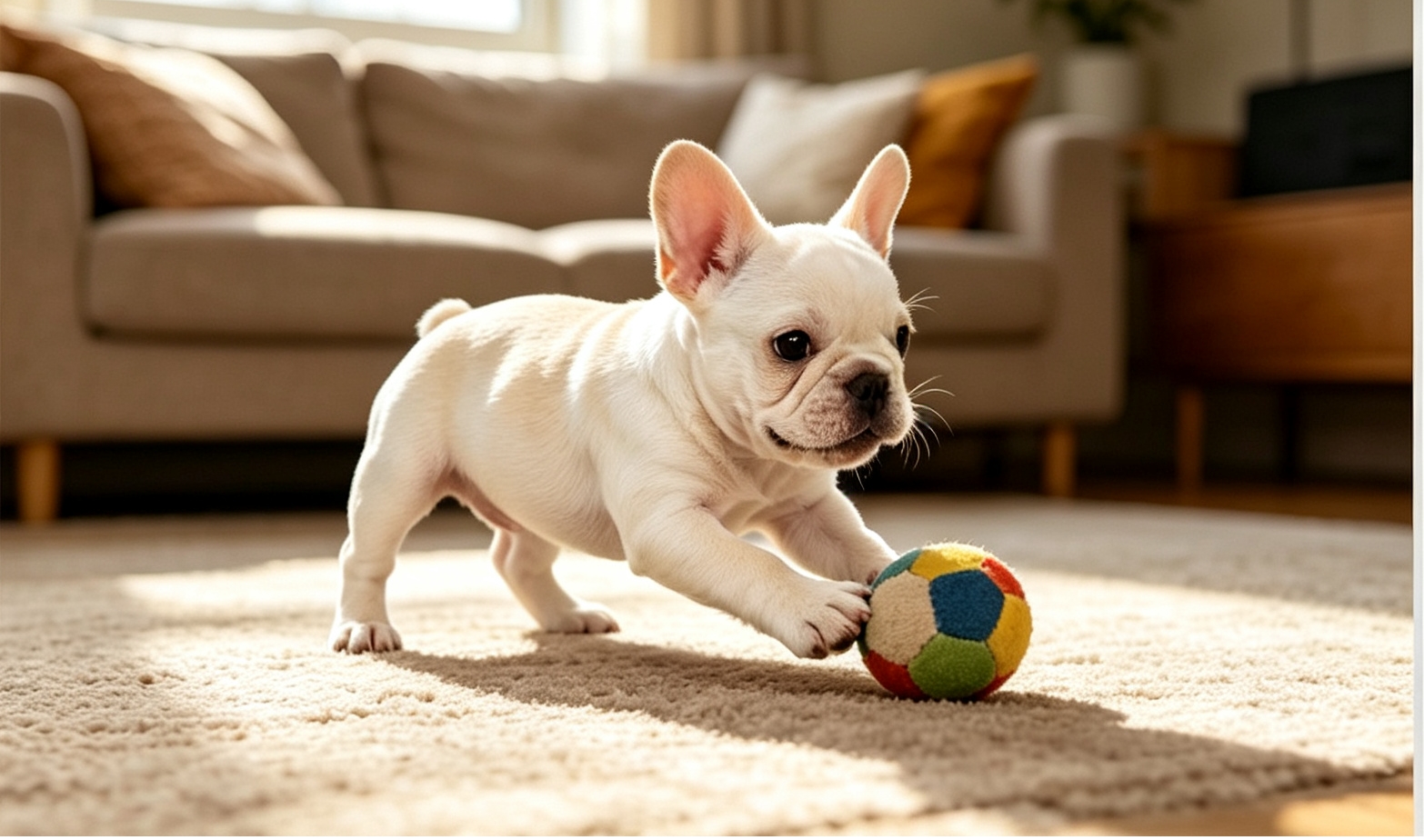
Dear fellow French Bulldog parents, hello everyone. Over years of clinical practice and canine training work, I’ve cared for countless overweight French Bulldogs whose chubby figures seem irresistibly cute. However, beneath this adorable appearance lie severe hidden health risks — persistent joint soreness, labored breathing, and excessive cardiac strain. Today I’ll break down how to craft a safe, effective progressive exercise routine for your French Bulldog companion to burn excess fat healthily and regain vitality.
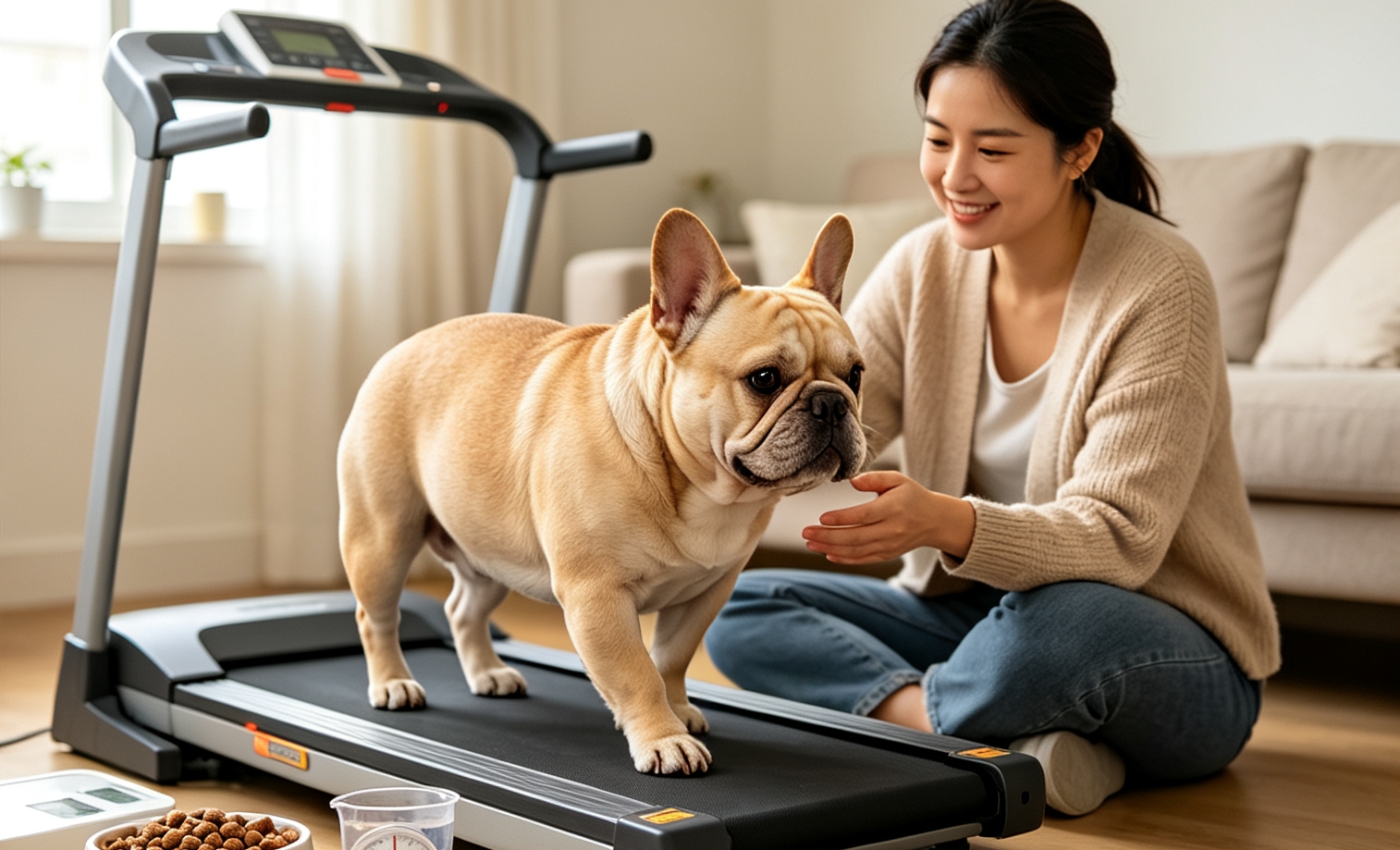
1. Why Extra Weight Puts French Bulldogs at Severe Risk
First we need to understand that obesity in French Bulldogs is far more complex than simply overeating and lacking activity. Their unique anatomical build creates inherent challenges for healthy weight maintenance.
1. Inborn Skeletal & Joint Strain: French Bulldogs are short-legged, muscular canines whose full body weight bears down entirely on limb joints. Excess pounds act like a crushing burden, damaging their already delicate hips, knees and spinal column, accelerating cartilage erosion and triggering high risks of hip dysplasia, patellar luxation and intervertebral disc disease. I once treated a 3-year-old French Bulldog carrying only 20% extra body weight; he refused to walk due to constant joint pain, and X-rays revealed obvious early-stage arthritis.
2. Built-In Respiratory Limitations: As brachycephalic flat-faced dogs, French Bulldogs feature narrow airways and elongated soft palates. Obesity leads to fatty tissue buildup around respiratory passages, making their already difficult panting even more strenuous. Vigorous or inappropriate exercise easily causes oxygen deprivation, life-threatening heatstroke, and severe respiratory distress — this is our non-negotiable top safety priority when designing any workout plan.
3. Slow Metabolism & Energy Imbalance: Most French Bulldogs are naturally low-energy, and overindulgent owners often feed far more calories than they burn. Their metabolic rate is relatively sluggish, so surplus calories rapidly convert to stored fat, creating a vicious cycle: the heavier they get, the less they want to move; the less they move, the more weight they gain.
2. Safe Fat-Burning Workouts: 5 Progressive Low-Impact Exercise Regimens
Built around these breed-specific vulnerabilities, I developed a gradual, tiered exercise system guided by one core rule: low-impact, short sessions, frequent intervals, constant monitoring. Always consult your veterinarian before starting any new fitness routine to confirm your dog is physically cleared for activity.
Solution 1: Slow Stroll to Brisk Walking (Build Baseline Endurance)
Never jump straight into fast-paced walks or jogging with severely overweight, sedentary French Bulldogs.
My Clinical Case Experience: I guided owners of an extremely obese French Bulldog named Potato through weight loss training. At first, he would pant heavily and need rest after only 50 meters of walking. I laid out this staged routine for his family:
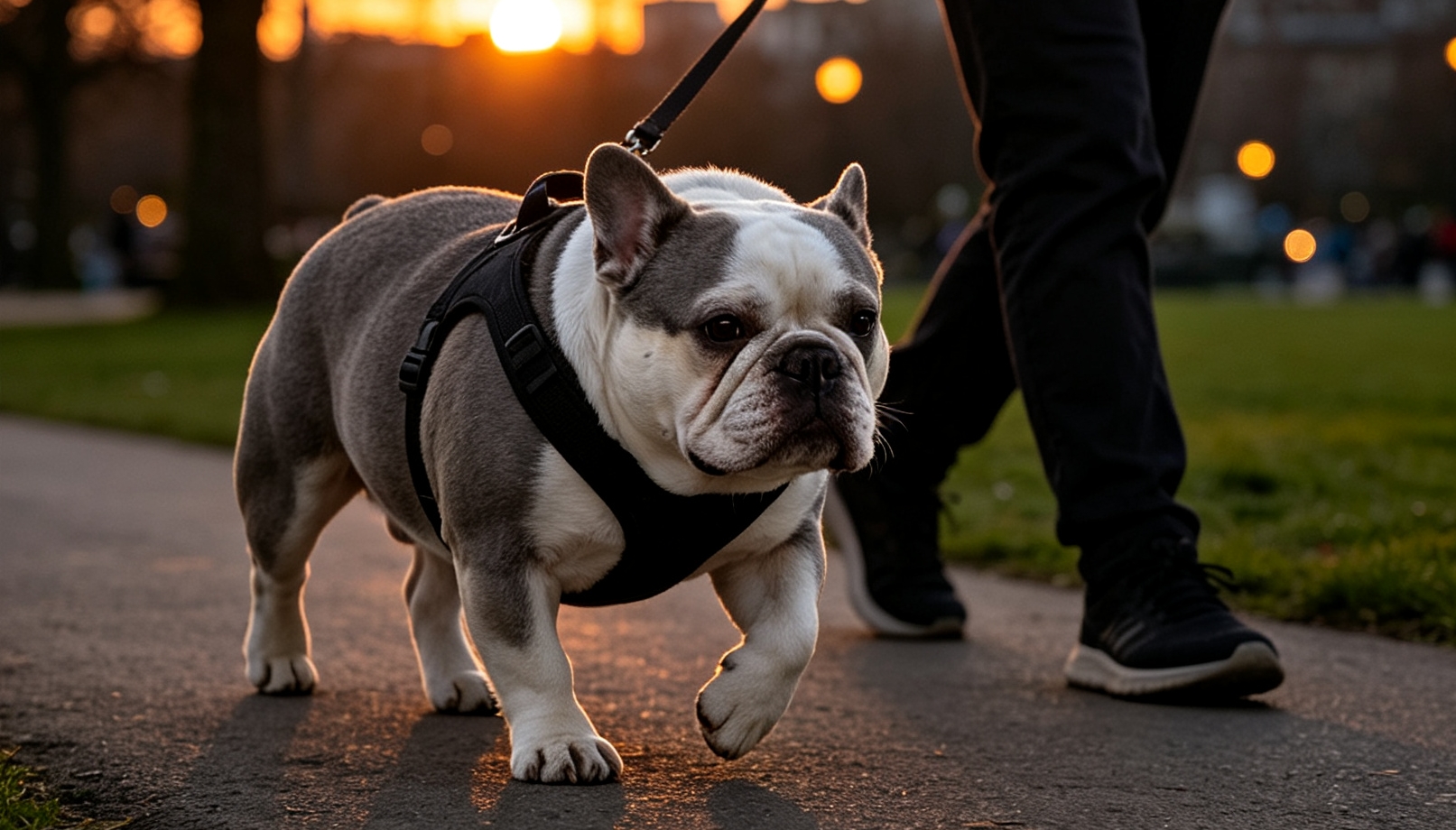
- Phase 1 (Weeks 1–2): 2–3 sessions daily, just 5–8 minutes per walk. Use a Y/H-shaped hiking harness and move at an extremely leisurely pace. The only goal is gentle light movement without heavy panting; consistency matters most.
- Phase 2 (Weeks 3–4): Once short walks feel effortless, extend each session to 10–12 minutes, twice daily. You may slightly speed up to his natural relaxed gait.
- Critical Safety Details: Only walk during cool early mornings or late evenings. Carry fresh water and pause every few minutes for hydration breaks. Constantly check tongue color — stop all activity immediately if it turns deep red or purple for full rest.
Solution 2: Underwater Jogging — Zero-Joint-Strain Fat-Burning Core Workout
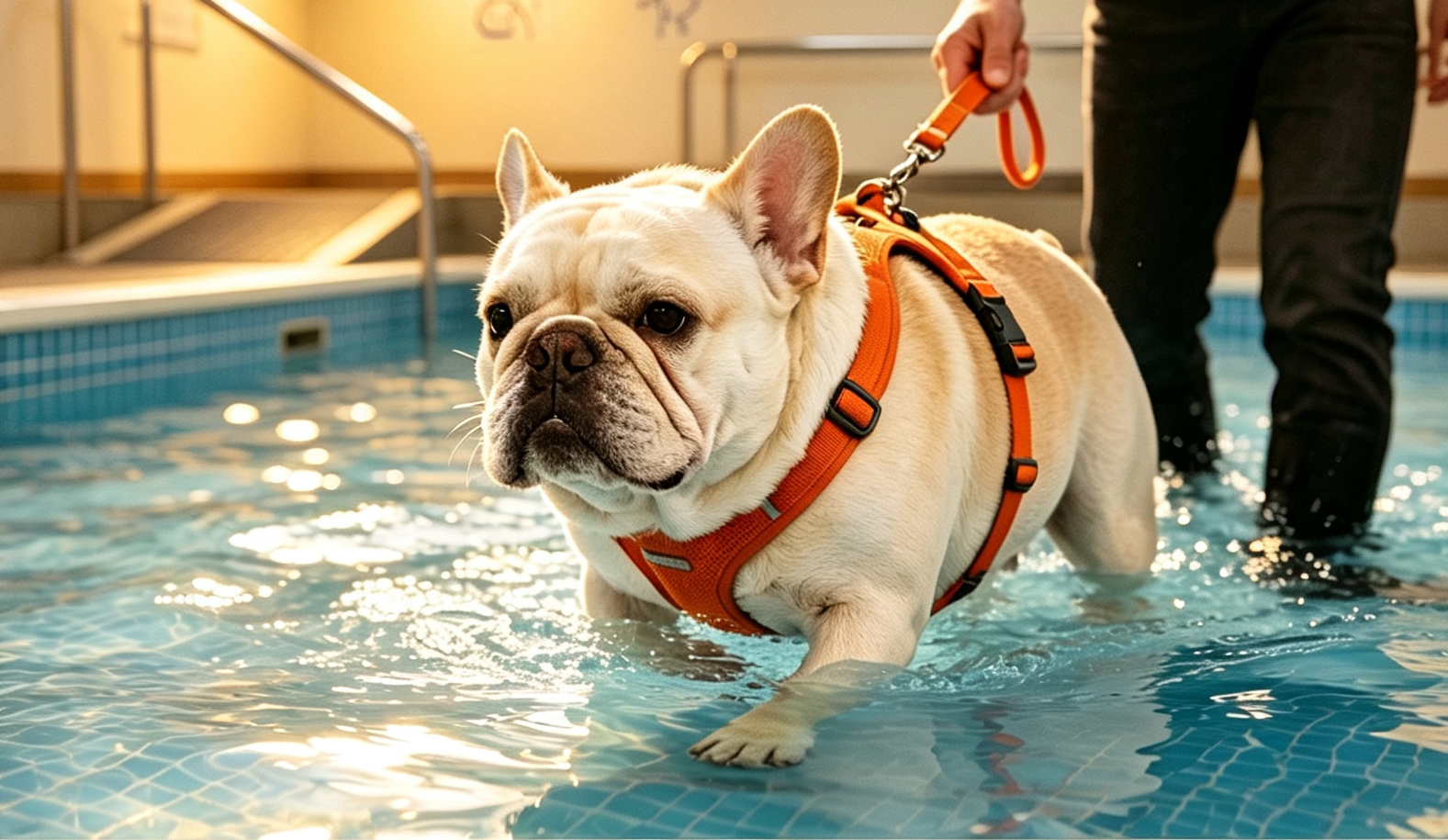
This is my number-one recommended exercise for French Bulldogs suffering significant joint wear. Water buoyancy supports roughly 90% of body weight to eliminate joint compression entirely, while water resistance delivers powerful calorie-burning muscle toning.
Practical Implementation Guide: A professional canine hydrotherapy pool is ideal if accessible. A shallow inflatable kids’ pool (water reaching the dog’s belly or chest) works perfectly as an affordable alternative.
- Let your dog stand and slowly wander through shallow water; 10 minutes of aquatic exercise delivers greater calorie burn and muscle training than a 30-minute land walk.
- Guide him back and forth across the pool with favorite toys to encourage steady movement and turning. Avoid overly cold water temperatures, and fully dry every skin fold thoroughly after each session to prevent fold dermatitis.
- For first-time swimmers, use treats and gentle praise to ease anxiety — never lift or toss the dog forcefully into water.
Solution 3: Canine HIIT Interval Training — Boost Cardiopulmonary Capacity
Introduce brief interval workouts only after your dog has lost noticeable weight and built stable stamina (typically 1–2 months into the program) for efficient accelerated fat loss.
Simple At-Home Routine Design: Perform on flat grass or indoor carpeted flooring.
- Have your dog trot quickly toward you for 15–20 seconds, then command him to sit or stand still for a 30–45 second recovery break.
- Repeat this “activity-rest” cycle 5–8 times, capping total training time at 5–10 minutes.
- Strict Forbidden Activities: Skip high-impact sprints, rapid back-and-forth running, or jumping to catch toys — these deliver harsh shock to joints. Throughout the entire session, monitor breathing closely; loud raspy labored panting signals immediate rest.
Solution 4: Mental Stimulation Games — Passive Calorie Burn Indoors
Weight loss relies equally on mental and physical exertion. Scent work and food foraging burn energy equivalent to a short outdoor walk.
Practical Owner Recommendations:
- Replace 10%–20% of his daily kibble served in a regular bowl by hiding portions around your home for him to sniff out independently.
- Use treat-dispensing puzzle toys and snuffle mats that force problem-solving to access meals. These slow rapid eating, increase satiety, and burn calories quietly indoors. I always tell owners: Thirty minutes of nose work burns more energy than a reluctant ten-minute forced walk.
Solution 5: Micro Daily Activity — Integrate Light Movement Into Routine Life
Boost non-exercise daily calorie expenditure consistently.
Easy Daily Habits I Advise All Owners To Adopt:
- If you live on a low floor, take the stairs only on the way up when heading outside. Always carry your dog or take the elevator downstairs to protect his spine and joints from downhill impact.
- While watching television, gently massage his limbs and guide passive bending/stretching motions to loosen muscles.
- During rest breaks throughout the day, use toys to prompt simple obedience cues: sit, wait, spin, to maintain light constant movement.
3. The Non-Negotiable Foundation Beyond Exercise: Strict Dietary Management
The rule “70% diet, 30% exercise” applies fully to canine weight loss. No workout routine will succeed without controlled calorie intake.
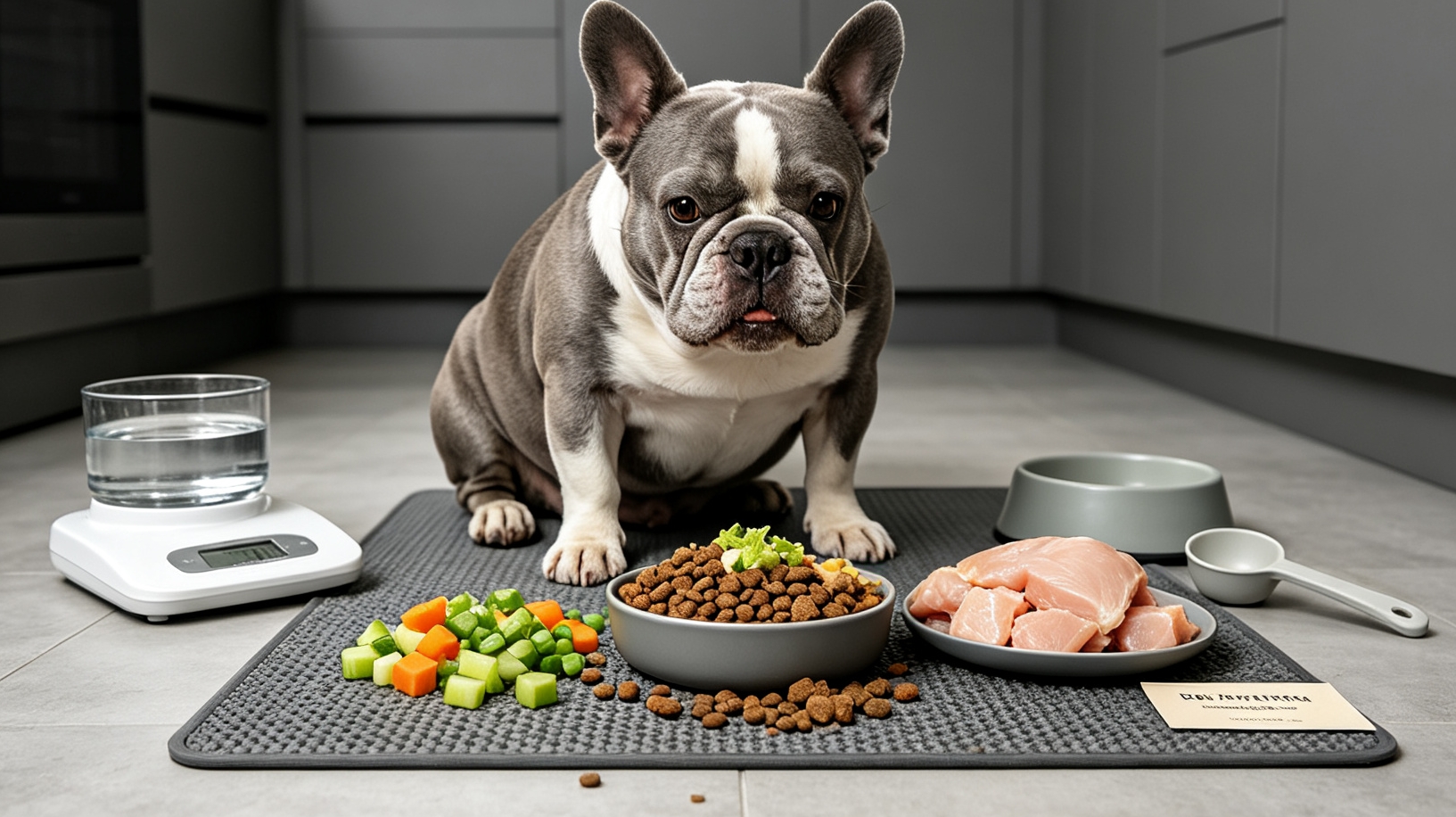
- Precise Portion Measuring: Use a measuring cup and strictly follow the weight-loss feeding dosage recommended by your vet or printed on specialized weight-management kibble packaging — visual guessing leads to overfeeding.
- Cut High-Calorie Commercial Treats: Swap fatty snacks for low-calorie alternatives including boiled chicken strips, carrot slices and green peas, and count all treats toward his total daily calorie limit.
- Veterinary Prescription Weight-Loss Food: For severely overweight French Bulldogs, I strongly recommend consulting your vet to switch to therapeutic weight-loss kibble. These formulas contain high fiber for long-lasting fullness while delivering balanced complete nutrition.
4. Mistake Avoidance Checklist: Critical Errors To Eliminate
1. Rushing Weight Loss Progress: Do not double workout volume if you see no weight drop within one week. Healthy safe weight loss equals 3%–5% of total body weight per month.
2. Exercising In Hot & Humid Weather: French Bulldogs face extreme heatstroke risk. Avoid intense outdoor activity when temperatures exceed 25°C or humidity rises above 70%.
3. Skipping Warm-Up & Cool-Down Periods: Start every session with a slow 5-minute gentle walk, and end with another 5-minute leisurely stroll to gradually condition muscles and joints.
4. Using Collars Instead Of Harnesses: Flat neck collars compress the trachea and worsen breathing strain. Always use a Y-shaped or H-shaped dog hiking harness.
5. Ignoring Pain Warning Signs: Cease all exercise immediately and consult your veterinarian if your dog limps post-workout, resists touch on any joint, obsessively licks one body area, or whines in discomfort.
5. Summary: Patience & Science Are The Only Path To Long-Term Canine Health
Helping an overweight French Bulldog shed excess pounds is a long-term journey demanding abundant patience and evidence-based care. It tests not your dog’s stamina, but your knowledge, attentiveness and consistent commitment. Pairing gradual low-impact fitness training with precise calorie-controlled feeding lets you melt away extra fat while fully safeguarding their fragile joints and respiratory systems, restoring light, energetic, healthy mobility. Remember: Every gram of fat your dog loses extends his years of high-quality, pain-free life.
Friendly Veterinary Reminder
The plans shared in this article are designed for mild to moderate weight management in average French Bulldogs. Schedule a full comprehensive veterinary exam first (including physical assessment, blood biochemistry panels and joint X-rays) if your dog is severely obese (ribs completely unpalpable, no visible waist tuck), or displays obvious limping, persistent breathing trouble and constant lethargy. Your vet will create a personalized medical and exercise regimen tailored to his unique health status. Never attempt aggressive crash weight loss without professional guidance — permanent irreversible physical damage may occur. Canine health is priceless; leave specialized care to licensed veterinary professionals.