When Your Sweet Little Tank Turns Into a Tiny Shark: The Headache Behind French Bulldog Biting
Hello everyone. Over the past decade, working as both a vet and dog trainer, I’ve met countless anxious pet parents struggling with behavioral issues. Among all problems, biting in French Bulldogs (affectionately called Frenchies) tops the consultation list. Many owners tell me with mixed fondness and frustration: “Doc, he’s an angel most of the time, but when he gets overexcited he grabs my hand and gnaws it hard—no broken skin, but it really hurts!” “He’s fine playing with toys, then I reach to pet his head and he snaps out of nowhere, it’s terrifying.” This seemingly playful or sudden nipping leaves owners covered in tooth marks, while creating safety risks and broken trust. Today we’ll dive into structured desensitization training to flip off your Frenchie’s biting trigger in just seven days.

It’s Not Just Misbehavior: Uncover the Real Motives Behind Frenchie Nipping
Before starting training, we need to act like detectives and decode the motivation behind biting. This is never simple disobedience—it’s their primary way of communicating.
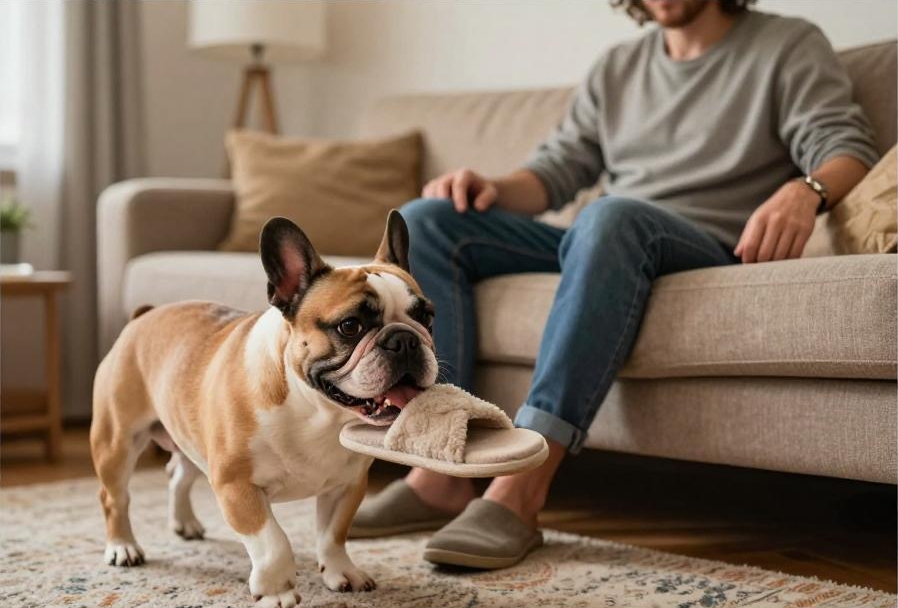
1. Exploring the World & Teething Discomfort: Puppies aged 4–8 months chew instinctively to learn about their surroundings and soothe sore swollen gums. To them, your hands, ankles and slippers are no different from rubber chew toys.
2. Overexcitement & Emotional Communication: French Bulldogs have abundant energy. When they’re thrilled (such as when you get home), begging for play, or irritated by grooming like brushing or nail trimming, nipping becomes their direct way to say “Look at me!” or “Stop that!”
3. Resource Guarding & Fear-Based Defense: This requires serious attention. If your dog growls and delivers hard bites when you approach while eating, chewing a bone or resting in their favorite bed, this is classic resource guarding. Biting triggered by sudden loud noises or unfamiliar touch out of fear is their extreme self-defense response.
4. Accidental Reinforced Bad Habits: Often owners accidentally reward biting behavior. When your pup lightly nips you, loud yelps, jerking your hand away, or chasing them around reads as a fun interactive game to dogs, encouraging them to bite harder next time.
Core Plan: 7-Day Structured Desensitization & Behavior Rehab Program
The core of desensitization training is lowering your dog’s sensitivity to triggering stimuli and teaching acceptable replacement behaviors for biting. Below are proven techniques refined through real-world practice that have helped hundreds of families—stay consistent and practice daily.
Days 1 & 2: Hit Pause & Build Replacement Behaviors
Goal: Teach your dog that biting instantly ends all fun and positive attention.
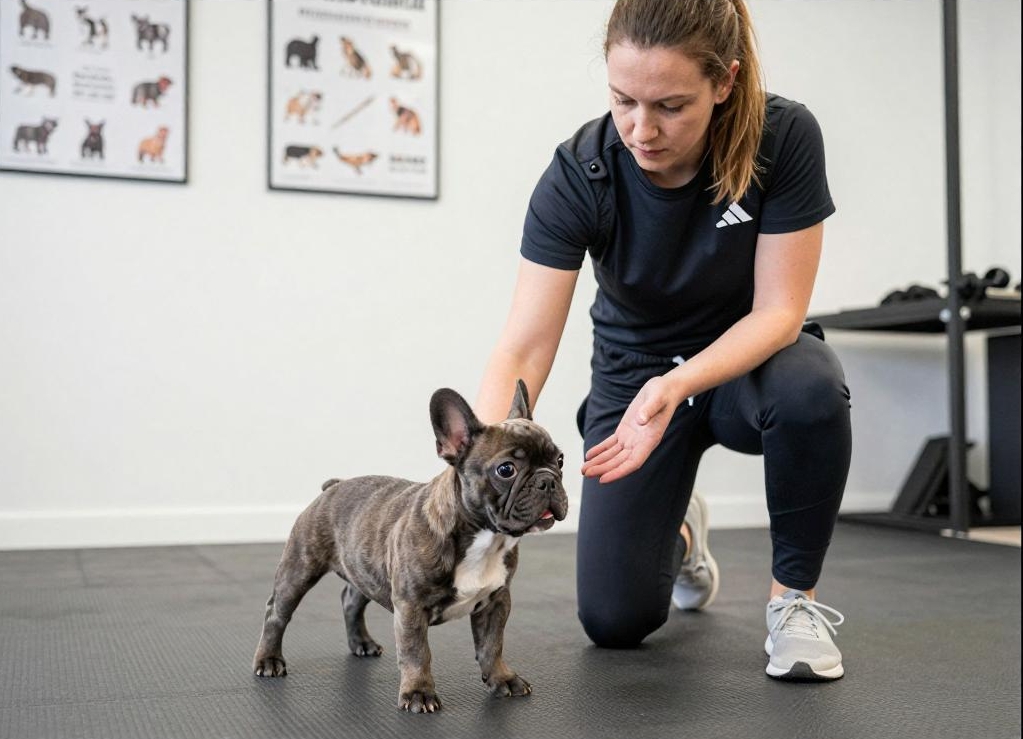
Vet Case Experience: I once worked with an 8-month-old French Bulldog named Tank who jumped up to bite sleeves whenever excited. My go-to fix is the Instant Freeze Method.
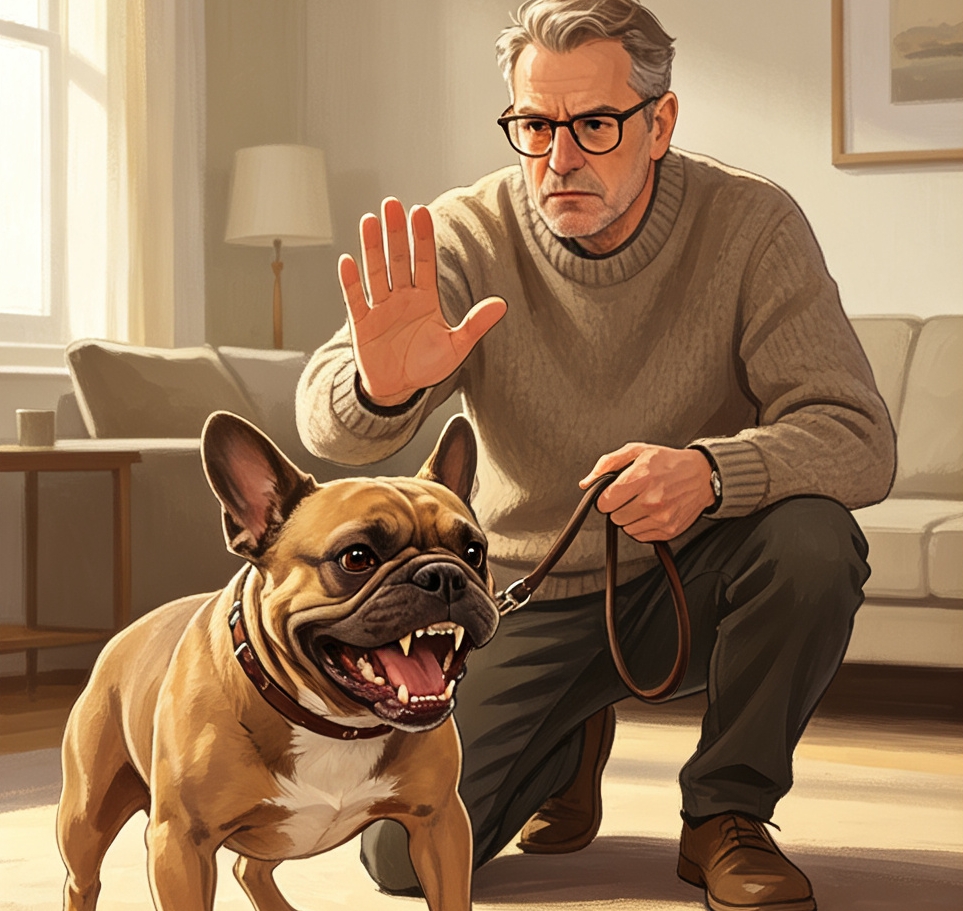
Step-by-Step Execution: The second you feel teeth touch your skin or clothing, immediately say a calm, firm neutral cue like “Ouch” or “No bite”, then freeze completely—no movement, no talking, no eye contact, keep your arm loose (yanking hard mimics tug-of-war and fuels the game). If they release, wait 1–2 calm seconds then reward with their favorite treat and guide them to chew an approved toy. If they keep nipping, quietly walk out of the room and separate them for 30 seconds. Timeliness and consistency are everything; every single bite must trigger this “game over” consequence.
Days 3–5: Proactive Guidance & Emotional Regulation
Goal: Meet your dog’s needs before overexcitement hits and train them to stay calm.
Vet Case Experience: Most bites happen during peak play energy. I had Tank’s owner switch up their daily interaction routine.
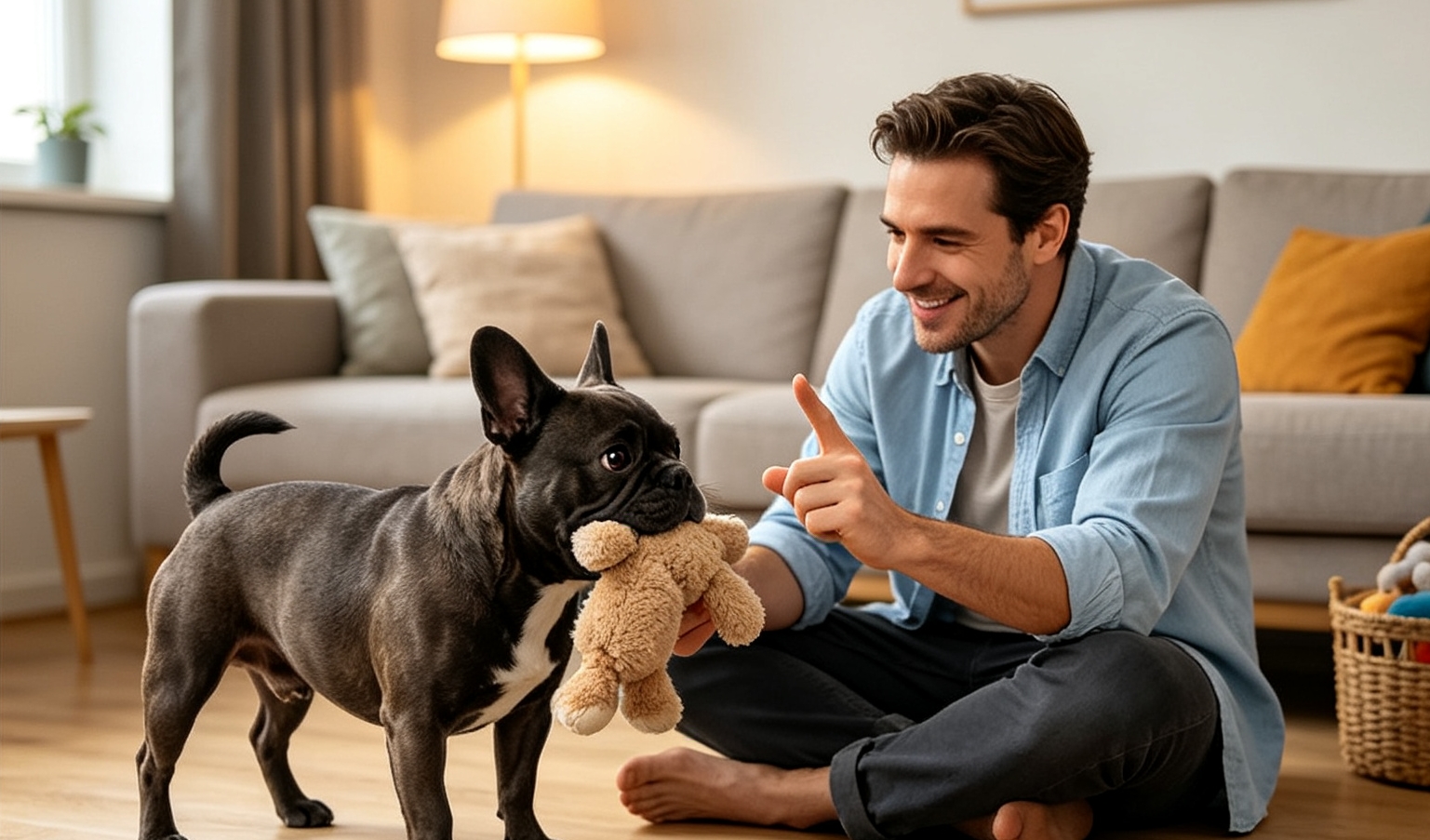
Step-by-Step Execution: ① Trade-Up Game: Hold a toy to interact with your dog. Before their energy spikes and they lunge to nip, offer the toy to them and say “Chew toy!” This establishes toys as the only acceptable chewing targets.
② Sit For All Good Things: Require your dog to sit calmly before meals, walks, or playtime to build self-control. For example, if they lunge while you wave a toy, pause all movement; the moment they sit, praise “Good sit!” and resume play.
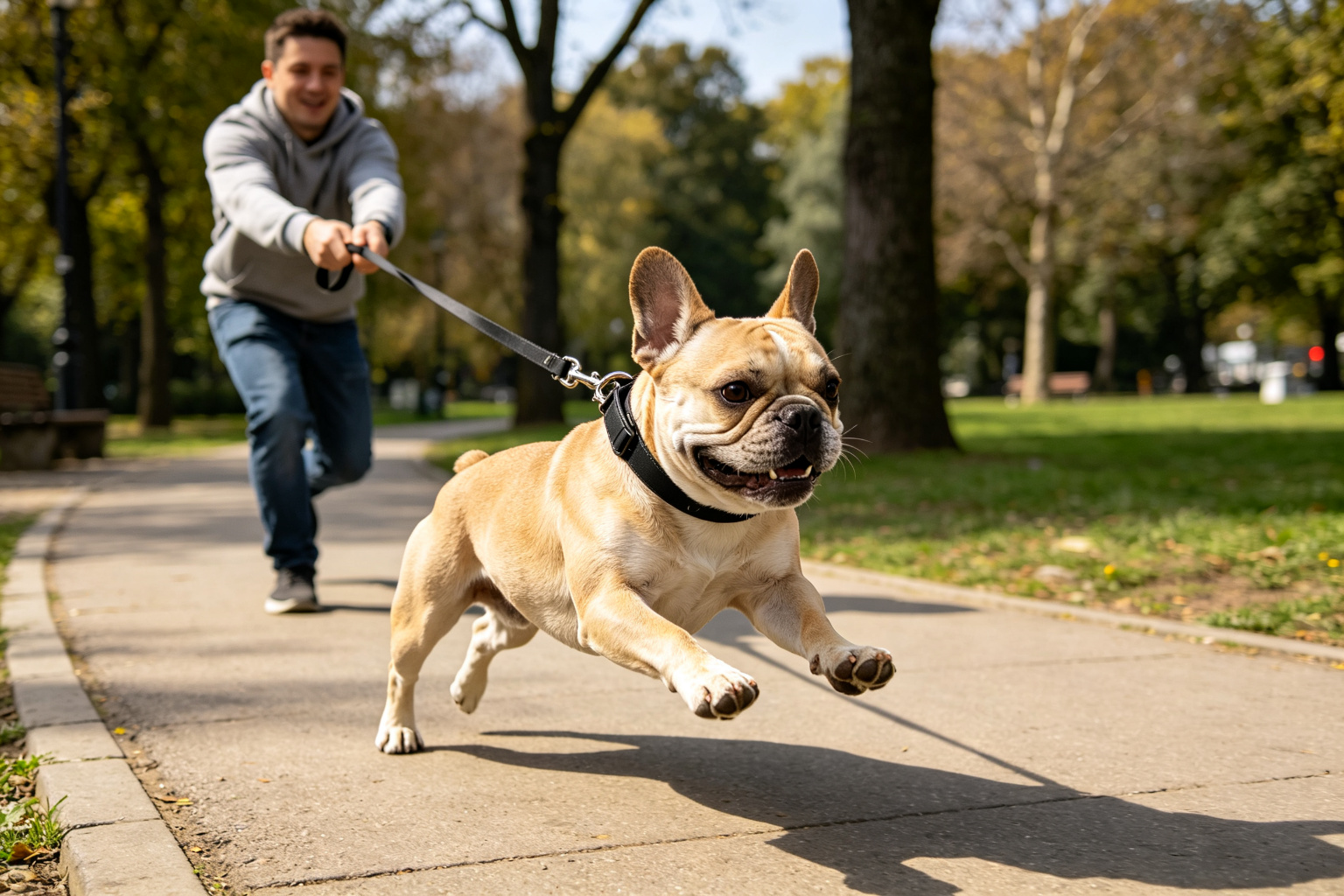
③ Consistent Energy Release: Schedule a minimum of two daily 15–20 minute leash walks or mental enrichment games like snuffle mats. A French Bulldog with drained energy will stay far calmer overall.
Days 6 & 7: Scenario Simulation & Skill Reinforcement
Goal: Train within high-risk triggering situations to lock in progress.
Vet Case Experience: Tank always spun around to nip hands when his owner put on his harness, so we created targeted desensitization drills for this scenario.
Step-by-Step Execution: ① Break Tasks Into Tiny Steps: Don’t rush through full harness fitting in one go. Day one: only take the harness out, reward treats for calm behavior then put it away. Day two: lightly rest the harness on their back, reward instantly then remove it. Gradually extend contact time and add more complex fitting motions over sessions.
② Distraction Enrichment: For tedious tasks they dislike such as paw wiping or brushing, offer long-lasting lickable enrichment like a lick mat spread with dog-safe peanut butter. Link the pleasant licking sensation with your gentle touch.
③ Full Household Consistency: Ensure every family member follows identical rules, verbal cues and responses to avoid confusing your dog.
Training Pitfalls to Avoid—These Mistakes Wipe Out All Your Progress
1. No Physical Punishment or Intimidation: Yelling, hitting, clamping their muzzle or pinning them down triggers greater fear and aggression, destroying the trust bond between you and your dog.
2. Avoid Playful Reactions: Loud screaming, fast hand jerks or laughing while pushing them away all read as positive reinforcement that encourages more biting.
3. Never Withhold Food or Water: This counts as animal abuse, does nothing to fix behavior and severely harms your dog’s physical health.
4. Steer Clear of Dominance-Based Force Tactics: Online videos showcasing overpowering dogs with harsh dominance techniques carry extreme risks. This method works especially poorly for stubborn breeds like French Bulldogs and can spark full-on dangerous attacks.
5. Stay Patient & Manage Expectations: Seven days delivers focused improvement and builds foundational training frameworks. Dogs with deeply ingrained biting habits may need extra weeks for full correction. Celebrate every small win along the way.
Final Takeaway: Patience & Empathy Build a Harmonious Bond
Correcting French Bulldog biting is fundamentally teaching a new communication language. This 7-day desensitization program does more than eliminate a bad habit—it shows your dog how to interact with you in gentle, acceptable ways. Remember: every dog’s behavior reflects their current mood and understanding. As their owner, your role is a steady leader and patient teacher. The rewarding feeling when your pup switches from nipping at hands to grabbing a chew toy voluntarily, or sitting calmly when excited, is unmatched. This mutual understanding built through consistent effort will make your years together far smoother and happier.
Important Reminder
The training methods covered in this article apply only to mild-to-moderate nipping caused by playfulness, excitement and teething. Immediately stop all at-home training and seek a professional veterinary behaviorist or experienced certified dog trainer if your French Bulldog displays any of the following signs:
1. True aggressive lunging, hard bites that break skin and draw blood.
2. Severe resource guarding (over food, toys etc.) paired with warning body language: bared teeth, low growls.
3. Fear-driven aggression that cannot be calmed down easily.
4. Sudden unexplained shifts in behavior—always rule out physical pain or illness first (e.g. thyroid disorders, joint soreness).
Your dog’s health and safety always come first; serious behavioral problems require professional diagnosis and intervention.