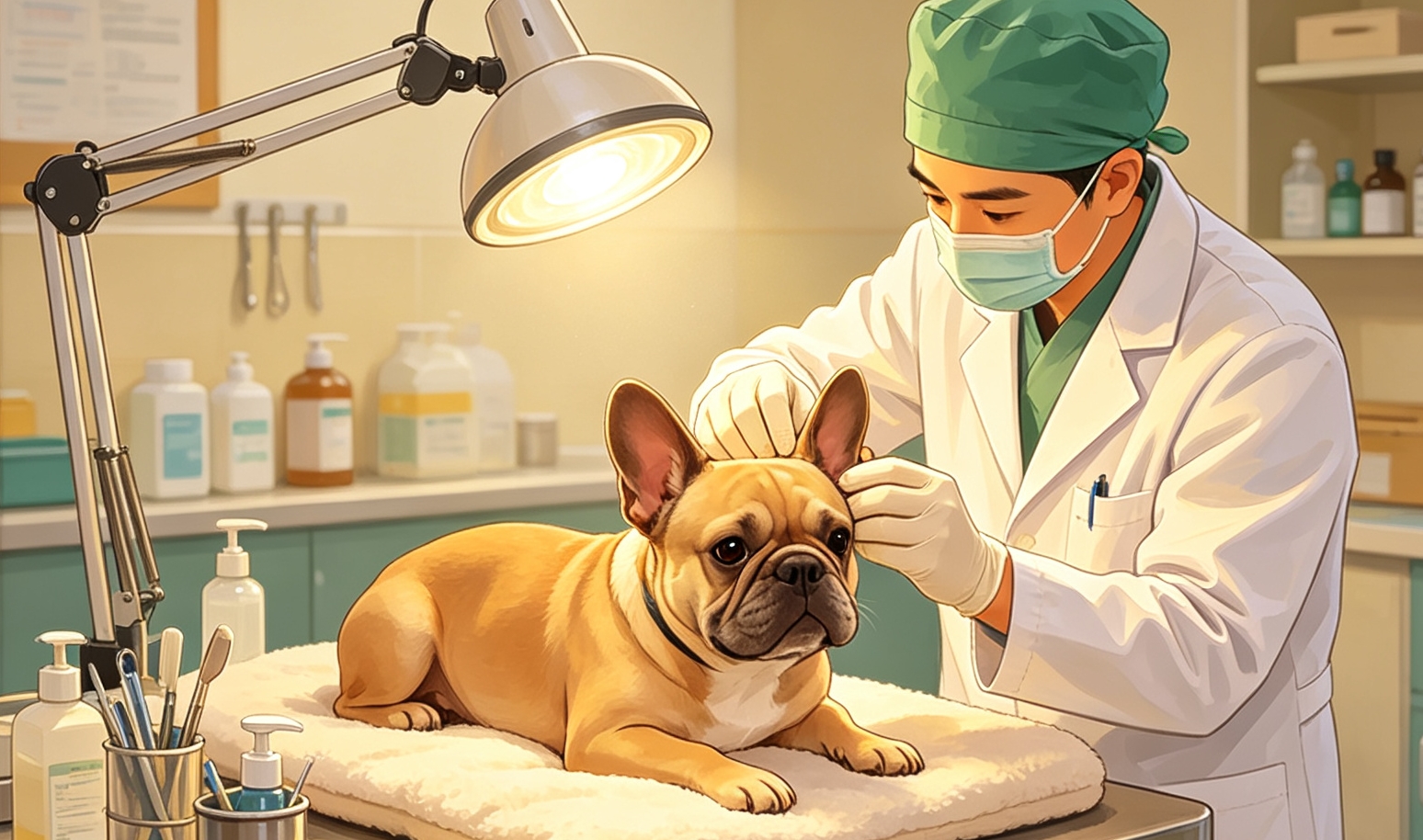
Hello all French Bulldog parents! Over more than a decade caring for these adorable pups, I’ve received countless consultations regarding canine skin conditions. Among all problem areas, the short, close-fitting tail base of French Bulldogs ranks as the top hotspot for hidden health risks. I’ve seen countless cases where minor pinkness in tail folds worsens into severe swelling, pus discharge, and even requires surgical intervention due to early neglect. It breaks my heart to see dogs restless and in pain, while their owners feel helpless and guilty. This highlights how critical it is to spread proper at-home care knowledge. Today we’ll dive deep into this frustrating issue for every French Bulldog owner: how to safely clean and maintain the tail pocket to permanently stop redness and infection.
Why Are French Bulldog Tails Prone to Skin Problems?
To resolve the issue, we first need to understand its source. Tail troubles in French Bulldogs stem primarily from their distinct physical anatomy:
1. Unique Body Structure Forms a Natural Pocket: Most French Bulldogs have tightly coiled or short straight tails pressed flat against their hindquarters. Deep skin folds form at the tail base, creating a dark, airtight natural pocket.
2. Damp, Confined Microenvironment: Sweat, skin oils, residual urine or feces from potty breaks, and environmental dust all build up inside this pocket. Warm, moist conditions filled with organic debris (dander, grime) create the perfect breeding ground for bacteria and fungi, especially Malassezia.
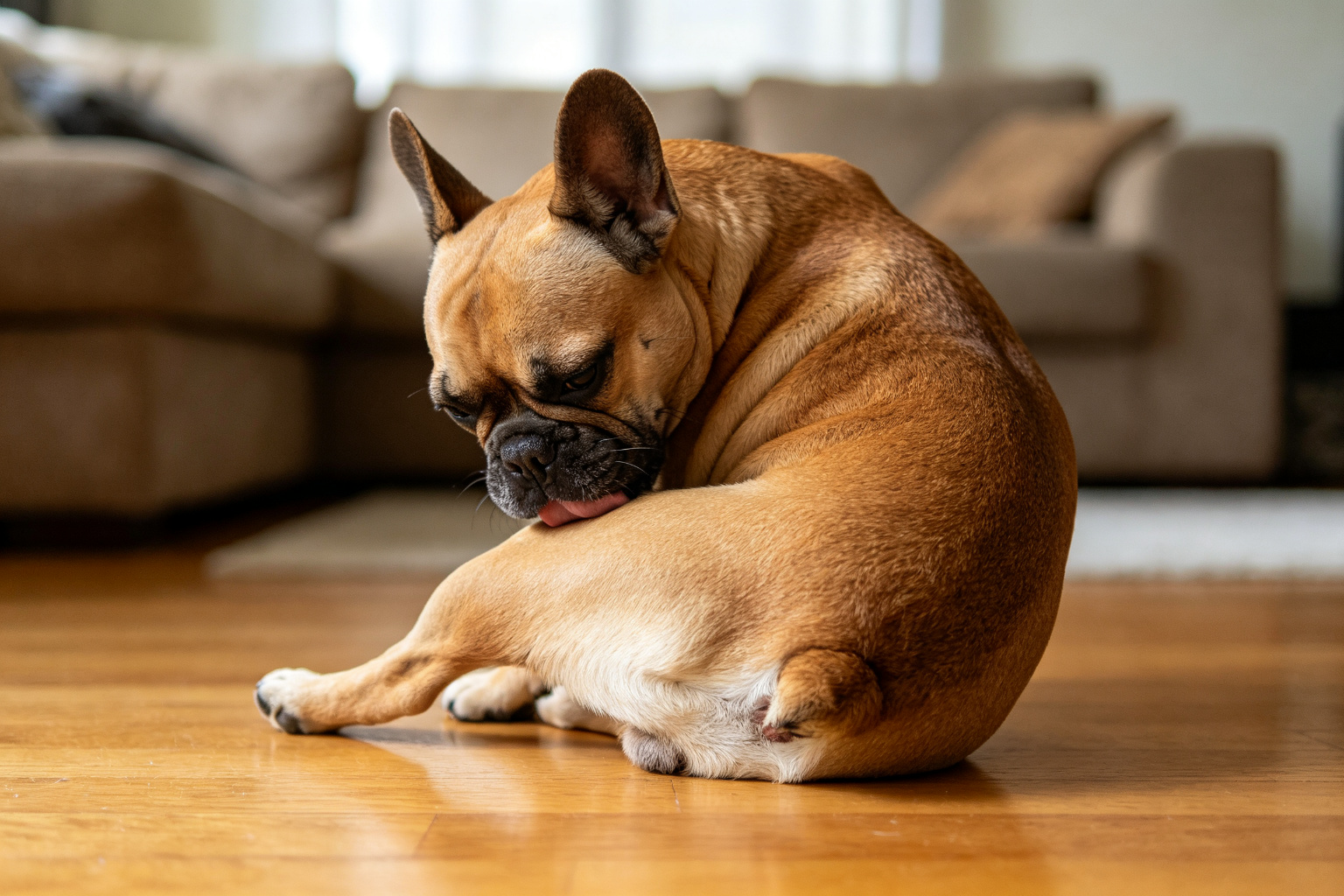
3. Hidden Hard-to-Clean Blind Spot: This area is extremely concealed; you cannot see inside the folds without manually lifting the tail to inspect. Many owners only notice trouble once foul odors develop, or when the dog constantly licks or scoots their rear—by which point inflammation has already set in.
4. Excess Weight Worsens Irritation: Overweight French Bulldogs develop deeper tail folds with increased skin friction and poorer air circulation, compounding all tail-related skin issues.
Simply put, anatomical limitations combined with insufficient cleaning creates high risks of inflammation and infection. With this understanding, we can target our care routine effectively.
Veterinarian Field Experience: 3-Step Tail Pocket Cleaning Routine
Drawing from years of clinical practice and daily pet care experience, I’ve developed a simple, reliable 3-step cleaning method. Always remember: prevention beats treatment. Even if your dog’s tail appears perfectly healthy, inspect and clean the pocket 1–2 times per week.
Step 1: Gentle Deep Cleaning to Remove Buildup
Required Supplies: Hypoallergenic pet-specific wet wipes, or soft cotton balls/gauze dampened with lukewarm water or saline solution. Never use human soap, body wash, or rubbing alcohol—their pH levels and harsh ingredients damage the dog’s skin barrier, causing excessive dryness and irritation.
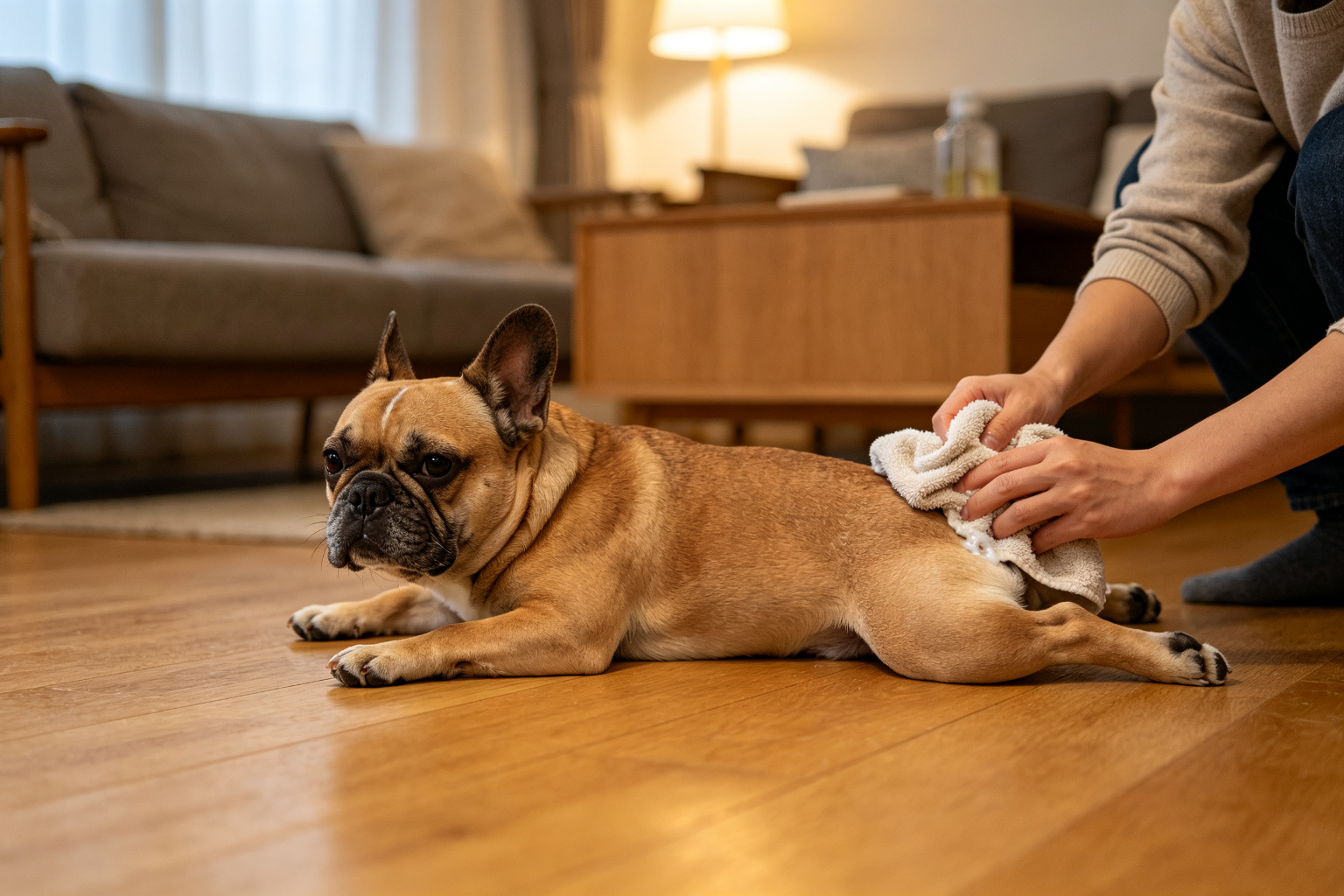
Step-by-Step Operation: Calm your dog first, keeping them standing or lying quietly on their side. Gently lift their tail with one hand to fully expose the inner folds. You may spot brown waxy discharge, a mix of skin oils and dirt. Use wipes or damp cotton balls to softly wipe along the grain of the folds, clearing away softened grime. If debris is hardened, do not scrape forcefully; apply a damp compress to loosen it before wiping. After cleaning, use a separate dry tissue or cotton ball to blot all residual moisture from the folds—this step is non-negotiable! Dampness is the root of all skin infections here.
Step 2: Deep Conditioning to Maintain Dry Skin
Cleaning and drying alone do not finish the care process. Specialty products are required to keep the area dry and long-term healthy.
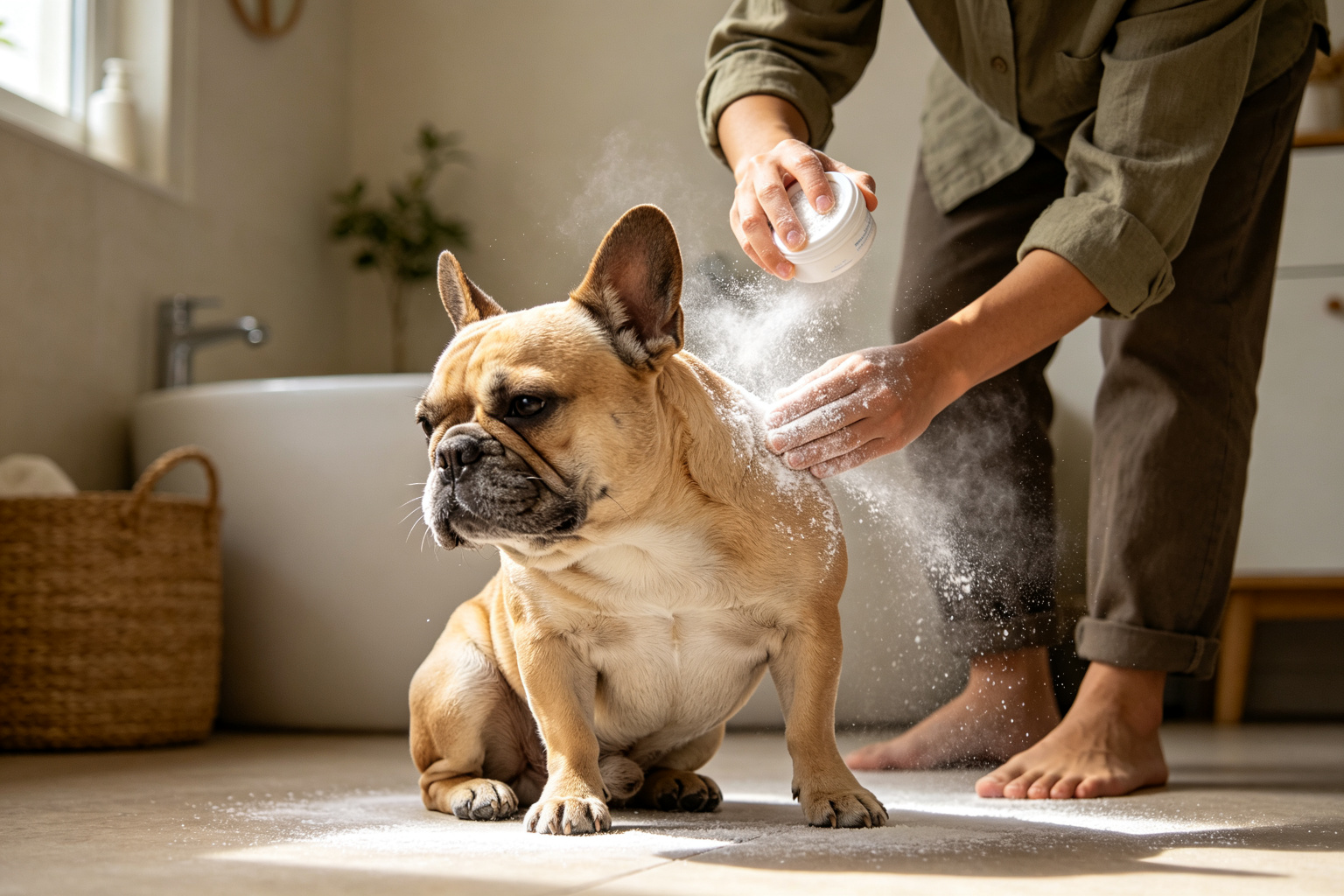
Recommended Products: Pet-safe drying powder or grooming talcum powder (preferably cornstarch-based). From my professional experience, cornstarch delivers excellent moisture absorption and low toxicity, posing minimal risk even if your dog licks small amounts. Many variants add antibacterial ingredients for extra protective benefits.
Real-World Example & Lesson Learned: Early in my career, I advised an owner to only towel-dry their dog’s tail. In humid southern weather, red inflammation returned rapidly. I later recommended applying a thin layer of cornstarch powder with a clean puff after cleaning, avoiding thick clouds of dust. The owner reported complete resolution of mild redness after two weeks of consistent use. This drying step is critical to stop recurring irritation.
Step 3: Weekly Inspection & Ongoing Maintenance
Add tail pocket checks to your fixed weekly pet care schedule, just like brushing teeth or combing fur. During inspections, check three key points:
1. Smell: Is there a sharp sour or fishy odor?
2. Sight: Is the skin a healthy pale pink shade? Watch for swelling, bumps, open sores or abnormal discharge.
3. Behavioral cues: Does your dog repeatedly lick their tail or scoot their bottom on the floor? These are classic signs of itchiness and discomfort.
Additionally, maintaining a healthy weight for your French Bulldog reduces fold depth and skin friction. Regularly trim fur around the anus to prevent fecal buildup, which indirectly protects the tail pocket region.
Mistake Guide: Avoid These Common Care Errors
From thousands of owner consultations, I’ve identified these frequent harmful misconceptions:
1. Over-Cleaning or Using Inappropriate Products: Scrubbing daily with soapy water or disinfectant strips away the skin’s natural protective oils, breaking down the skin barrier and creating chronic sensitivity. Stick to mild, pet-dedicated cleaning supplies only.
2. Skipping Full Drying Post-Cleaning: This is the most overlooked step. Trapped moisture creates ideal conditions for bacteria and fungi to multiply. Always ensure the pocket is fully dry after every clean.
3. Ignoring Early Warning Signs: Dismissing minor pinkness as harmless and waiting until severe symptoms develop. Skin infections progress rapidly; early intervention is cheaper, gentler and far more effective.
4. Randomly Applying Human Topical Ointments: Many owners slather erythromycin cream or similar human antibiotics on red tails. Antibiotic creams are useless against fungal infections and can worsen irritation; hormone-containing human ointments risk toxicity if ingested by dogs. All topical medication must be prescribed by a licensed vet.
Final Takeaways
Caring for a French Bulldog’s tail pocket relies on consistent gentle observation and simple daily upkeep. It is far less complicated than treating serious illnesses, yet these small daily habits directly shape your dog’s quality of life. By understanding what causes tail pocket irritation, and strictly following the routine of gentle cleansing, complete drying, moisture-absorbing powder, and weekly inspection, you can build a reliable barrier against skin issues for your pup—keeping their cute coiled tail clean, comfortable and infection-free long-term.
Friendly Reminder
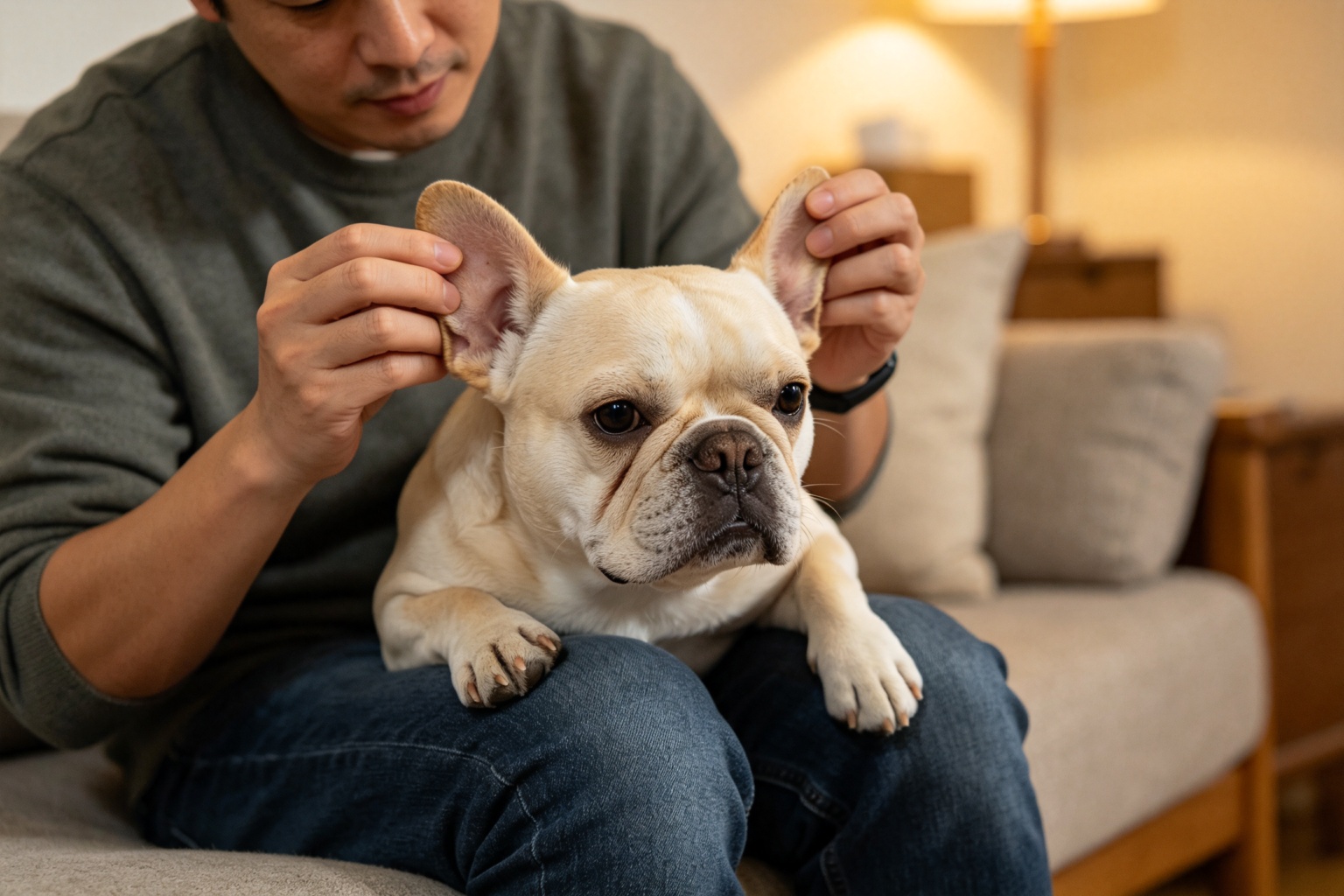
Please note: This article covers at-home care for routine prevention and mild tail pocket irritation only. If you spot severe swelling, pus, bleeding, open ulcers, obvious pain (whining or resisting tail touch), or zero improvement/worsening symptoms after several days of home care, your dog likely has an advanced infection or underlying conditions (such as impacted anal glands, allergies, etc.). Immediately stop all self-treatment and visit a licensed veterinary clinic for professional diagnosis and treatment. Delayed care allows infection to spread, increasing treatment difficulty and your dog’s suffering. Responsible pet ownership combines professional veterinary treatment with consistent scientific at-home care.