Introduction: When Delicious Food Becomes a Hidden Danger
Hello everyone. As a veterinarian with more than ten‑years of experience treating companion animals, I have seen many pets suffer due to improper feeding. French Bulldogs — these adorable, stocky dogs with extremely sensitive stomachs — deserve extra attention. In recent years, raw‑meat‑bone feeding has grown in popularity for its alignment with canine natural dietary patterns, and many French Bulldog owners are eager to try it. However, clinical cases from my clinic show that one simple mishandled step can turn this well‑intentioned natural meal into a hidden threat to your dog’s health. That critical step is thawing.
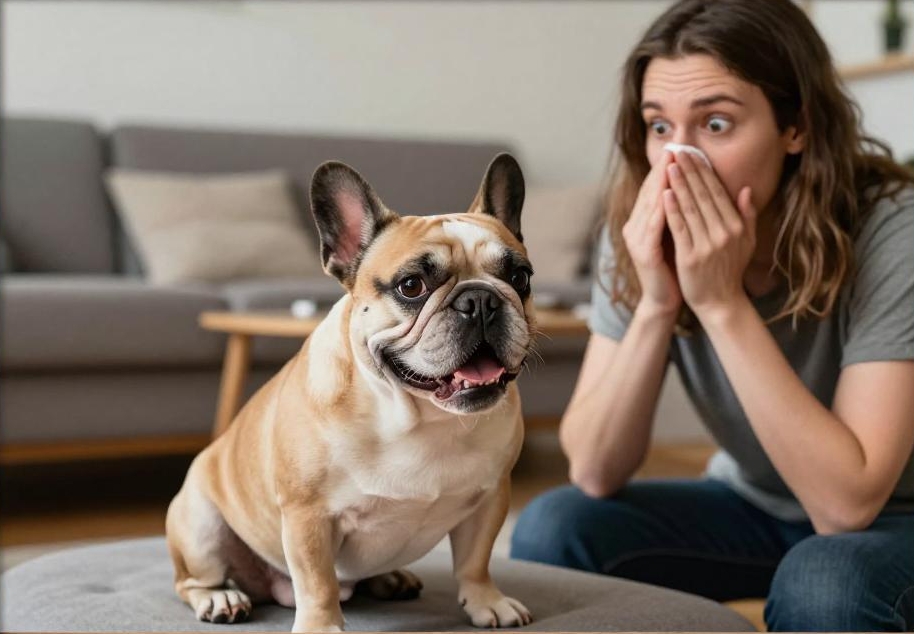
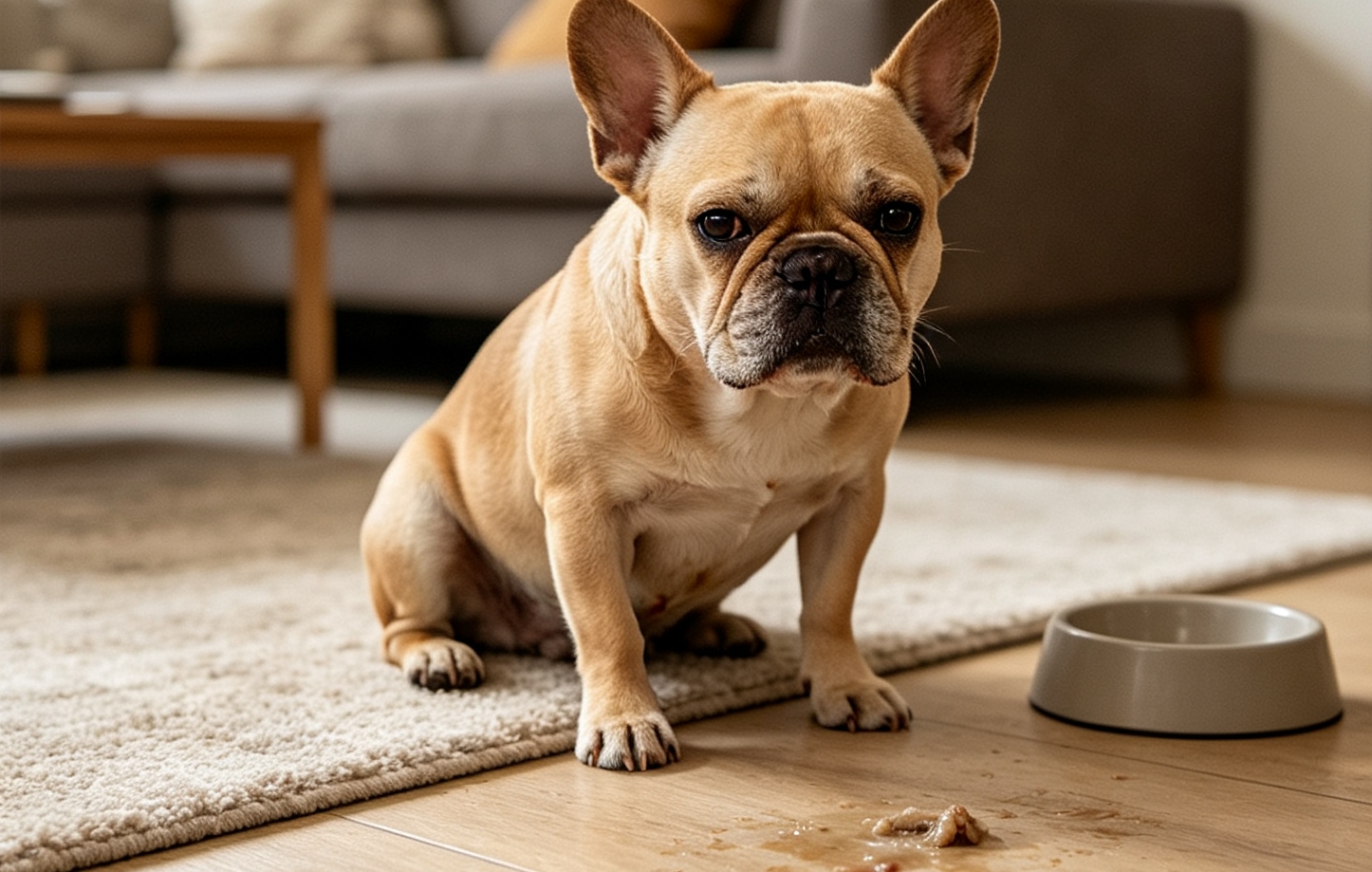
Last month, a worried owner brought in his French Bulldog Potato, who was vomiting, having diarrhoea and showing severe lethargy. Tests confirmed bacterial gastroenteritis caused by raw meat bones thawed at room temperature for an entire day. The owner explained helplessly: “I thought it was ready once it felt soft enough…”. I encounter similar scenarios several times every year. French Bulldogs naturally have weak gastrointestinal function and short respiratory tracts, so infections often produce more severe symptoms than in other breeds. Today I will walk you through a scientific, safe thawing routine to build your French Bulldog’s first line of health defence and make raw‑meat‑bone feeding genuinely safe and beneficial.
Root‑Cause Analysis: Why Does Improper Thawing Harm French Bulldogs So Severely?
To understand the importance of safe thawing, you first need to recognise where risks originate. Raw meat, especially poultry and pork, may carry pathogenic bacteria including Salmonella, E. coli and Listeria. These bacteria lie dormant while frozen, but once temperatures rise into the danger zone (roughly 4°C to 60°C), they re‑awaken and multiply exponentially.
French Bulldogs carry distinct physiological vulnerabilities:
1. Sensitive gastrointestinal system: Their digestive system is less robust than many working breeds. Intestinal flora balance is easily disrupted. Ingesting large quantities of pathogenic bacteria frequently triggers acute gastroenteritis marked by vomiting, diarrhoea and abdominal pain.
2. Brachycephalic anatomy: French Bulldogs have elongated soft palates and relatively narrow tracheas. Severe vomiting brings not only gastrointestinal distress but also risk of respiratory distress and choking.
3. Potential overactive immune responses: Some individual French Bulldogs have underlying immune‑system issues. Severe bacterial infections may trigger systemic inflammatory responses that complicate treatment.
The core objective for thawing is therefore clear: Minimise bacterial reproduction and eliminate cross‑contamination. This is not merely about preventing illness; it preserves nutrition so your dog can absorb high‑quality nutrients.
Practical Solution: Five‑Step Safe Thawing Method
Drawing on my long‑term clinical experience and raw‑feeding practice, I have compiled a complete safe thawing workflow from refrigerator to food bowl. The procedure is not complex; success relies on careful, consistent execution.
Step 1: Planning and Pre‑Portioning — Risk Control at the Source
My experience: Early in my career I froze large blocks of meat and thawed portions as needed. Repeated freeze‑thaw cycles degraded meat quality and greatly amplified bacterial risk. Later I adopted principles used for preparing infant food.
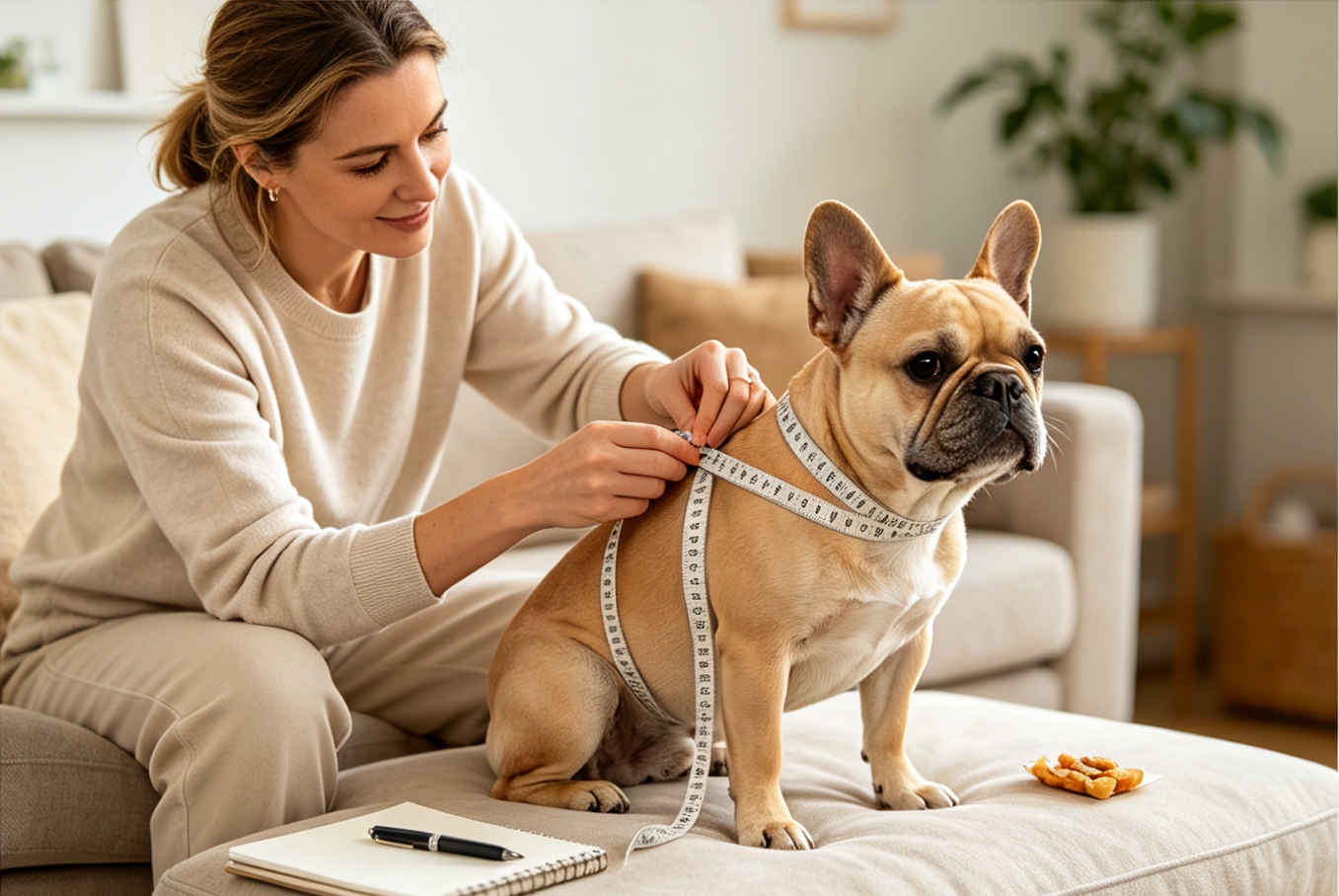
Procedure: Before freezing fresh raw‑meat‑bone purchases, divide them into single‑meal portions using food‑grade sealed bags or containers based on your dog’s serving size. For example, an adult French Bulldog may eat 150 g per meal, so portion each pack to 150 g. This ensures you only thaw exactly what will be eaten in one sitting. It avoids damaging temperature fluctuations from repeated freezing and thawing of large meat blocks and stops bacteria from multiplying inside frozen meat at the source.
Step 2: Slow Thawing inside the Refrigerator — The Safest Primary Approach
My experience: This is my top‑recommended, highest‑safety method. Advance planning is essential. Many owners decide to feed raw food on impulse and resort to room‑temperature or water thawing, which carries maximum risk.
Procedure: 12‑24 hours ahead (adjust according to meat chunk size), move pre‑portioned raw‑meat‑bone packs from the freezer to the lower compartment of your refrigerator (typically 0‑4°C). At this temperature meat defrosts gradually while reproduction of most pathogenic bacteria is strongly inhibited. Always place sealed packs inside a lidded container or deep tray to prevent meat juices leaking and contaminating other refrigerator food. I set calendar reminders on my phone such as “Feed raw meat‑bone tomorrow evening, move from freezer this morning”.
Step 3: Cold‑Water Immersion (Emergency Option) — Fast but Must Be Handled Cautiously
My experience: What if you forget to move portions ahead of time? This backup method exists yet demands strict discipline.
Procedure: Fully submerge the tightly sealed portion bag (ensure complete sealing!) inside cold water. Refresh the water every 30 minutes to keep temperature low. Never use warm or hot water; heat rapidly brings meat‑surface temperatures into the bacterial‑growth danger zone. This method works faster than room‑temperature thawing and is safer, though still inferior to refrigerator thawing. Use it only for emergencies.
Step 4: Post‑Thaw Handling — Small Details Determine Safety Outcomes
My experience: Even fully thawed meat can create hazards with poor handling. I have observed owners tear raw meat by hand then touch dog bowls, transferring bacteria in the process.
Procedure: Prepare dedicated utensils for raw meat work (knives, cutting boards, tongs), strictly separated from tools used for human cooked food. After removing thawed meat from the fridge, pour meat and all released juices into your dog’s bowl; these juices contain valuable nutrients. Immediately wash hands, utensils and contact surfaces thoroughly using hot water and pet‑safe detergent. This step is critical for stopping cross‑contamination.
Step 5: Feeding and Observation — Final Safety Check
My experience: Even perfectly thawed meat requires you to monitor your dog’s current physical state.
Procedure: Place raw‑meat‑bone in the bowl and allow your dog to eat in a quiet, fixed location. For fast‑eating breeds like French Bulldogs, a slow‑feed bowl is recommended. Monitor your dog closely for 2‑4 hours after feeding for abnormal vomiting, diarrhoea or lethargy. This observation period is especially important for first‑time raw‑food trials or when switching meat sources.
Pitfall‑Avoidance Guide: Never Fall Into These Traps!
These mistakes appear repeatedly within my clinical cases — please avoid them:
1. Subjective room‑temperature thawing: The number‑one cause of bacterial infection. Uncontrolled ambient temperatures become particularly dangerous during hot summer weather.
2. Microwave thawing:
3. Repeated freezing‑thawing cycles: Every cycle creates opportunities for bacterial amplification. Follow the rule: Thaw once, feed the full portion in one meal.
4. Neglect environmental sanitation: Food scraps left on feeding surfaces or bowls become ideal bacterial breeding grounds. Dogs may get infected by licking contaminated floors or re‑contacting dirty surfaces.
5. Improper mixing with other foods: Raw‑meat‑bone and kibble have different digestion timelines and stomach‑acid requirements. Do not feed them in the same meal. Allow at least 6‑8 hours between them.
Summary: Safety Is the Foundation of Responsible Care
Choosing raw‑meat‑bone feeding for your French Bulldog reflects deep affection and responsibility. Good feeding is not defined by expensive, rare ingredients but by rigorous, scientific daily handling details. A reliable thawing procedure acts as a safety lock for this natural food. It protects not only your dog’s sensitive gastrointestinal tract but also its long‑term health and vitality. Remember: we mimic natural feeding patterns, yet filter risks with science.
Important Reminder
Even with thorough preparation, individual differences and hidden risks remain. If your French Bulldog develops any of the following despite strict adherence to safe procedures: persistent vomiting (especially more than twice daily), bloody or watery diarrhoea, extreme lethargy, refusal to eat, obvious abdominal pain (arching back, resisting touch), or fever‑like symptoms, stop feeding immediately and contact your veterinarian or visit the nearest animal hospital without delay. Acute bacterial gastroenteritis can trigger dehydration and electrolyte imbalance, which demand prompt professional veterinary intervention for French Bulldogs. Do not self‑medicate and delay care; early diagnosis and treatment are key to rapid recovery.
I hope every French Bulldog owner can become their pet’s most professional, trustworthy nutrition guardian. Feel free to reach out for further French Bulldog care discussions. Wish all your stocky companions safe meals and robust health!