Is Your French Bulldog a Food Gobbler? Post-Meal Vomiting Breaks Every Owner’s Heart
Hello all French Bulldog parents. Having worked in veterinary clinics and dog training facilities for over a decade, I’ve met countless French Bulldogs whose rapid eating habits drive their owners to constant worry. Almost every week, I receive consultations like this: “Doc, my French Bulldog acts like it hasn’t eaten for days at mealtime. It scarfs down all kibble in under one minute, yet shortly after eating, it vomits everything back up. Even after throwing up, it stares up at me begging for more food—what’s going on?”
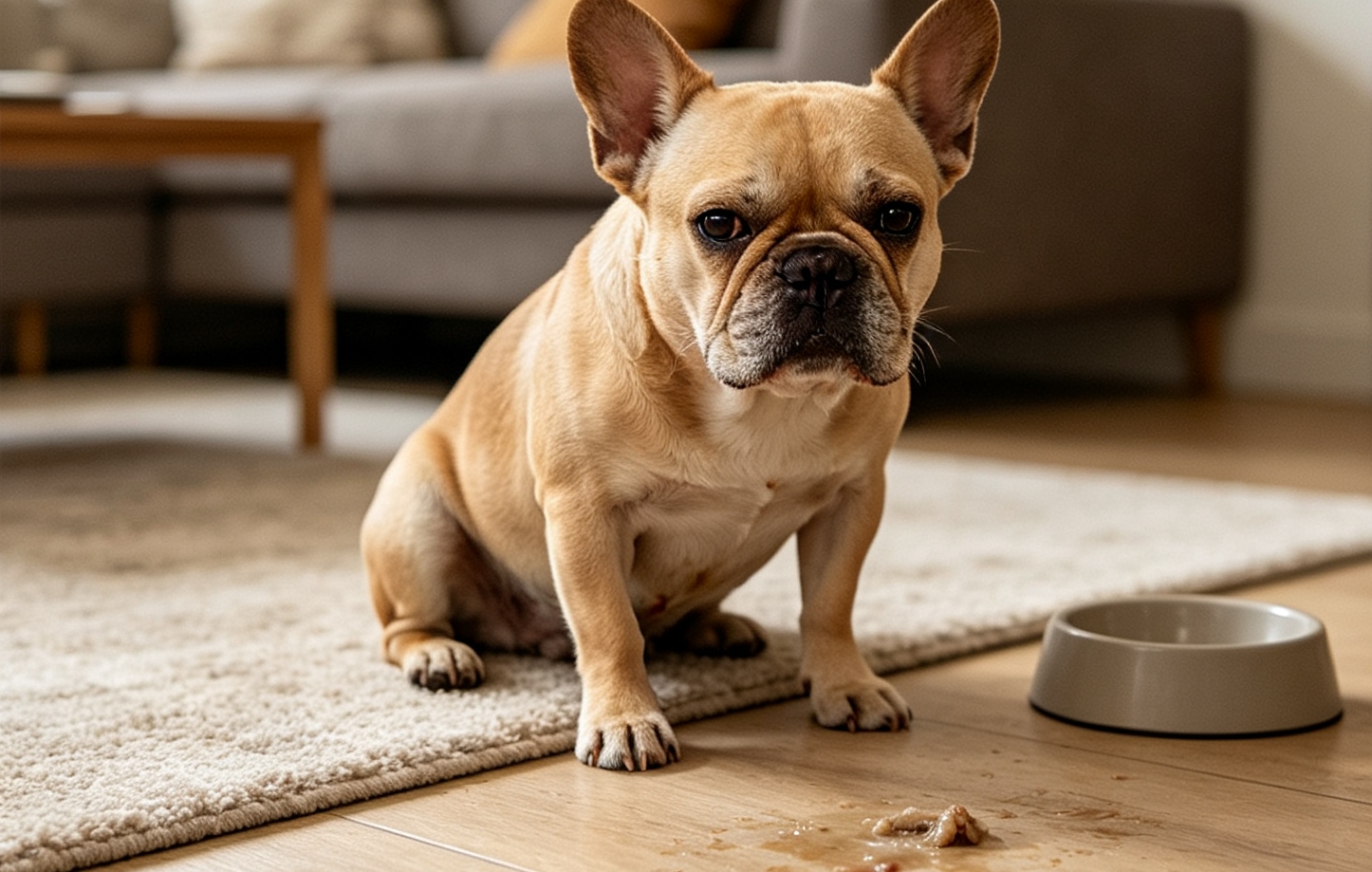
I fully understand the mix of heartache and helplessness on every owner’s face. This cute, lively flat-faced breed is seemingly hardwired to devour meals in a rush. Their short muzzles, ravenous appetite, and inherent food anxiety turn speed-eating into an ingrained genetic habit. Yet the hazards behind this behavior stretch far beyond messy floors. Frequent vomiting erodes the esophagus, chronic poor digestion blocks nutrient absorption, and worst of all, drastically expanded stomachs skyrocket the risk of GDV—a critical emergency that can kill dogs within minutes. Fixing fast eating in French Bulldogs is never a trivial matter; it is a top priority tied directly to their long-term health and wellbeing.
Why Does Your French Bulldog Gobble Food Nonstop?
Before diving into solutions, we first break down the overlapping factors that drive rushed eating in French Bulldogs:
1. Inherent Brachycephalic Physiology: As brachycephalic (short-nosed) dogs, their facial structure limits efficient chewing. To consume enough calories, they instinctively swallow food whole at high speed.
2. Innate Competitive Food Drive: Even single-household pets retain wild canine survival instincts: eat fast to secure enough nutrition. This urge is far stronger in French Bulldogs adopted from multi-dog homes or rescue shelters.
3. Misguided Feeding Schedules (Most Overlooked): Feeding only one meal a day leaves dogs extremely ravenous. Irregular mealtimes also create food insecurity, making pups fear missing their next serving.
4. Overly Palatable or Monotonous Diet: Extremely flavorful kibble or an unvaried single food source excites dogs to rush through meals without pause.
With these root causes clarified, we can implement targeted interventions. Below is my proven, highly effective combined strategy refined over years of hands-on practice — the two-pronged intervention method: specialized feeding tools + behavioral retraining, utilizing slow feeder bowls paired with a gradual feeding training routine.
Core Solution: Slow Feeder Bowl + 3-Step Feeding Training Protocol
Purchasing a slow feeder bowl alone often yields minimal results. Many owners complain: “I bought a slow feeder bowl, and my French Bulldog grew even more frustrated, pawing and flipping the bowl over!” This is why structured behavioral guidance is mandatory. The routine below is distilled from hundreds of successful fast-eating French Bulldog cases; please practice patiently and consistently.
Step 1: Select & Gradually Introduce the Slow Feeder Bowl
Veterinarian Field Note: I once treated a French Bulldog named Tank, who refused all standard maze slow feeders and constantly knocked them over out of impatience. I discovered easily-frustrated first-time users require a gentle transition phase.
Step-by-Step Implementation:
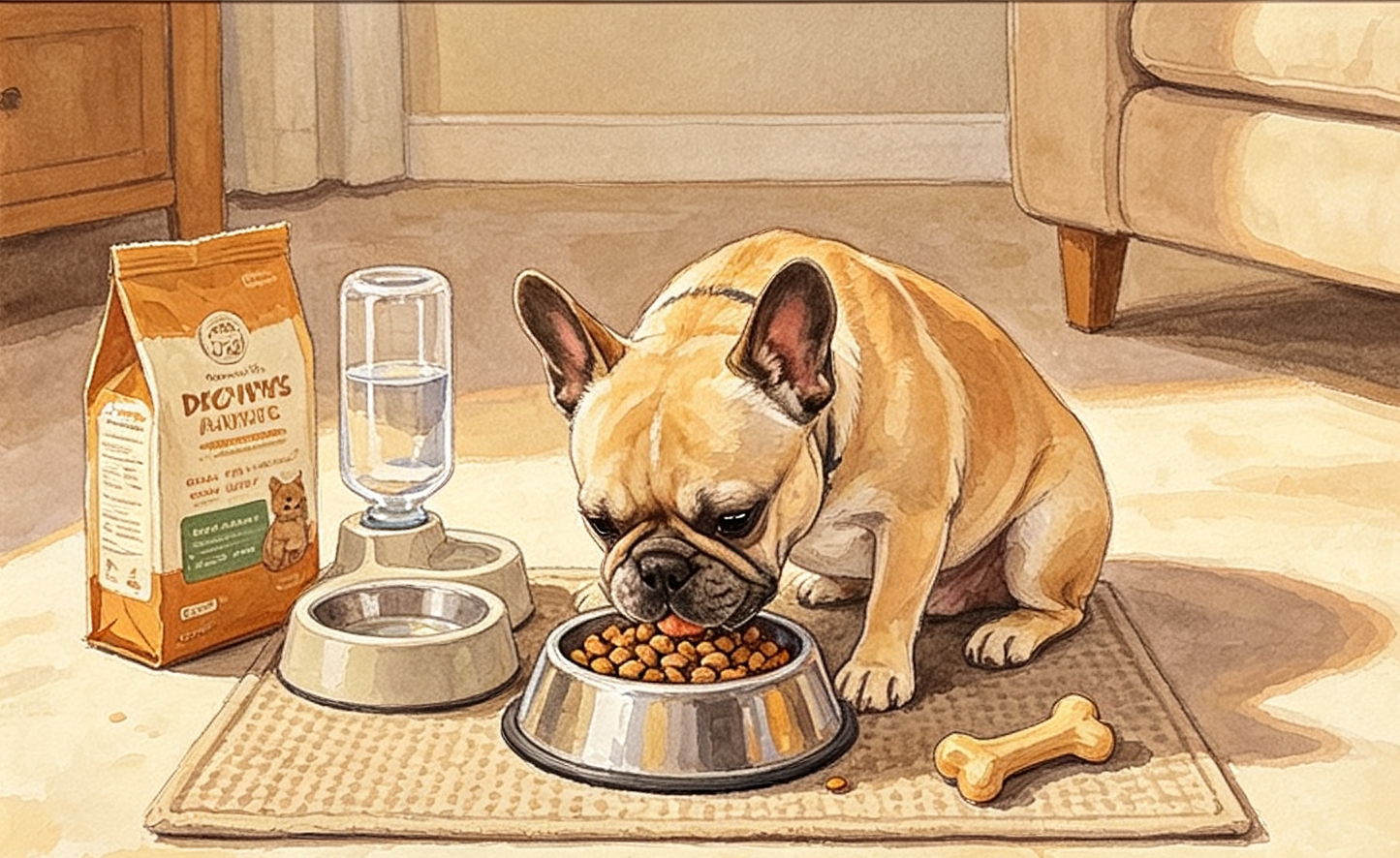
1. Choose an Appropriate Style: Options include maze-pattern bowls, raised post feeders, and lick mats. New users should start with low-profile, simple maze slow feeders or silicone lick mats. Spread wet food or softened kibble evenly across lick mats to force dogs to lap slowly with their tongues and naturally reduce eating speed.
2. Build Positive Associations: Do not abruptly replace your dog’s regular bowl overnight. For the first few days, place the slow feeder beside their usual dish, filling it only with ultra-high-value treats (small dried chicken jerky). Let your pup explore and lick treats voluntarily to form the link: “This new bowl brings delicious rewards.”
3. First Full Meal Transition: Introduce only one-third of their daily portion into the slow feeder during calm moments; serve the remaining two-thirds in their familiar bowl. This gradual shift avoids overwhelming frustration that could lead to food refusal.
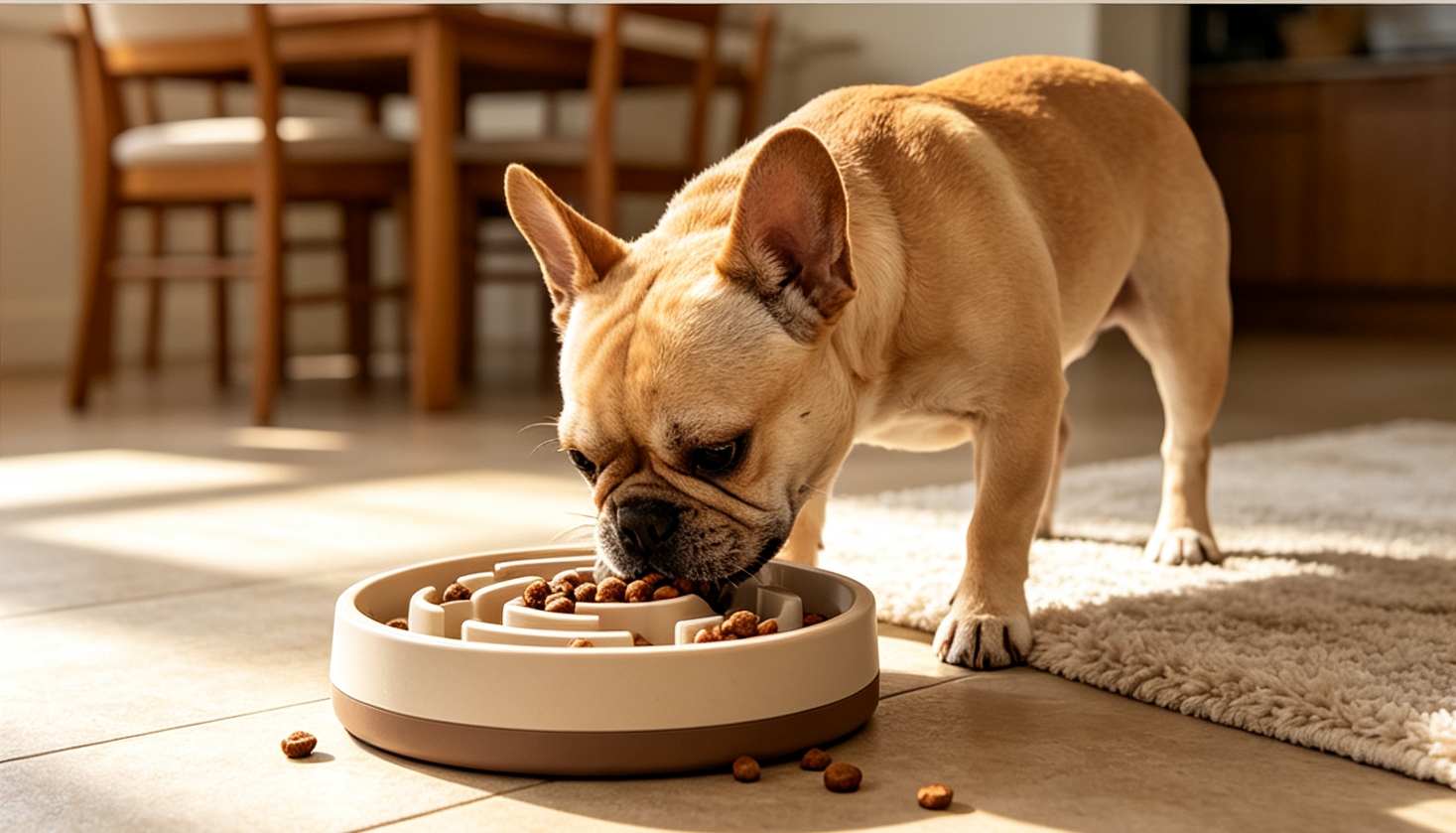
Step 2: Implement the 3-Stage Feeding Routine to Rewire Mealtime Behavior
This behavioral correction pillar breaks the destructive mental cycle: sight of bowl → extreme excitement → frantic swallowing, replacing it with a calm, structured mealtime ritual.
Stage 1: Sit & Wait Training
Once food is prepared, hold the feeding bowl (slow feeder or regular dish) and command your dog to sit. If they jump or lunge excitedly, stand completely still and wait until they settle for even a split second. Immediately praise “Good!” and lower the bowl for eating. The core goal is teaching your pup: calm behavior earns access to food. Repeat dozens of times if needed and stay consistent.

Stage 2: Split Small Portions With Human-Guided Pauses
Even with a slow feeder bowl, I recommend manual portion control during early training. Split one full meal into 3–5 tiny servings. After finishing the first portion (served in the slow feeder or hand-fed), ask your dog to sit again and wait several seconds before offering the next serving. This drastically builds self-control and gives the stomach critical digestion buffer time. After following this routine for one week, Tank’s owner reported he regularly paused mid-meal to glance up at them—a clear sign he began thinking before swallowing on raw instinct.
Stage 3: Mid-Meal Interruption Practice
When your dog is halfway through eating, calmly call their name. If they stop eating and make eye contact, deliver verbal praise plus an extra small treat separate from their bowl kibble, then allow them to resume eating. This exercise eliminates resource guarding tendencies and reinforces that mealtime can be gently interrupted without fear or stress. It keeps dogs relaxed throughout meals instead of hypervigilant and defensive over food.
Step 3: Environmental Management & Dietary Adjustments
1. Designate a Quiet, Isolated Feeding Zone: Feed your dog in a fixed, disturbance-free corner of the home. For multi-pet households, separate feeding spaces entirely to eliminate competitive food stress.
2. Adjust Feeding Frequency: Swap one or two large daily meals for multiple small feedings (3–4 portions daily). This fundamentally reduces extreme hunger and rushed eating urges, especially effective for puppies or chronically vomiting French Bulldogs.
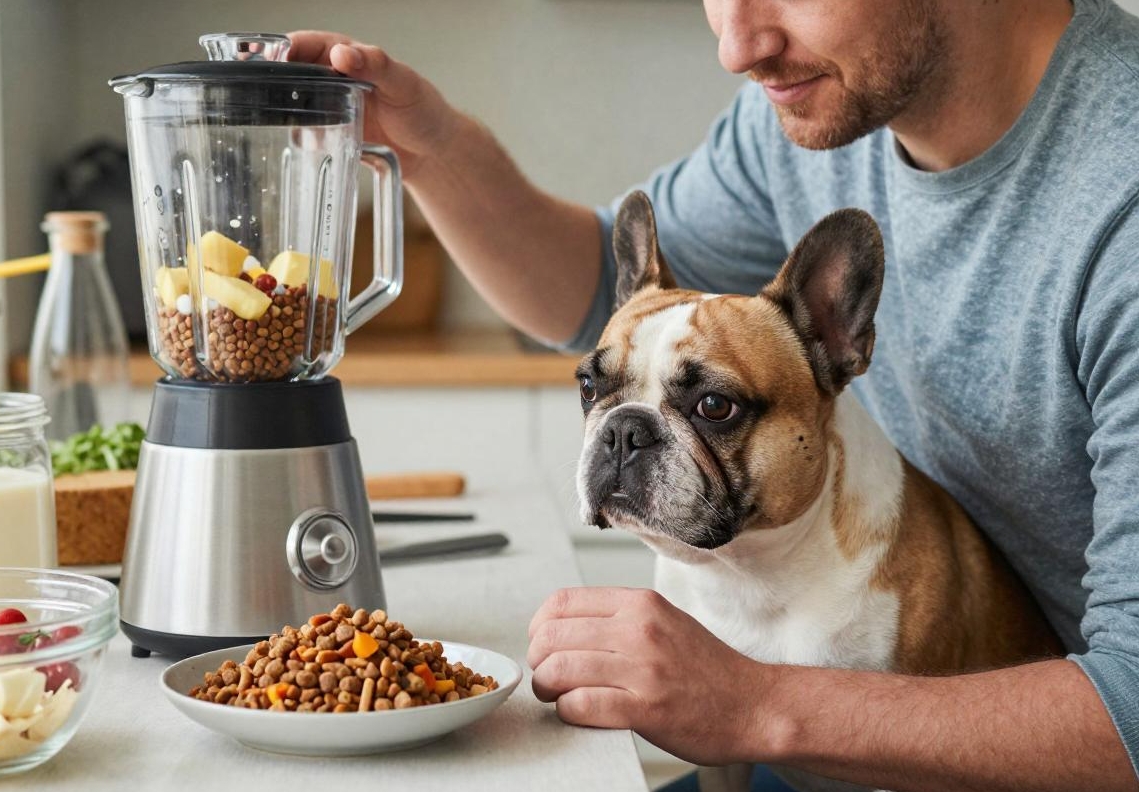
3. Modify Food Texture (Vet Approval Required): Consult your veterinarian first before softening dry kibble with warm water or unsalted broth to add volume and encourage extra chewing. Alternatively, mix large chewable vegetable chunks (steamed broccoli, carrot cubes) into kibble to physically slow swallowing speed.
Mistake Avoidance Guide: Never Make These Common Training Errors
1. Expect Instant Results: Do not anticipate full improvement after just one day of slow feeder use or waiting training. Behavioral shifts require 1–2 weeks of consistent reinforcement. If your dog grows frustrated and refuses the slow feeder, revert to earlier transitional steps and entice them with higher-value treats.
2. Exercise or Large Water Intake Right After Meals: This is a top trigger for vomiting. Ensure your dog rests quietly for a minimum of 30–45 minutes post-meal, and limit heavy water consumption immediately after eating.
3. Poor-Quality Slow Feeder Bowls: Avoid cheap plastic designs, which harbor bacteria and risk being chewed into swallowable fragments. Silicone or ceramic slow feeders offer superior safety and hygiene.
4. Ignore Underlying Medical Conditions: If vomiting persists frequently (especially projectile regurgitation), undigested food is thrown up for over 24 hours, or your dog shows lethargy, abdominal pain (praying stretch posture), halt all at-home adjustments and schedule an urgent vet visit. These symptoms may signal esophageal damage, intestinal blockage, pancreatitis, or other severe illnesses.
Summary
Correcting rapid eating in French Bulldogs demands equal parts care and patience as a comprehensive long-term adjustment. It is not as simple as swapping out a food bowl—combining slow feeding enrichment tools with the 3-stage behavioral training addresses issues across environment, daily routine, and canine psychology, teaching your furry companion to enjoy meals slowly and safely. Remember: our goal is never to strip the joy of eating from them, but to protect that joy for years of healthy mealtimes ahead. Witnessing a former food-gobbling French Bulldog chew gently, let out content little burps instead of vomiting after meals, brings immense satisfaction to both pet owners and veterinary professionals alike.
Friendly Reminder
The methods shared in this article apply to most French Bulldogs with vomiting triggered purely by fast-eating behavioral habits. Every dog is a unique individual, however. If vomiting fails to ease or worsens after adjusting feeding routines, accompanied by complete appetite loss, bloated tight abdomen, weakness, pale gums, or blood in vomit — any of these emergency warning signs mean you must contact your veterinarian instantly or rush to the nearest 24-hour animal emergency clinic