Hello everyone. I am a veterinarian with over ten years of clinical experience and also a pet parent to several senior French bulldogs. At the clinic and in daily consultations, I have seen countless owners feeling helpless and heart‑broken watching their ageing dogs struggle while eating. Especially for brachycephalic breeds like French bulldogs, chewing function often declines earlier and more noticeably as they grow old. Today I would like to talk about this topic and share practical tips to help your old companion enjoy mealtimes again.
From Enthusiastic Eater to Struggling Diner: Feeding Challenges for Senior French Bulldogs
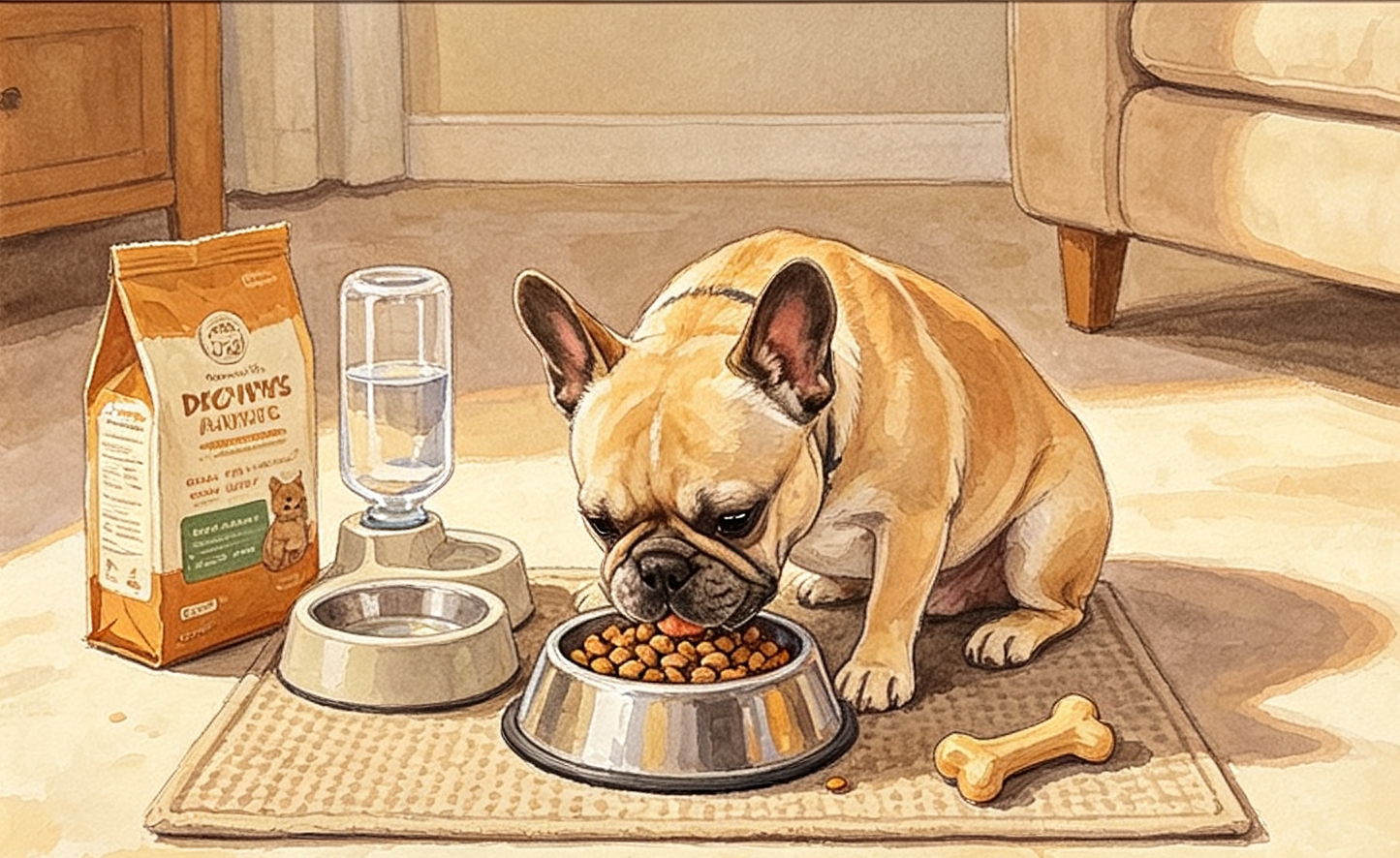
I recall one long‑term patient, Niu Niu, a ten‑year‑old French bulldog. His owner, Sister Wang, came to me anxiously one day. Niu Niu had begun eating extremely slowly. His former hearty appetite vanished; he would sniff his favourite kibble and walk away. Sometimes he would suddenly shake his head and spit food out of his mouth. Physical examination revealed several loose teeth, severe gum recession, and stiffness in the temporomandibular joint caused by long‑term one‑sided chewing. This was not picky eating — it was a warning sign from an ageing, diseased digestive‑oral system. Cases like Niu Niu are very common among senior French bulldogs. Unable to verbalise pain and discomfort, they communicate distress through changed behaviour. Chewing has become a difficult chore for them.
Why Do Senior French Bulldogs Easily Develop Chewing Difficulties?
To solve the problem, we first need to understand its root causes. Degraded chewing capacity in French bulldogs arises from multiple overlapping factors:
1. Congenital anatomical traits: French bulldogs are brachycephalic dogs with compact facial skeletons and naturally crowded dentition. This inborn condition traps food debris more easily, accelerating plaque and tartar build‑up far faster than many other breeds and raising high risk for periodontal disease.
2. Progression of periodontal disease: Most senior dogs without professional dental care develop periodontal disease of varying severity. Gingivitis, tartar, loose teeth, exposed tooth roots and abscesses produce persistent pain and discourage forceful chewing.
3. Age‑related muscle and joint degeneration: Chewing requires coordinated work of temporomandibular joints and masticatory muscles. With advancing age, joints degenerate and muscle mass atrophies, reducing strength and motor coordination.
4. Systemic disease impacts: Common senior‑dog conditions including kidney disease and oral tumours may directly or indirectly suppress appetite and create chewing difficulties.
Therefore, when you notice abnormal eating behaviour, your very first step should be a comprehensive oral and general‑health veterinary examination to rule out treatable medical conditions. Once functional age‑related decline is confirmed, we can tailor meals through dietary adjustments.
Kitchen‑Tested: Three Core Soft‑Food Formulas for Senior French Bulldogs
The following methods are safety‑validated approaches I recommend both for my own senior dogs and for clients like Sister Wang. Core principles: high nutrient density, soft texture, palatable flavour and easy digestibility.
Recipe 1: Basic Meat‑Vegetable Porridge — Gentle Transition Option
Ideal for dogs starting a dietary transition. This was the first formula I trialled for Niu Niu.
Practical notes from experience: I chose chicken breast for its low fat, high‑quality protein and easy shredding. On my first attempt I failed to mince vegetables (broccoli and carrots) finely enough, so Niu Niu picked out vegetable chunks. I learned that all ingredients must be puréed or chopped into tiny particles.
Step‑by‑step instructions:
1. Rinse chicken breast, place in cold water and boil, skimming surface foam. Remove, tear into fine shreds and mince thoroughly with a knife.
2. Wash broccoli and carrots, cut into small pieces, steam until fork‑tender, then mash with a spoon or food processor into smooth purée.
3. Cook small amounts of high‑quality rice or millet into a thick, well‑softened porridge.
4. Combine minced meat, vegetable purée and warm porridge in an approximate ratio of 2:1:2 and stir thoroughly. Serve lukewarm, never hot.
5. Critical step: Mix in appropriate pet‑specific calcium powder and multi‑vitamin supplement powder according to your dog’s body weight (dosage must be confirmed with your vet) to compensate for minerals and trace elements potentially missing from homemade meals.
This smooth, uniform porridge requires almost no chewing; dogs can lap it up with their tongue. Serve as a complete staple meal or blend with soaked senior‑dog kibble for gradual transition.
Recipe 2: High‑Energy Nutrient Meat Cakes — For Picky Eaters and Extra Calorie Needs
Works exceptionally well for poor appetite or increased energy requirements such as post‑surgical recovery. These tasty “cakes” strongly stimulate appetite.
Lesson learned: Once I added oats for extra carbohydrates, yet the steamed texture turned coarse. Switching to pumpkin or peeled potato as binding and carbohydrate sources yielded far better results.
Step‑by‑step instructions:
1. Primary protein source: Select one meat such as lean beef, duck or skin‑beneficial salmon; steam or boil and process into fine paste.
2. Binder and carbohydrate source: Steam pumpkin or peeled potato and mash into very smooth purée. Their natural sweetness appeals to most dogs.
3. Mix: Combine meat paste, pumpkin/potato purée, one egg yolk (supports coat health), small quantity of oat flour or goat‑milk powder. Stir vigorously in one direction until a thick sticky batter forms.
4. Steam: Lightly coat container interior with olive oil, pour in batter and press flat. Cover with pierced plastic wrap or lid; steam over medium heat for 20‑25 minutes. Cooked through when a inserted chopstick comes out clean.
5. Cool and portion: Once fully cooled, cut into bite‑sized cubes. Prepare larger batches, store portions in airtight containers: refrigerate for 2‑3 days or freeze for up to two weeks. Thaw and warm thoroughly to lukewarm before feeding.
Moist, soft and aromatic, these meat cakes are a powerful tool to boost senior‑dog interest in food.
Recipe 3: Convenient Super‑Food Purée — For Severe Chewing Impairment
Pureed or semi‑liquid food is mandatory for dogs with heavy tooth loss or recovering from oral surgery. This recipe relies on simple kitchen appliances.
Practical workflow: I use a compact hand‑held immersion blender, much handier than large counter‑top processors. I prepare bulk batches of base purée and freeze portions.
Step‑by‑step instructions:
1. Ingredient prep: Select multiple high‑quality protein sources (e.g. chicken liver + chicken heart + chicken breast; liver should not exceed 5 % of total volume) plus multi‑coloured vegetables such as spinach, red cabbage and carrots. Cook all ingredients fully.
2. Blend into purée: Place cooked ingredients in a vessel, add some skimmed meat‑cooking broth or plain water, and blend thoroughly until completely smooth and lump‑free. Adjust consistency; medium thickness similar to baby food works best.
3. Nutrient boost: Stir in fish oil (coat‑supporting and anti‑inflammatory) and pet‑specific supplement powder. For emaciated dogs, add small amounts of veterinary‑prescribed high‑energy paste following veterinarian guidance.
4. Feeding method: Serve with a spoon. If the dog refuses, load into a clean large‑bore syringe without a needle and slowly administer through the side of the mouth between teeth to allow gentle swallowing.
This formula minimises feeding discomfort and ensures comprehensive nutrition during the most difficult periods.
Pitfall‑Avoidance Guide: Four Common Mistakes With Homemade Soft Food
Great affection may lead to unintended errors from knowledge gaps. Avoid these pitfalls:
1. Ignoring calcium‑phosphorus ratios and trace minerals: Meat‑only diets are a major risk! Long‑term feeding of plain meat causes severe calcium deficiency and excess phosphorus, triggering metabolic disorders including osteoporosis. Always add professional nutritional supplements.
2. Misusing human‑style seasonings: Onions, garlic, grapes and chocolate are toxic to dogs. Salt, sugar and soy sauce place extra strain on kidneys and metabolism. Keep homemade meals unseasoned.
3. Inadequate texture processing: “Soft food” is not simply large chunks boiled tender. Any texture requiring tearing or crushing by teeth burdens compromised dentition. Target food that can be processed by gums and tongue alone.
4. Neglecting oral care: Soft food sticks more readily to tooth surfaces. Even with poor dentition, gently wipe gums and remaining teeth using pet‑specific finger brushes or soft cloths, and use pet‑formulated mouthwash to maintain oral hygiene.
Summary: Love in Details, Care in Every Meal
Preparing soft food for senior French bulldogs may seem tedious, yet it represents a heartfelt bond shared during their later years. Adjusting food texture relieves physical suffering and communicates: “Even as you grow old, I will keep caring for you.” Every carefully prepared meal, from warm meat‑vegetable porridge to fragrant nutrient‑dense meat cakes, carries irreplaceable love and responsibility.
Important Reminder
The guidance shared applies to senior dogs with chewing decline caused by normal ageing. If your dog shows any of the following signs, immediately stop self‑directed dietary changes and seek veterinary care without delay:
1. Complete refusal of food and water lasting over 24 hours.
2. Abnormal oral lumps, unstoppable bleeding or foul‑smelling purulent discharge.
3. Sudden yelping while eating or extreme resistance to mouth handling.
4. Systemic symptoms including lethargy, vomiting, diarrhoea or rapid weight loss.
Professional veterinary diagnosis is the primary and most critical safeguard for your dog’s wellbeing. With scientific knowledge and sincere affection, let us protect our long‑loved companions so they can enjoy a comfortable, peaceful and dignified old age.