Hello everyone, I’m your trusted pet health specialist. Over the past decade caring for countless furry companions and their owners, I’ve witnessed numerous health issues stemming from neglected water intake habits. Today I want to talk with all French Bulldog parents about a seemingly simple yet extremely vital topic — proper scientific hydration.
A Frequently Overlooked Problem: Why Does My French Bulldog Refuse Drinking Water?
I hear the same worries from many French Bulldog owners: “Doc, my pup Niu Niu never touches the water bowl and barely drinks anything all day long. Is this normal?” Even more heartbreaking are cases like: “He suddenly started peeing blood, and tests show bladder stones. We take such good care of him!” It always saddens me to hear this, because most urinary tract problems — especially dehydration and bladder stones — originate from poor daily drinking routines. Thanks to their unique physical traits (flat muzzles, heavy panting, relatively low activity levels) and metabolic makeup, French Bulldogs are a high-risk breed for dehydration and urinary calculi. Unlike highly active dog breeds that feel thirsty readily, they rarely seek out water voluntarily, yet their bodies still demand sufficient moisture. Inadequate water intake concentrates urine, allowing mineral crystals to form and eventually harden into stones. Long-term mild dehydration also impairs kidney function, skin health and overall immune resistance.
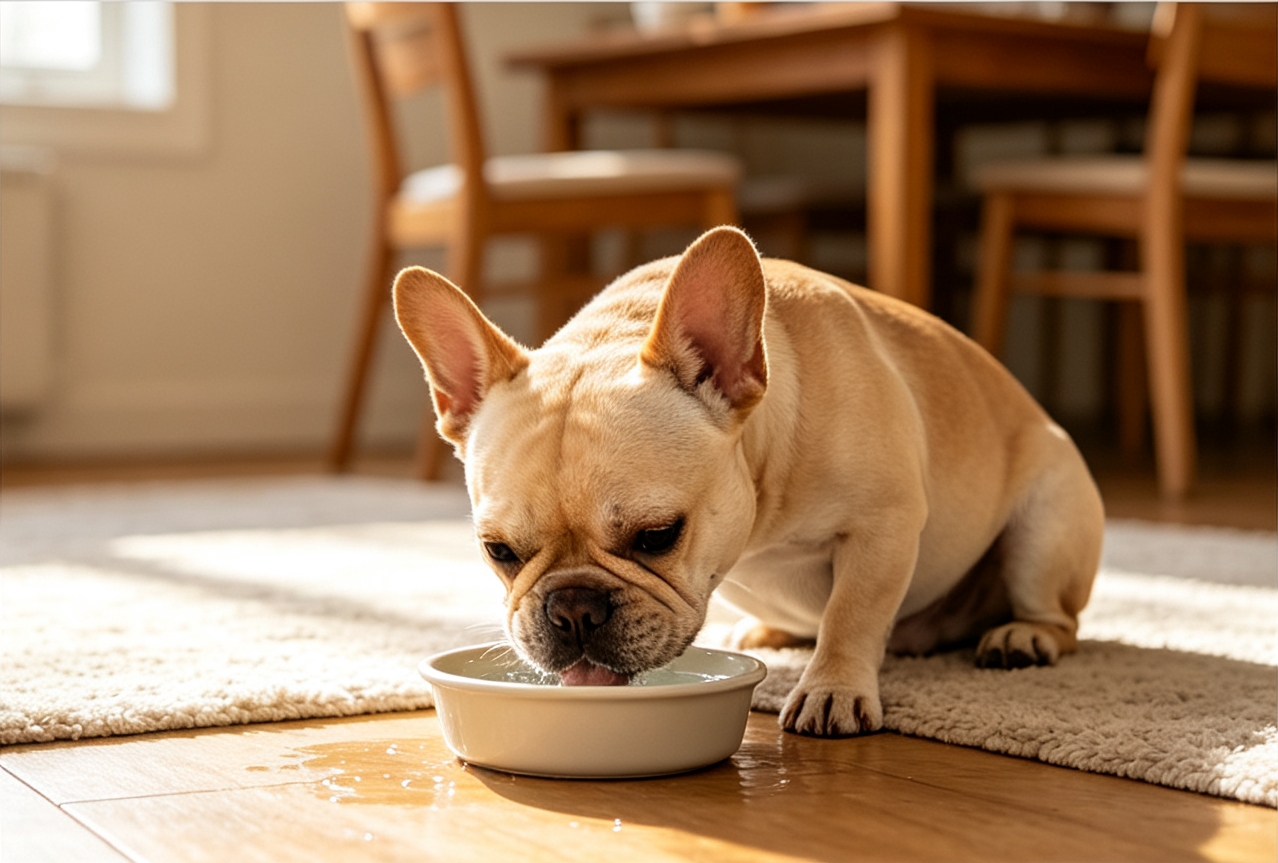
Root Cause Analysis: The Science Behind French Bulldogs’ Poor Hydration Habits
To fix the issue, we first need to understand its causes. Low water consumption in French Bulldogs is not just picky drinking or bad behavior — it results from multiple overlapping factors:
1. Physical Brachycephalic Limitations: French Bulldogs are flat-faced brachycephalic dogs with short nasal passages and airways. Drinking from deep bowls feels awkward and uncomfortable, and they may even choke, creating a mental aversion to drinking.
2. Unique Exercise & Metabolism Traits: French Bulldogs lack stamina, tire easily and overheat quickly. Panting is their primary cooling mechanism, so they lose far more moisture through respiration than most owners realize. Post-workout thirst is often masked by panting exhaustion.
3. Dietary Composition Impact: A diet consisting solely of dry kibble provides barely any dietary moisture without extra drinking water, which directly causes persistently concentrated urine.
4. Environment & Water Bowl Factors: Water bowl placement (quiet, easily accessible spots), daily water freshness, bowl material and depth all impact their willingness to drink. Stainless steel and ceramic bowls outperform plastic ones, while wide, shallow dishes work best for flat-faced breeds.
Vet-Approved Solutions: 3-Step Routine to Encourage French Bulldogs to Drink More Water
From years of clinical observations and hands-on practice with thousands of owners, I’ve developed a reliable 3-step hydration strategy. This method focuses on gentle encouragement and convenient access, rather than force-feeding water.
Solution 1: Master the Scientific Formula to Calculate Daily Water Targets
First, owners need to know exactly how much water counts as adequate intake. A simple, practical formula is: Minimum Daily Water Requirement (ml) = Dog’s Body Weight (kg) × 40 ~ 60. For average-energy adult French Bulldogs, use the middle value of 50. For example, a 10kg French Bulldog needs at least 10 × 50 = 500 ml of total fluid per day, including all moisture from food and drinking water.
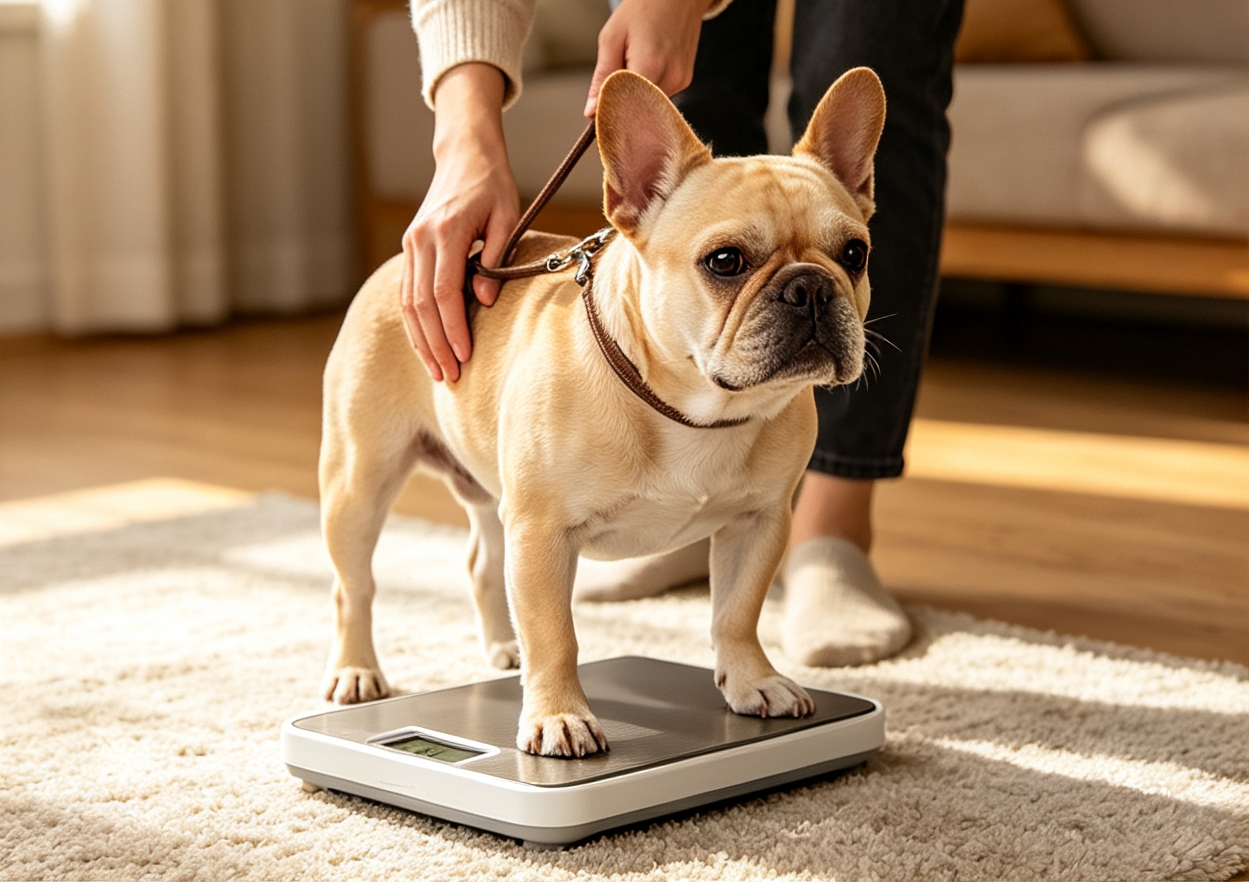
Dry kibble only contains roughly 10% moisture, so calculate food-derived water as (daily kibble weight in grams × 10%). The remaining fluid deficit must be covered by drinking water. If your dog eats 200g dry kibble daily, they get only about 20ml moisture from food and need an extra 480ml of drinking water. I recommend owners use marked measuring jugs to refill water each day for clear, straightforward intake tracking.
Solution 2: Diversified Hydration Hacks to Make Drinking More Appealing
Plain fresh water sometimes fails to grab their attention. These simple moisture-boosting tricks are among my most effective recommendations:
1. Savory Broth Temptation Method: Boil plain chicken breast, beef or crucian carp (remove all bones completely) with zero seasonings — absolutely no salt or oil. Once cooled, mix the fragrant broth into regular drinking water starting at a 1:3 broth-to-water ratio. I treated a French Bulldog named Potato who completely refused water; after using this trick, his daily water intake nearly doubled within a week. Always make fresh broth the same day to avoid spoilage.
2. Wet Food / Rehydrated Freeze-Dried Meals: Integrate wet canned food, fresh pouches or rehydrated freeze-dried food into daily meals. These products hold over 70% moisture and are an excellent hydration source; you can mix them with dry kibble for balanced feeding.
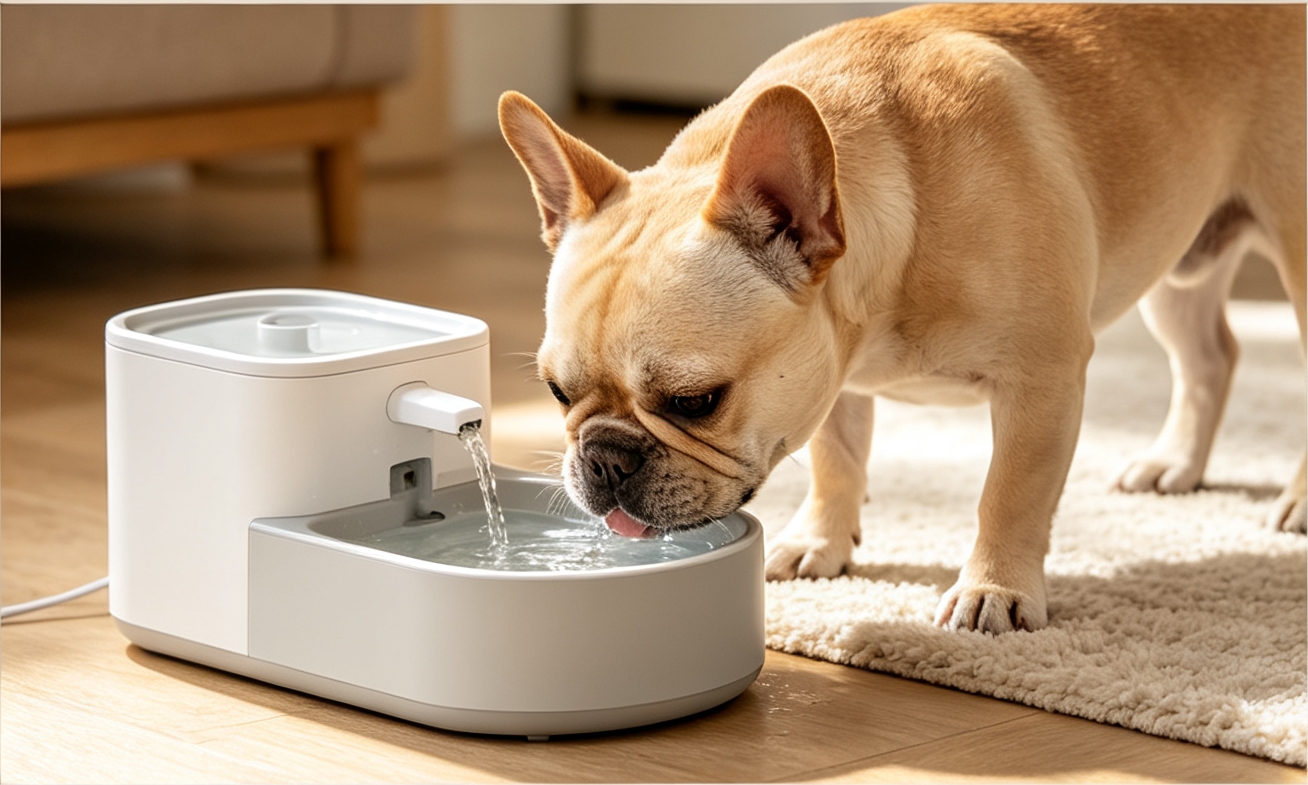
3. Flowing Water Fountain Attraction: Most dogs are drawn to running water. Pet drinking fountains are a fantastic investment. One client’s French Bulldog went from cautiously staring at the fountain to voluntarily drinking from it multiple times daily with remarkable improvements. Clean the fountain regularly to stop bacterial buildup.
Solution 3: Optimize Drinking Environment & Timing to Build Healthy Habits
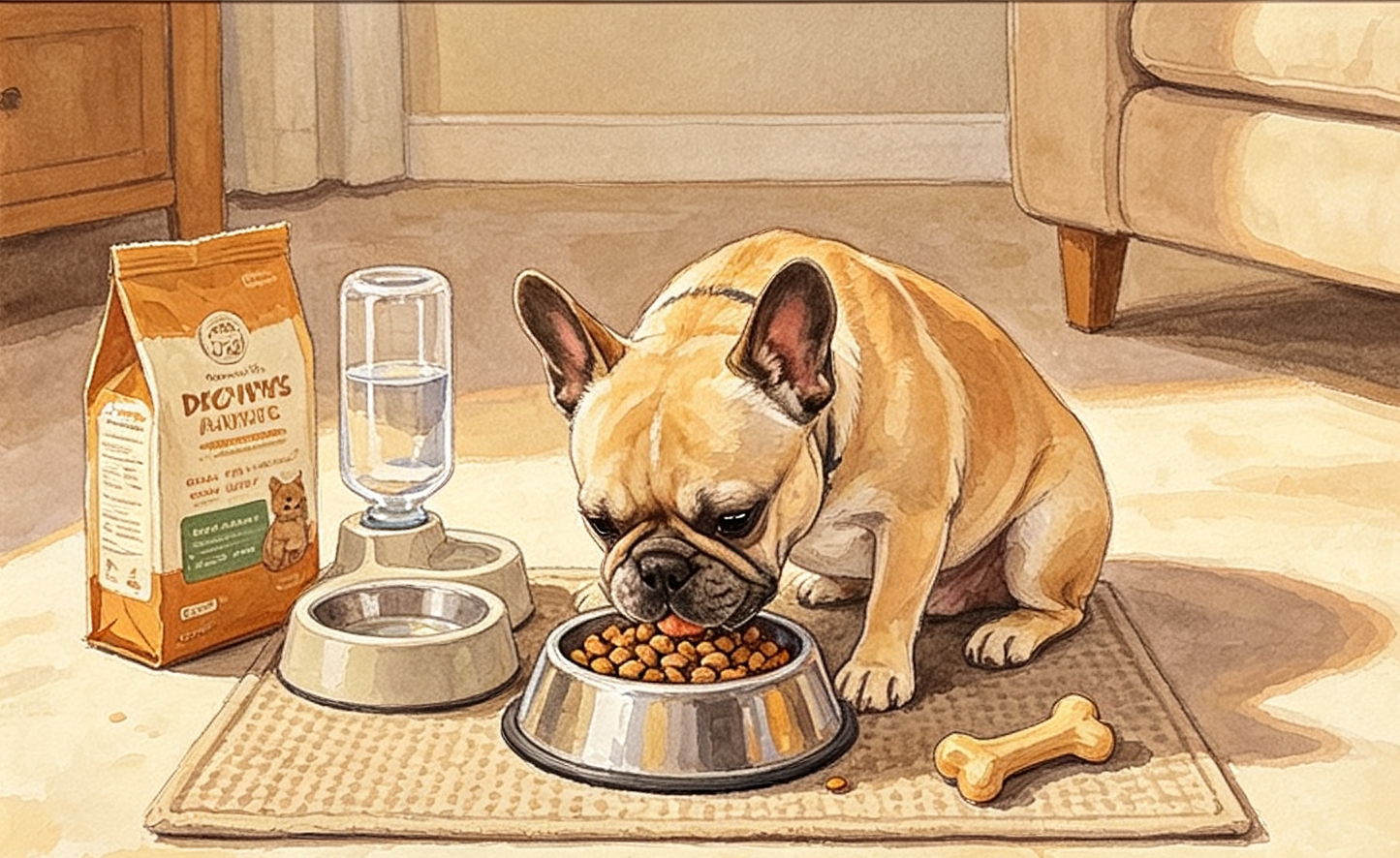
1. Ideal Bowls & Placement: Choose wide, shallow ceramic or stainless steel bowls to prevent uncomfortable whisker friction. Place 2–3 water stations around your home (living room corners, bedroom doorways, balcony resting areas) so clean water is always within sight and reach.
2. Targeted Hydration Windows: Actively guide your dog to their water bowl at three key times: right after waking up, after play or exercise, and post-meal. Softly call their name or tap the water surface to catch their attention. After workouts, offer small sips repeatedly — large gulps all at once trigger stomach upset or water intoxication.
3. Positive Reinforcement: Offer gentle verbal praise or light petting immediately when your dog drinks voluntarily. Never force their face into the bowl, as this creates negative associations with water.
Mistake Avoidance Guide: Common Misconceptions Every Owner Makes
Keep these critical pitfalls in mind during daily care:
1. Myth: Milk or fruit juice can replace plain water.
Fact: Milk causes lactose intolerance and diarrhea in most dogs; fruit juice has excessive sugar leading to long-term obesity and diabetes. Clean cooled boiled or filtered water is always the optimal hydration source.
2. Myth: Only give large amounts of water before and after walks.
Fact: Chugging massive volumes at once strains the digestive system and prevents even moisture absorption throughout the day. Stick to the “small amounts, frequent refills” rule.
3. Myth: Check mouth dryness to judge dehydration.
Fact: This is an unreliable indicator. The far more accurate skin turgor test works as follows: gently pinch the loose skin over your dog’s shoulder blades and release. Snappy instant retraction means proper hydration; slow retraction (over 2 seconds) signals dehydration requiring immediate extra fluids.
4. Myth: Extra water is only needed in summer.
Fact: Heating and air conditioning dry indoor air in winter, causing unseen moisture loss. Monitor daily water intake year-round consistently.
Summary: Turn Hydration Into a Daily Healthy Routine
Prevention always beats treatment. For French Bulldogs, consistent, scientific hydration forms the first line of defense for urinary tract health and balanced whole-body metabolism. No expensive supplements are required — only attentive observation and patient guidance from their owner. By setting measurable water targets, adding fun hydration incentives and refining your home drinking setup, integrate simple daily water intake into your pup’s regular health care ritual. When you notice pale, light yellow urine (instead of dark amber or orange), regular consistent urination and bright, energetic behavior, you’ll know your consistent care is laying a solid foundation for a long, healthy life.
Friendly Reminder
The tips and methods shared in this article apply to routine at-home wellness care and disease prevention. Immediately discontinue all self-care steps and schedule an urgent vet visit if your French Bulldog shows any of the following warning signs: complete refusal to drink water for over 24 hours, painful strained urination (repeated squatting with little to no urine output or only tiny drips), blood present in urine, extreme lethargy, sunken eye sockets, or sticky dry gums. These symptoms may signal severe dehydration, urinary blockages or other life-threatening acute illnesses requiring professional veterinary diagnosis and emergency treatment. Love your dog with science-backed care, and trust certified specialists during medical crises.