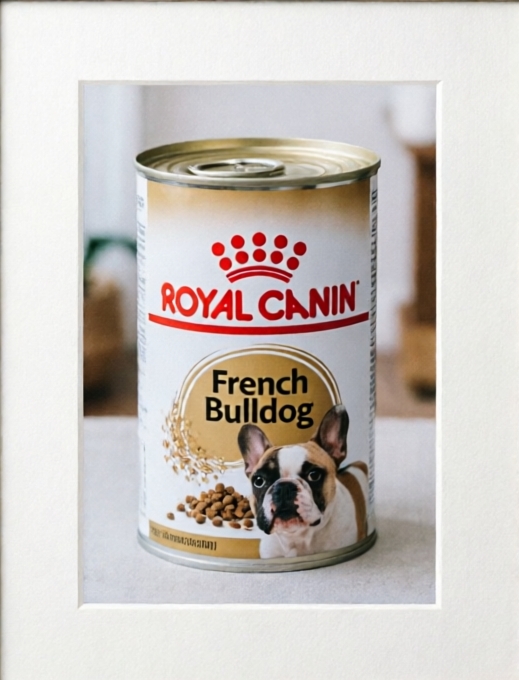
Dear French Bulldog owners, hello. Over the past decade, I have worked with countless lovely French Bulldogs and heard all kinds of worries from their guardians. The most frequent questions revolve around feeding: “Doc, my Frenchie constantly has loose stools even after switching several kibble brands. What should I do?” “My pup always has inflamed skin — could the dog food be the cause?” “He loves eating and gains weight easily; what food can I pick to manage his weight?” Seeing anxious owners and innocent little Frenchies, I fully understand that choosing the right staple food is far more than simply filling their bellies; it lays the foundation for their health. Today, as an experienced practitioner, I will share a set of “golden standards” to help you select the most suitable diet for your little French Bulldog.

Why Is It So Hard to Pick Suitable Food for French Bulldogs? Core Reasons Explained
Frenchies are not fussy eaters; they simply have unique physiological traits that create special nutritional demands. First, their iconic flat brachycephalic faces and relatively short digestive tracts make them prone to gulping meals and swallowing excess air, alongside lower digestive efficiency. This results in generally delicate, sensitive gastrointestinal systems. They often react badly to grains, high-fat ingredients or hard-to-digest protein sources, making loose stool and excessive flatulence very common.
Second, beneath their smooth short coat lies an exceptionally fragile skin barrier. Their abundant skin folds easily trap dirt and debris. In addition, their immune systems may overreact to common dietary components such as certain proteins found in beef and chicken, or grains like corn and wheat. This triggers allergic symptoms including itchy, inflamed skin and excess dander. Many owners mistake these issues for standalone skin diseases and repeatedly apply topical treatments that only deliver temporary relief, while the root cause lies within their diet.
Finally, French Bulldogs are naturally prone to weight gain. They possess sturdy bone structure and developed muscle mass yet have relatively low metabolic rates, paired with a huge enthusiasm for food. If fed high-calorie, high-carbohydrate food without careful selection, obesity will quickly follow. Extra weight puts greater strain on joints, worsens respiratory troubles (their airways are naturally short), and can even trigger metabolic illnesses such as diabetes. For this reason, choosing food for your Frenchie demands the same careful planning as designing balanced healthy meals for your family.
Three Golden Strategies to Select Dog Food for French Bulldogs
Strategy 1: Read Ingredient Lists Like an Investigator — Choose Formulas Friendly to Sensitive Stomachs
For Frenchies with delicate digestion, you need food that is highly digestible, hypoallergenic and gut-supportive. Keep these key points in mind:
1. Prioritize single animal protein sources: The first ingredient on the label must be clearly defined meat (fresh chicken, dehydrated duck, salmon, etc.), rather than vague terms such as “meat by-products” or “poultry meal”. For Frenchies with known sensitive digestion, starting with a single protein source (fish-only or duck-only formulas) greatly lowers allergy risks. I treated a French Bulldog named Potato who suffered from persistent loose stools and saw no improvement after trying multiple multi-protein kibbles. Later I advised his owner to switch to a diet with dehydrated duck listed as the first ingredient, using duck as the sole animal protein. Combined with a course of probiotics, his stools firmed up within one week.
2. Pay attention to carbohydrate sources: Avoid easily allergenic, hard-to-digest grains including corn, wheat and soy. Prefer root vegetables such as sweet potato and cassava, plus peas and chickpeas. These ingredients supply higher-quality fibre to stabilize blood sugar and support intestinal motility.
3. Look for beneficial additives: Formulas containing prebiotics (chicory root powder, mannan oligosaccharides / MOS), probiotics with verified strain codes (such as BC30), or natural digestive aids including pumpkin and yucca extract act as reliable supporters for your Frenchie’s gut.

Strategy 2: Supply Key Nutrients for Healthy Skin — Build Internal Defences
High-quality fat sources and targeted nutrients in kibble are critical to maintain your Frenchie’s skin health.
1. Select premium fat sources: Seek recipes rich in Omega-3 fatty acids such as marine fish oil (salmon oil) and flaxseed. Omega-3 delivers powerful anti-inflammatory effects and relieves itching and inflammation triggered by skin allergies from the inside out. In contrast, Omega-6 fatty acids (commonly found in poultry fat) are essential, yet excessive levels can worsen inflammation. High-quality dog food maintains balanced Omega-3 to Omega-6 ratios, ideally between 1:5 and 1:10.
2. Focus on “skin-support vitamins”: Vitamin A, Vitamin E, zinc and biotin are all vital nutrients to sustain healthy skin and glossy coats. Ensure these nutrients are clearly listed with sufficient levels in the guaranteed analysis. I once guided an owner whose Frenchie Niuniu regularly developed scattered red spots and excess dander. After switching to a kibble formulated with fish oil, zinc protein and Vitamin E, paired with consistent cleaning of skin folds, visible improvements appeared within roughly one month, and her coat became far shinier.
3. Continuously avoid known allergens: If food allergy is suspected, an elimination diet trial carried out under veterinary supervision is the most accurate diagnostic method. When picking commercial kibble, sticking to the single-protein, grain-free formulas outlined in Strategy 1 forms the first line of defence against skin disorders.

Strategy 3: Calculate Energy Intake Precisely — Manage Weight-Prone Physiques
Selecting suitable food and controlling portion sizes are essential to help your Frenchie maintain a lean, athletic body shape.
1. Choose “weight management” or “indoor dog” formulas: These recipes usually contain moderately reduced overall fat content, elevated premium protein levels and extra dietary fibre to enhance satiety. Checking the metabolizable energy (ME) value offers greater accuracy than simply reading calorie figures, as it indicates the actual usable energy your dog can absorb.
2. High protein, moderate-low fat, low carbohydrate: A rough nutritional target suitable for Frenchies maintaining body condition: minimum 28% protein (high-quality animal protein), fat ranging from 12%–16% (adjust based on daily activity), and minimal carbohydrates. Higher protein preserves muscle mass and boosts metabolism, helping them shed fat rather than lose muscle during weight management.
3. Strictly control feeding portions: Even the best food leads to weight gain when overfed. Always follow the feeding guidelines printed on the packaging, and accurately weigh daily rations based on your Frenchie’s age, activity level and body condition. You can perform regular body condition scoring: you should easily feel the ribs under a thin fat layer without seeing them protruding. Do not give in to those pleading puppy eyes! From personal experience, using a fixed measuring cup or kitchen scale and sticking to set mealtimes is far more scientific than grabbing handfuls casually.
Mistake Avoidance Guide: Common Food-Selection Errors You May Be Making
Mistake 1: Only judge by brand and price, ignoring ingredient labels. Reputable brands maintain quality control, yet different product lines vary dramatically. Higher price does not guarantee suitability for French Bulldogs. Learning to analyze ingredient lists is the most reliable approach.
Mistake 2: Blindly chase extremely high protein and high fat. For ordinary household Frenchies with limited activity, fat content exceeding 18% is a major driver of obesity. Complex protein blends with excessively high protein levels may raise allergy risks and place extra strain on kidney function.
Mistake 3: Frequently switch kibble brands. French Bulldog digestion requires stability. Allow a gradual transition period of at least 7–10 days when changing food (mix old and new kibble with slowly increasing proportions of the new diet). Never swap food abruptly.
Mistake 4: Over-rely on viral internet-famous dog food or exclusive raw meat feeding. Trending products often feature heavy marketing while lacking balanced nutrition. Raw meat diets sound appealing yet easily trigger imbalanced calcium-phosphorus ratios and vitamin deficiencies, and should only be followed under guidance from a professional animal nutritionist.
Summary
Selecting staple food for your French Bulldog requires patient, informed matching. You need to understand their unique physical challenges: sensitive digestion, allergy-prone skin and tendency toward excess weight. Analyze ingredient lists carefully to secure single premium protein sources and easily digestible carbohydrates; prioritise vital nutrients such as Omega-3 to nourish skin health internally; calculate energy requirements, choose appropriately balanced formulas and strictly regulate portion sizes. This creates a solid nutritional safety net for your beloved Frenchie. Remember: the perfect food is the one that produces firm stools, healthy skin, stable body weight and consistent liveliness in your individual dog.
Important Reminder
The advice and strategies shared in this article are based on common feeding scenarios and serve educational reference purposes only. Every French Bulldog is unique with distinct health conditions. Immediately stop self-guided feeding adjustments and take your pet to a licensed animal hospital for thorough veterinary examination if your Frenchie develops persistent severe diarrhoea, vomiting, bloody stool, widespread skin ulceration, abnormal weight loss or gain, or persistent lethargy. Medical assessments including food allergy testing and comprehensive check-ups deliver the most reliable guidance. Do not delay necessary treatment.