Hello everyone, nice to connect again. Over years working in veterinary clinics and dog training facilities, I meet French Bulldog owners struggling with the exact same issue almost every single day — overwhelming bad breath that makes you step back. I fully understand that frustration: you get excited to snuggle your adorable Frenchie, only to be turned away by an unpleasant odor. This is far more than just an awkward smell; it serves as a warning sign that your dog’s health may be compromised. Today, we will dive deep into how you can reduce your French Bulldog’s bad breath at its source by adjusting their diet.
Why Does My French Bulldog Have Persistent Bad Breath?
Before rushing to find solutions, we need to act like detectives and trace where the odor originates. Bad breath in French Bulldogs rarely stems from one single factor; it is usually caused by multiple overlapping issues:
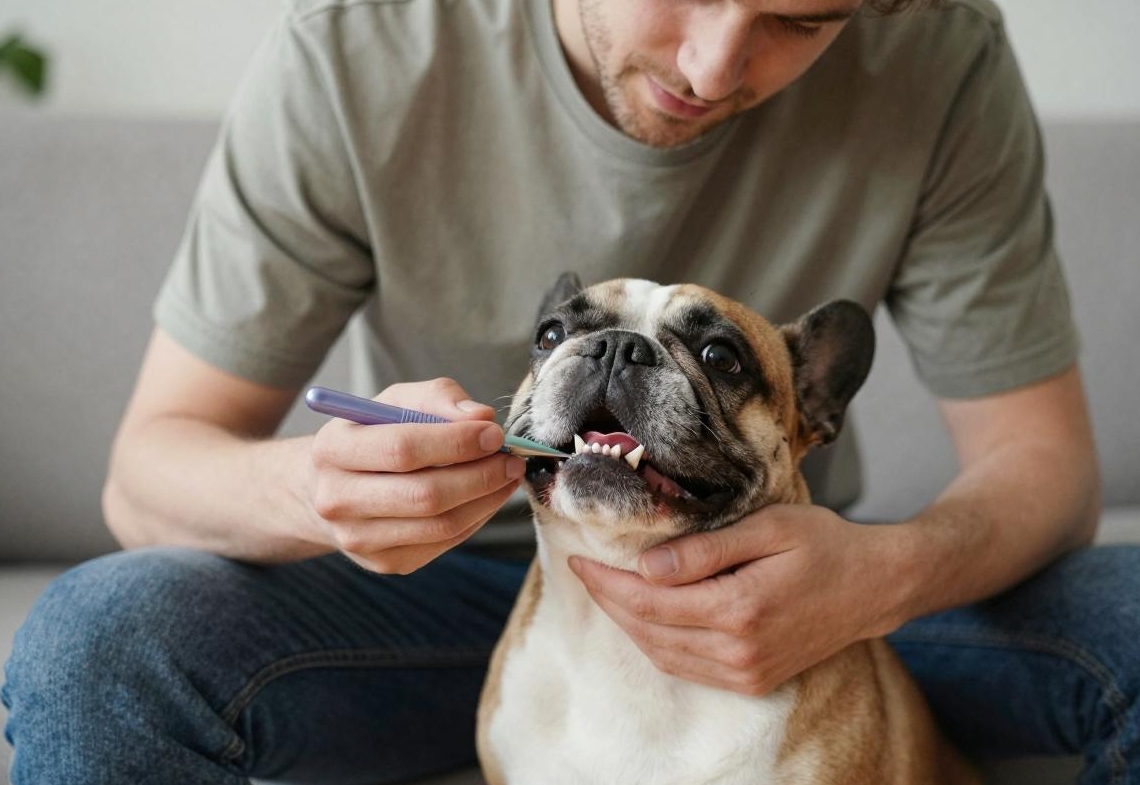
1. Oral Health Problems (The Most Direct Cause): This is the leading culprit behind most bad breath cases. French Bulldogs are brachycephalic breeds with crowded teeth. Food debris easily gets trapped between teeth and along the gumline. Without timely cleaning, these residues feed massive bacteria and form plaque. Over time, plaque hardens into tartar, which irritates gums and triggers gingivitis and periodontitis. The rotten, egg-like stench mainly comes from sulfur compounds produced by oral bacteria. I have treated many French Bulldogs only 2–3 years old with heavy yellow-brown tartar and inflamed gums, simply because their owners fed only soft food and skipped all oral care.
2. Digestive Issues (An Easily Overlooked Root Cause): French Bulldogs are famously known for sensitive stomachs. They are prone to food allergies, poor digestion and slow gastrointestinal transit. When food stays inside the digestive tract too long and ferments abnormally, gases such as ammonia, indole and skatole travel back up the esophagus, creating a sour, spoiled-food odor. This type of bad breath is often more noticeable when your dog is fasting or just waking up.
3. Dietary Composition (Fundamental Source of Odor): What you feed your dog directly sets the baseline for their breath smell. Low-quality kibble loaded with grains (especially allergy-triggering corn and wheat) and artificial additives is hard to digest. It can trigger inflammation and allergies, worsening oral and gastrointestinal troubles. In addition, frequent feeding of oily, salty, strongly scented human table scraps creates complex, unpleasant breath odor in dogs.
Once we understand these three causes, our improvement plan becomes clear: clean the mouth, optimize digestion, and refine daily diet. Below I share actionable, proven dietary strategies summarized from hundreds of my clinical cases.
Focus On Nutrition: 5 Tested Dietary Adjustment Strategies
Strategy 1: Upgrade Main Diet & Build Solid Health Foundations
Your dog’s staple food provides all core nutrition and energy. Choosing the right diet makes all the difference. I regularly recommend French Bulldog owners follow these guidelines:
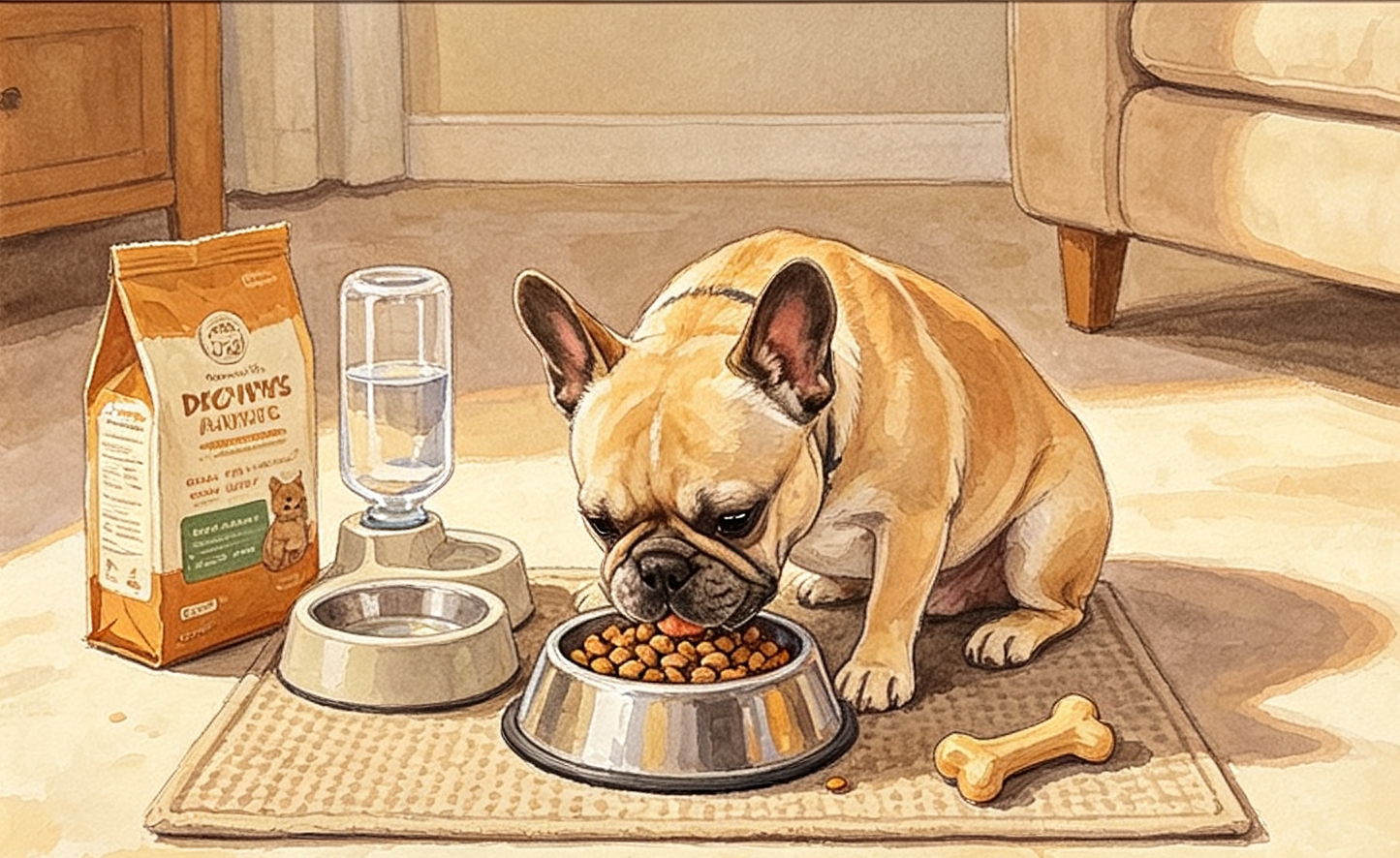
Select grain-free or hypoallergenic kibble built around high-quality animal protein. Premium meat sources such as chicken, duck and fish are easier for Frenchies to digest and absorb, lowering gastrointestinal stress. Avoid food containing allergy-prone grains like corn and wheat to significantly reduce skin and oral inflammation triggered by food sensitivities. I recall one client whose Frenchie suffered from severe bad breath alongside itchy skin. After switching from regular corn-and-wheat based kibble to a grain-free duck & sweet potato formula, the dog’s breath freshened noticeably within one month, itching calmed down greatly, and overall energy levels improved.
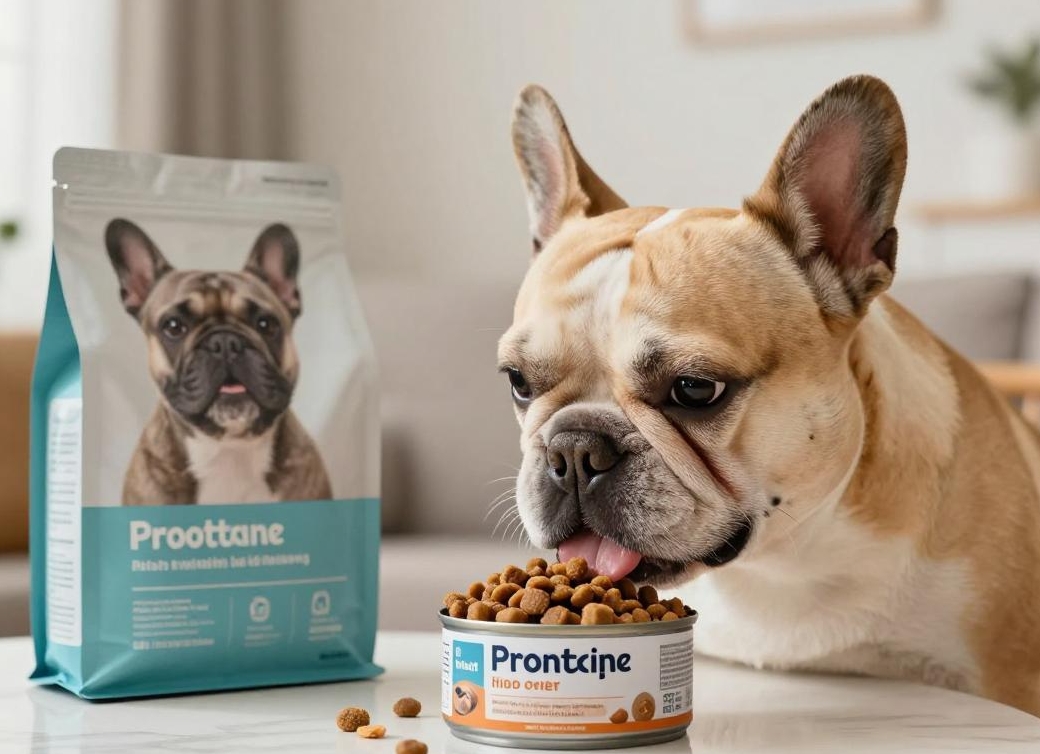
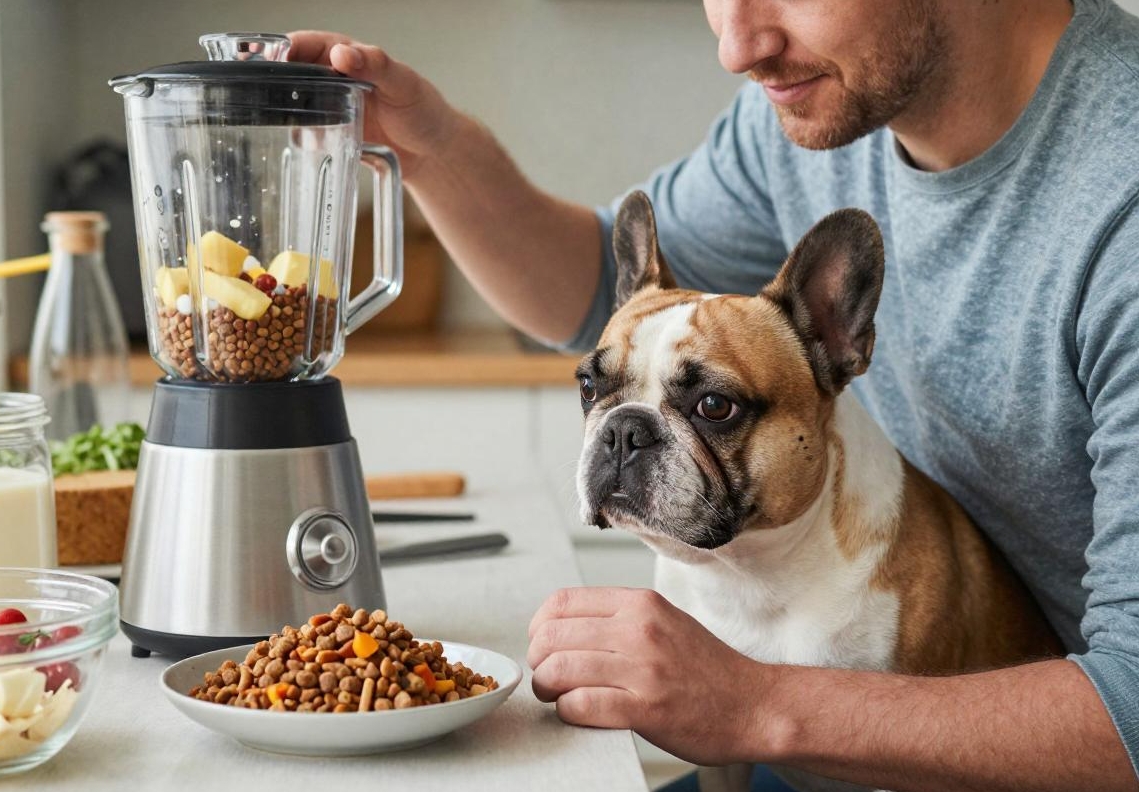
Moderately increase wet food or balanced fresh food portions. High-quality wet food or properly formulated homemade fresh meals (always consult a professional first) contain higher moisture content, supporting kidney and urinary health. Chewing also creates gentle friction that helps clean tooth surfaces. A critical reminder: homemade meals must be nutritionally balanced. They cannot simply be unseasoned leftovers from human meals.
Strategy 2: Use Natural “Toothbrushes” to Make Dental Care Enjoyable
Tooth brushing remains the most effective oral cleaning method, yet countless French Bulldogs strongly resist it. Natural dental alternatives work perfectly in these situations.
1. Dental Chews: Choose firm chews that require prolonged gnawing. Fibers rub against tooth surfaces during chewing and scrape away part of the plaque. Pick appropriately sized, naturally sourced products. Avoid low-quality starch sticks filled with artificial flavorings and colorants that crumble instantly. I usually recommend chews made mainly from rawhide, tendon or vegetable fiber.
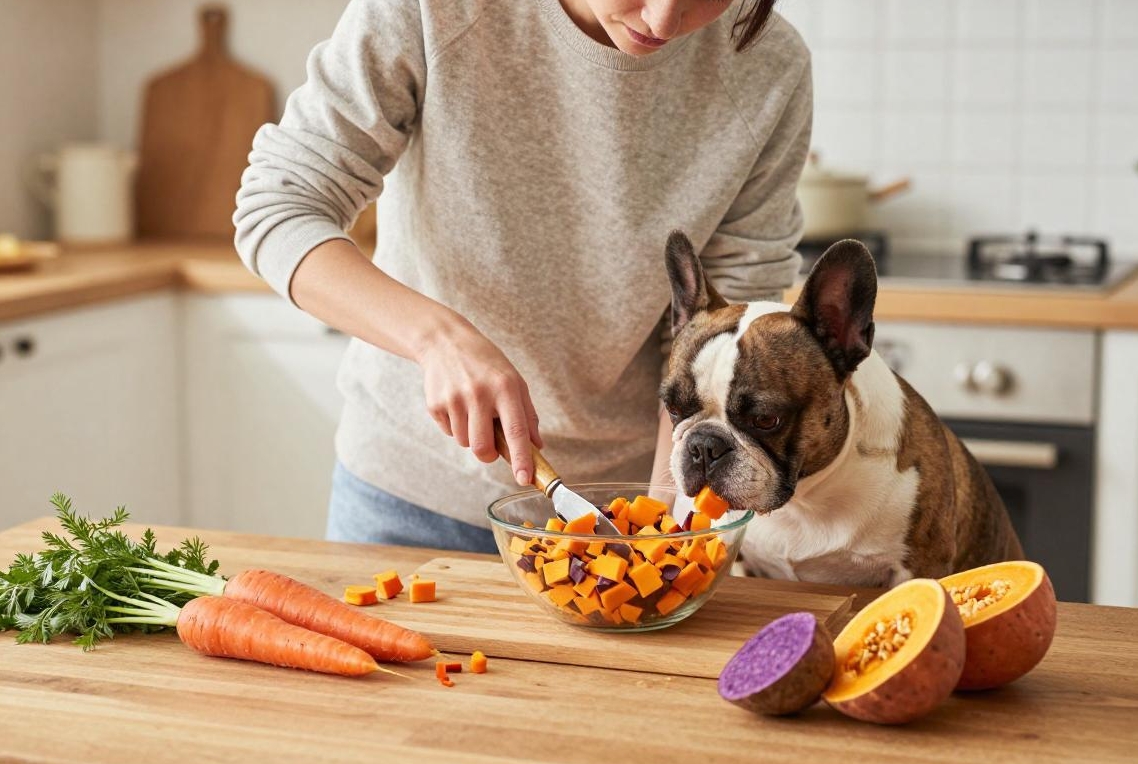
2. Fresh Vegetable Sticks: This is my favorite natural recommendation for pet parents. Cut carrots, seedless apple slices and cucumber into thick strips, chill them in the refrigerator and offer them as chews. These veggies are rich in water and fiber, clean teeth, supply vitamins and remain low in calories. They are ideal healthy treats for food-loving French Bulldogs prone to weight gain. My own Frenchie loves frozen carrot sticks; after chewing, I can feel how smooth their tooth surfaces become.
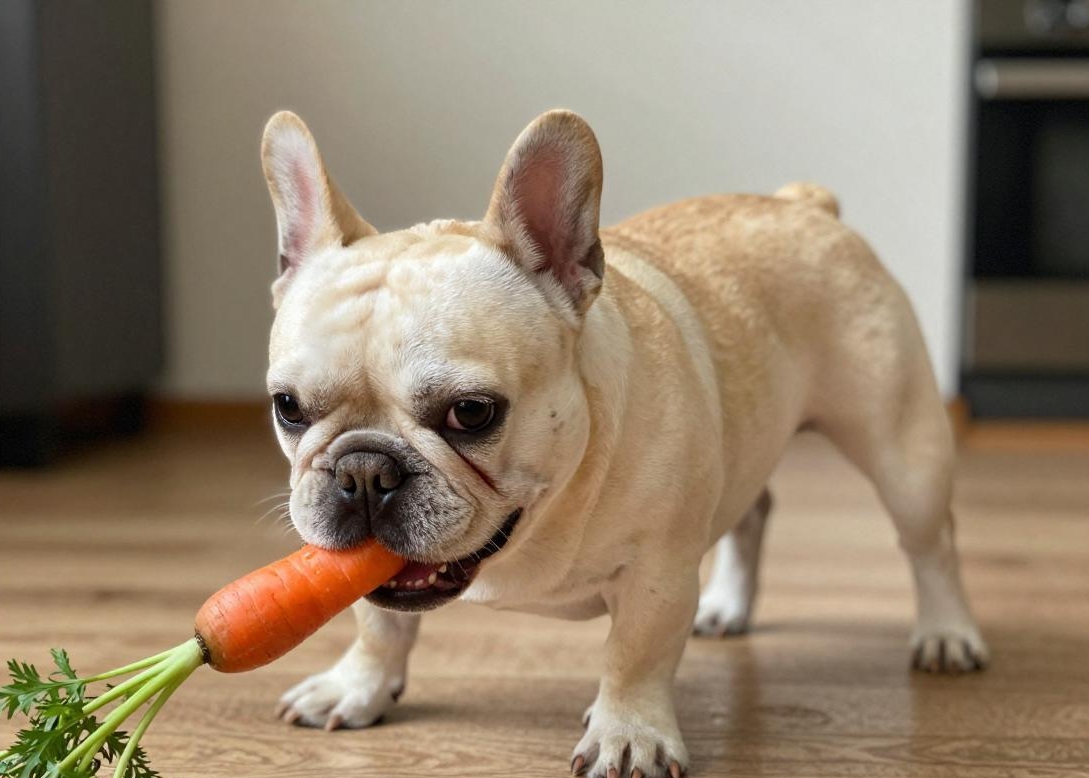
Real-World Experience: One client’s young French Bulldog panicked at any rubber toothbrush or pet toothpaste and ran away immediately. I advised the owner to stop forced brushing and feed chilled carrot strips after each meal. Meanwhile, let the dog lick chicken-flavored pet toothpaste from a finger to build positive associations. After two weeks, the dog no longer feared toothpaste. The owner then gently rubbed molars and canine teeth with gauze wrapped around their finger. Within one month, bad breath improved visibly, even if results were not as thorough as regular brushing. This also laid groundwork for future formal dental care.
Strategy 3: Optimize Drinking Water & Try Supportive Additives
Water sustains life and acts as a natural oral cleanser. Encouraging adequate water intake washes away loose food debris and bacteria.
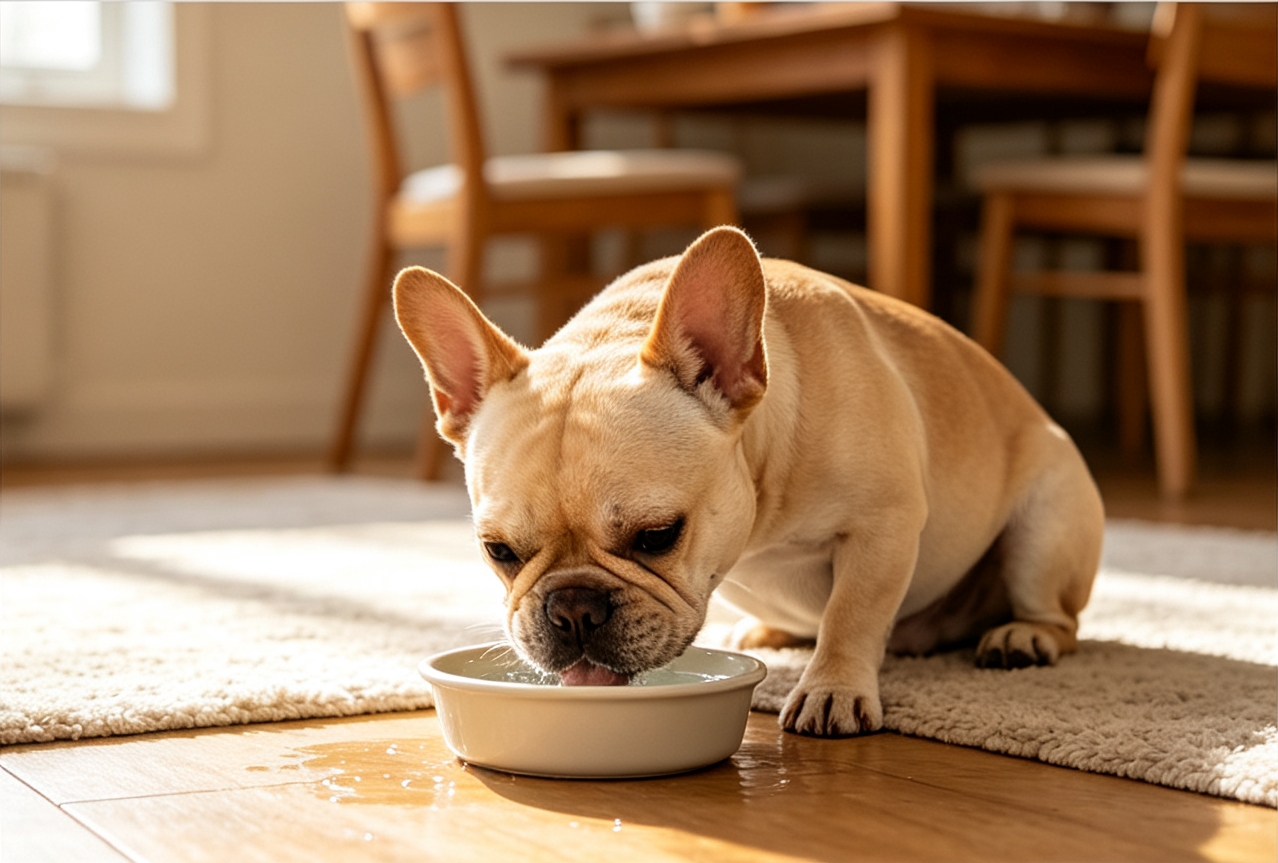
Supply constant fresh water: Replace drinking water 2–3 times daily and clean the water bowl regularly to stop bacterial buildup. Some French Bulldogs refuse still water; a flowing pet fountain often attracts them to drink more.
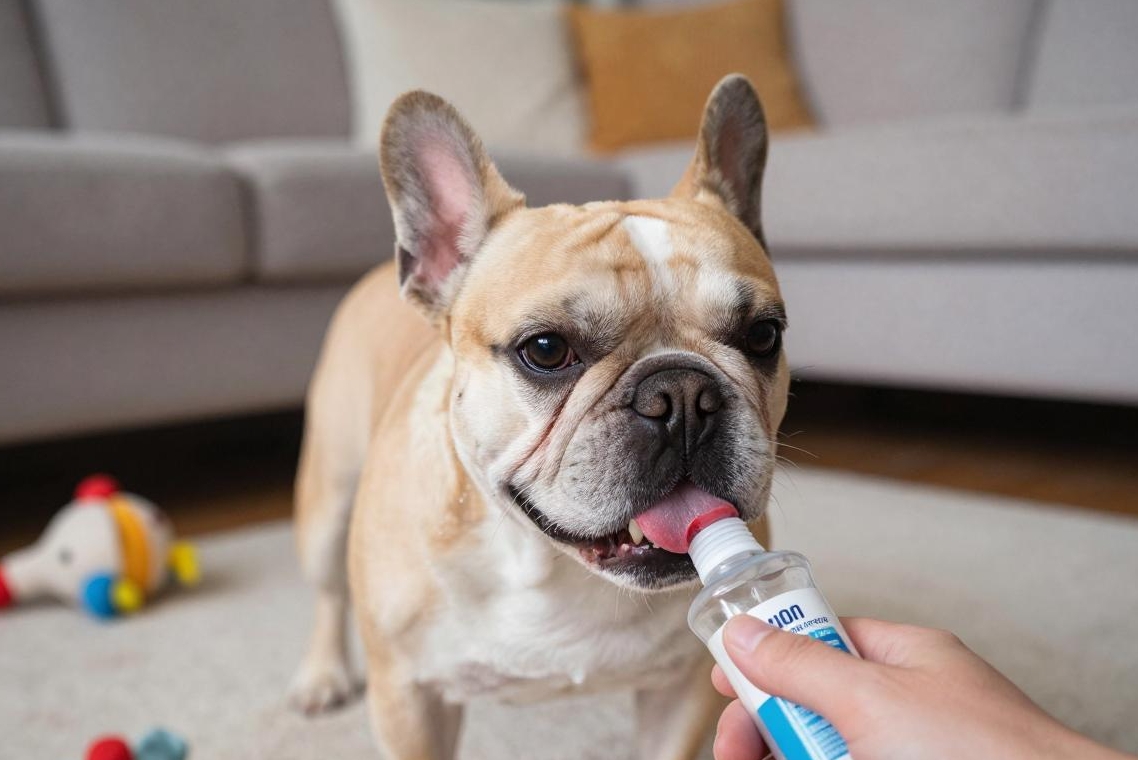
Pet-safe water additives (dog mouthwash): Add an extremely diluted amount of pet-specific oral rinse to drinking water (always strictly follow product dilution instructions). These formulas contain enzymes or natural extracts such as green tea and seaweed to balance oral bacteria. Important note: this is only supplementary support and cannot replace physical cleaning like chewing or brushing. Consult your vet before use if your Frenchie has a sensitive gut.
Strategy 4: Probiotic Supplements For Internal Gut Regulation
Probiotics deliver excellent results for bad breath caused by poor digestion and unbalanced gut flora.
Pet-specific probiotic powder can be mixed into kibble. Probiotics optimize intestinal environment, boost digestion and reduce smelly fermented gas production. They are especially helpful after antibiotic treatment, during food transitions, or when your dog suffers from loose stools or diarrhea. I recommend consistent supplementation for a full cycle (4–6 weeks) and observe changes in breath and stool quality. Many owners report their dog’s breath becomes far milder, while stool consistency and odor improve significantly with regular probiotic use.
Strategy 5: Natural Herbal “Breath Fresheners”
Certain herbs and vegetables naturally freshen breath and aid digestion, for example:
Fresh Parsley: Known as a natural breath freshener. Chop small amounts of fresh parsley finely and occasionally mix it into meals. Stick to tiny portions, as not all dogs enjoy its flavor.
Mint Leaves: Also effective for odor control, though slightly more stimulating than parsley. Test in very small quantities, or choose pet dental products formulated with mint.
These gentle, safe ingredients work great as minor daily dietary additions.
Mistakes To Avoid: These Habits Can Make Bad Breath Worse
Keep these common pitfalls in mind while improving your dog’s breath:
1. Relying purely on breath-freshening treats or liquid additives for permanent solutions: Many commercial treats and drops mask odor temporarily using strong artificial fragrances, similar to human chewing gum. They treat symptoms, not the root problem, and may contain unnecessary synthetic chemicals.
2. Feeding excessive soft food: A steady diet of wet canned food, soaked kibble or meat paste provides zero chewing friction, creating ideal conditions for plaque and tartar formation. Always combine soft meals with crunchy kibble or chew treats.
3. Using human toothpaste: Fluoride, foaming agents and other ingredients in human toothpaste are toxic to dogs if swallowed. Always use toothpaste formulated exclusively for pets.
4. Skipping routine professional veterinary dental checks: No amount of home care fully replaces professional dental examinations. Just like humans need routine dental cleanings, dogs require anesthetic scaling to remove tartar when buildup occurs. This is the ultimate defense against severe periodontal disease.
Summary
Fighting bad breath in French Bulldogs is a long-term journey requiring patience and consistency. The core approach is internal + external care. Build health foundations with high-quality, digestible staple food; perform daily physical cleaning using natural dental chews and toys; maintain healthy water intake and gut balance to reduce odor sources from within. Remember, there is no instant miracle cure. Only consistent scientific diet management and daily care will give your beloved Frenchie fresh breath and better long-term health.
Important Reminder
The dietary adjustments shared in this article target routine maintenance and mild bad breath improvement. Immediately stop self-guided home care and visit your veterinarian if your French Bulldog shows any of the following signs:
1. Sudden, overwhelming foul breath, or unusual odors such as rotting flesh or fruity, rotten apple scent.
2. Excessive drooling, swollen bleeding gums, loose teeth, reduced appetite or difficulty swallowing.
3. Zero improvement — or worsening odor — after dietary changes and enhanced oral care.
4. Lethargy, vomiting, diarrhea or other signs of general discomfort.
These symptoms may signal serious oral illnesses (advanced periodontitis, oral tumors), diabetes, kidney disease and other systemic disorders requiring professional diagnosis and treatment. Show your love by providing scientific, timely care for your dog.