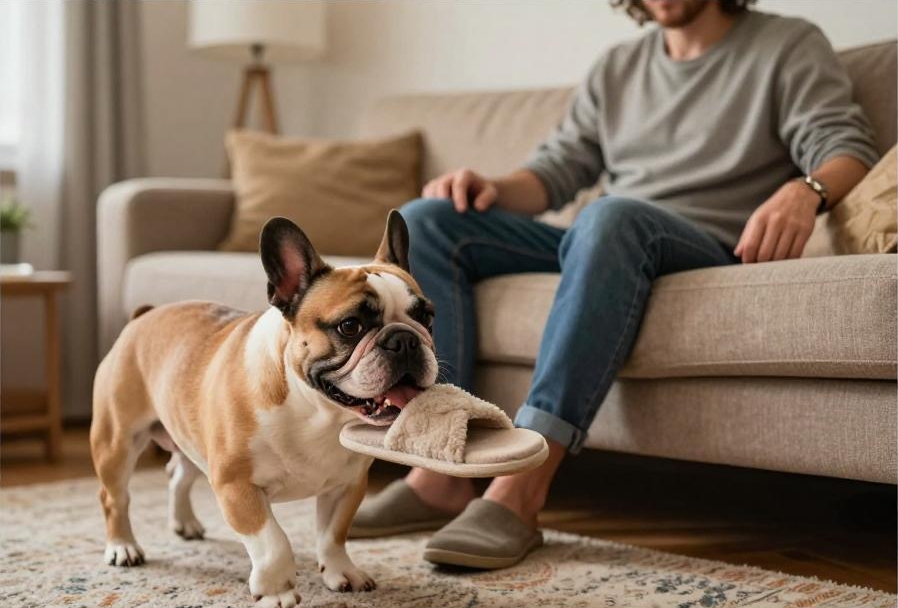
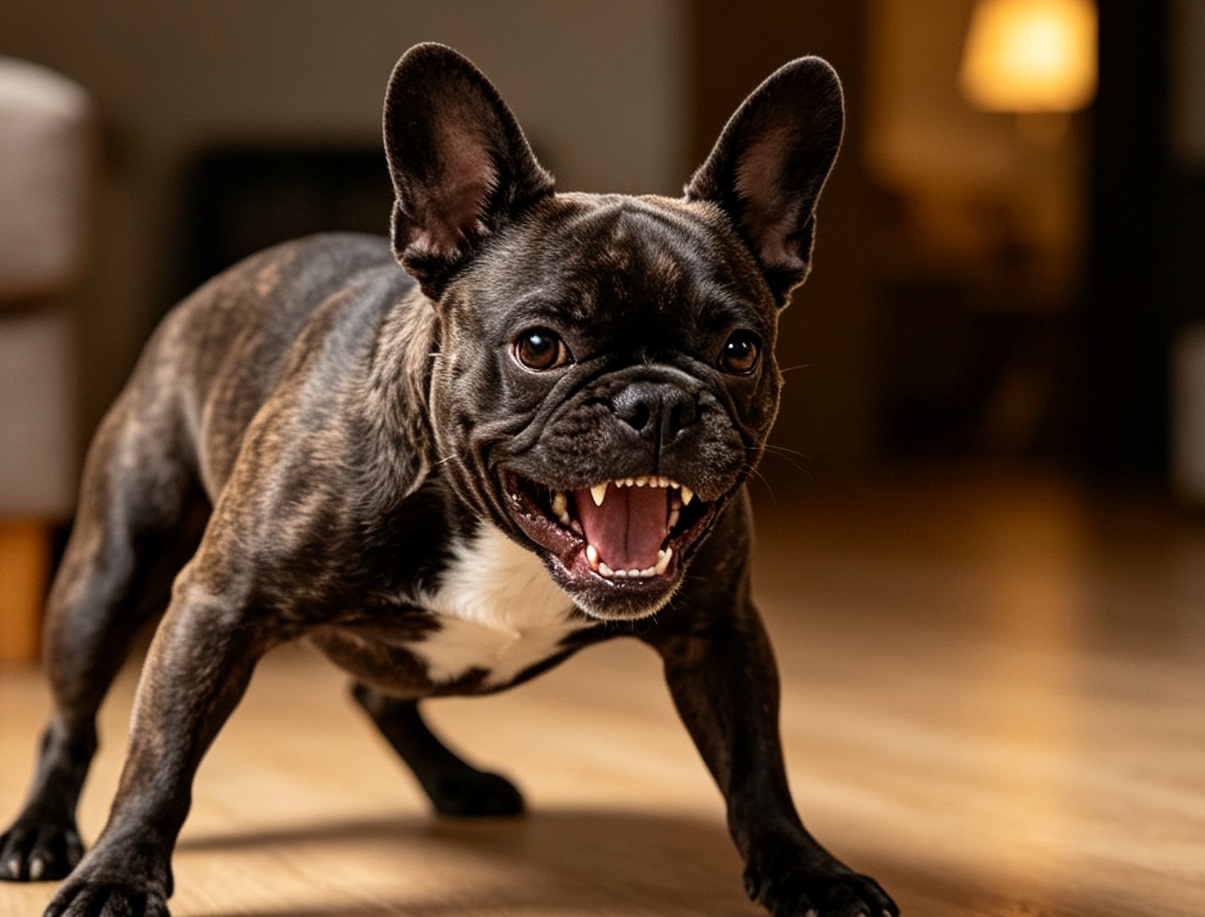
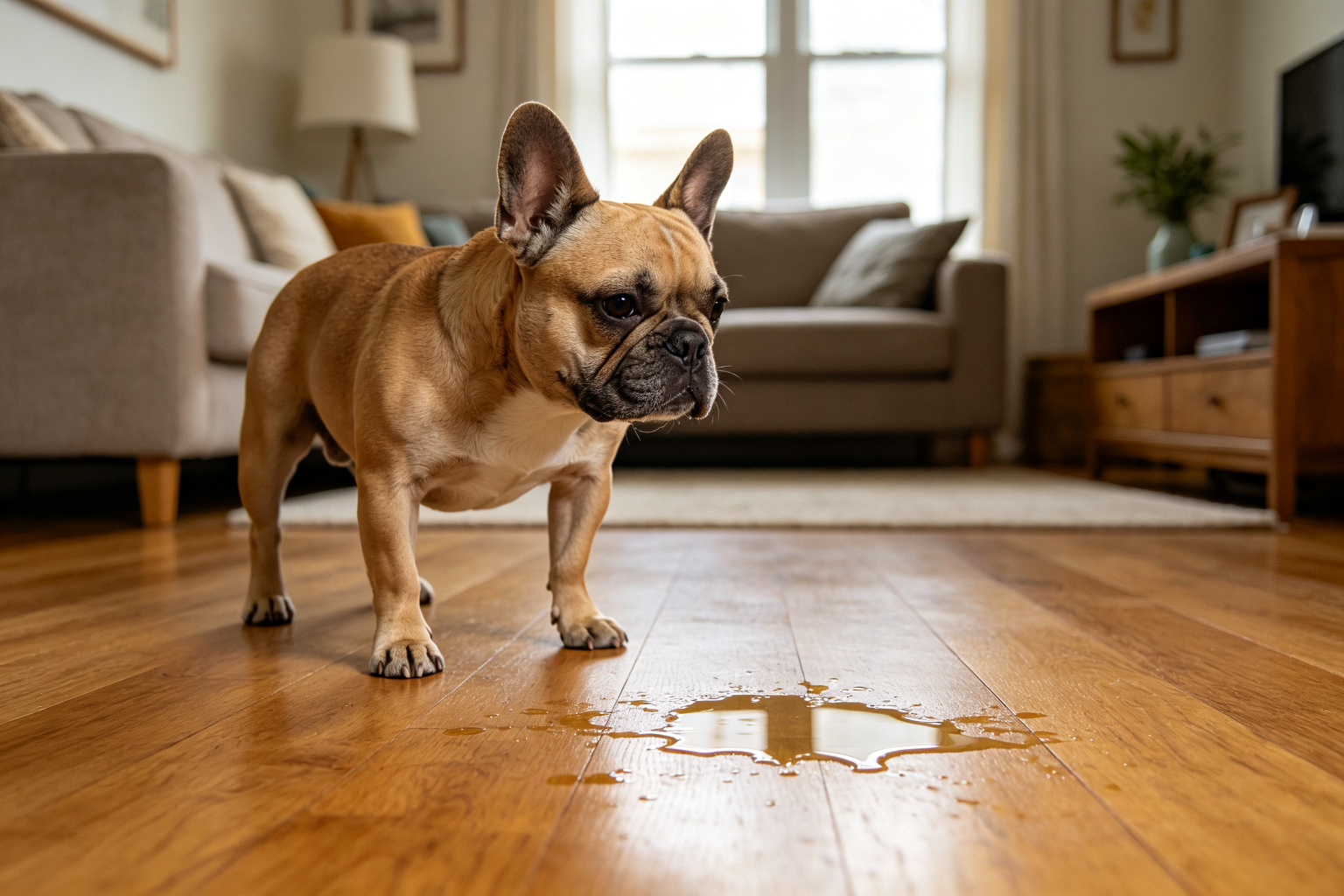
Dear French Bulldog owners, hello everyone. Over years of clinical work and dog training, I have witnessed countless distressing cases: lively, lovely French Bulldogs are rushed to animal hospitals for emergency treatment after accidentally ingesting rat poison, rotten food or deliberately discarded toxic bait while out walking. Every time I see anxious, regretful owners and suffering dogs, I fully understand how critical it is to popularize leave-it training. This is far more than just a training exercise — it forms a solid safety barrier to protect their lives.
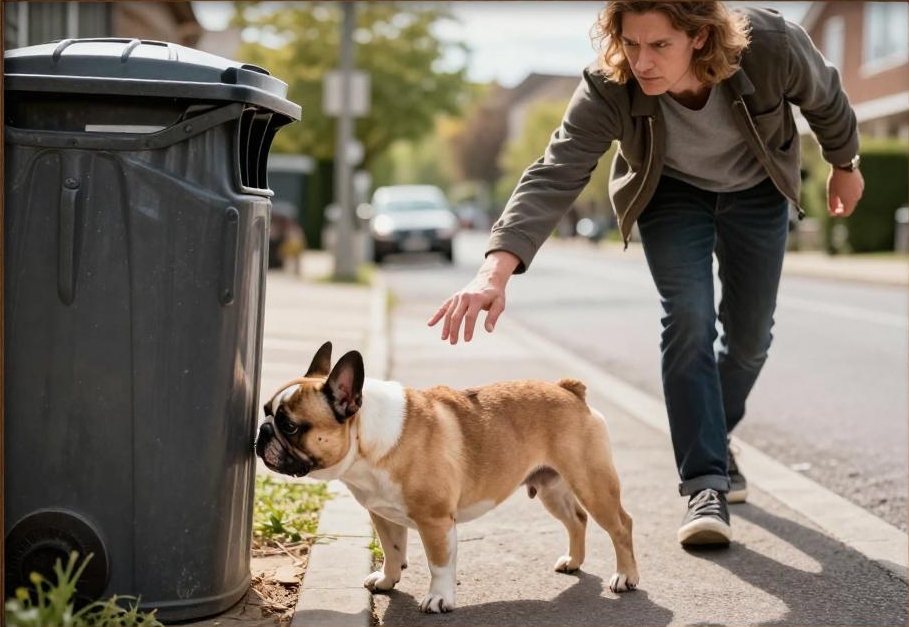
Why Does Your Frenchie Act Like a Vacuum Cleaner?
Before starting training, we need to understand what drives this behaviour. French Bulldogs are highly curious, and tasting new things is one of their main ways to explore the world. Deeper contributing factors usually include the following points:
1. Genetics & Instinct: For all canines, foraging and chewing are innate drives. Outdoors, various scents hold powerful attraction for them.
2. Excess Energy & Boredom: Although French Bulldogs are medium-small dogs, they have plenty of stamina. Without sufficient daily physical exercise and mental stimulation, they will amuse themselves by constant sniffing and scavenging.
3. Poor Feeding Management: Irregular meal times, monotonous food or unbalanced nutrition may encourage dogs to seek extra nutrition or satisfy cravings from external sources.
4. Past Rewarded Experience: Once a dog successfully scavenges something strongly flavoured (such as barbecue skewers or decaying food) without being stopped promptly, the behaviour becomes reinforced. They learn that “whatever I pick up is a win”.
Once you understand these factors, you will realise that simple shouting or scolding only treats symptoms, not causes. It may even trigger fear and secret scavenging, making matters worse. We need a systematic, positive reinforcement approach to reshape their behaviour.
3-Step Fast-Track Leave-It Training (Field-Proven Effective)
This method combines behavioural science principles with my years of experience correcting scavenging in hundreds of dogs. The core goals are building conditioned responses and distraction and redirection. Stay patient and progress gradually.
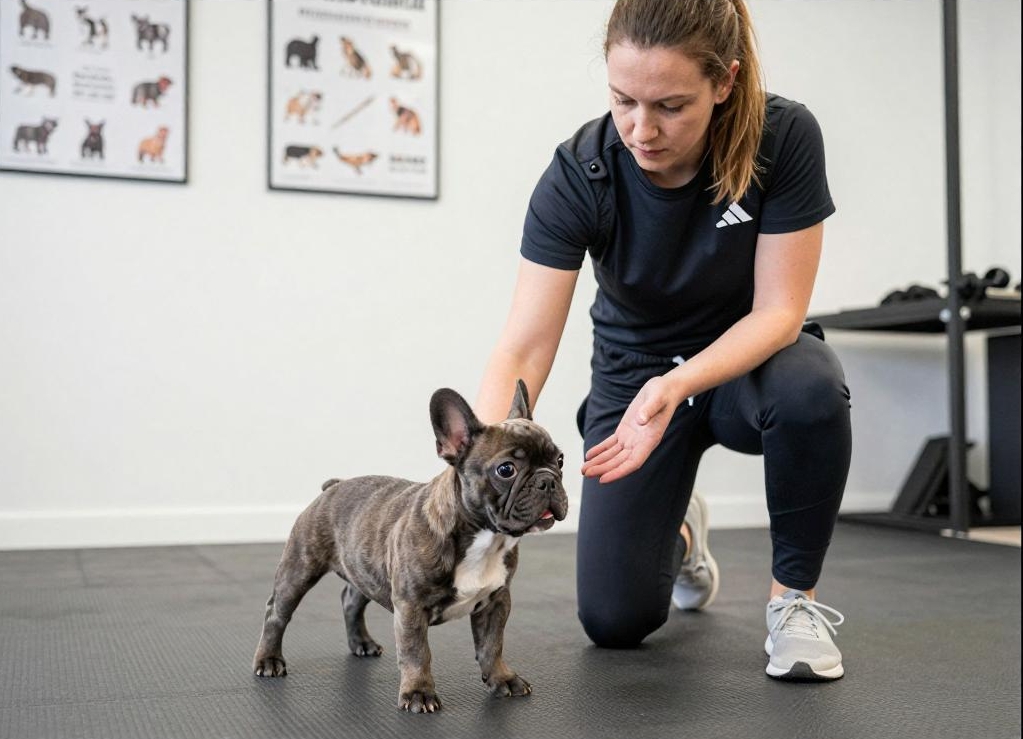
Step 1: Build Basic Obedience & Focus (Indoor Foundation Lessons)
The objective is teaching your dog that watching you and listening to you is more interesting than anything lying on the ground.
Real Training Experience: I once trained a French Bulldog named Potato who could not resist any food. Early in training, I could not drop a single kibble in front of him without him darting over to eat it. My solution was to start in the quietest, least distracting environment possible.
Practical Steps:
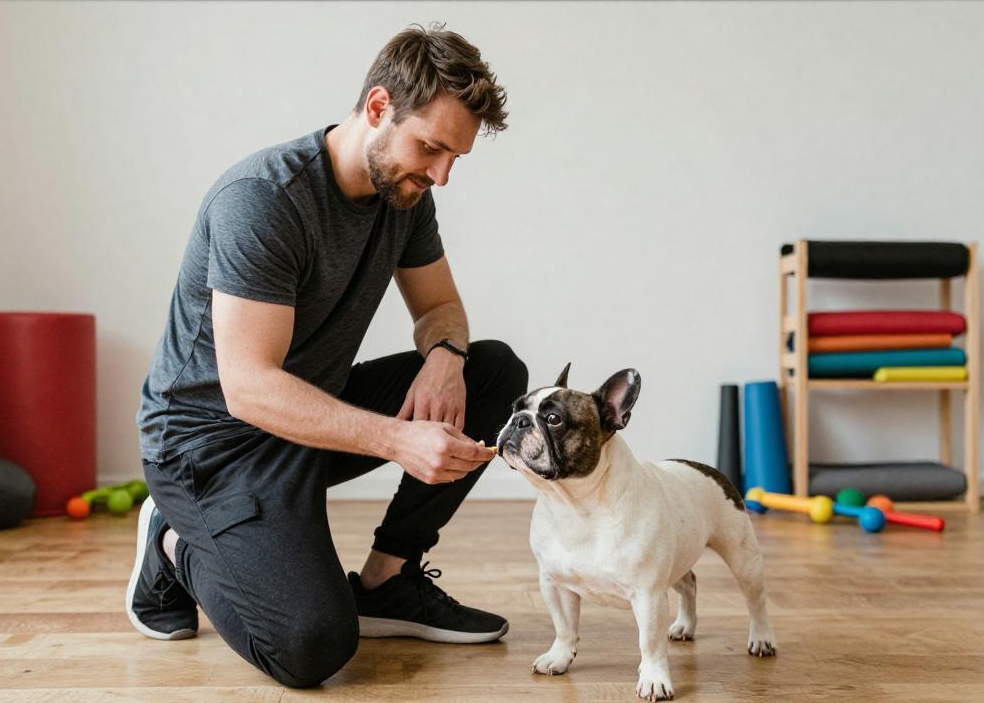
1. “Watch Me” Training: Hold a high-value treat between your eyebrows. When the dog looks toward the treat and makes eye contact with you, cheerfully say “Good!” and reward immediately. Repeat until your dog quickly shifts gaze up from the floor to your face when you give the “Watch me” cue.
2. Strengthen “Drop It” and “Leave It” Cues: Let the dog sniff or gently chew a toy, then hold an extra tasty treat near its nose. When it releases the toy to sniff the reward, say “Drop it” and reward instantly. Progress gradually to placing the toy on the ground. Block access with your body or foot as it tries to grab it, and give the “Leave It” command. Reward immediately if it pauses or steps back. This life-saving cue is essential for outdoor safety.
Step 2: Simulate Real-World Distractions (Indoor Advanced Lessons)
Once your dog masters basic cues, raise difficulty and recreate outdoor scenarios.
Real Training Experience: For Potato, I deliberately placed tempting “forbidden items” on the living room floor: tissues with food residue and empty treat bags. As expected, he grew excited and rushed toward them. I stood nearby ahead of time, and firmly yet calmly said “Leave It!” the moment he was about to touch the object. Thanks to prior training, he would turn to look at me roughly half the time. I then praised him with extreme enthusiasm and rewarded him with ultra-high-value treats such as small cheese cubes. If he ignored the cue, I gently blocked the item with my foot, guided him away, repeated a quick “Watch Me” drill, and rewarded him once he succeeded.
Practical Steps:
1. Set up “scavenging traps”: Gradually increase temptation levels starting with dog toys and moving up to highly appealing items such as towel rolls soaked in meat broth.
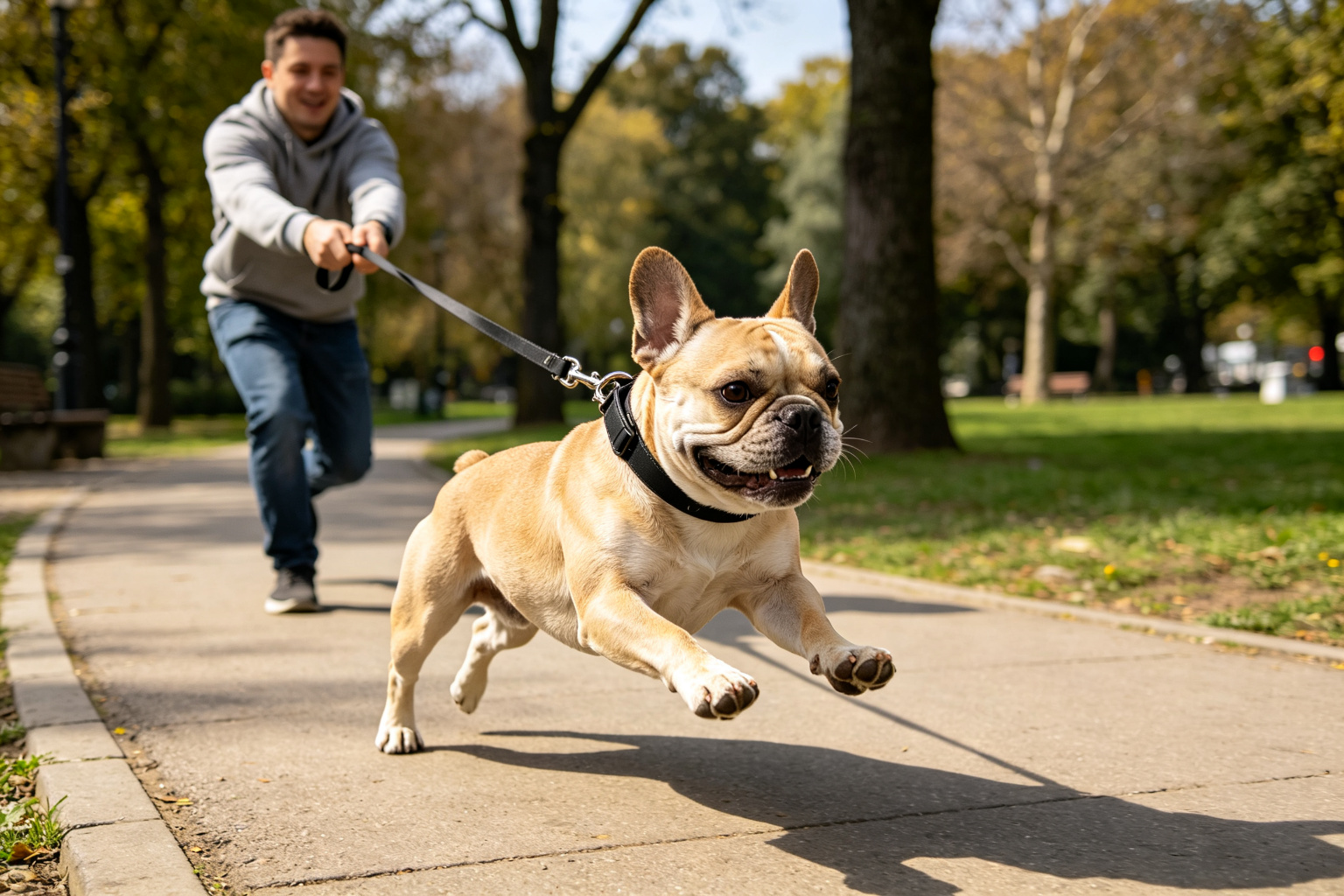
2. Leash training: Attach the leash and walk your dog past the traps. Lightly lift the leash (do not yank hard) and give your command as soon as its attention is captured, guiding it to look at you. Deliver a reward party — multiple small treats plus affection — after it avoids the temptation successfully.
3. Add distractions: Ask family members to walk nearby or play soft background noise.
Step 3: Outdoor Field Practice & Generalization (Graduation Assessment)
This is the most vital stage: transfer indoor training achievements to the unpredictable real world.
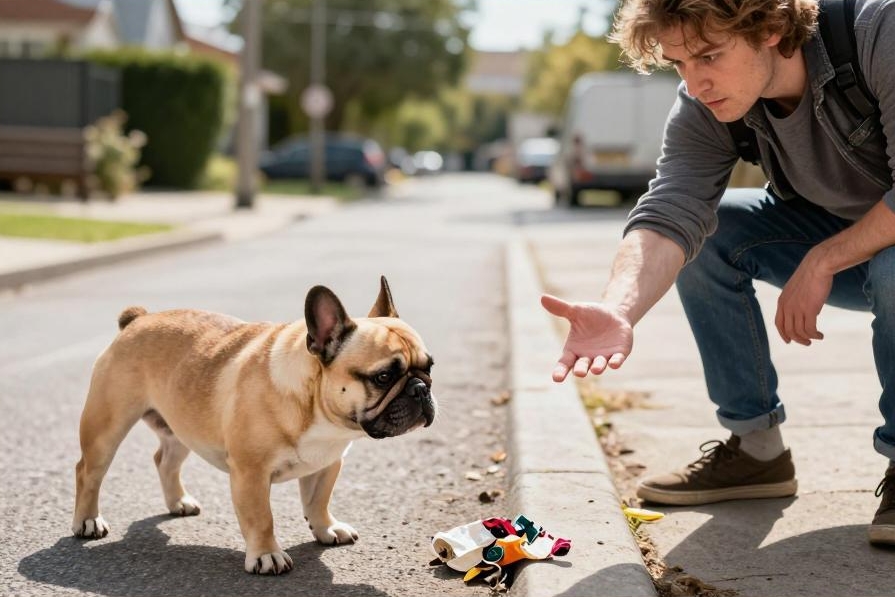
Real Training Experience: For Potato’s first outdoor leave-it session, I chose a quiet residential open space early in the morning with minimal traffic and pedestrians. I pre-positioned plain kibble along our walking route. When he spotted the first piece and lowered his head to sniff, I immediately said “Leave It!”. He hesitated and looked up at me, so I quickly offered pre-cut roasted chicken breast pieces with enthusiastic praise. After several successful attempts, his confidence and trust in me improved dramatically. Later, he could lift his head and wait for rewards upon hearing the cue, even when encountering other dogs’ faeces or rubbish.
Practical Steps:
1. Select safe locations: Start in clean, quiet residential areas before moving to parks with light pedestrian and vehicle traffic.
2. Stay highly alert: Focus your attention on your dog and surroundings instead of your phone. Prevention works far better than emergency correction.
3. Carry surprise rewards at all times: Outdoor rewards must be more tempting than anything on the roadside. Offer random, premium rewards so your dog always looks forward to obeying you.
4. Prioritise success rate: If your dog is distracted or the environment feels overwhelming, shorten the training session or revert to the previous stage. Do not push for results. Consistent small wins reinforce good behaviour.
Mistake Avoidance Guide: Never Make These Errors
1. Do Not Chase or Snatch Items Away: This triggers possessiveness and the urge to flee. Your dog will learn to eat faster and hide to avoid having things taken away.
2. Avoid Punishing After the Fact: Dogs cannot connect scavenging that happened minutes earlier with your anger. They will only associate “seeing you” with negative feelings, damaging your trust bond.
3. Reject Physical Punishment: Shouting, hitting or using choke collars easily lead to fear, anxiety and even aggressive behaviour — completely contradicting your training goals.
4. Inconsistent Training Standards: Strict rules one day and lax standards the next confuse your dog and drastically reduce training effectiveness. All family members must use identical cues and methods.
5. Neglect Environmental Management: Combine training with proper daily management. Always use a leash outdoors. Consider fitting a muzzle as secondary protection when passing high-risk zones such as rubbish piles.
Summary
Leave-it training for your French Bulldog is a journey built on patience, trust and communication. It tests the persistence and wisdom of the owner far more than the dog. Through the three phases of building focus, simulated practice and outdoor generalization, you are not only teaching a skill, but creating a solid bond of trust. Your dog will learn that following your guidance is safer and more enjoyable than risky independent exploration. Always remember: prevention beats cure. Every minute you invest in training today adds valuable safety protection for your Frenchie tomorrow.
Important Reminder
The training methods shared in this article apply to behaviour modification and prevention. If you suspect or confirm your dog has ingested unknown or toxic substances, stop all training immediately and contact your veterinarian or head to the nearest animal hospital without delay. Bring samples or packaging of the suspected toxin to allow fast, accurate diagnosis and treatment. Every second counts — never take chances by simply observing at home.