Hello everyone. Over the years caring for countless pets and their owners, I’ve found that paw health in French Bulldogs is a topic that’s easily overlooked yet extremely important. Many Frenchie parents bring their dogs to the clinic after noticing constant paw licking, unusual gait, or even limping. Upon examination, redness, ulcers between toes or severely cracked paw pads are discovered, which is truly distressing. Today I will discuss this subject in depth and share practical home care tips to help you stop issues before they start.
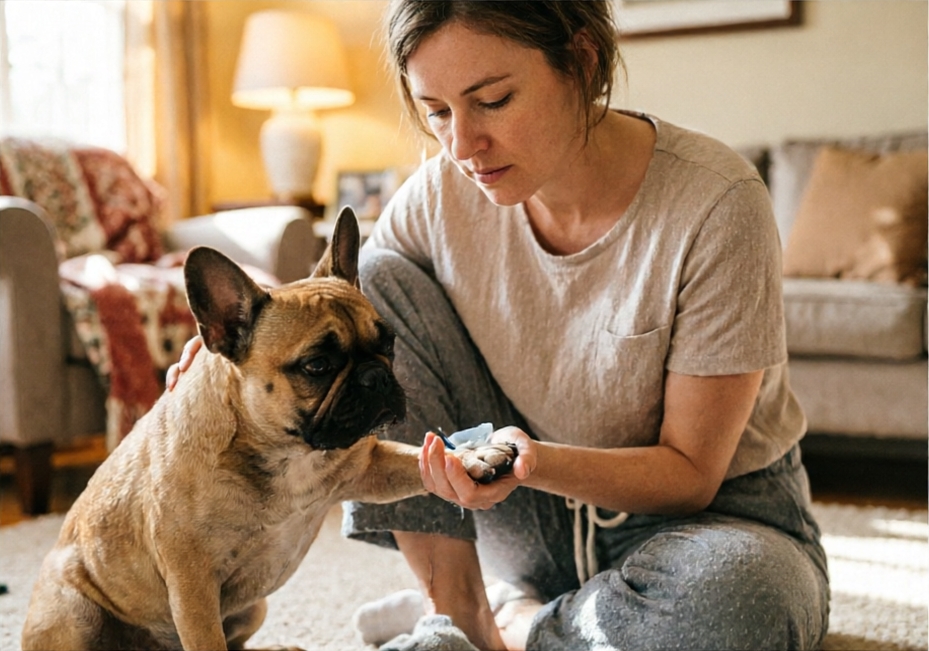
Why Are French Bulldog Paws So Prone to Problems?
To solve problems, we first need to understand the causes. French Bulldogs’ vulnerable paws are no coincidence — they result from breed traits, living environments and grooming habits combined.
1. Innate Physical Structure Disadvantages: French Bulldogs are short-haired dogs, yet longer fur often grows between their toes. In damp conditions (such as stepping in water or remaining wet after bathing), this fur creates ideal breeding grounds for bacteria and fungi. More importantly, their characteristic compact build and broad ribcage place greater pressure on front paws while walking. Their toes splay at different angles compared to other breeds, making interdigital spaces more likely to trap dirt and develop friction-induced inflammation.
2. Sensitive Skin Constitution: Many French Bulldogs struggle with varying degrees of skin sensitivity, which also affects their feet. Environmental allergens (pollen, dust mites), certain foods, or even newly used floor cleaners at home can trigger allergic pododermatitis marked by itching and swelling. When dogs lick excessively to relieve irritation, secondary damage occurs, creating a vicious cycle: more licking leads to worse inflammation, and worse inflammation triggers more licking.
3. Impacts of Modern Lifestyles: Most urban French Bulldogs live in apartments, walking mainly on smooth tile, hardwood or low-pile carpet. These surfaces cannot naturally file down nails or remove dead paw pad skin like soil or grass. Continuous walking on slippery floors causes overgrown nails that disrupt weight distribution. Paw pads also become delicate from lack of abrasion. Once exposed to rough surfaces or extreme temperatures — such as hot asphalt in summer or icy ground in winter — cracking, burns or frostbite easily occur.
I once treated a French Bulldog named Potato. Its owner frequently played chase games on smooth flooring, leading to overgrown, curved nails piercing its paw pad. This resulted in severe infection and limping. This case shows how vital daily observation and basic maintenance truly are.
Five Core Solutions for Easy At-Home Implementation
Now that we understand the causes, we can carry out targeted care. Below are five key steps summarized from my years of clinical and pet care experience. Consistent practice will greatly reduce the risk of foot issues for your French Bulldog.
Solution 1: Build a Routine of Daily Inspection & Cleaning
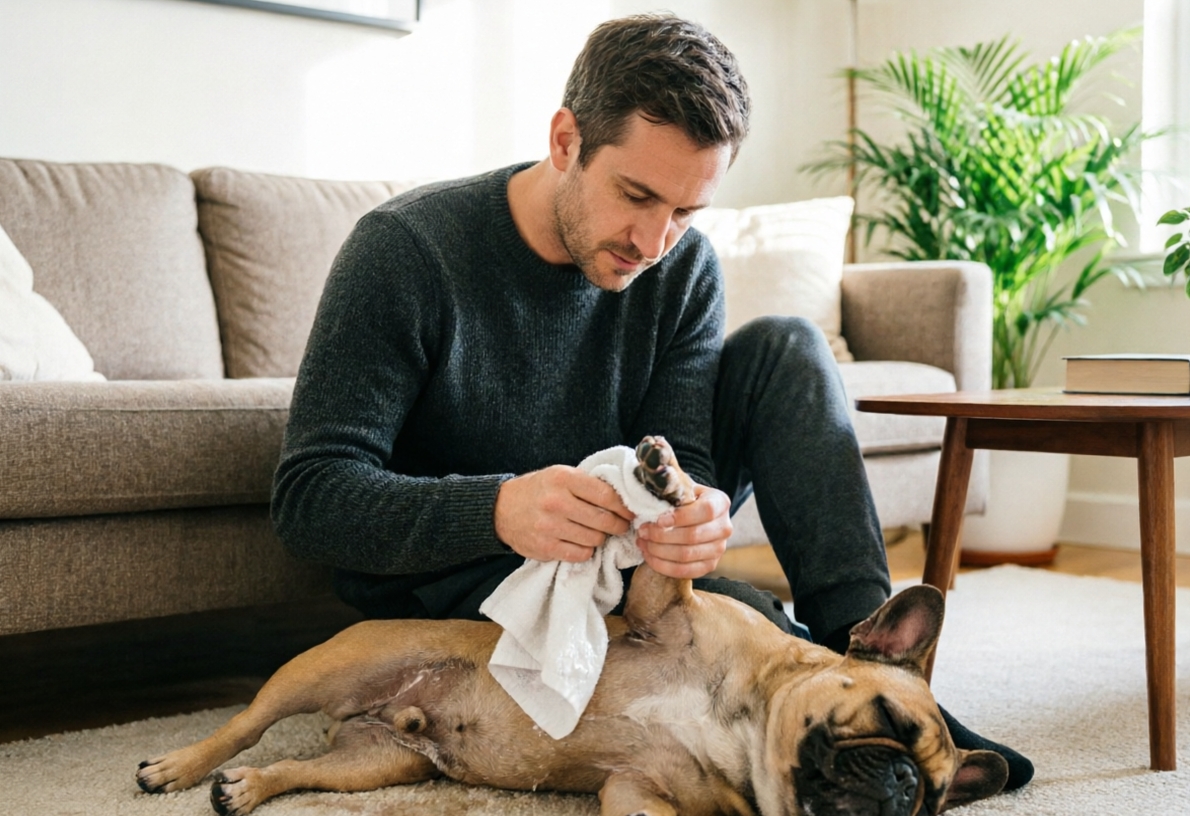
This is the most critical, fundamental step. I recommend making paw checks a fixed ritual immediately after every walk home, just as humans wash hands after coming indoors.
Step-by-Step Operation: Prepare a soft damp towel. If outdoor areas are dirty, you may use pet-safe no-rinse foam or cleaning wipes. Have your dog lie on its side or sit, then gently hold its paw. First carefully check paw pads and toe gaps for redness, wounds, foreign objects (pebbles, glass shards, grass seeds) or abnormal discharge. Next, wipe every toe crevice and paw pad thoroughly to remove sand, dust and potential chemical residues like de-icing agents. Finally, fully dry all interdigital spaces with a dry towel or tissue. For French Bulldogs with dense toe fur, you may use a hair dryer on low cool setting to dry fur completely if needed.
Professional Tip: One attentive owner I met always checked paw gaps with an LED magnifying lamp after walks. She once found a nearly invisible wood splinter embedded between toes. This detective-style inspection prevents many potential complications.
Solution 2: Scientifically Trim Toe Fur & Nails
Fur growing on paw undersides is not decorative; excessive length brings harm. Proper nail trimming directly supports skeletal health and normal walking posture.
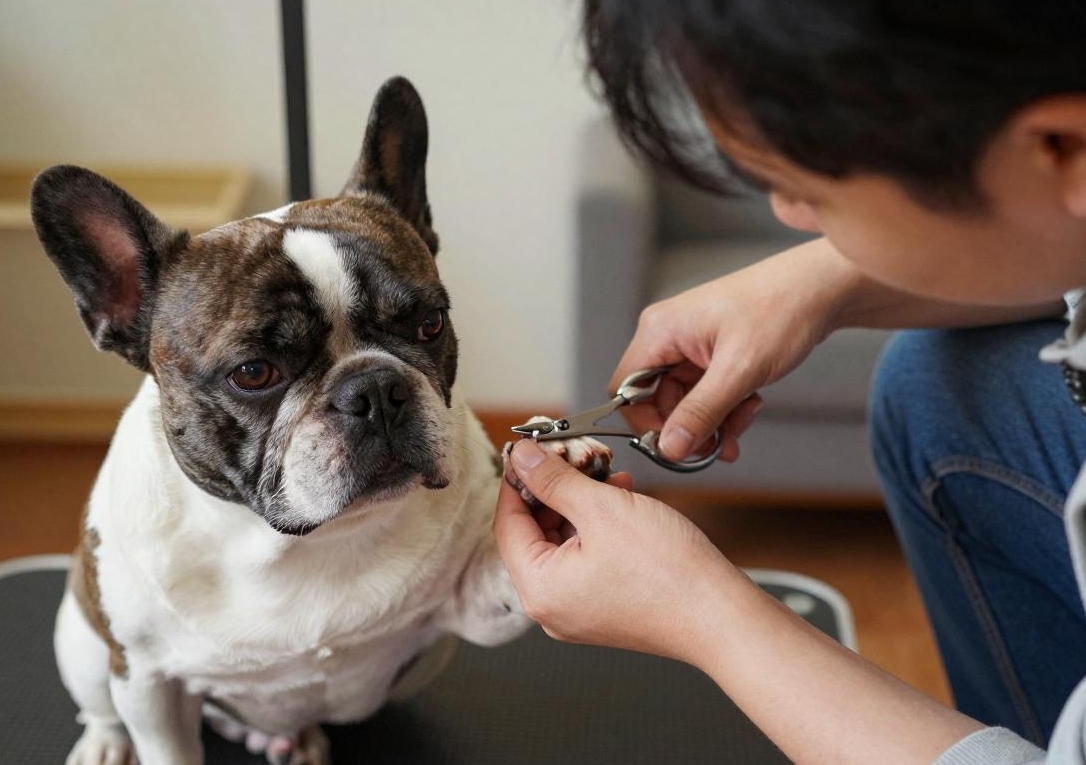
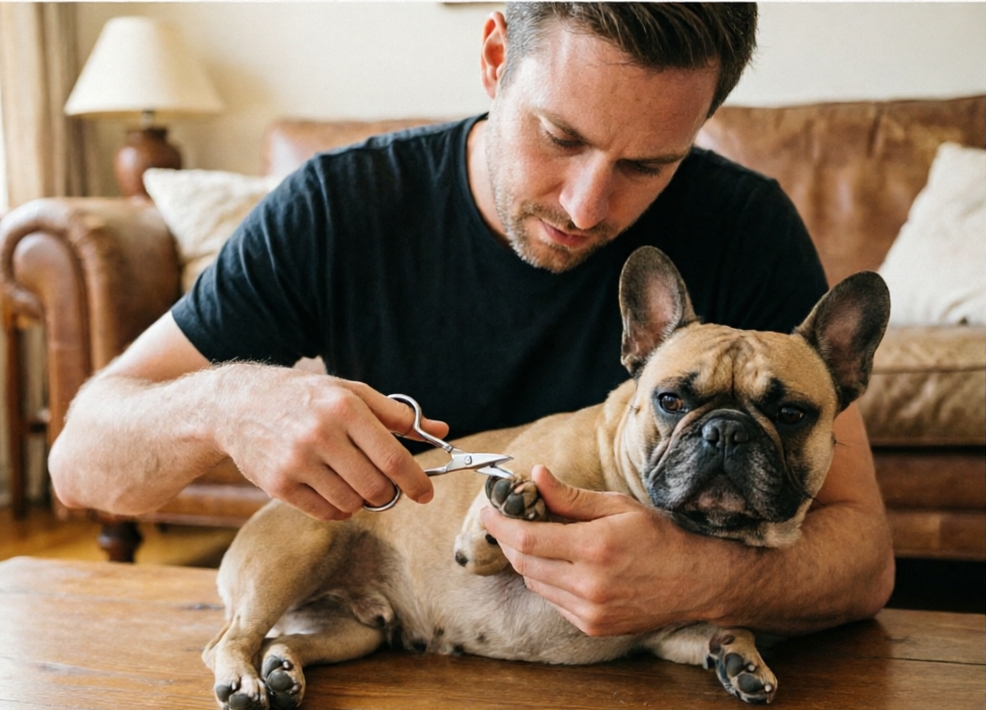
Trimming Underside Paw Fur: Use round-tip pet scissors or an electric clipper with guard combs. Trim long fur between toes level with the paw pads. The goal is full paw pad contact with the ground and clear visibility of toe gaps for easier cleaning and drying. Take care not to trim fur too short and injure the skin.
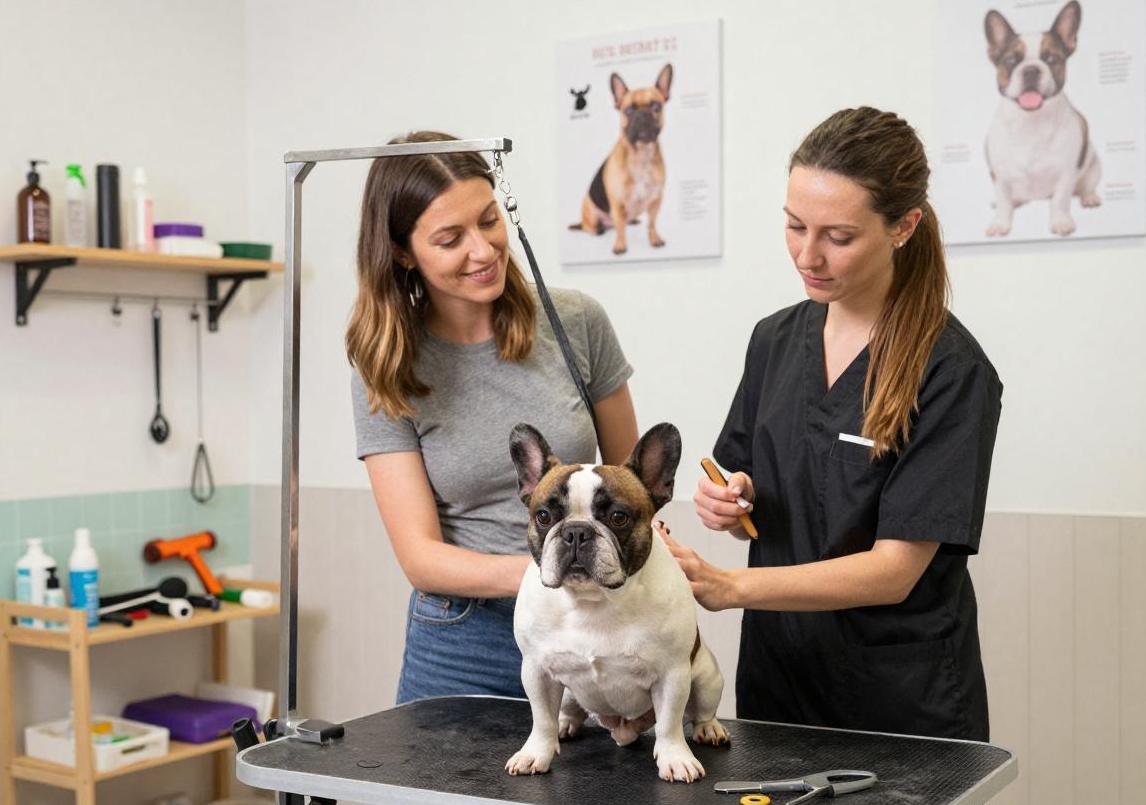
Trimming Nails: Nail care is a daunting task for many owners. The key is frequent minor trims instead of cutting large sections at once. Use dedicated dog nail clippers and only remove the curved white tip, avoiding the pink quick that contains blood vessels and nerves. If your dog has dark nails where the quick cannot be seen, always trim small amounts regularly. A simple standard: nails should not touch the ground when the dog stands. If you hear clicking sounds while it walks, nails are too long. For dogs that strongly resist nail trimming, seek help from professional groomers or veterinarians, or slowly adapt them to a nail grinder.
Solution 3: Regular Deep Foot Cleansing & Medicated Soaks
For French Bulldogs with a history of interdigital dermatitis, or during humid and allergy-prone seasons, perform deep foot care 1–2 times weekly.
Step-by-Step Operation: Fill a shallow basin with warm water, add a small amount of mild pet antibacterial or soothing wash (formulations containing chlorhexidine or oatmeal work well). Soak your dog’s paws for 5–10 minutes, gently massaging toes and paw pads. This softens and lifts deep dirt while inhibiting bacteria and easing inflammation. Rinse paws thoroughly afterward and ensure 100% complete drying. This method effectively prevents and relieves mild early-stage swelling.
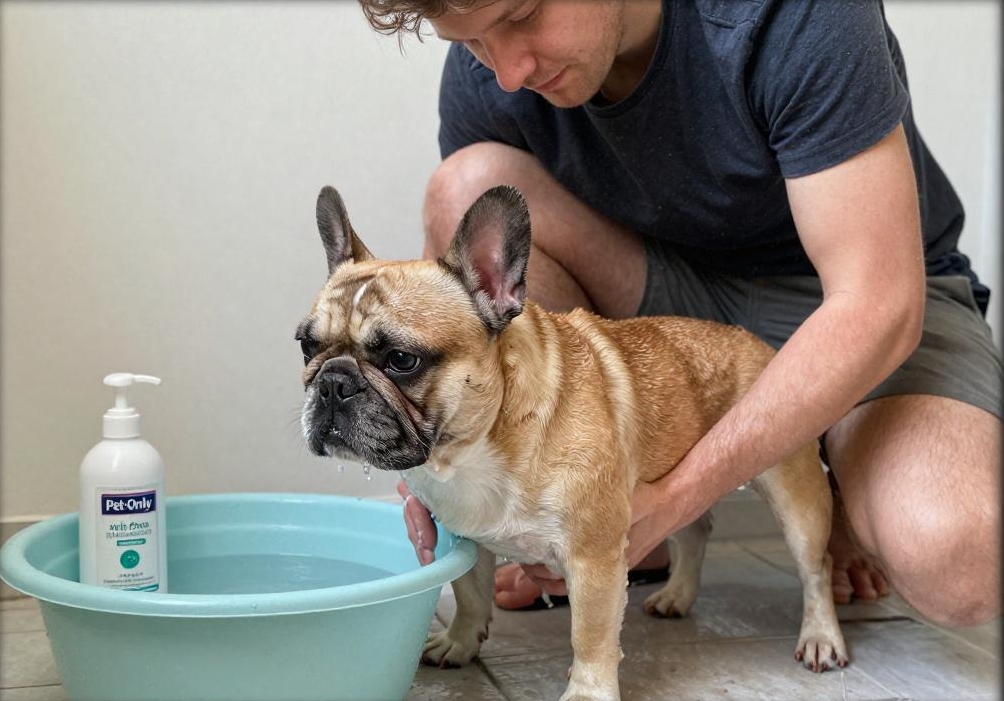
Lesson Learned: I once recommended diluted iodine foot soaks to an owner. While effective, some dogs develop skin sensitivity to iodine’s drying effect and staining. I now prefer recommending gently formulated pet-specific cleansing products with natural ingredients. They cause less irritation and are easier for owners to maintain long-term use.
Solution 4: Consistently Apply Pet-Safe Paw Balm
Moisturizing and protecting paw skin matters just as much as skincare for humans. Dryness is one of the primary triggers for cracked paw pads.
Selection & Application Guide: Choose pet paw balm with safe ingredients or natural oils such as coconut oil and shea butter. Avoid products containing artificial human fragrances and synthetic additives. After cleaning and fully drying paws each day, apply a thin layer of balm evenly onto paw pads and skin surrounding toe gaps, massaging gently until absorbed. The balm creates a protective barrier to lock in moisture and improve paw pad abrasion resistance. Apply before outdoor walks in dry winter weather or hot summer conditions for enhanced protection.
Solution 5: Manage Environment & Allergens
If your dog repeatedly suffers foot troubles, especially accompanied by itchy skin on other body areas, allergies should be considered.
Environment Management: Keep your home clean, vacuum regularly and use pet-safe cleaning supplies. During pollen seasons, fully clean your dog after outdoor walks. If food allergies are suspected, complete an elimination diet trial or switch to hypoallergenic veterinary diets under professional guidance.
Encourage Natural Walking Surfaces: When safe, take your dog walking on grass, dirt and other natural ground. This naturally wears nails and strengthens paw pad toughness.
Common Mistakes to Avoid in Paw Care
Certain improper care practices will worsen foot conditions:
1. Over-Cleaning or Using Harsh Products: Daily paw washing with strong human soap or disinfectant destroys the skin’s natural lipid barrier, leading to drier, more sensitive paws over time.
2. Ignoring Dampness: After bathing, swimming or rainy walks, wiping only surface moisture without fully drying toe gaps creates the perfect breeding environment for microbes.
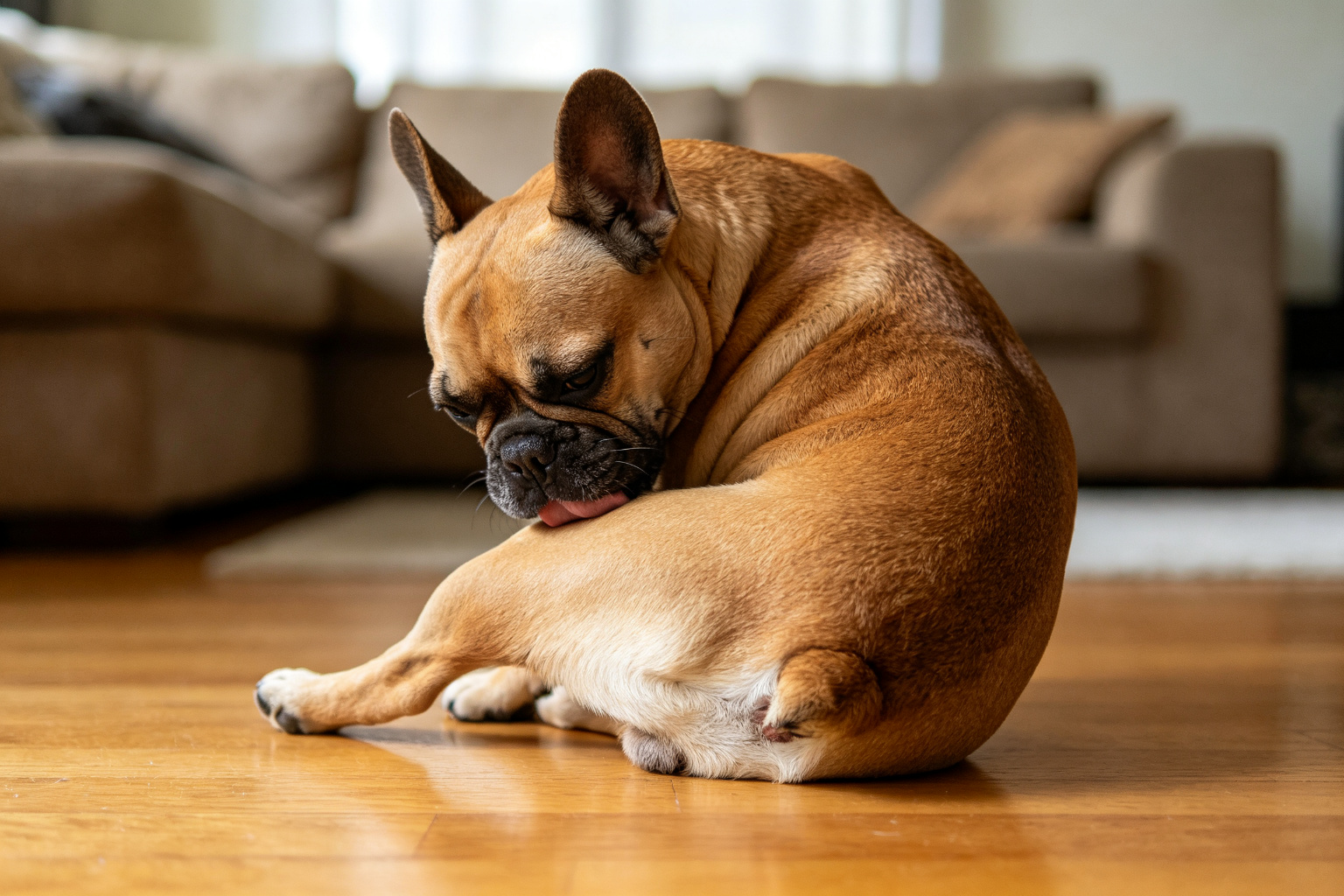
3. Dismissing Paw-Licking Behavior: Constant paw licking is the first warning sign of discomfort — it does not mean the dog is simply keeping clean. Inspect paws and stop licking immediately when observed. An Elizabethan collar can prevent further licking while you identify the root cause.
4. Arbitrarily Using Human Ointments: Many human topical creams contain steroids such as mometasone furoate or ingredients toxic to dogs including lidocaine. Unauthorized use without veterinary diagnosis can complicate illness or cause poisoning.
Summary
French Bulldog paw care is a long-term task requiring patience and attention. While not as routine as feeding or walking your dog, paw health directly impacts its quality of life and mobility. The core principle is prevention over treatment. With daily inspection and cleaning, regular trimming, proper moisturizing and environmental management, you can drastically lower risks of interdigital dermatitis and paw pad cracking. Turn paw care into a calm, bonding moment between you and your French Bulldog — your dog will cooperate better, and results will improve.
Important Reminder
Please note that all home care suggestions in this article apply to prevention and mild early-stage symptoms only. Do not delay veterinary consultation if you observe any of the following signs:
1. Severe swelling, pus, bleeding or open ulcers on paws.
2. Obvious limping due to pain; refusal to walk or allow paw touching.
3. Unidentified lumps or abnormal tissue growth on feet.
4. Persistent licking and chewing of paws with zero improvement after one week of home care.
5. Accompanying systemic symptoms such as lethargy and loss of appetite.
Professional veterinarians can run tests including cytology and bacterial cultures to accurately diagnose whether issues stem from bacteria, fungi, parasites or allergies. They will prescribe the most effective treatments such as oral medication, topical ointments or medicated bath protocols. Timely professional intervention reduces suffering and speeds recovery for your beloved dog.