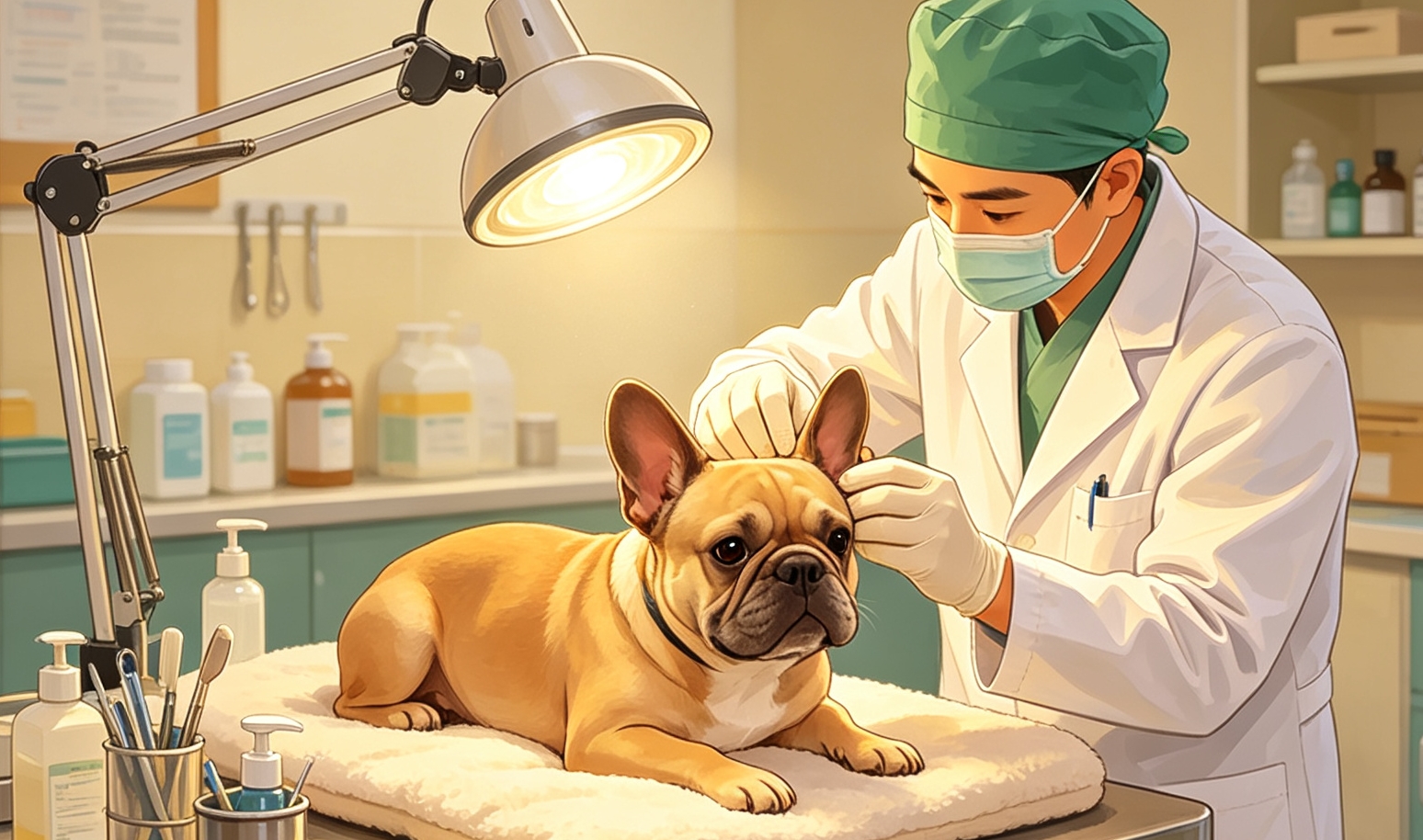
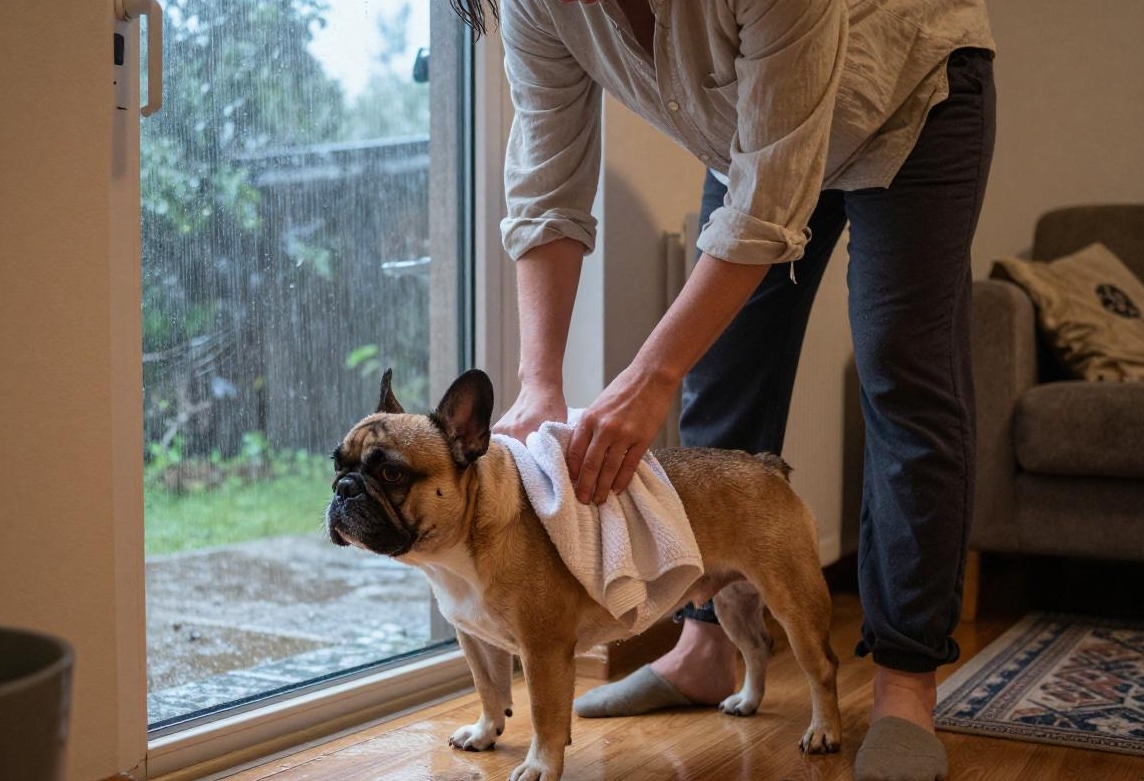
Hi all French Bulldog parents! Having worked in veterinary clinics and dog training facilities for more than a decade, I have seen countless lovely Frenchies troubled by two reddish-brown “muzzle stains”. These stains not only ruin their handsome appearance but may also signal underlying health issues. I fully understand how frustrated owners feel when they wipe repeatedly yet see little improvement. Today, as an old friend and professional, I will systematically talk about tear stains in French Bulldogs and share a practically verified “7-Step Improvement Plan”.
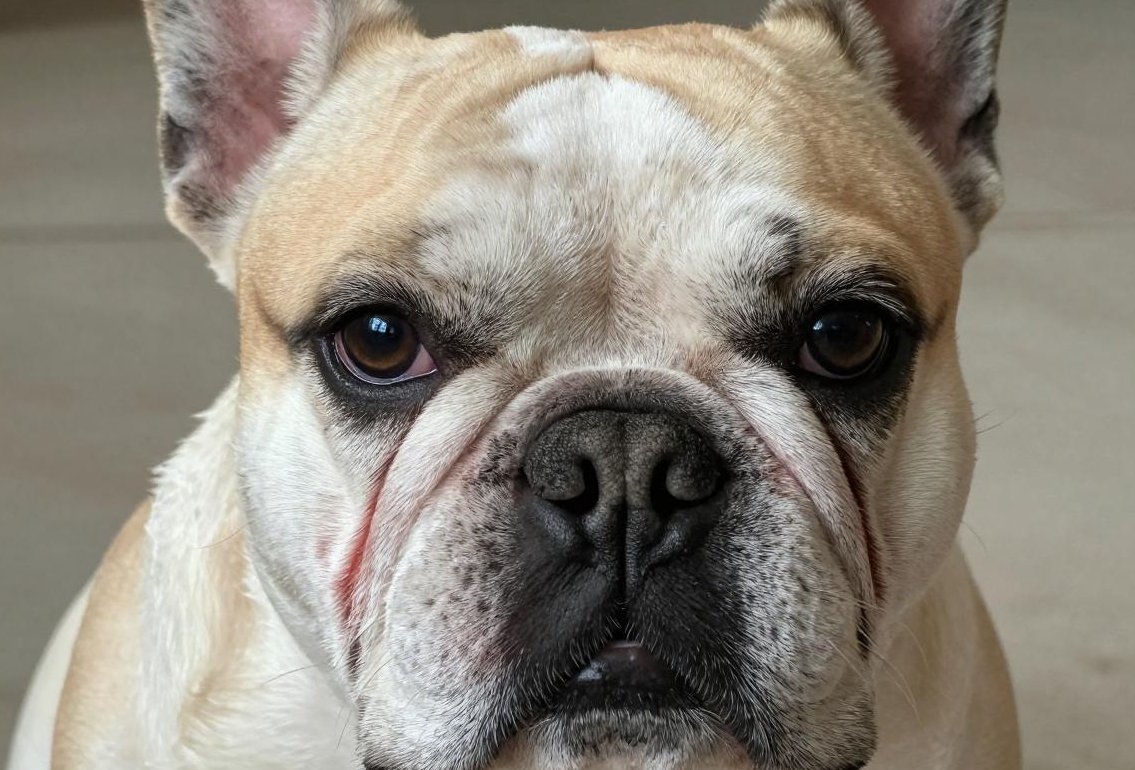
Why Are My French Bulldog’s Red Muzzle Stains So Stubborn?
Before solving the problem, we need to figure out the root cause. Simply put, tear stains on French Bulldogs form when porphyrins, substances contained in tears, oxidize. Tears themselves are clear, but porphyrins turn reddish-brown after contacting air and fur. This issue is especially prominent in French Bulldogs due to their unique facial structure. The main contributing factors are listed below:
1. Physical Structural Defect: This is the primary cause. French Bulldogs are brachycephalic (flat-faced) dogs. Their tear ducts, which drain excess tears, tend to be narrower and more twisted than those of other breeds. Imagine an easily clogged stream: tears cannot flow smoothly through the ducts into the nasal cavity, so they overflow from the eye corners and run down the face.
2. Eye Irritation: French Bulldogs have large, protruding eyes that are more vulnerable to environmental irritants such as dust, pollen, secondhand smoke or accidental shampoo exposure. Anything that irritates the eyes boosts tear production and worsens overflow.
3. Dietary Factors: This point is overlooked by many owners. Excessive salt, artificial additives, low-quality protein sources or food allergies can trigger inflammatory responses inside the body, leading to abnormal tear production and higher porphyrin levels in tears.
4. Ear Canal Infections: Facial nerves are interconnected. Severe ear inflammation can stimulate tear glands and trigger excessive tear production reflexively. I once encountered a case where a dog’s tear stains suddenly worsened; further examination confirmed otitis media as the source.
5. Ingrown Eyelashes or Entropion: Some French Bulldogs suffer from distichiasis or entropion. Ingrown eyelashes constantly rub against the cornea, causing persistent watery eyes.
7-Step Tear Stain Improvement Plan: Lessons From Real Practice
Now that we understand the causes, we can take targeted action. Below are seven steps summarized from my years of experience. This is an integrated solution requiring patience and consistency.
Step 1: Gentle, Consistent Daily Eye Cleaning
This is the fundamental and most important step. Its goal is to wipe away overflowing tears promptly and prevent porphyrin oxidation and fur discoloration. I strongly advise against using human wet wipes or tap water — they have improper pH values and may contain irritating ingredients.
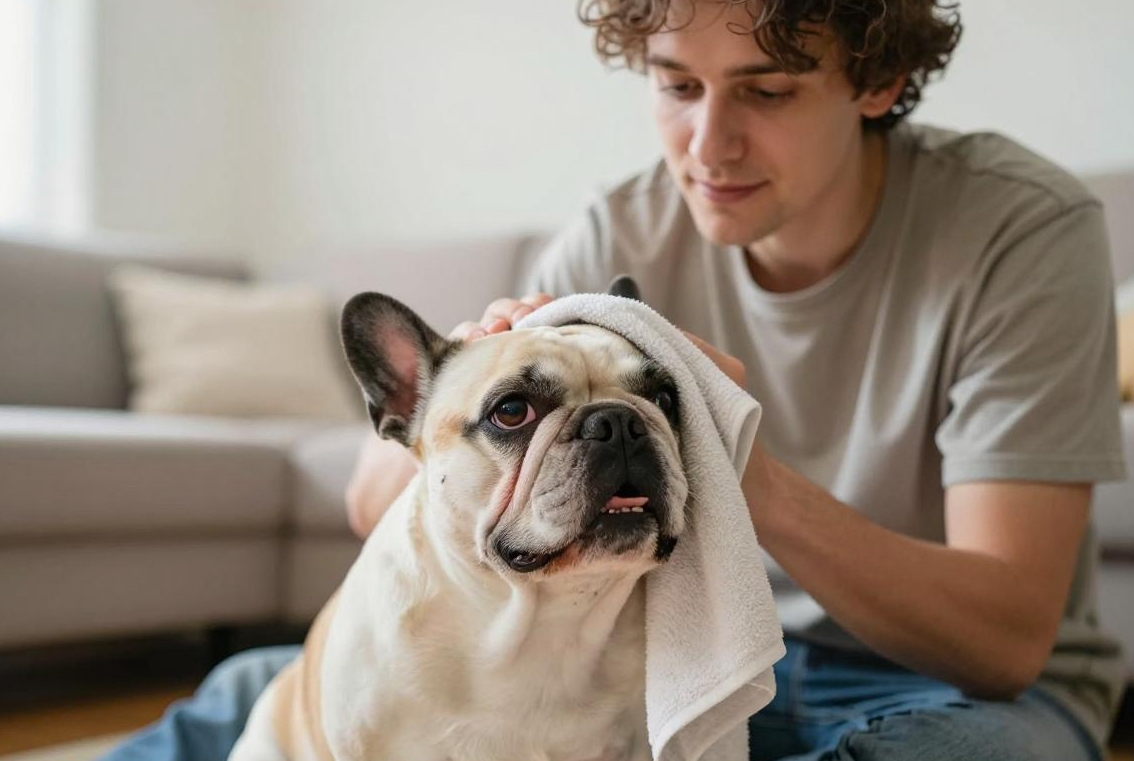
My Recommended Routine: Prepare alcohol-free, fragrance-free pet-specific tear stain cleaning pads. Alternatively, use soft cotton balls or gauze soaked in pet eyewash. Clean the tear stain area (below inner eye corners to both sides of the muzzle) twice a day, following the direction of fur growth. Critical Tip: After wiping, gently pat the fur dry with dry tissue or cotton cloth. Moist conditions accelerate bacterial growth and discoloration. My own Frenchie Tank was extremely resistant at first. I used “clean + reward” desensitization training, and now he cooperates calmly.
Step 2: Review and Adjust Your Dog’s Diet
The saying “illness enters through the mouth” applies to dogs too. Dietary adjustments may not deliver instant results, yet they are key to improving your dog’s physical condition from the root.
Advice From My Experience: First, check your current dog food label. Choose natural formulas low in sodium, free of artificial colors and flavor enhancers. You can switch to hypoallergenic food with a single protein source (such as duck or fish) and observe effects for 2–3 months. Second, add nutrients beneficial to eye health, including Omega-3 rich fish oil (anti-inflammatory) and tear stain supplements (mainly natural yeast to support porphyrin metabolism). Mistake I Once Made: I fed Tank a well-received food high in fish content before, unaware he had a mild allergy to it, which made tear stains worse. After switching to a duck-based formula, great improvements appeared. Food suitable for other dogs may not work for yours.
Step 3: Keep Face Dry and Trim Facial Fur
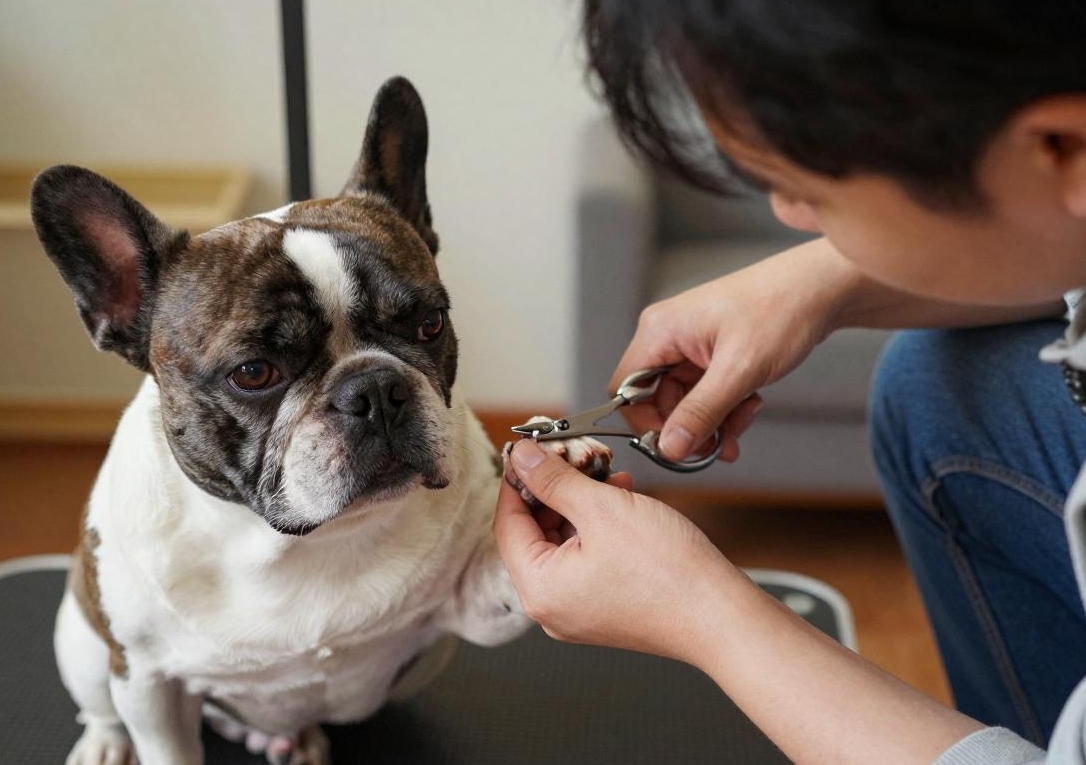
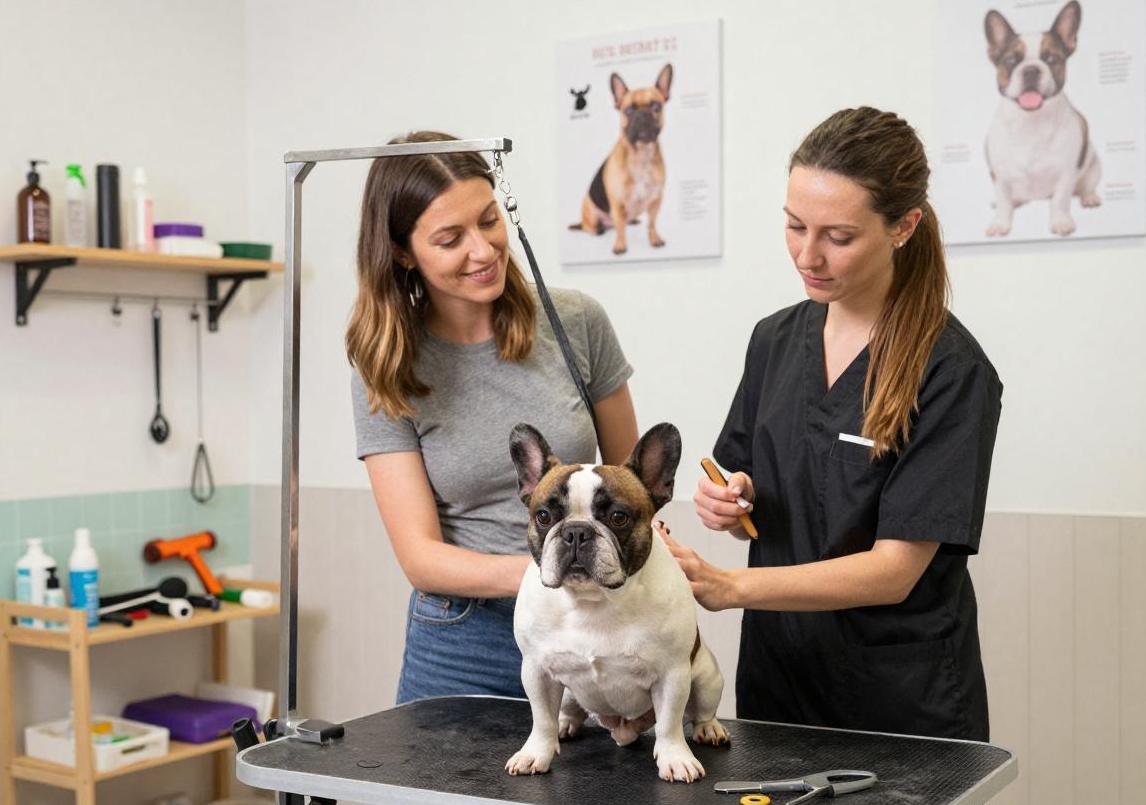
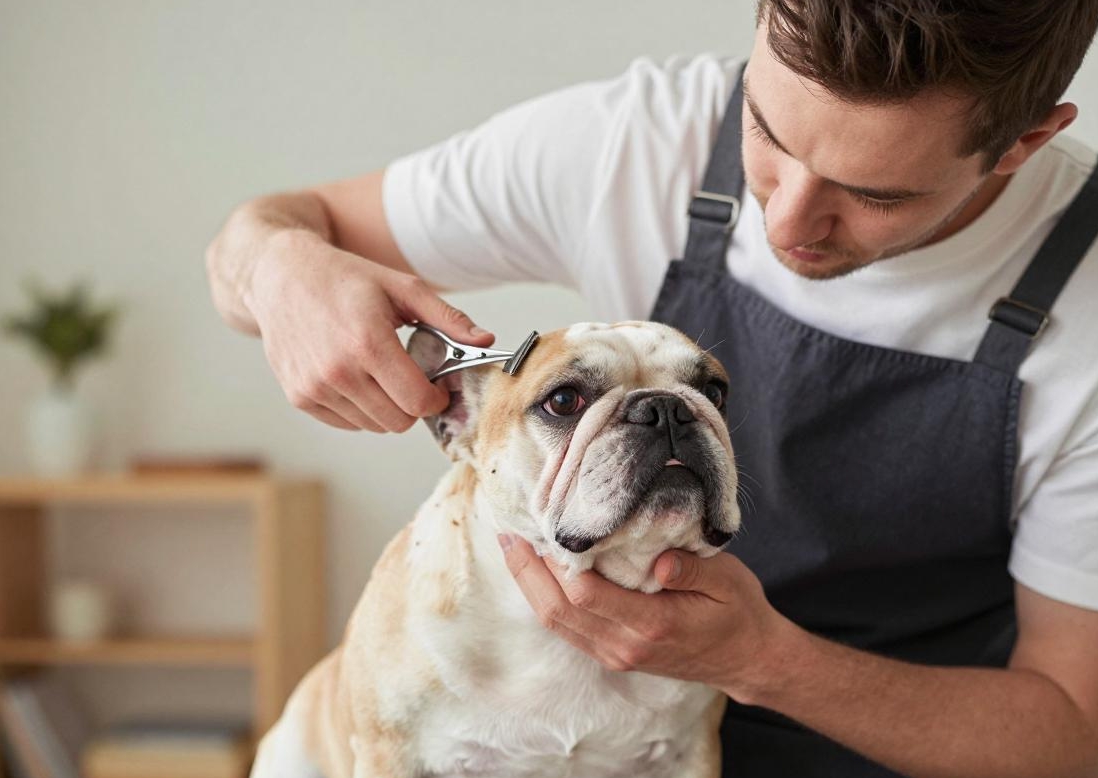
The skin folds and long muzzle hairs on French Bulldogs trap tears. Regular trimming of fur below the eyes and around the mouth greatly reduces areas where tears stick. Use round-tip scissors carefully to avoid injuries. For French Bulldogs with deep facial folds, apply pet fold powder with a cotton swab after cleaning to keep skin dry and prevent dermatitis.
Step 4: Maintain Healthy Ear Canals
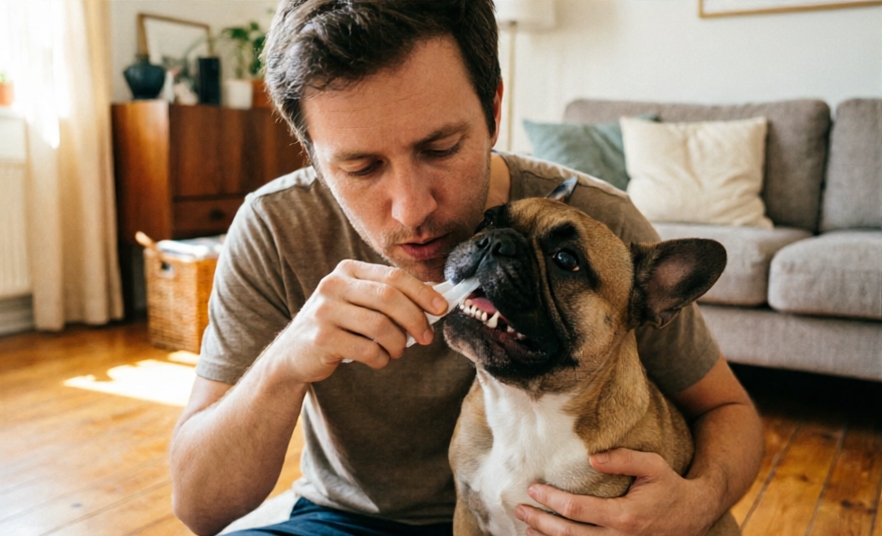
Get into the habit of checking your dog’s ears weekly. Healthy ears should be clean, pink and odorless. Heavy brown discharge, swelling or foul smell indicates infection. Maintain ear hygiene 1–2 times monthly with pet ear cleaner. Drop the liquid in, massage the ear base gently, then let your dog shake out debris. Healthy ears reduce stimulation to tear glands.
Step 5: Optimize Drinking Water Equipment
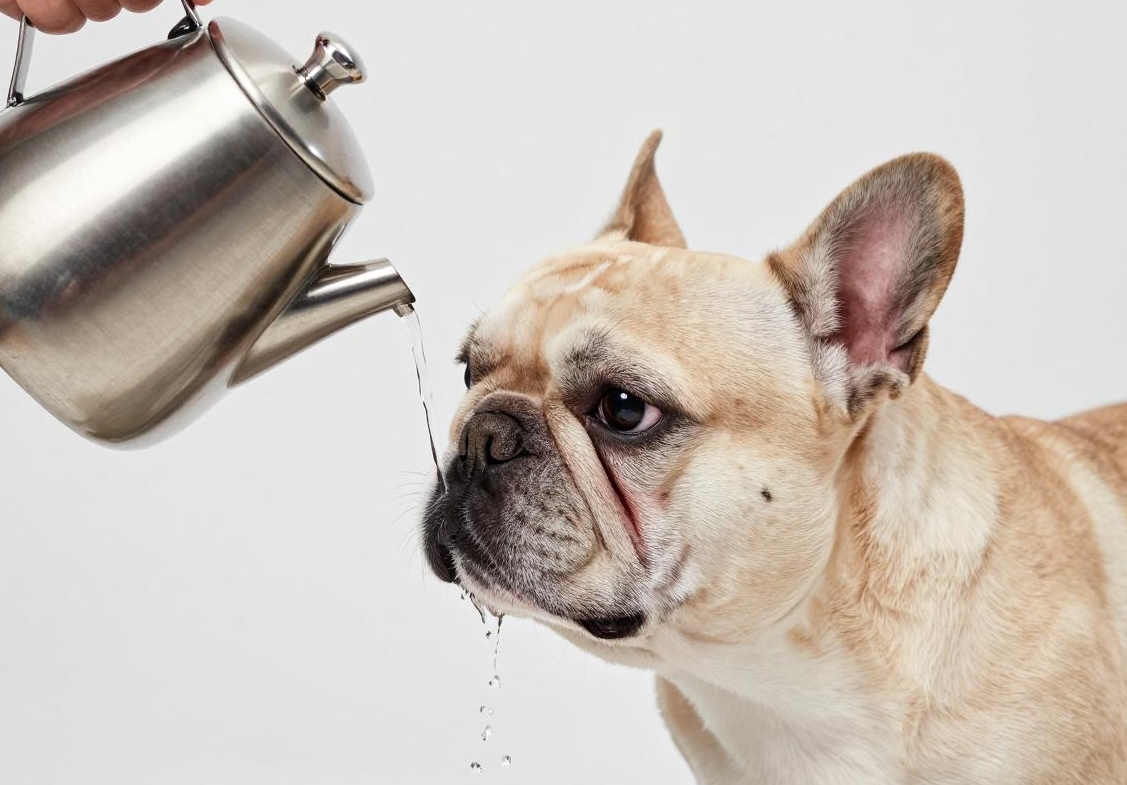
This small detail is unknown to many owners. If your dog submerges its entire muzzle into the water bowl while drinking, mineral- and bacteria-laden water soaks muzzle fur repeatedly. Mixed with tears, it worsens discoloration and unpleasant odors.
My Solution: I switched Tank to a hanging ball-point water bottle. He needs to lick the ball to drink water, which perfectly keeps his muzzle dry. You need to guide him to learn how to use it at first, yet the effect is remarkable once he gets used to it. Shallow wide water bowls are another alternative.
Step 6: Build a Clean Living Environment
Cut down allergens and irritants in surroundings. Clean frequently to reduce dust; limit outdoor walks during pollen seasons or wash paws and face after coming home. Never smoke near your dog. Pick low-dust, unscented litter (if you own other pets) and pet bedding materials.
Step 7: Professional Examination and Tear Duct Flushing
If you stick to all the above home care methods for 2–3 months without visible improvement, or tear stains suddenly become extremely severe, visit a veterinarian immediately. Vets can perform professional tear duct flushing to check for physical blockages. More importantly, they can rule out ingrown eyelashes, entropion, glaucoma, dental or sinus issues — all possible causes of excessive tearing.
Mistakes To Avoid: Improper Practices Can Backfire
When tackling tear stains, stay away from these folk remedies and wrong approaches:
1. Misuse of human medicine or eye drops: Do not administer antibiotics such as chloramphenicol eye drops or unknown “miracle tear stain removers” without veterinary guidance. Improper medication delays treatment and may trigger drug resistance.
2. Rough wiping or irritating cleaners: Vigorous rubbing damages skin and hair follicles. Avoid soap, alcohol, white vinegar and similar substances. They break the skin barrier and trigger worse skin disorders.
3. Blindly purchasing viral trending products: The effect of oral or topical products varies greatly among dogs. Do not buy products simply because of advertisements. Check core ingredients first, consult a vet, and start with small doses to observe reactions.
4. Ignoring underlying health problems: Surface cleaning alone will never resolve tear stains permanently if you overlook hidden issues related to diet, ears or teeth.
Summary
Improving tear stains on French Bulldogs is a long-term battle requiring patience and attention. No magic solution delivers permanent results overnight. It tests owners’ scientific care concepts and daily persistence. This 7-step plan covers cleaning, diet, environment and health management, offering you a clear, actionable framework. Bear in mind: our goal is not only to remove discoloration, but also to protect your pup’s eye health and overall comfort.
Important Reminder
Apart from tear stains, seek immediate veterinary attention at a formal pet hospital if you notice any of the following symptoms: swollen eyes, yellow-green pus discharge, frequent eye scratching, difficulty opening eyes, obvious vision loss, or rapid worsening of tear stains within a short time. These may signal keratitis, conjunctivitis, glaucoma or other serious eye diseases requiring professional diagnosis and treatment. Love your dog by providing scientific, timely care.