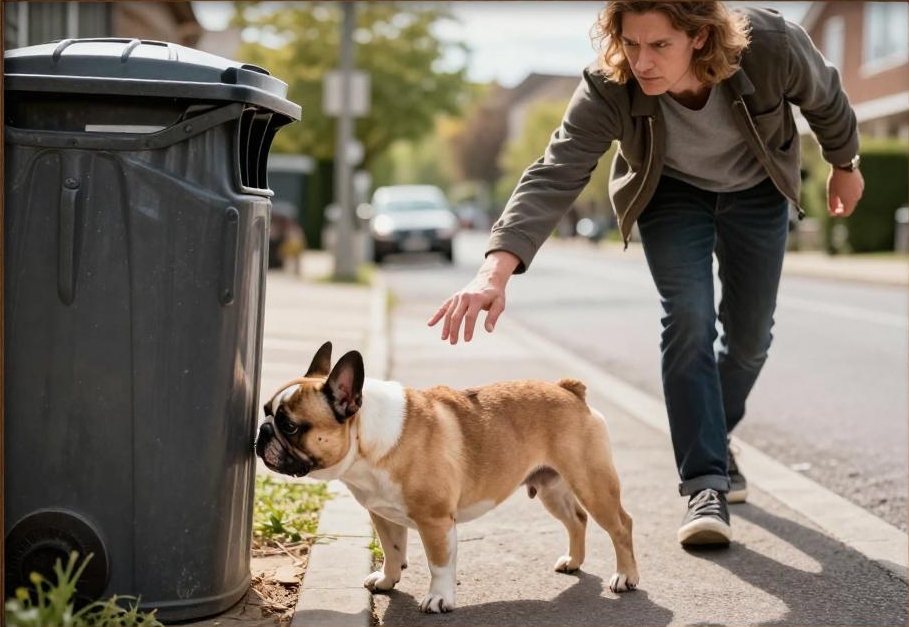
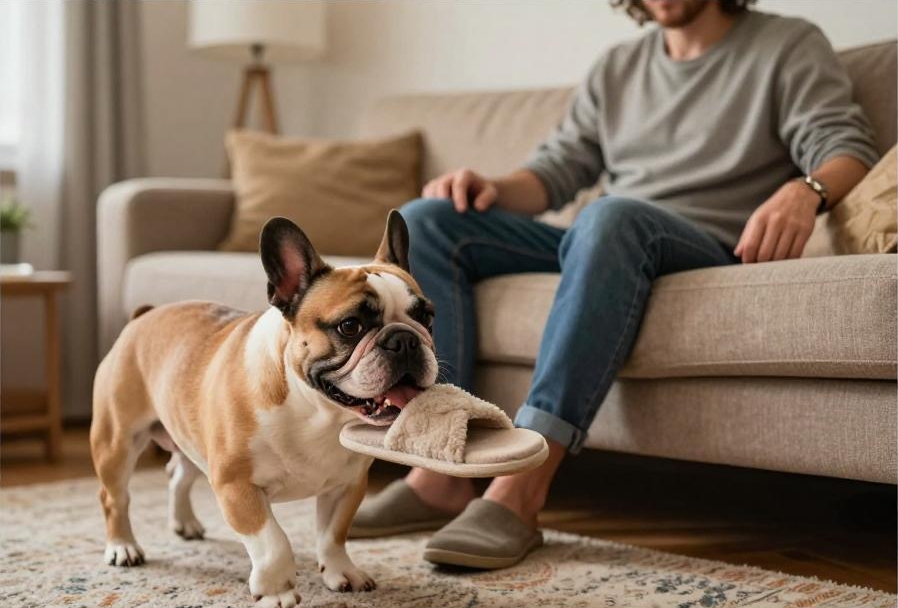
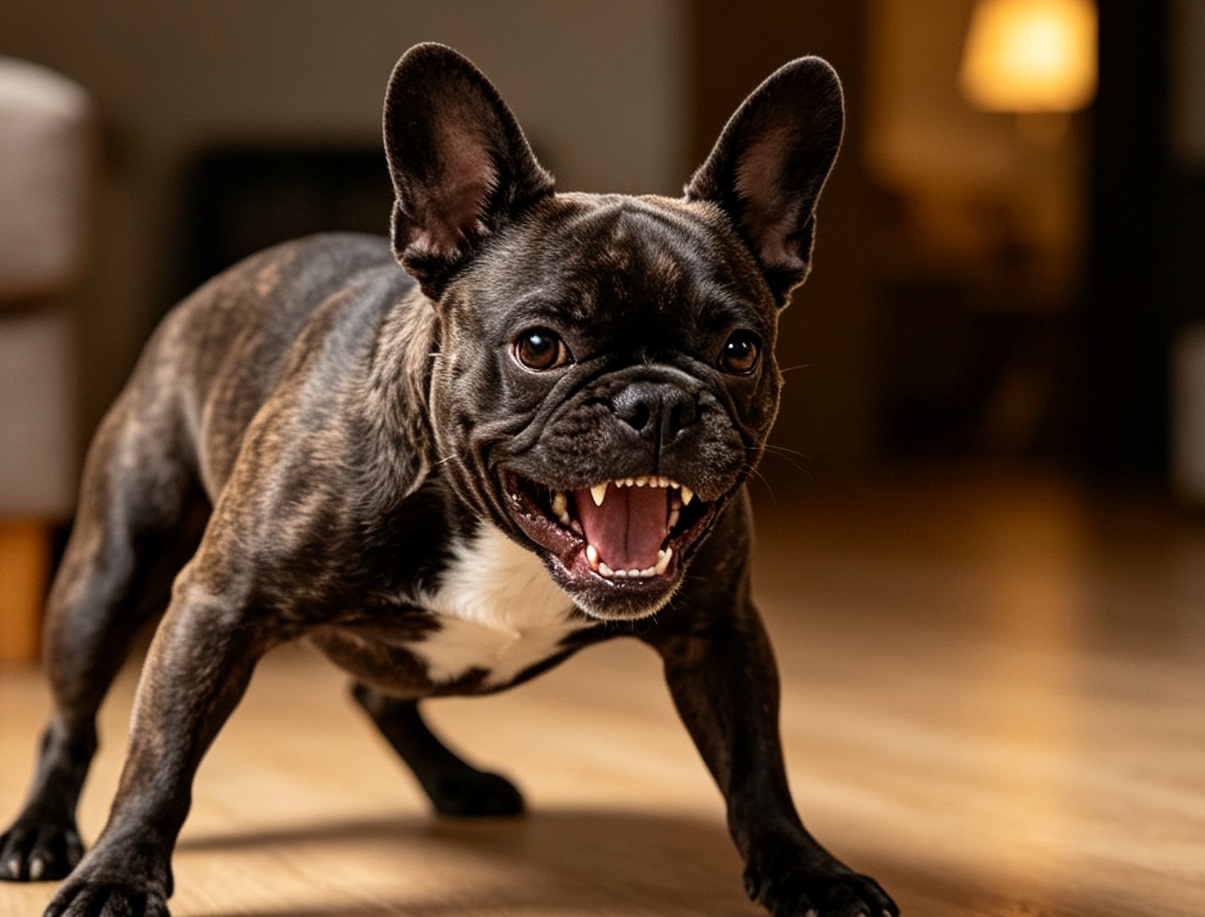
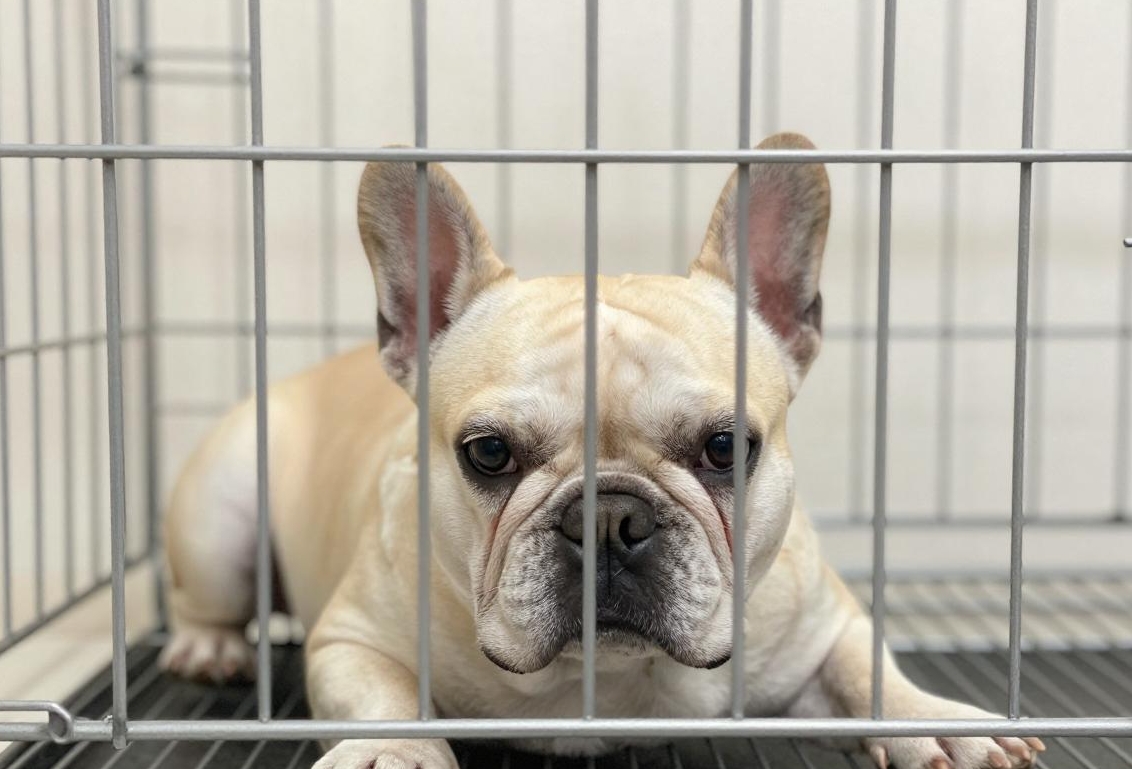
Hi everyone, I’m Jay. I’ve worked in canine behavior training for a decade, helping hundreds of dogs with behavioral issues. Among all breeds, French Bulldogs top the list of inquiries about indoor potty accidents. I fully understand every dog parent’s frustration: you get home from work expecting a wagging, affectionate pup, only to step into unpleasant surprises scattered all over the floor. That mix of helplessness, anger and exhaustion is something I know all too well. But rest assured, French Bulldogs don’t misbehave out of malice—they simply need proper guidance. Today I’ll systematically walk you through a science-backed, effective 14-day routine to fully housetrain your French Bulldog and restore a clean, tidy home.
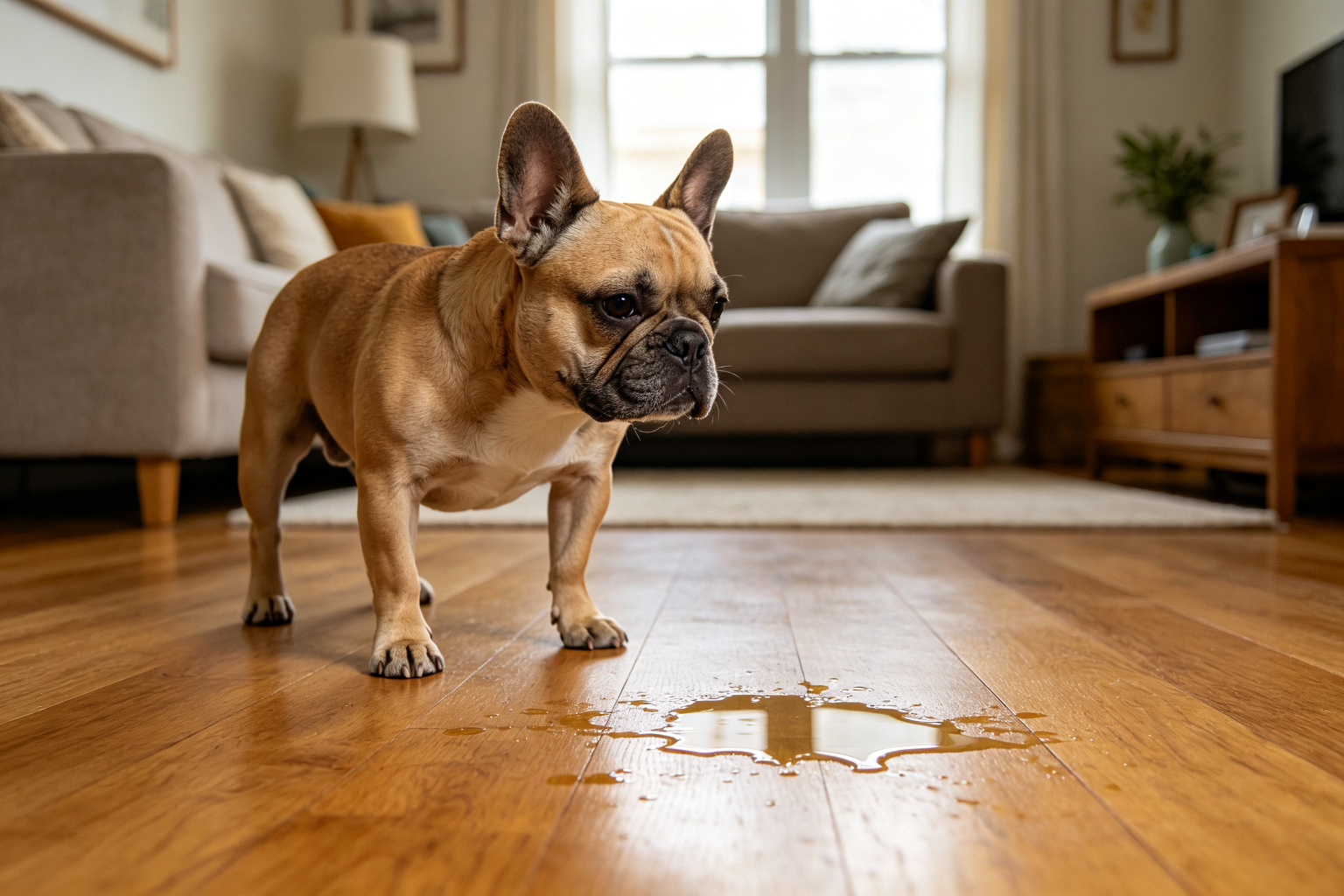
Why Even Intelligent French Bulldogs Struggle With Potty Training
Before starting training, we must identify the root of the problem. Indoor accidents in French Bulldogs rarely stem from defiance or retaliation; they result from a combination of the following factors:
1. Unique Physiological Traits: As small breed dogs, French Bulldogs have smaller bladders and weaker bladder control compared to medium and large breeds. This is especially obvious in puppies, who often need to relieve themselves 15–30 minutes after drinking water. Without understanding this biological rhythm, your puppy will have no choice but to eliminate wherever they stand.
2. Cognitive Confusion: Dogs have no innate understanding of what constitutes a “toilet.” To them, living room floors, bedroom corners and your laid potty pads are merely surfaces with different textures. Without clear guidance and consistent reinforcement, they cannot learn the rule that elimination is only permitted in one designated spot.
3. Separation Anxiety or Overexcitement: French Bulldogs are extremely people-oriented. Some develop severe anxiety when left alone, and involuntary urination is a common anxiety symptom. On the flip side, overwhelming excitement when you return home can trigger bladder loss of control, known as “excitement peeing.”
4. Damaging Past Training Mistakes: If your puppy previously eliminated in an off-limits area and you only cleaned the surface without fully neutralizing odor—dogs possess an extremely sensitive sense of smell—that spot will repeatedly be marked as a toilet zone. If you scolded or physically punished your dog after an accident, they will link elimination itself to punishment. This leads them to sneak off to hidden corners to relieve themselves, hiding messes instead of fixing the habit.
Complete 14-Day House Training Guide: Step-by-Step, Strict Implementation
This method is built on animal behavior science and years of real-world training experience, centered around three core principles: management, anticipation and positive rewards. Prepare ample patience and stick to the routine for a minimum of 14 days.
Solution 1: Build Clear Potty Cues & Fixed Daily Schedule
Routine is the foundation of successful training. You need to predict your puppy’s natural elimination rhythm.
My Real-World Experience: I once trained a 6-month-old French Bulldog named Potato whose biggest issue was completely irregular elimination. The first step I took was logging all his eating, drinking and potty times over three days. I discovered he reliably needed to eliminate first thing after waking up, 10–20 minutes after every meal, and after energetic play sessions.
Step-by-Step Implementation:
1. Fixed Feeding Times: Serve two meals daily at consistent hours, remove food bowls immediately after eating. This lets you accurately predict elimination windows, usually 10–30 minutes post-meal.
2. Controlled Water Access: This does not mean restricting water intake—simply pick up the water bowl 1–2 hours before bedtime to reduce nighttime urination urges. Offer unlimited fresh water at all other times.
3. Scheduled Potty Trips: Consistently escort your puppy to the designated toilet spot at these key moments: ① Right after waking up; ② After every meal; ③ Roughly 15 minutes after drinking water; ④ Following excited playtime; ⑤ Every 1–2 hours for young puppies.
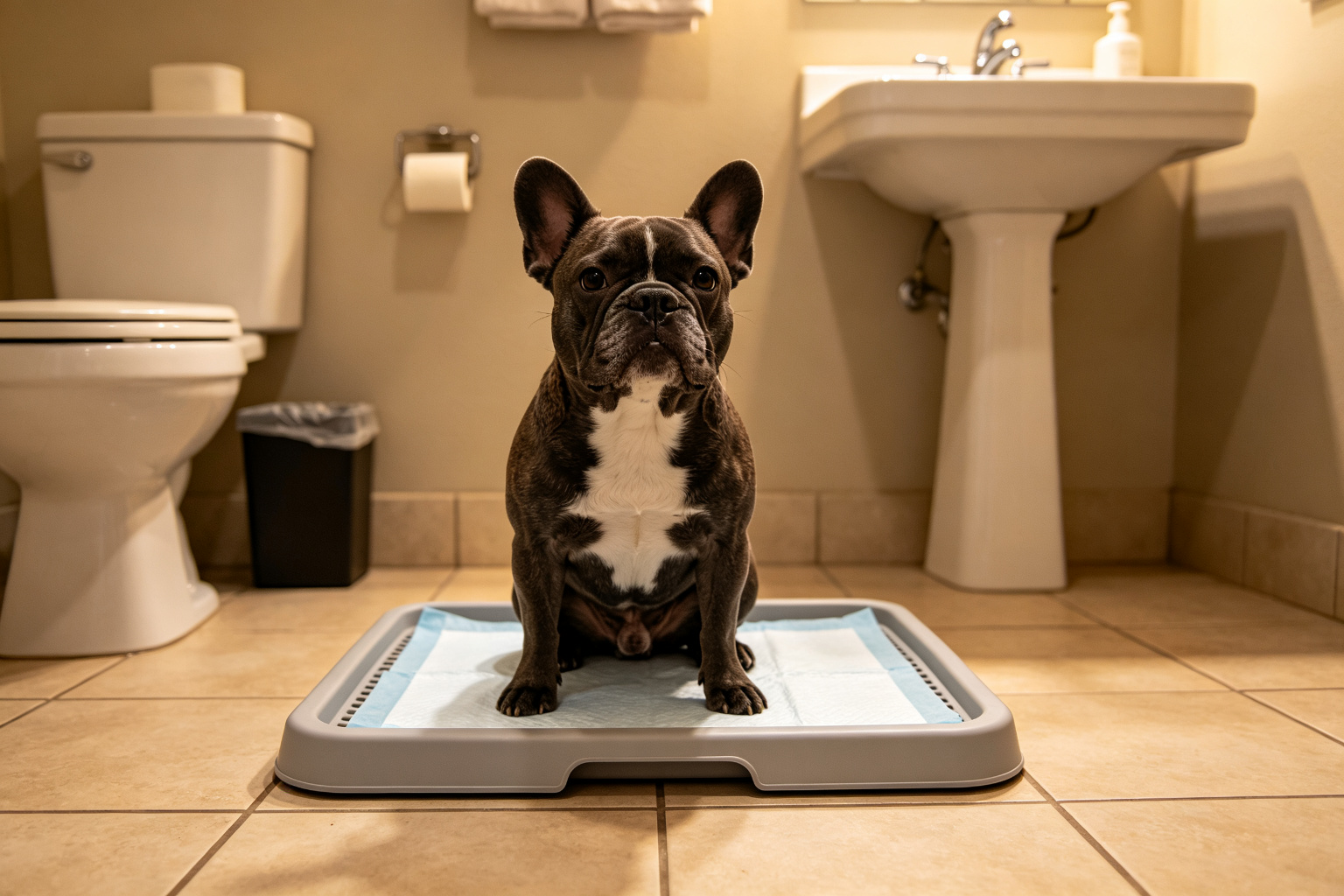
Solution 2: Use Playpens to Limit Free Roaming Space
Giving your puppy full run of the house in early training gives them endless opportunities to make potty mistakes out of your sight.
My Real-World Experience: At first, Potato had free rein of the entire home, rendering the dog toilet completely useless. I recommended his owner purchase a medium-sized playpen—spacious and more suitable than a travel crate for long-duration confinement.
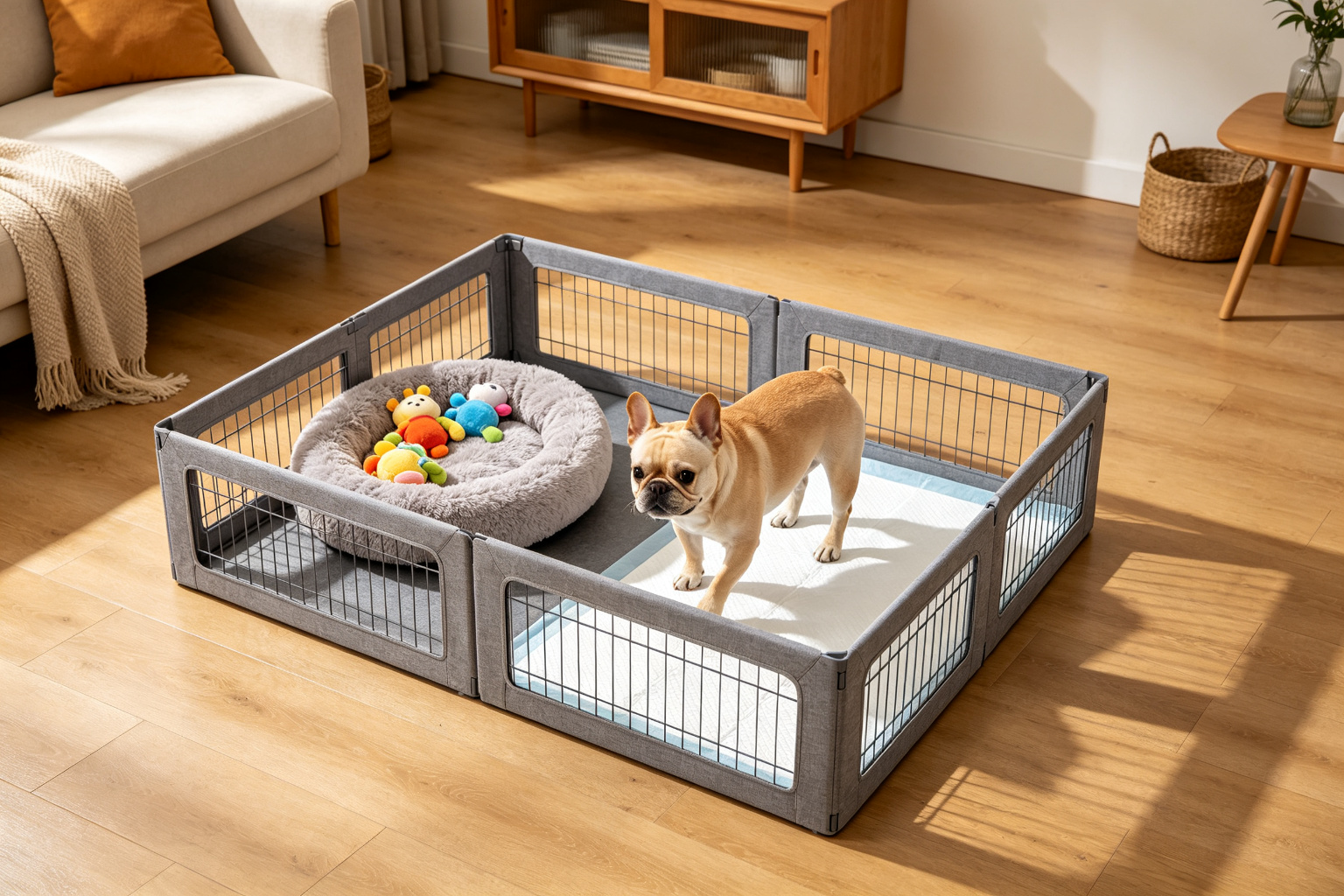
Step-by-Step Implementation:
1. Split the playpen into two distinct zones: one side lined with a dog bed and toys as a resting area, the other covered with potty pads or fitted with an indoor dog toilet. Dogs naturally avoid soiling their sleeping space, motivating them to cross to the toilet zone to eliminate.
2. Deliver enthusiastic verbal praise and high-value treat rewards immediately after your puppy successfully uses the toilet inside the playpen, then grant 15–20 minutes of supervised free roaming as an extra reward.
3. Confine your puppy to the playpen whenever you cannot supervise them closely. This effectively prevents hidden accidents when your attention drifts.
Solution 3: Seize Timing for Instant In-Scene Rewards
Reward timing makes or breaks training—reinforcement must happen the exact moment your puppy completes the desired behavior.
My Real-World Experience: Many owners walk over to hand out treats long after their puppy finishes eliminating, missing the critical reinforcement window. The dog fails to connect the reward to their correct potty action moments earlier.
Step-by-Step Implementation:
1. When you bring your puppy to the toilet spot at scheduled times, use a simple consistent verbal cue such as “go potty” or “do your business.” Stand quietly without distracting them while they relieve themselves.
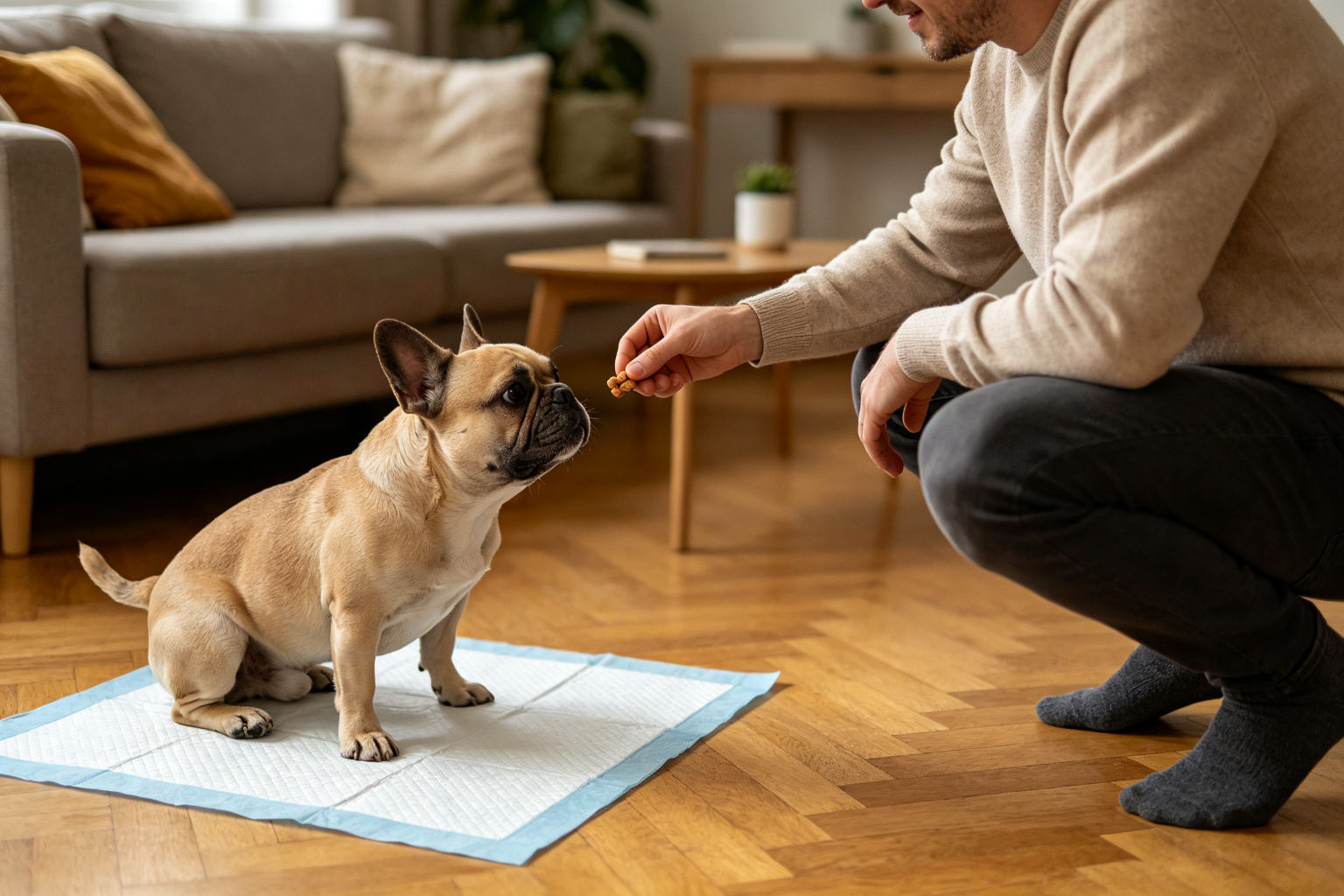
2. The second they start eliminating, speak in a calm, cheerful tone: “Good boy/girl! Go potty!” The instant they finish, offer high-value treats (small dried chicken jerky works perfectly) directly to their mouth.
3. This tight, immediate link between behavior and reward is non-negotiable. With consistent repetition, your puppy will voluntarily head to the designated toilet area just to earn treats.
Solution 4: Deep Clean to Eliminate Old Scent Markers
Incomplete odor removal renders all training efforts half as effective for double the work.
My Real-World Experience: I visited a client whose puppy repeatedly peed on the sofa corner. A blacklight scan revealed massive old urine stains buried deep in the fabric, proof that standard cleaning left residual odor behind.
Step-by-Step Implementation:
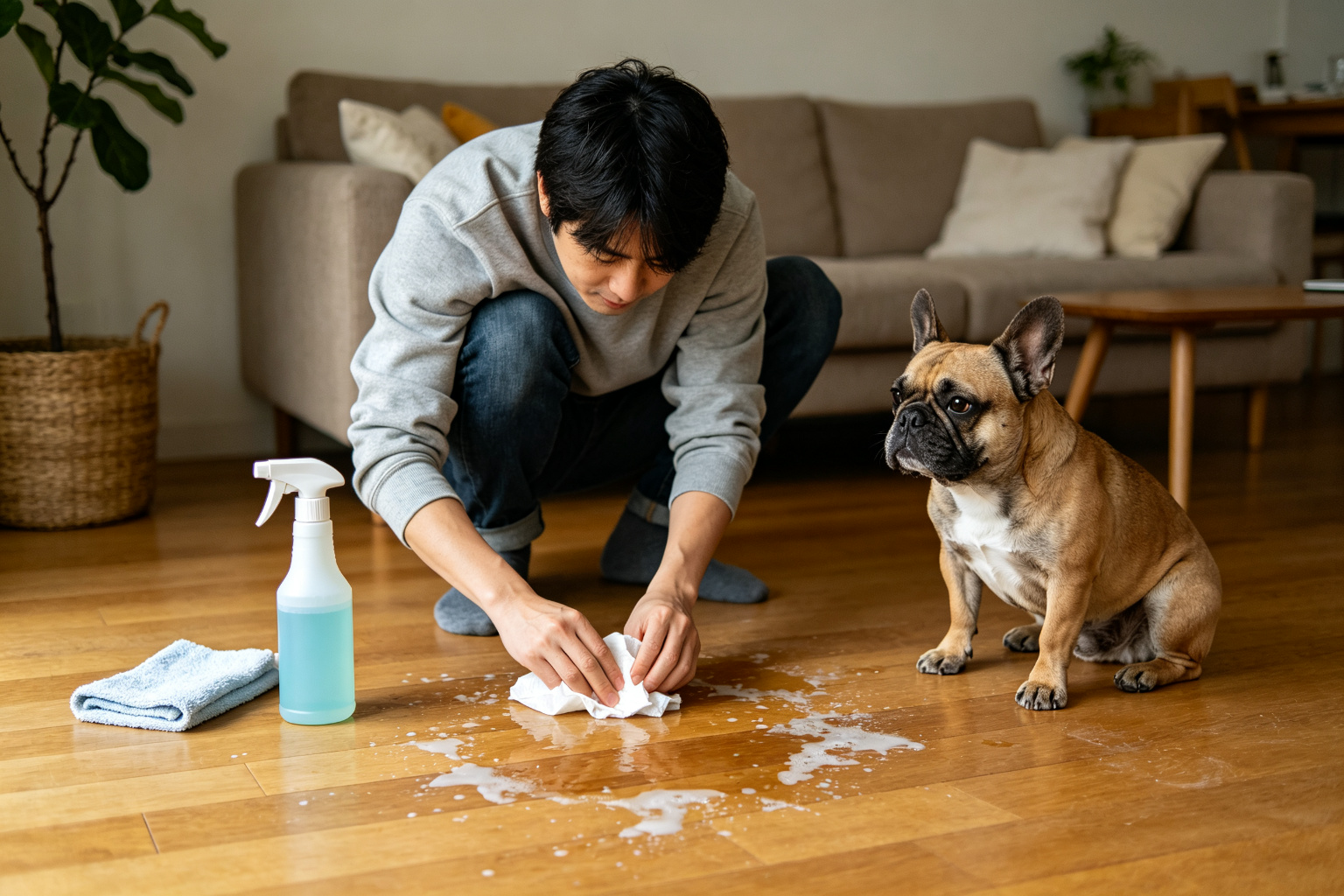
1. When an accident occurs, never yell or punish your dog! Clean the mess silently. Scolding only teaches your dog to fear you and hold their bladder until you leave the room to eliminate in secret.
2. Use professional enzymatic pet odor eliminator. Regular all-purpose cleaners and disinfectants merely mask odors; enzymatic formulas break down urine protein molecules to fully erase scents detectable to canine noses.
3. Saturate all stained surfaces thoroughly with the enzymatic cleaner and let it sit long enough to seep into floor gaps or deep carpet fibers.
Solution 5: Gradually Expand Accessible Free Space
Advance to this stage only after your puppy maintains 100% accident-free potty habits inside the playpen for at least one full week.
My Real-World Experience: Once Potato mastered the playpen routine, his owner excitedly gave him full house access overnight—only for accidents to resume the very next day. The mistake was expanding territory far too quickly.
Step-by-Step Implementation:
1. Open the playpen gate but limit your puppy to one small adjacent room near the toilet (such as the bathroom or kitchen) for several consecutive days.
2. If no accidents occur within this limited zone, slowly open access to the next connected room (like the living room).
3. This gradual expansion process may take several weeks or longer. Every time you increase roaming space, intensify supervision and take frequent scheduled potty trips back to the designated toilet spot.
4. Return your puppy to the playpen or travel crate whenever you cannot monitor them—this protects their progress and reinforces positive habits long-term.
Mistake Avoidance Guide: Steer Clear of These Common Training Errors
1. Punishing After-the-Fact Accidents: Rubbing your dog’s face in waste and yelling is extremely harmful and ineffective. Dogs cannot link a mess discovered minutes later to their earlier action; they only learn that you become angry at the sight of urine or feces. In severe cases, this can trigger coprophagia (eating waste) to hide evidence.
2. Misaligned Reward Timing: As noted above, rewards must be delivered within 3 seconds of the completed potty behavior.
3. Frequently Relocating Potty Pads: Once you select a permanent toilet zone, never move it repeatedly. Dogs recognize fixed locations, not the potty pad object itself.
4. Lack of Consistency & Abandoned Training: The 14-day cycle is merely a baseline; individual dogs may require longer practice. Minor relapses are normal—do not discard your full training plan after one or two slip-ups.
5. Confining Urine Marking With Regular Potty Accidents: Unneutered adult male dogs often lift their legs to spray territory marks, a behavior distinct from relieving bladder or bowel pressure. Neutering is one proven method to drastically reduce scent-marking behavior.
Final Summary: Patience & Consistency Are Your Only Shortcut
Housetraining your French Bulldog ultimately builds a lifelong beneficial habit for both you and your dog. There are no magic fixes—success relies on structured planning, attentive observation, timely positive reinforcement and unwavering patience. Remember: your puppy does not create messes to annoy you; they are simply learning how to live within a human household. When you guide them with empathy and reward-based methods, you will not only teach reliable potty habits but also deepen trust and bonding between you and your pup. The 14+ days of consistent effort pay off with over a decade of clean, stress-free companionship—an invaluable investment for every dog parent.
Friendly Reminder
Please note: If your fully housetrained French Bulldog suddenly develops unregulated elimination, drastically increased potty frequency, straining to urinate, blood in urine, or lethargy, these are likely warning signs of urinary tract infections, bladder stones or other medical conditions—not purely behavioral issues. Immediately pause all training routines and schedule a vet exam at a licensed animal hospital for professional diagnosis and treatment. Behavioral correction and veterinary health care are equally critical; never delay medical intervention for suspected illness.