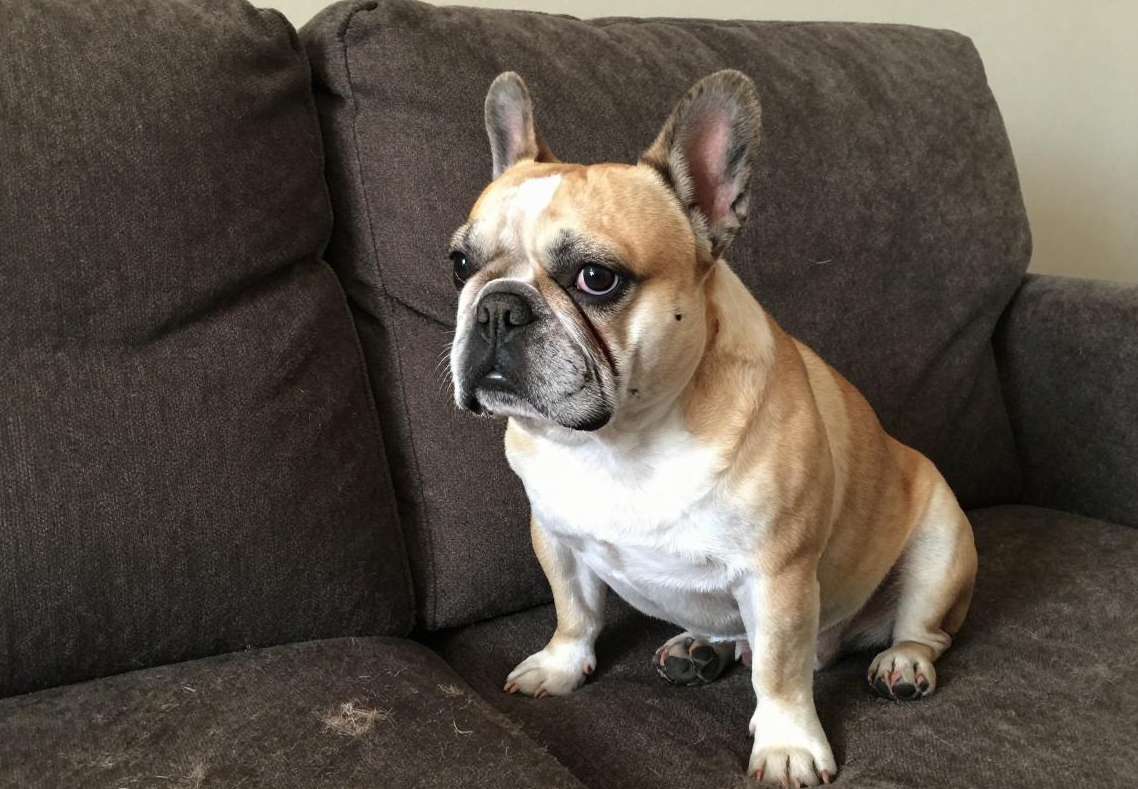
When winter arrives and snow covers the ground, many French Bulldog owners want to take their pups outside to enjoy winter scenery, yet worry that tender paw pads cannot withstand freezing temperatures. As an animal care professional with over a decade of experience working with dogs, I have seen countless cases of cracked, swollen and even frostbitten paw pads caused by neglect. This risk is especially prominent for breeds like French Bulldogs, who have delicate skin and relatively thin fat layers. Unable to speak, dogs hide all their pain behind every cautious step. Today we will thoroughly discuss how to build reliable protection for your Frenchie’s paw pads throughout winter.
Why Are French Bulldog Paw Pads Extra Vulnerable In Winter?
To solve problems, we first need to understand the root causes. French Bulldog paw pads are far less tough than many owners assume.
First, their inherent physical structure. French Bulldogs are short-haired dogs with limited natural insulation. Paw pads are one of the few body parts that make direct contact with freezing ground without fur covering. Though the stratum corneum has moderate thickness, prolonged low temperatures make it stiff and inflexible. Second, their peripheral blood circulation is relatively weak. In cold environments, the body prioritizes blood supply to vital internal organs, slowing circulation to the extremities and making paws more susceptible to cold-related injuries.
More importantly, winter hazards extend beyond low temperatures alone. Road salt and de-icing chemicals widely used in cities act as hidden dangers. These harsh substances corrode the outer layer of paw pads, triggering chemical burns, dryness and cracking. If the dog licks contaminated paws, gastrointestinal upset or even poisoning may occur. I recall treating a French Bulldog last winter with severely inflamed, ulcerated paw pads. The owner initially thought it was simple frostbite, only to discover long-term residual road salt from daily walks caused the damage.
Five Core Protection Strategies for All-Round French Bulldog Paw Care
Drawing on years of experience and real clinical cases, I have compiled this combined protection routine to safeguard paw pads from prevention through recovery.
Solution 1: Cleaning & Drying Before and After Walks — The Fundamental Step
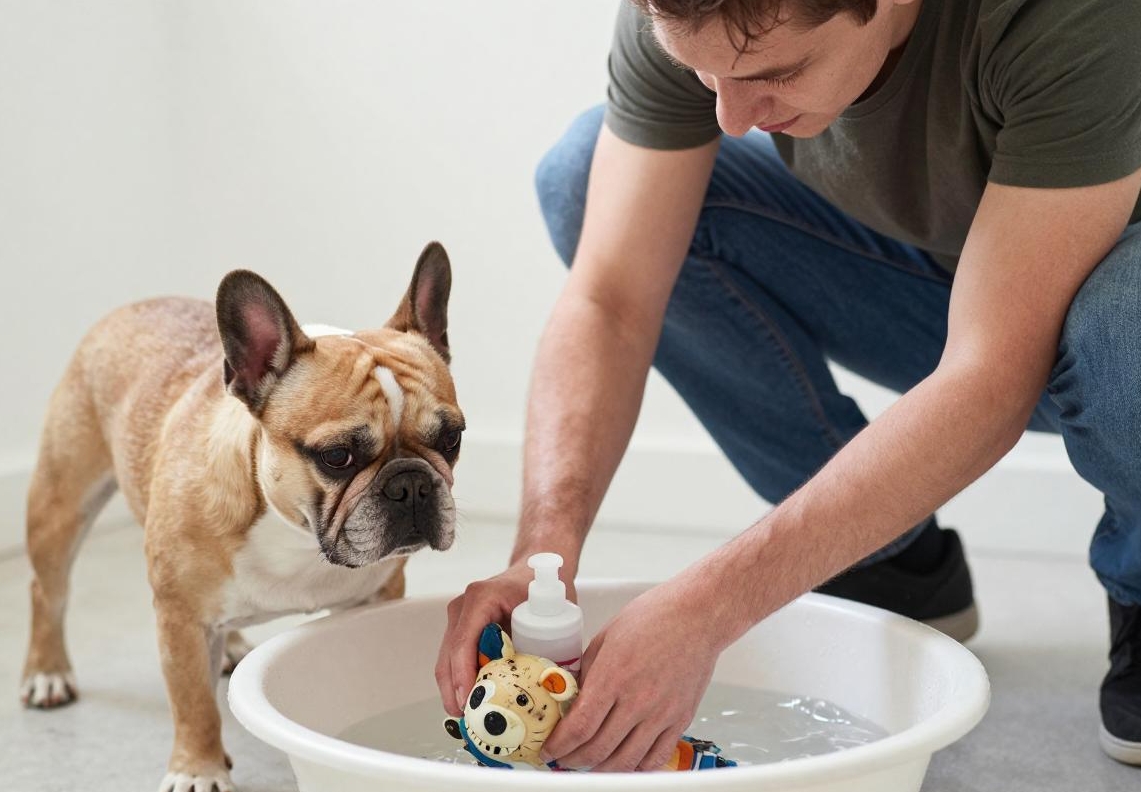
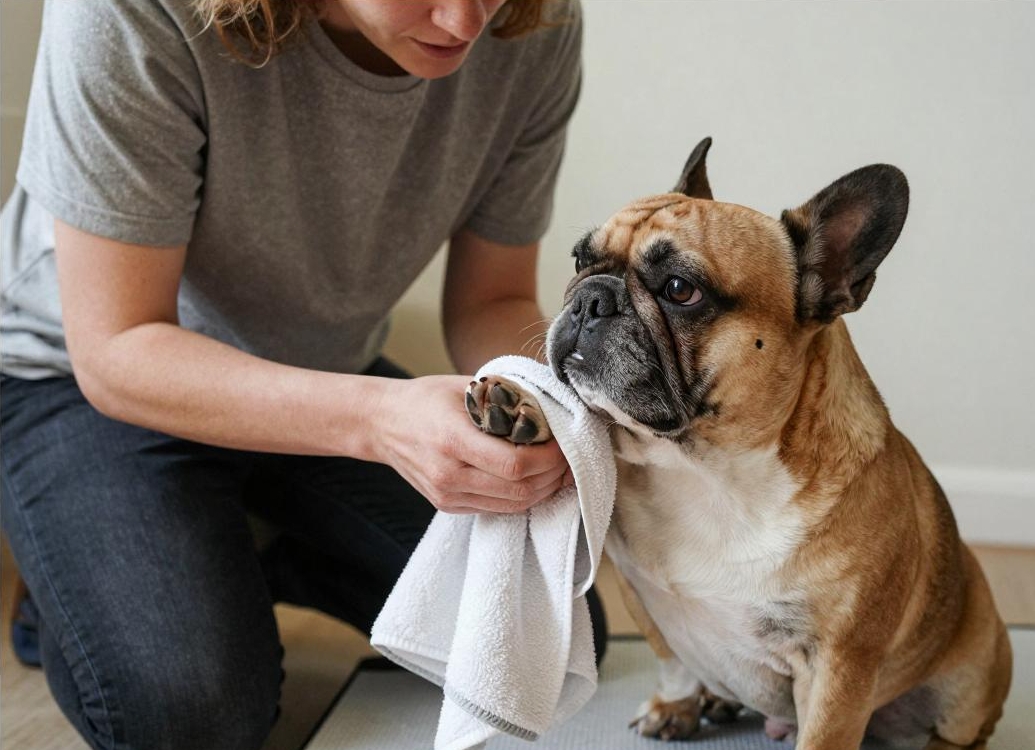
This simplest step is also frequently overlooked. After every outdoor trip, use a soft cloth dampened with lukewarm water or pet-specific wet wipes to carefully wipe all four paw pads and the spaces between toes. Pay close attention to remove tiny ice shards, grit and chemical particles trapped within pad crevices. Always use lukewarm water; overly hot or cold water irritates sensitive skin.
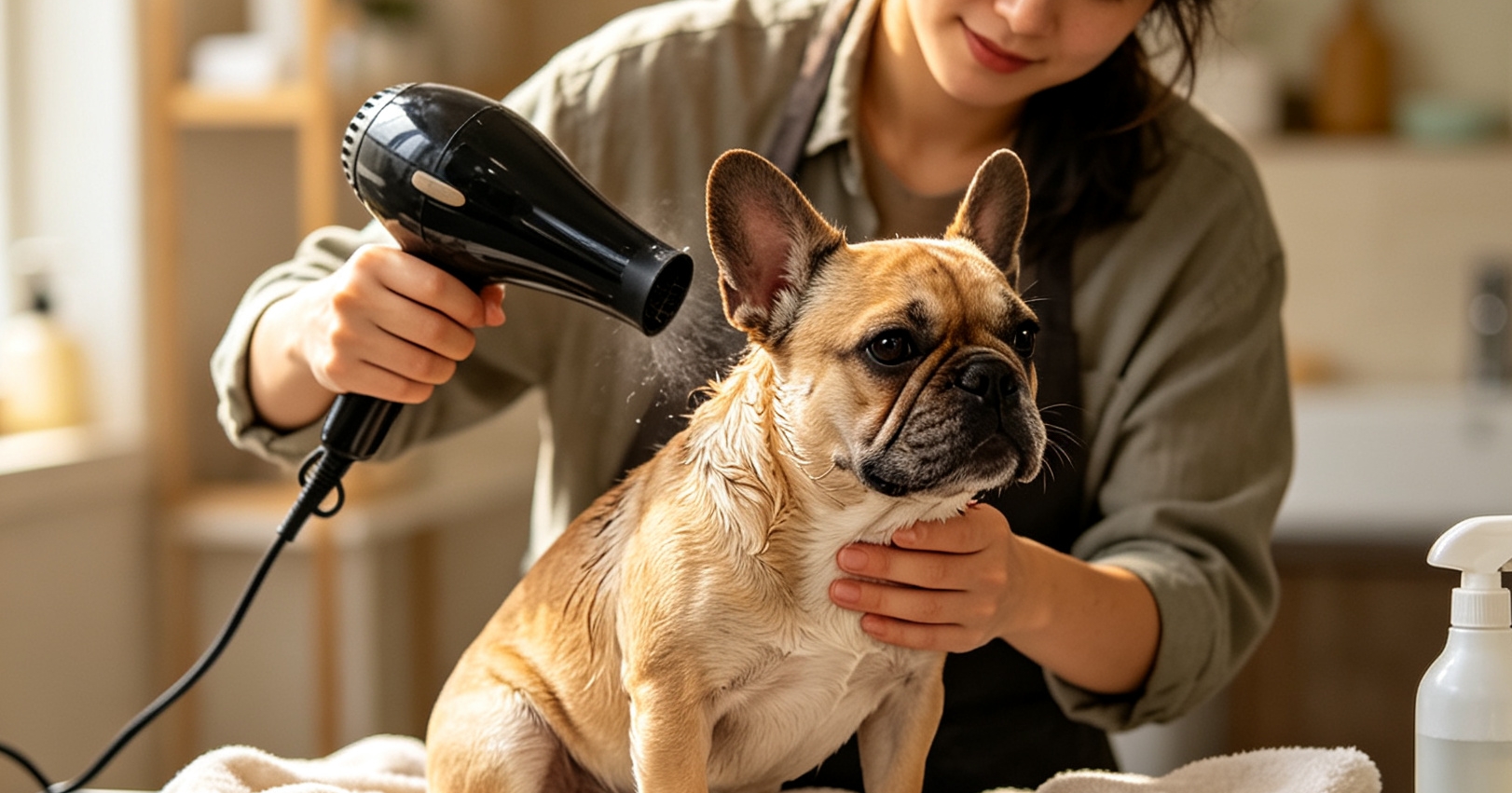
Drying is critical! Thoroughly blot away all moisture with a soft dry towel, especially between toes. Dampness triggers skin issues and accelerates heat loss. I keep a dedicated paw-wiping towel for my own dogs in winter to maintain cleanliness. If time permits, use a hair dryer on the low warm setting held at a distance to achieve full dryness; this process also boosts local blood circulation.
Solution 2: Physical Barriers — Put “Little Boots” On Paw Pads
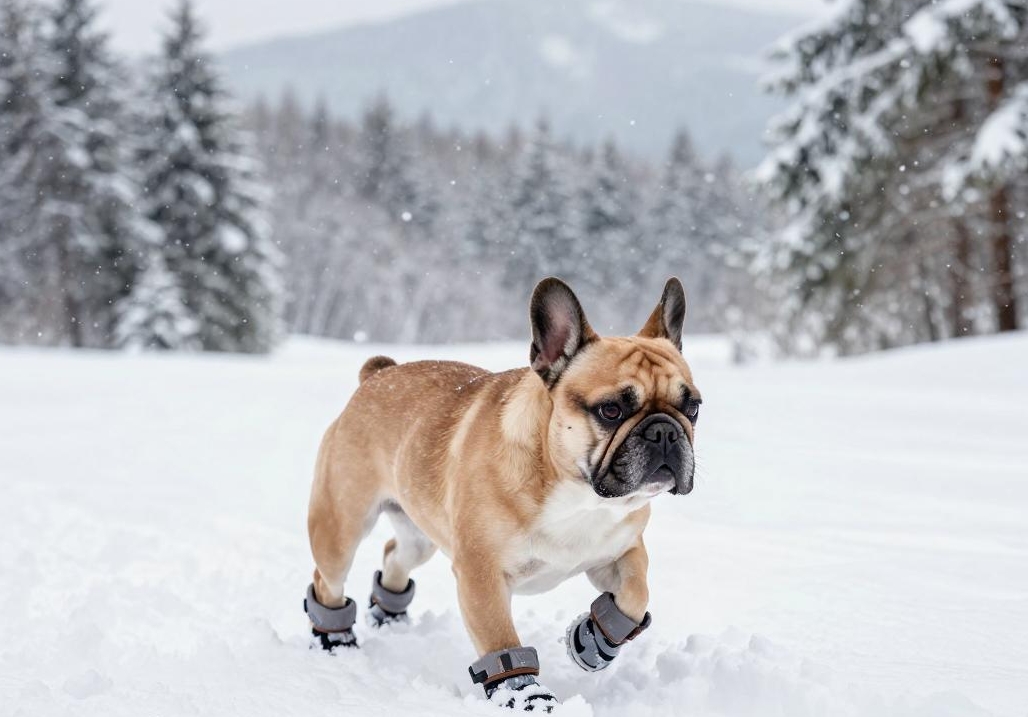
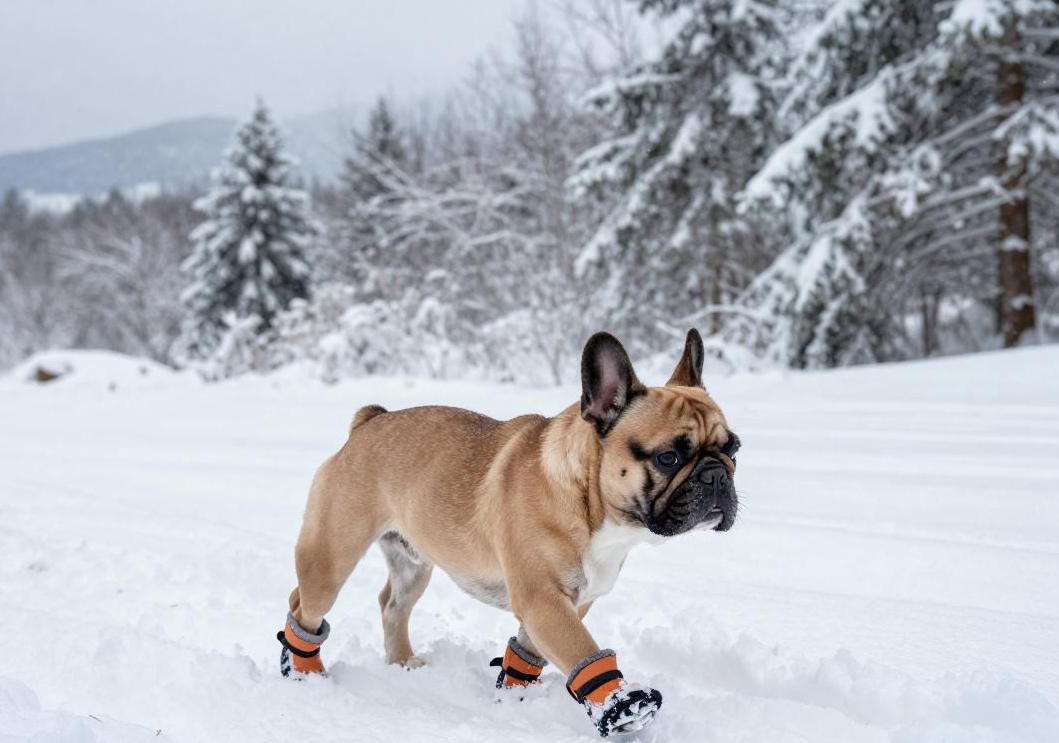
For French Bulldogs walking for extended periods on snow, ice or salt-treated pavement, pet winter boots offer the most direct protection. When selecting boots, prioritize options that are slip-resistant, waterproof, breathable and properly sized. Accurate sizing matters: overly large boots slip off easily, while tight ones restrict blood flow. Most dogs feel uncomfortable wearing boots for the first time and adopt an awkward high-stepping gait. This requires patient guidance from you.
My practical tip: do not put boots on and head straight outdoors. Let your dog wear them indoors for short sessions paired with treat rewards to build positive associations: wearing boots brings good things. Gradually extend wear time each day before using them on walks. If your dog strongly refuses boots, consider pet paw protection wax. Apply wax to paw pads before heading out; it forms a transparent protective film that isolates snow, salt and rough surfaces. Simply clean paws normally after returning home. One French Bulldog owner I recommended this to reported remarkable results, with her dog walking far more confidently outdoors.
Solution 3: Moisturizing & Repair — Give Paw Pads a SPA Treatment
Dry winter air strips moisture from paw pads, leaving them rough and cracked. Regular conditioning with pet paw balm or natural oils such as coconut oil is essential. Always confirm products feature food-safe, non-toxic ingredients to prevent harm if licked by your dog.
Application method: While your dog rests calmly, take an appropriate amount of paw balm and gently massage each pad until fully absorbed. Adjust frequency based on dryness; generally 2–3 times weekly. Increase to nightly application if minor cracking already appears. One attentive owner massaged her Frenchie’s paw pads alongside gentle petting each evening. This routine not only improved pad condition, but also greatly strengthened the dog’s sense of security and the human-animal bond.
Solution 4: Environmental Adaptation & Exercise — Build Natural Resistance
Do not eliminate outdoor activity entirely due to cold weather. Take short, regular walks during sunny, relatively mild midday hours to help paw pads adapt to cold conditions and boost foot circulation. Start with 5–10 minute sessions and slowly extend duration.
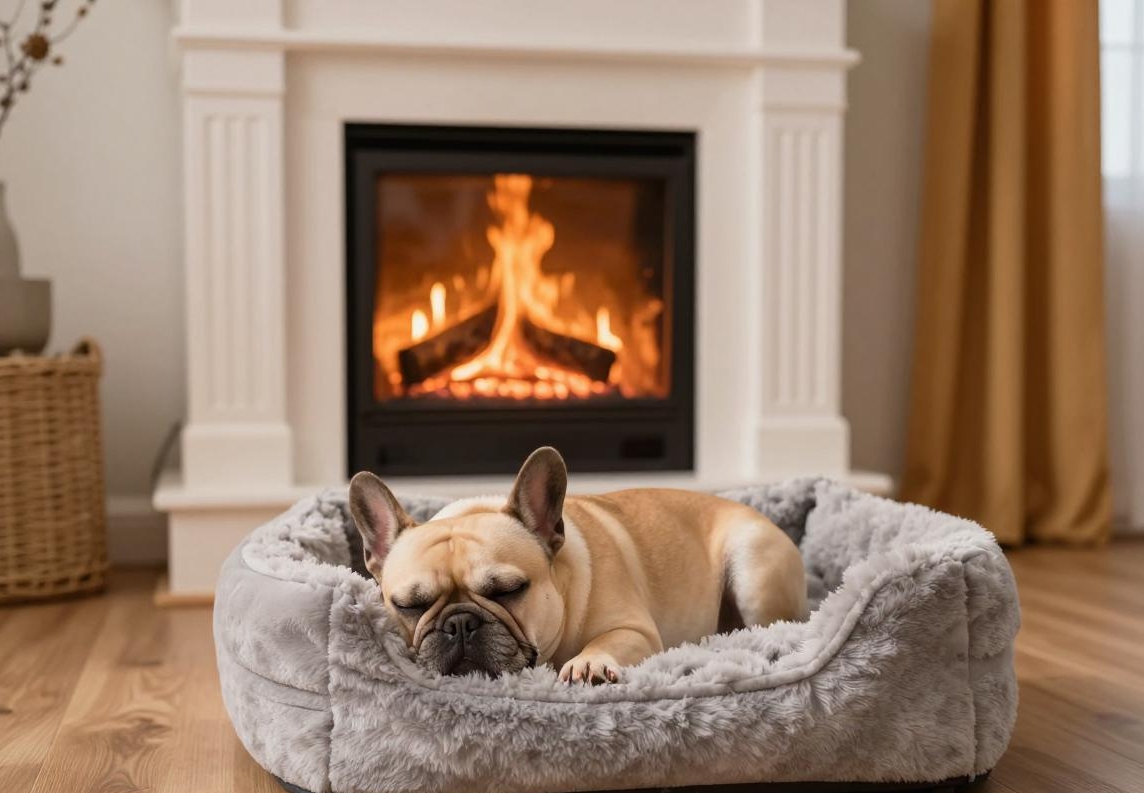
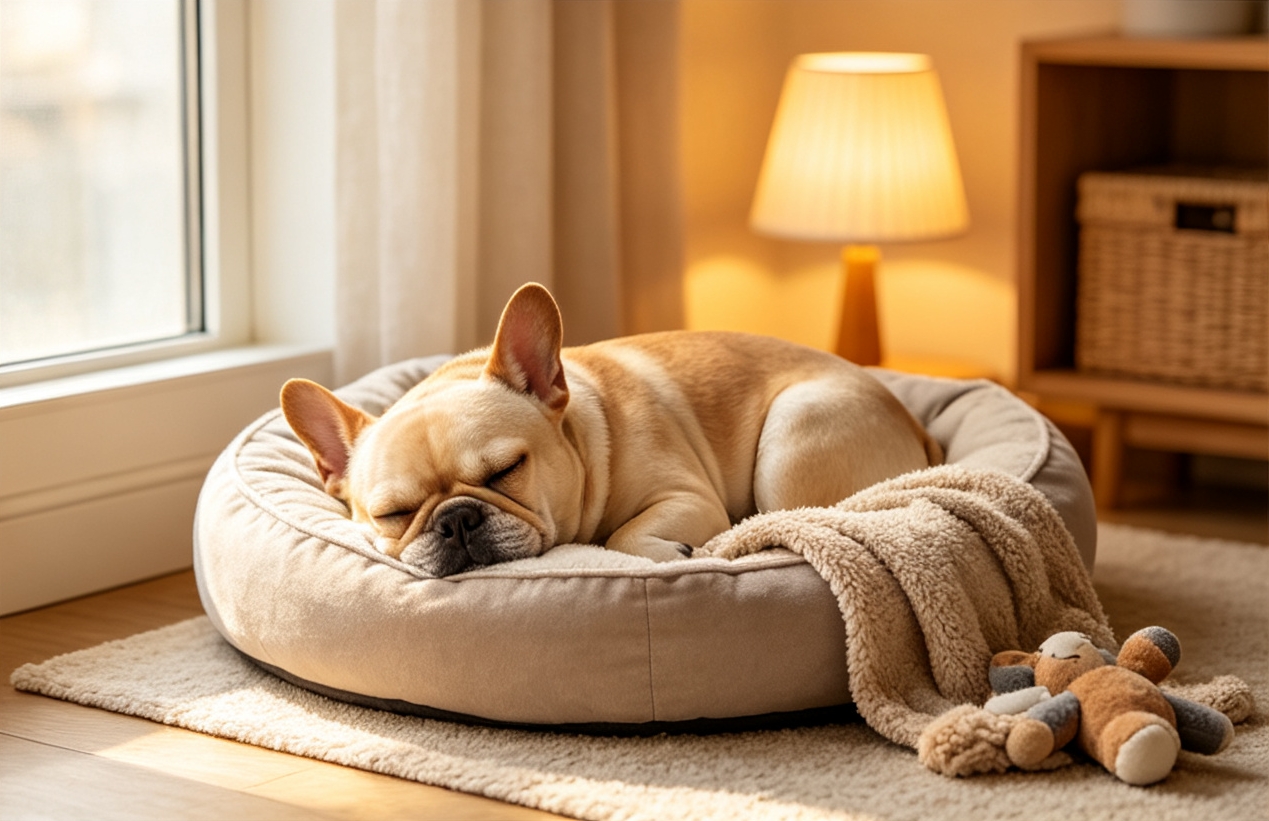
Meanwhile, improve your indoor living environment. Avoid letting your dog lie for long stretches on cold tile or marble floors. Provide a warm bed and cushion. If you use underfloor heating or air conditioning, monitor indoor humidity. Excessively dry air worsens paw pad problems; consider running a humidifier when needed.
Solution 5: Close Observation & Emergency Treatment
Make daily paw pad checks a routine task. Watch for signs including redness, swelling, blisters, hardening, cracking or bleeding. Frequent paw licking, limping or reluctance to walk are definite signals of pain.
For mild frostbite (cold, reddened skin), proper home care consists of applying lukewarm (37–40°C) damp towel compresses to slowly rewarm tissue. Never use hot water, direct heat or vigorous rubbing, which cause secondary tissue damage. After rewarming, gently dry paws and apply pet healing balm. Seek professional veterinary care immediately if blisters, ulcers or darkened skin develop — these cases are unsuitable for home management.
Mistake Avoidance Guide — Steer Clear Of These Common Errors
Mistake 1: Replacing pet products with human skincare items. Human hand cream, petroleum jelly and similar goods may contain harmful chemicals such as silicones, fragrances and alcohol. Licking these creates significant health risks for dogs.
Mistake 2: Assuming indoor dogs require no paw protection. Even without outdoor walks, dry heated indoor air causes pad cracking. Occasional trips outside for vet visits or grooming expose paws to hazardous substances.
Mistake 3: Wiping paws with snow or ice water. This triggers abrupt temperature drops, intense vasoconstriction and higher frostbite risk. Always use lukewarm water.
Mistake 4: Ignoring interdigital pododermatitis. Interdigital inflammation frequently develops in winter due to damp paws and insufficient warmth. Symptoms include redness between toes and persistent paw chewing. Keep paws dry and consult a vet promptly; distinguish this condition from frostbite for proper treatment.
Summary
Protecting French Bulldog paw pads through winter requires careful, patient, science-backed care. It covers pre-walk preparation, post-outdoor cleaning, regular moisturizing, and constant awareness of your dog’s behaviour. The core principle is prevention first, physical isolation, timely care and consistent observation. Integrate these steps into your daily routine, and your Frenchie can comfortably and safely enjoy every winter walk.
Important Reminder
The strategies shared in this article apply to routine prevention and mild cases. Contact your vet immediately if you notice large blisters, purple or blackened skin, ulceration with discharge, severe swelling, or observe signs of extreme pain, lethargy and loss of appetite. These symptoms may indicate deep frostbite or secondary infection. Stop all home treatment right away, fit your dog with an E-collar to prevent licking wounds, and visit a licensed animal hospital without delay. Timely professional veterinary intervention prevents deterioration and permanent tissue damage. May every French Bulldog owner become reliable support for their pup, accompanying them safely through every cold winter.