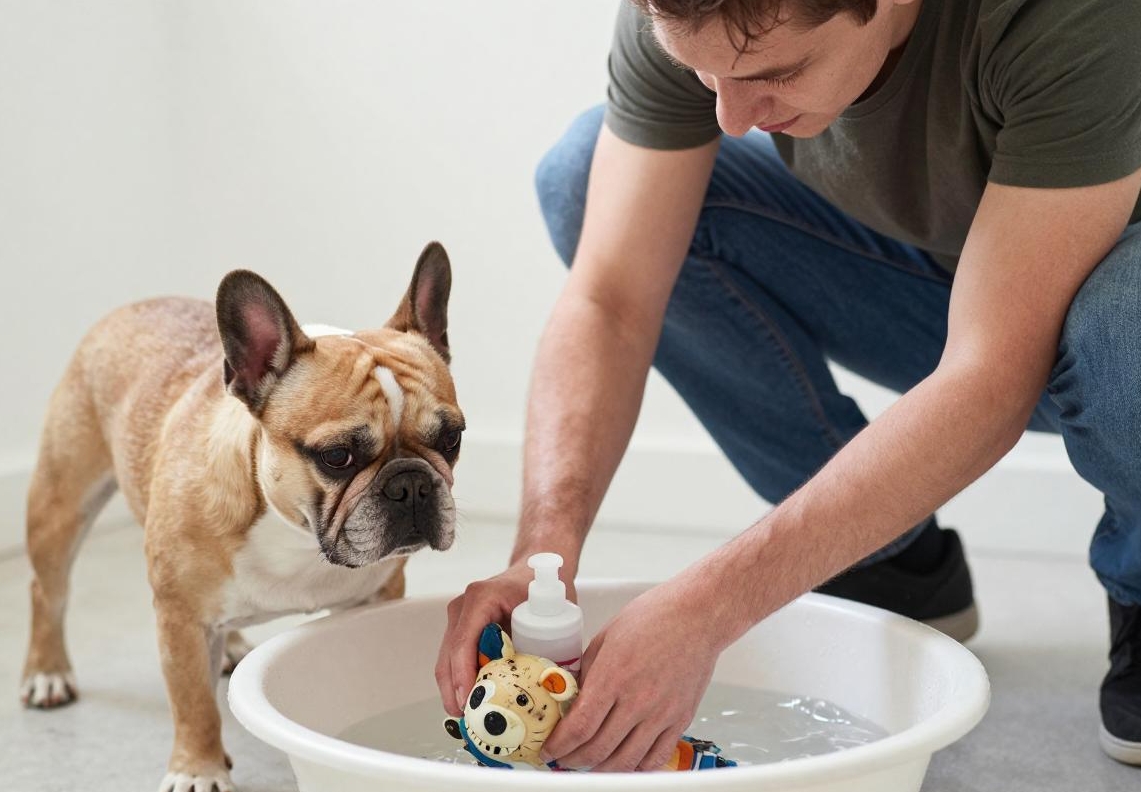
Hello everyone. After over a decade caring for energetic, emotionally sensitive breeds like French Bulldogs, I get asked the same question countless times by owners: “Doc, my French Bulldog tears up the house whenever I leave them alone — rummaging through trash cans and chewing sofas. Is he just not getting enough food? Can I leave extra kibble out to keep him occupied?” Behind this question lies immense worry and helplessness from French Bulldog parents. Today we’ll dive deep into how a clever tool — the automatic pet feeder, paired with science-backed behavioral management — can effectively ease boredom and anxiety in solo French Bulldogs.
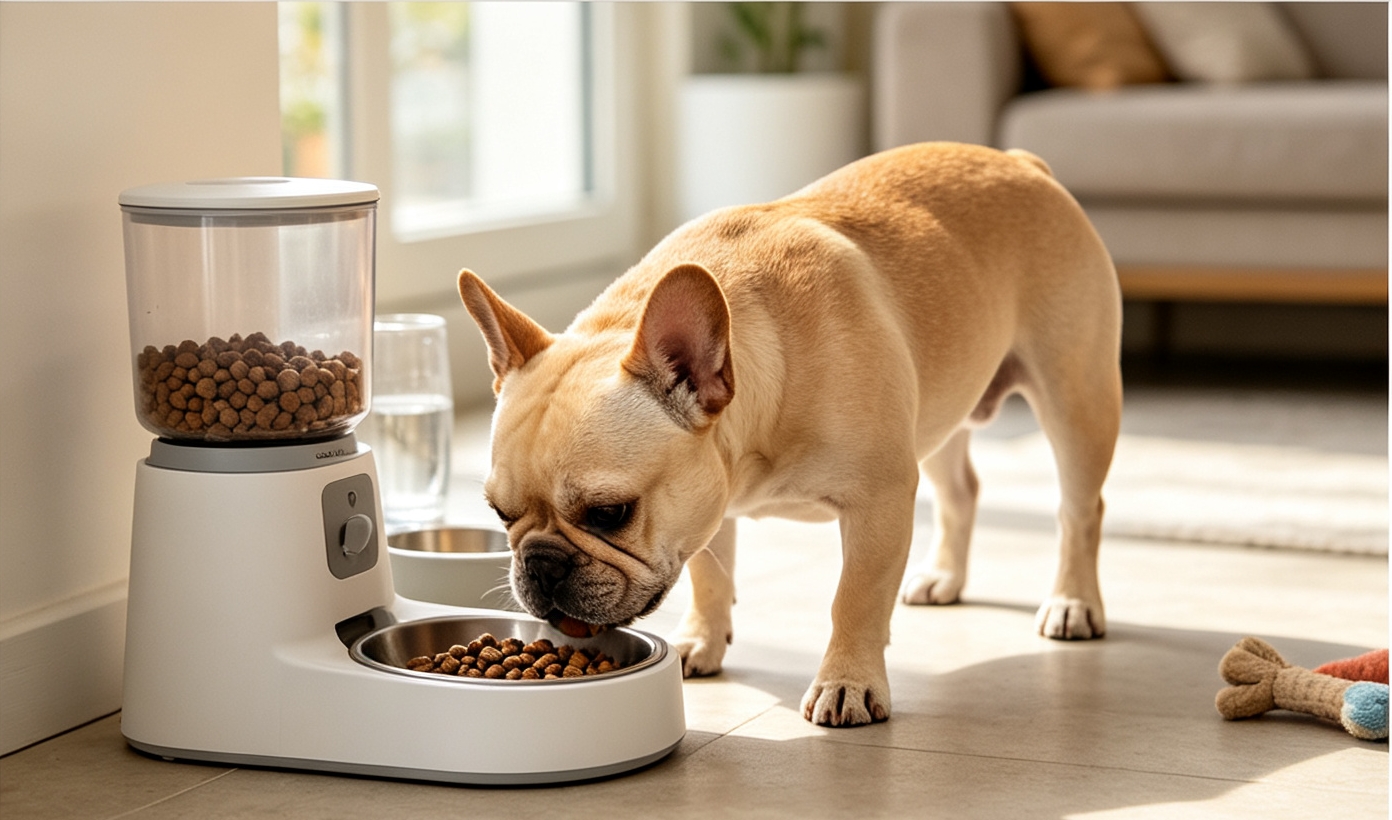
Your French Bulldog’s “Troublesome” Solo Behaviors: It’s Not Just Hunger
The first red flag most owners notice is destructive behavior. You may come home from work to find shredded paper all over the floor, chewed slippers, or fresh bite marks along your sofa edges. Second, many French Bulldogs tend to overeat frantically whenever food is available, which can trigger vomiting or indigestion. Most heartbreaking of all are clear anxiety cues: whimpering and pacing the moment you start getting ready to leave, accidental urination, or excessive obsessive licking of one body part.
These actions cannot simply be labeled “naughty” or “greedy.” They are your French Bulldog’s only way to cry out to you: “I’m so bored, stressed, and I don’t know what to do by myself!”
Root Cause Breakdown: Why French Bulldogs Struggle Being Left Alone
First, they possess intense pack dependency. Bred exclusively as companion dogs, French Bulldogs are hardwired to crave constant close interaction with their human family. Long periods of isolation contradict their innate nature and easily spark anxiety.
Second, they have surplus mental energy and untapped intelligence. Despite their sometimes laid-back appearance, French Bulldogs are quite clever and require regular mental stimulation. When left without company, their unused mental drive redirects into destructive exploration.
Lastly, incorrect food-associated conditioning amplifies issues. Many owners overcompensate by offering huge treats or meals right before leaving or immediately upon returning home. This unintentionally reinforces harmful mental links: “My human leaving means delicious food is coming” or “If I destroy things, my owner will rush back and pay attention to me.”
Practical Solutions: Build Positive Alone-Time With an Automatic Feeder
With these root causes clarified, our goal is not merely to distract your dog with food, but to transform solo hours into an experience filled with anticipation, small challenges, and rewarding wins. Automatic feeders play a vital supporting role, yet they are far from a standalone fix.
1. Pick the Right Automatic Feeder: Practical Functionality Trumps Fancy Extras
In my clinical experience, many owners purchase overcomplicated high-end feeders with minimal positive results. Quality does not depend on how many flashy features a machine has — it hinges on whether it fits your French Bulldog’s unique needs.
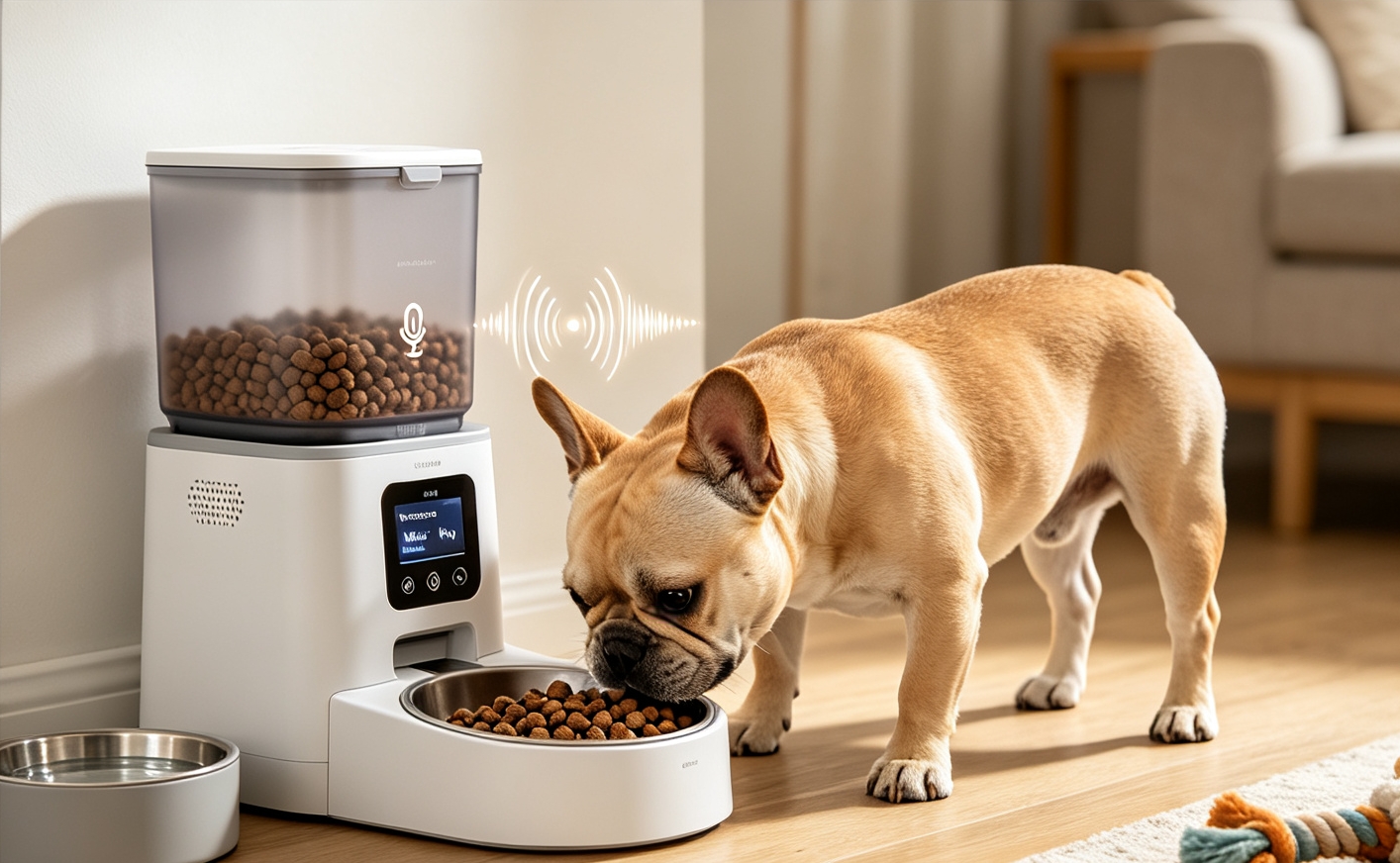
Veterinarian Insights & Recommendations: I once assisted a client whose French Bulldog Potato suffered mild separation anxiety. They initially bought a basic model that only dispensed dry kibble on a fixed timer. Potato finished all portions within minutes and remained bored afterward. I advised them to upgrade to a unit with voice recording and compatible puzzle toy attachments. Here’s how we structured the routine: - Voice Recording Function: Record calm, gentle encouraging phrases like “Good boy Potato, take your time searching for snacks.” Play the audio before food dispenses to soothe stress and add interactive engagement to mealtime. - Universal Compatibility: Choose feeders with wide dispensing chutes and ample internal space to hold small treat balls or durable chew snacks alongside standard kibble. This turns one meal into a mini scavenger game: hear your owner’s voice → receive partial kibble → roll a treat ball to earn the rest of the food. - Reliable Build Quality: Only select brands with low food-jam rates and backup batteries for power outages. French Bulldogs’ flat brachycephalic muzzles make cleaning spilled kibble difficult; repeated machine malfunctions will leave them frustrated.
2. Pair the Feeder With Puzzle Toys to Extend Enjoyable Stimulation Time
Automatic feeders handle scheduled portioned meals, but extra enrichment tools are required to fill multiple hours of alone time.
My Structured Routine Framework: I advise all owners to create a dedicated “solo toy bin” filled exclusively with food-dispensing puzzles that demand problem-solving to access rewards. Examples include: - Staged Portion Feeding: Program the automatic feeder to release 60% of morning breakfast before you head out. Hide the remaining 40% split between a snuffle mat and a treat-dispensing puzzle toy placed in separate corners of the room. - Weekly Toy Rotation: Never leave all enrichment toys out at once. Swap 2–3 toys each week to preserve novelty. My top recommendations include Kong toys (stuff with yogurt and kibble then freeze), snuffle mats, and treat balls of varying difficulty levels. - Non-Negotiable Safety Rules: Ensure every toy is larger than your dog’s throat opening and cannot be chewed into swallowable fragments. Tough nylon or natural rubber constructions offer the best safety profile.
3. Establish Calm Departure & Homecoming Rituals to Break the Anxiety Cycle
The automatic feeder should activate within a relaxed atmosphere, not rushed chaos right as you dash out the door.
Step-by-Step Client Training Guidance: - 10–15 minutes before leaving, calmly set up the automatic feeder and lay out enrichment toys. Then ignore your dog completely to finish prepping your bag and changing shoes. - Skip lengthy emotional goodbyes. A casual light-toned line like “See you later, watch the house” is sufficient. - Most critical rule: Completely ignore your French Bulldog for the first 5 minutes after returning home. No eye contact, petting, or conversation no matter how excitedly they greet you. Carry out routine tasks such as putting away keys and changing clothes first. Only offer soft pets and greetings once all four paws are planted firmly on the floor and they sit quietly watching you. This breaks the conditioned cycle of “owner’s arrival = hyper excited playtime” and teaches them calm behavior earns human attention.
4. Dedicated Alone-Time Desensitization Training, Starting With Tiny Intervals
Automatic feeders act as helpful training aids, but the core solution lies in building your dog’s tolerance for solo time.
Real-World Training Case: I guided Potato’s owner to start desensitization training with just 30 seconds out of sight. The owner stepped into a closed bathroom; if Potato did not bark or scratch at the door, the human emerged after 30 seconds and triggered the feeder to release a tiny reward treat (separate from full meals). Gradually extend intervals to 1 minute, 2 minutes, 5 minutes, and eventually a full half-hour alone in another room. Throughout this process, the feeder delivers surprise positive reinforcement for calm solo behavior and drastically accelerates training progress.
5. Guarantee Sufficient Physical Exercise & High-Quality One-on-One Companionship
A mentally and physically fatigued dog stays relaxed at home. Schedule a minimum of one 30+ minute leash walk daily, plus 10–15 minutes of interactive play like tug-of-war or fetch. Quality in-home bonding is more than sitting silently beside them — spend 5 minutes daily practicing obedience cues or learning new tricks; this brief focused mental workout tires their brain far more than an hour of absentminded petting.
Mistake Avoidance Guide: Common Errors When Buying & Using Automatic Feeders
Myth 1: Purchasing a feeder fixes all separation issues permanently. Automatic feeders are tools, not magic solutions. They only deliver results when combined with consistent behavioral training and enriched home environments.
Myth 2: Oversized feeders or inaccurate portion dispensing machines are acceptable. French Bulldogs are prone to weight gain, so precise calorie control per meal is essential. Select models with exact gram portion adjustment and mobile app monitoring to eliminate overfeeding risks.
Myth 3: Only use the feeder for dry kibble. Maximize its entertainment value by loading compatible varied treats such as freeze-dried meat bites to add unexpected excitement each dispensing cycle.
Myth 4: Neglect regular deep cleaning. Built-up food grease spoils quickly and breeds harmful bacteria. Fully disassemble, wash, and sanitize the food hopper and dispensing chute every week following the manufacturer’s instructions.
Summary
Easing boredom and separation stress in French Bulldogs is a journey built on empathy, patience and science-backed training methods. A well-matched automatic feeder becomes a powerful supportive tool, reframing food from a mere comfort distraction into a positive reward for calm alone time, and linking your departure to the start of fun enrichment games. Keep in mind success relies on careful feeder selection, strategic pairing with puzzle toys, consistent calm daily rituals, and gradual desensitization training. When you watch your French Bulldog spend solo hours relaxed and eagerly anticipating their enrichment activities, the sense of accomplishment will be a priceless gift for both you and your pup.
Friendly Veterinary Disclaimer
The strategies shared in this article apply to most French Bulldogs displaying behavioral struggles stemming from boredom or mild separation anxiety. Seek immediate professional support from a certified canine behaviorist or licensed veterinarian if your dog develops any of these severe symptoms: persistent self-mutilation (chewing skin open), nonstop prolonged barking/howling, destructive attempts to break through doors/windows to escape, or physical distress such as severe diarrhea/vomiting while left alone. These signs indicate severe clinical separation anxiety or underlying medical conditions requiring full professional assessment, plus combined medication and behavioral modification therapy when necessary. A pet’s mental wellbeing carries equal importance to their physical health, and early professional intervention delivers vastly improved long-term recovery outcomes.