Hi everyone, I’m Jay. I’ve worked in professional pet grooming for a decade, and I’ve seen countless dogs fall ill simply because they weren’t dried properly after bathing. Today I want to talk to all French Bulldog parents about a seemingly simple yet critical topic: how to use a professional pet dryer to fully and quickly dry your Frenchie, and minimize their risk of catching a cold.
Why Do French Bulldogs Catch Colds So Easily After Baths?
Many owners ask the same question: “I rubbed him dry with towels thoroughly, so why is he sneezing and having a runny nose?” This isn’t your fault—it’s caused by the unique physical makeup of French Bulldogs.
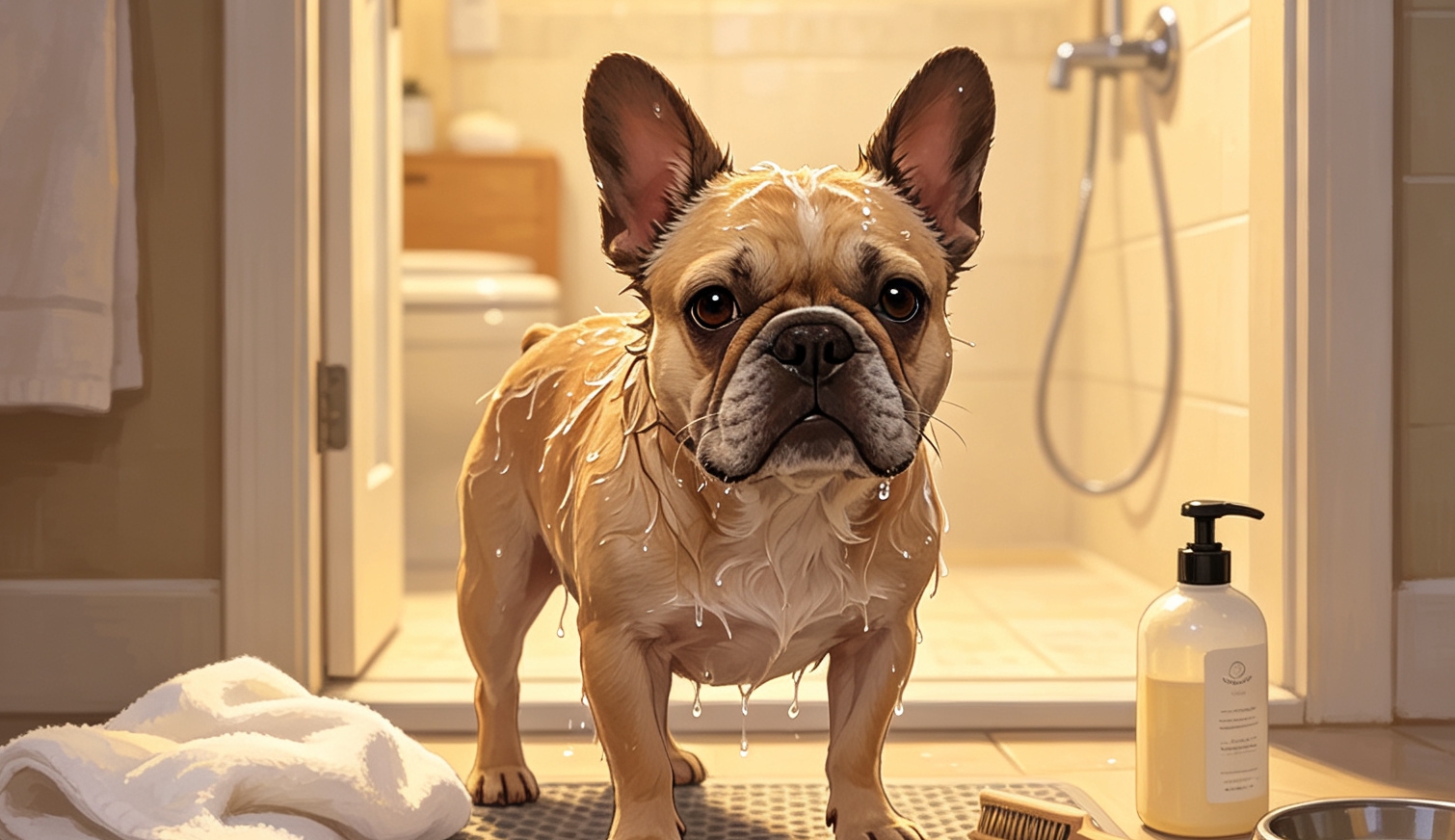
First, French Bulldogs are short-haired breeds with dense, close-fitting coats. Once saturated, water gets trapped tightly against the skin and hair roots. Towels only wipe surface moisture away, leaving skin folds and deep hair roots damp. This “dry on top, wet underneath” state saps body heat rapidly, just like wearing damp undergarments for humans.
Second, and most importantly, French Bulldogs have abundant skin folds, especially on their faces, necks and tail bases. These cute wrinkles create perfect damp breeding grounds for bacteria. If folds stay wet post-bath, skin issues such as dermatitis and eczema will develop quickly. Cool air hitting damp skin also triggers fast body temperature drops.
Lastly, Frenchies are brachycephalic (short-nosed) dogs with short respiratory tracts and weak thermoregulation, making them extremely sensitive to temperature shifts. A poorly dried coat can easily lead to colds or even pneumonia. I’ve treated dozens of cases where upper respiratory infections stemmed from a single under-dried bath—treatment is time-consuming, expensive, and stressful for your dog.
Core Tool: Scientific Selection & Proper Use of a Professional Pet Dryer
A good craftsman relies on quality tools. A dedicated professional pet dryer is essential to fully resolve French Bulldog drying struggles. Unlike household hair dryers, pet dryers deliver far stronger airflow with mild, adjustable heat that penetrates thick coats all the way to the skin surface.
Solution 1: How to Pick the Perfect Pet Dryer for French Bulldogs
The market is flooded with pet dryers—don’t get overwhelmed. Based on years of testing and client recommendations, focus on these four key criteria:
1. Wattage & Airflow: French Bulldogs are small-to-medium dogs; you don’t need heavy-duty commercial max-wattage units. Models rated 2000W–2800W work perfectly. This moderate power delivers concentrated, powerful airflow for fast drying without frightening your dog with excessive blast force. I once bought a so-called ultra-quiet 1600W unit; drying a standard-sized Frenchie took 40 minutes straight, leaving his hindquarters and groin still damp. After upgrading to a 2400W dryer, my drying efficiency more than doubled.
2. Temperature Control: Always choose models with constant temperature heating or multiple adjustable heat settings. French Bulldog skin is delicate; sustained high-temperature hot air burns skin and strips protective natural skin oils. Constant-temperature mode delivers steady, gentle warm airflow that’s safe and comfortable. My personal routine: dry to 80% dry with medium heat, then finish with cool or low-temperature air to lock in full dryness for maximum comfort.
3. Noise Level: French Bulldogs have sensitive temperaments and are easily terrified by loud machinery. Check the decibel rating listed on product specs and opt for lower-noise versions. Read real customer reviews online, or test the unit in-store if possible to judge sound volume. Remember: the best tool is one your dog won’t fear.
4. Extra Functional Attachments: Units with concentrator nozzles are far more practical. Concentrated airflow targets hard-to-dry areas including deep skin folds, paw crevices and skin behind ears. My go-to accessory is a detachable flat narrow nozzle that works wonders on wrinkled skin zones.
Solution 2: Step-by-Step Correct Drying Process & Technique
Even with the right dryer, poor technique wastes time and can leave lasting fear in your dog.
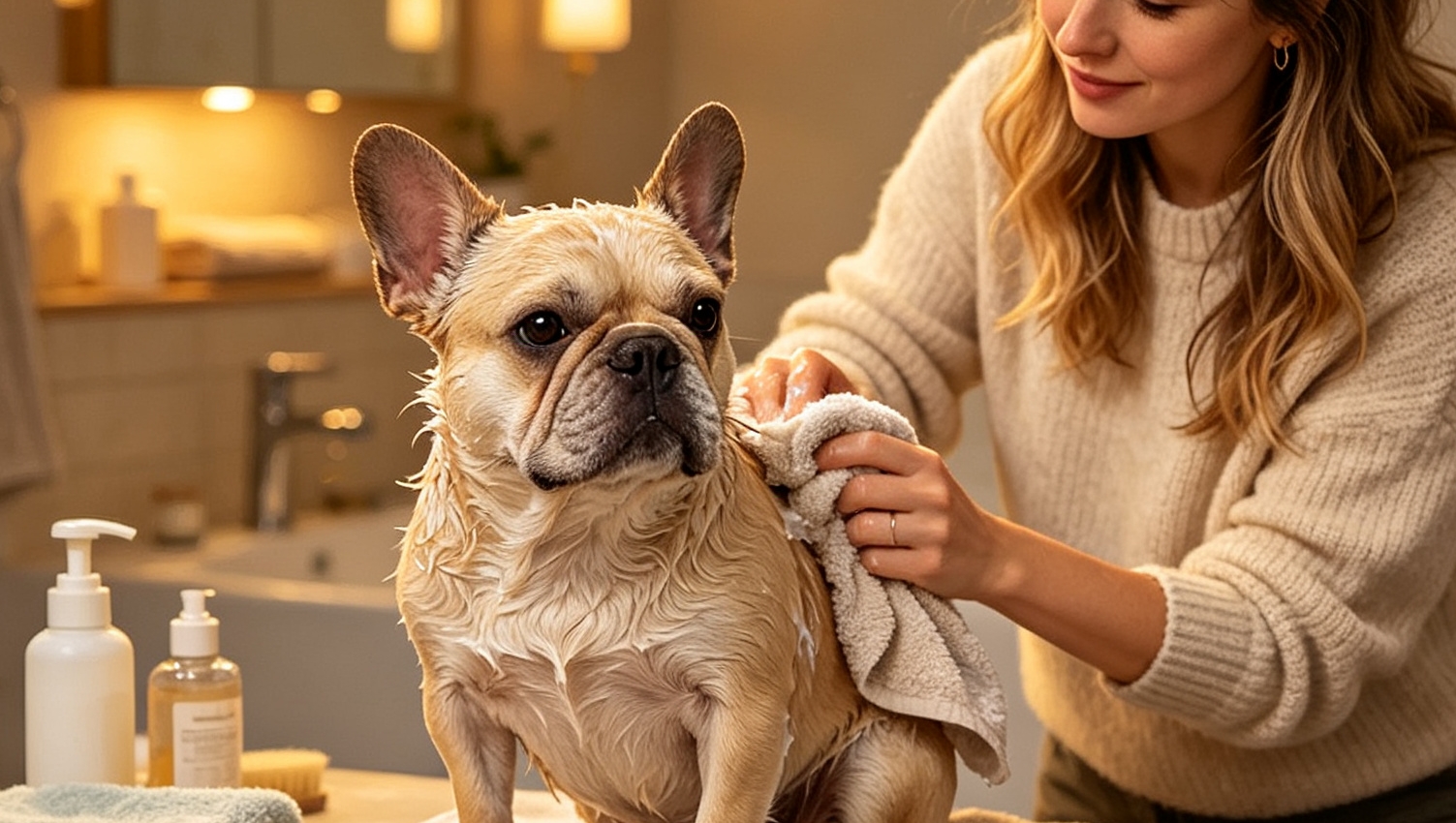
Step 1: Pre-Drying Prep After Bathing. Immediately after bathing, use super absorbent chamois cloths or specialized pet towels to blot out as much surface moisture as possible. Do not rub back and forth—this damages hair cuticles and causes matting. Focus on blotting the head, back, belly and all four limbs.
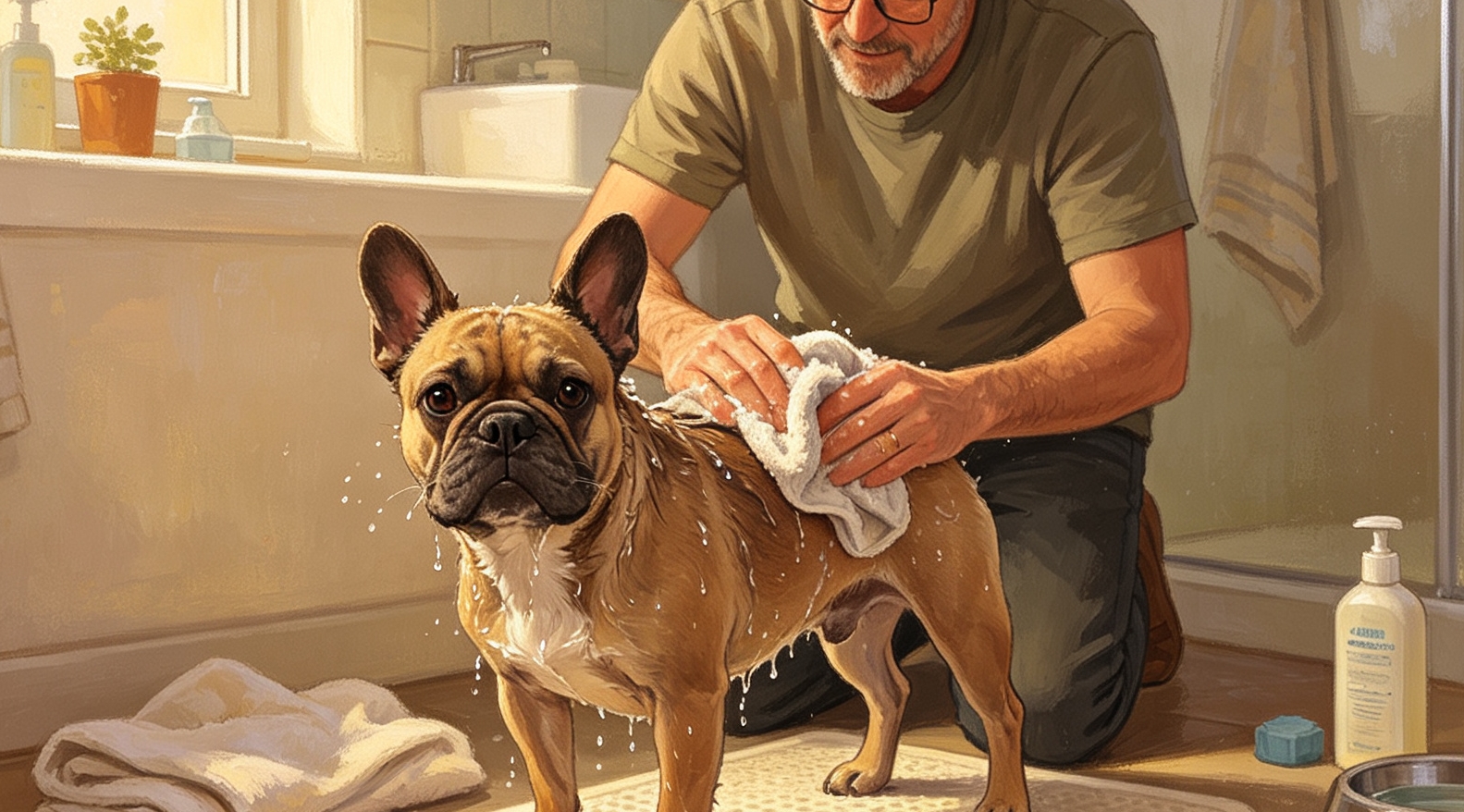
Step 2: Zone Drying, Work From Rear to Front. Set the dryer to medium airflow and constant temperature heat. Never start with the head first—it will stress your dog. My standard order is:
1. Back & Hindquarters: Use one hand to lift fur against the grain, hold the dryer with your other hand following natural hair growth, and continuously ruffle fur to force airflow all the way to the skin. This thick-coated zone is your highest priority.
2. Belly, Armpits & Groin: Skin here is thin and sensitive—drop airflow to low speed and thoroughly lift fur to dry every layer. Always fully separate and dry deep groin skin folds on Frenchies!
3. Limbs & Paws: Lift each paw individually and blow dry every toe crevice. Persistent dampness here causes interdigital pyoderma (interdigital inflammation).
4. Neck & Chest: Pay extra attention to all skin wrinkles in this area.
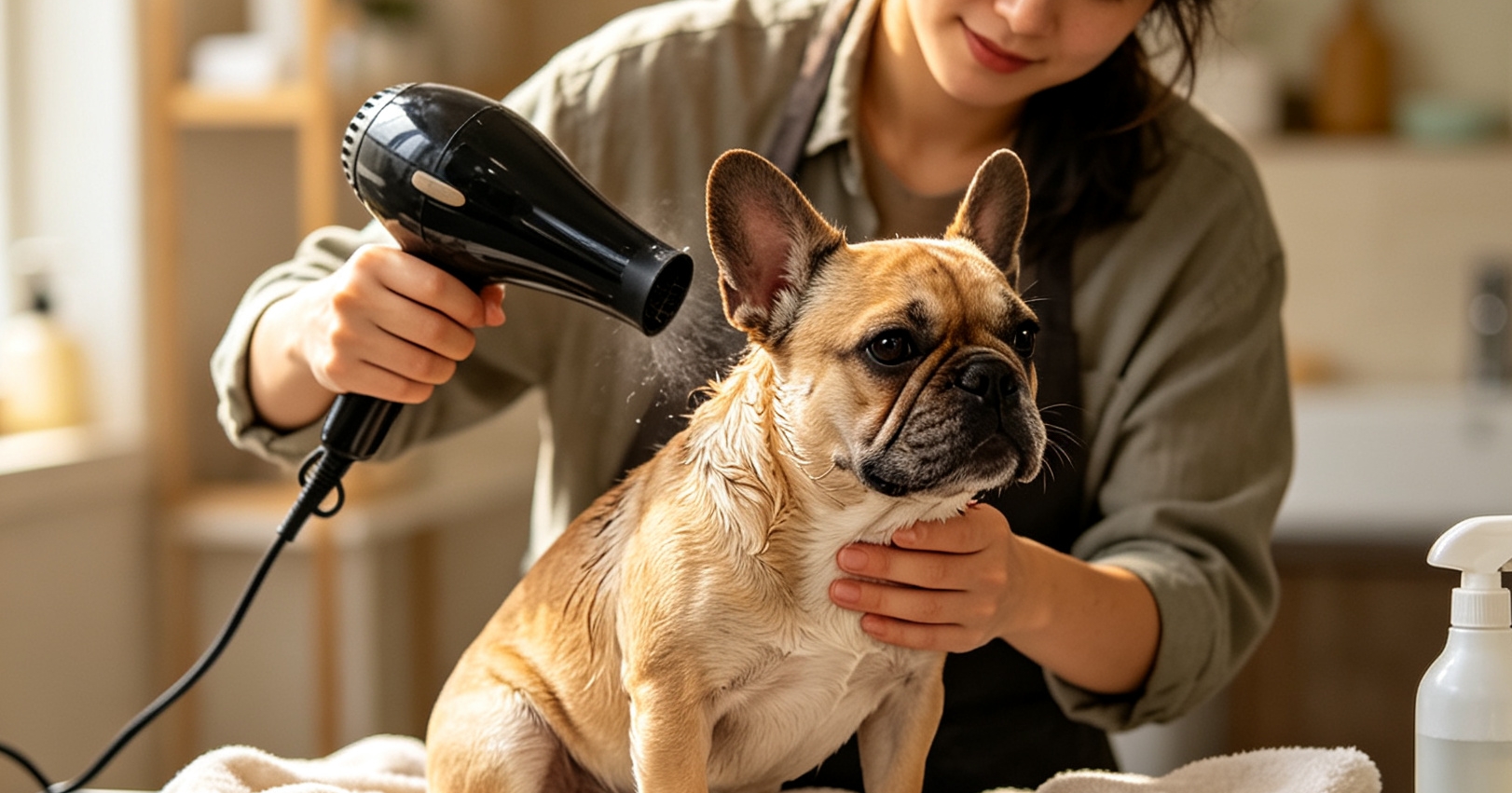
5. Face & Head Last: Turn airflow to the lowest setting, cup your hand to shield your dog’s eyes and ears, then quickly dry the forehead and cheeks. For tight facial folds, first absorb residual moisture with cotton swabs, then blow dry gently from a distance.
Step 3: Final Full-Body Inspection. Run your hands across every inch of your dog’s skin, paying close attention inside all folds, behind ears, and under the tail base. Every section must feel fully dry and warm to the touch. If any cool, damp patches remain, re-dry until completely moisture-free.
Solution 3: Build Positive Associations & Regular Coat Maintenance
Most dogs fear drying because they link the dryer to unpleasant experiences—we can reverse this mindset.
1. Desensitization Training: On non-bath days, place the dryer on the floor and let your dog sniff it freely. Turn the unit on far away while offering high-value treats such as chicken jerky. Gradually move the dryer closer over multiple sessions, teaching your Frenchie “dryer noise = delicious snacks.” Be patient—this process may take several days or weeks.
2. Create a Comfortable Drying Environment: Always dry your dog indoors in a warm, draft-free space. Lay a non-slip mat on the floor for stable footing. My Frenchie Potato used to hate drying sessions, but he feels secure standing between my legs on a non-slip mat with his back pressed against me—his cooperation improved drastically.
3. Weekly Brushing & Skin Checks: Brush your French Bulldog’s coat 2–3 times weekly with a rubber curry brush or pin brush. Brushing removes loose undercoat, boosts blood circulation, and lets you spot emerging skin issues early. Fully brushed, tangle-free coats dry far faster post-bath.
Mistake Avoidance Guide: Stop Making These Common Drying Errors!
Mistake 1: Only drying surface fur, ignoring under-skin dampness. This is the most widespread error. Owners assume fluffy top fur means fully dry skin, yet their dog still develops colds. Remember the golden rule of drying: your finish line is completely dry skin, not fluffy outer fur.
Mistake 2: Holding the dryer too close or using excessive heat. Maintain a minimum 15–20 cm distance between the dryer nozzle and your dog’s body, and keep the unit moving nonstop. Never blast hot air on one single spot to avoid thermal burns.
Mistake 3: Ignoring ambient room temperature. Do not dry your dog under direct air conditioning or ceiling fan drafts. Keep the entire bathing and drying space consistently warm (approximately 25°C).
Mistake 4: Taking your dog outdoors immediately after drying. Pores remain open post-drying. Let your Frenchie rest quietly indoors for 30–60 minutes to stabilize body temperature before heading outside.
Summary
Caring for a French Bulldog demands careful attention to tiny daily details. Complete post-bath drying is never a trivial chore—it forms a critical barrier protecting their long-term health. Invest in a suitable professional pet dryer, master proper drying techniques, and pair training with positive reinforcement. You’ll complete grooming efficiently and effortlessly, drastically cutting your Frenchie’s risk of bath-induced colds. There’s no greater reward than watching them curl up and snuggle happily beside you, fresh and fully dry.
Important Reminder
The guidance shared in this article covers routine home grooming and preventative care. If your French Bulldog develops persistent lethargy, loss of appetite, frequent coughing, thick nasal discharge, or elevated body temperature (dry, warm nose; normal canine temperature ranges from 38°C to 39°C) after bathing, these signs signal a worsening cold or secondary respiratory infection including pneumonia. Stop home observation immediately and take your dog to a licensed veterinary clinic for professional diagnosis and treatment. Early detection and intervention are the key to protecting your Frenchie’s wellbeing.