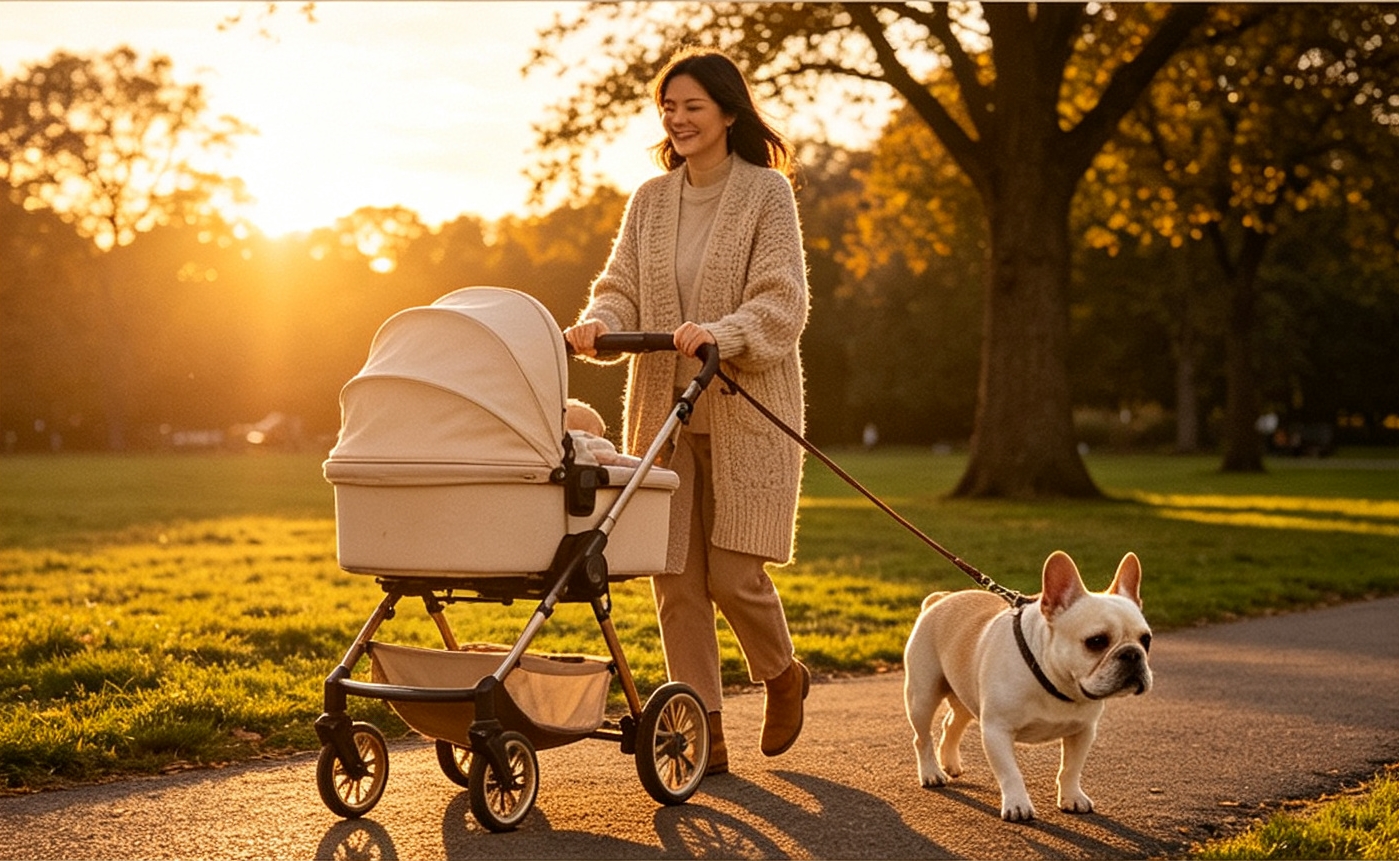
Hello everyone. Today I would like to talk about a down‑to‑earth topic: couples keeping pets together. Especially when you choose the lovely yet high‑maintenance French Bulldog, proper division of labour is critical to stop your furry companion from becoming a source of arguments. Over years of clinical work and consultations, I have seen many couples whose relationships suffered from trivial pet‑related disputes, leaving the pet as an innocent “caught‑in‑the‑middle” victim. I want to share practical insights to help you plan ahead, preserving joy for yourselves and good health for your French Bulldog.
1. Why Do French Bulldogs So Easily Trigger Conflicts Between Couples?
The French Bulldog, affectionately called Frenchie, is a gentle, expressive and excellent companion dog. Yet its special physical traits and needs become a real test for a couple’s teamwork and patience.
First of all, French Bulldogs typically have sensitive “delicate stomachs”. Their digestive systems are fragile; they are prone to food allergies, flatulence and loose stools. Too many treats today may trigger gastrointestinal upset tomorrow. Who cleans up the mess? Who takes the dog to the vet? Without prior agreements, mutual blame easily arises.
Second, skin folds and respiratory tracts demand special care. Facial folds left uncleaned daily quickly become inflamed. As brachycephalic dogs, French Bulldogs overheat easily; improper walking schedules in summer carry high heat‑stroke risk. These simple‑sounding daily tasks require consistency. Who wipes facial folds? Who adjusts walking plans during hot weather? Small unresolved chores build resentment over time.
Third, training requires consistent rules from both partners. For house‑training, for example: if one partner allows the dog on the sofa while the other strictly forbids it, the dog grows confused and behavioural problems worsen. Inconsistent training standards often escalate into accusations like “You spoiled him”.
Finally, imbalanced financial and emotional investment. Dog food, treats, toys, regular grooming and unexpected veterinary bills — how will these costs be shared? More importantly, when lots of time is needed for companionship and training, resentment builds if only one partner contributes while the other acts as a free‑rider.
2. Turn Conflict Into Teamwork: Three Core Division‑of‑Labour Solutions
In response to these pain points, I recommend couples treat pet‑keeping like running a small joint project. Core principles: clarity, fairness, flexibility and affection. Below are practical solutions illustrated with real‑life client cases.
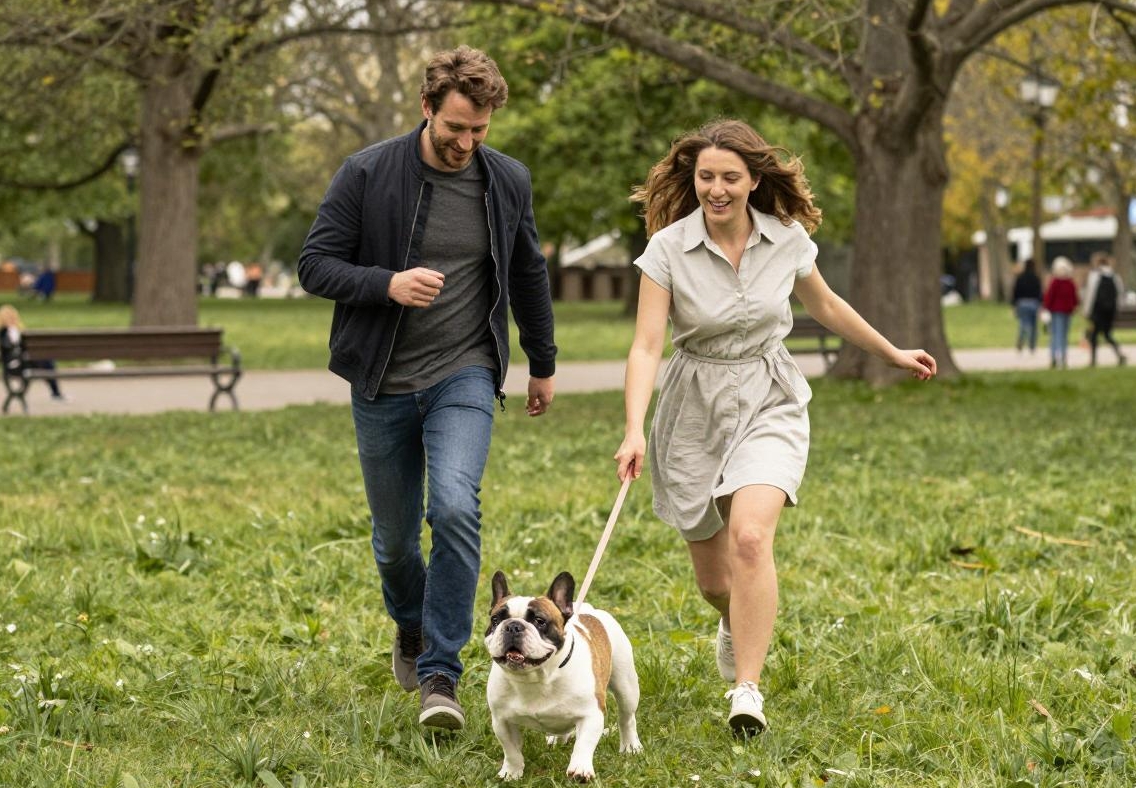
Solution 1: Create a Pet Daily‑Task Checklist and Assign Clear Responsibilities
This is the most fundamental and effective step. Do not rely on vague intentions; write everything down on paper or in a shared mobile note.
Real‑world case: I consulted a couple nearly arguing over feeding habits. The husband liked giving extra human ham sausage in the morning, causing pickiness and foul‑smelling stools. The wife insisted on feeding only formulated dog food, sparking constant quarrels.
Our solution: We jointly drafted a detailed French Bulldog Daily / Weekly Care Checklist with primary person‑in‑charge (Role A) and backup person‑in‑charge (Role B). Example entries:
- Feeding & water (Role A: husband, Role B: wife):
‑ Fixed‑portion prescription gastrointestinal‑sensitive dog food twice daily (morning and evening).
‑ Probiotics added every Monday, Wednesday, Friday.
‑ Strict ban on human‑table food or snacks.
‑ Wash water bowl and refill fresh water every day. - Cleaning & grooming (Role A: wife, Role B: husband):
‑ Wipe facial folds, eye corners and mouth corners with pet‑safe wet wipes morning and evening, then pat dry with tissue.
‑ Full bath with pet‑formulated shampoo once weekly; ensure skin folds are thoroughly dried.
‑ Clean indoor dog toilet daily or immediately pick up outdoor faeces. - Exercise & enrichment (Role A: husband, Role B: wife):
‑ Walk twice daily during cool hours for 15‑20 minutes; no outings in high‑temperature conditions.
‑ 10‑minute indoor interactive play daily (snuffle mat, tug‑of‑war rope).
Once tasks were visualised, arguments turned into cooperation. Following clear rules, the husband performed his feeding duties reliably and the dog’s gastrointestinal issues improved rapidly.
Solution 2: Set Up a Pet Fund and Agree Veterinary‑Decision Protocols
Talking through money upfront protects your relationship. Pre‑negotiating cost‑sharing prevents countless future disagreements.
Real‑world case: A young couple’s French Bulldog swallowed a toy and needed costly endoscopic surgery. Neither had set aside funds. A fierce argument erupted in‑clinic over who should pay most and whether to choose the premium treatment, while the dog could not wait for care.
Our solution:
- Monthly pet fund: Both partners deposit equal sums into a shared account (or shared wallet feature) each month to cover regular expenses: dog food, treats and supplies. This supports fairness and builds saving habits.
- Veterinary emergency reserve fund: Beyond the regular pet fund, save an additional monthly amount reserved exclusively for sudden illnesses. Adjust the amount according to your financial situation.
- Pre‑agreed medical‑decision principles: For common illnesses with estimated costs below 50 % of the emergency fund, the partner attending the vet appointment may decide on‑site. For major surgery or high‑cost treatment exceeding the reserve fund, both must discuss together, prioritising professional veterinary advice. Discuss your approximate cost‑threshold limits in advance.
When emergencies strike, you resolve problems within pre‑defined agreements instead of blaming each other under stress.
Solution 3: Unify Training Commands & Household Rules, Hold Regular Pet‑Care Meetings
Behaviour management is a major challenge with French Bulldogs, and consistency is key to successful training.
Real‑world case: One couple struggled with their dog’s jumping habit. The girlfriend trained “Sit” as an alternative to jumping, while the boyfriend interpreted jumping as friendliness and laughed while pushing the dog away — unintentionally rewarding the unwanted behaviour. Training stalled completely and the girlfriend felt discouraged.
Our solution:
- Learn together and standardise cues: I recommended they take a basic obedience course together (or watch authoritative training videos I suggested). Afterwards, they settled on fixed verbal commands and hand gestures for “Sit”, “No”, “Come”. Everyone at home used exactly the same cues.
- Set household ground‑rules to be followed by both partners: Examples: “No access to sofas”, “Must wait in dog bed during mealtimes”. No exceptions regardless of who is at home.
- Short regular household meetings: Spend 15 minutes every two weeks discussing the dog’s recent behaviour. Examples: “Potato seems picky lately; are we giving too many treats?” “He urinated in the living‑room once this week — should we increase walking frequency?”. Timely communication adjusts strategies early before small issues escalate.
When you become training teammates, your dog makes faster progress and mutual understanding between you grows significantly.
3. Pitfall‑Avoidance Guide: Critical Mistakes To Avoid
1. Vague equal‑share responsibility: Avoid ambiguous phrases like “We’ll manage it together”. Assign a primary responsible person for every concrete task.
2. Do not argue in front of your pet: Dogs sense tension. Discuss disagreements calmly in private.
3. Never treat pets as tools or bargaining chips: Phrases such as “I bought the dog so you must obey me” or “If you don’t care for him, you don’t love me” complicate conflicts unnecessarily.
4. Acknowledge each other’s efforts: Frequently recognise and thank your partner for work done for the dog. Simple praise like “You cleaned his folds really well today!” eases much fatigue.
5. Do not make unfair comparisons: Avoid saying “Other partners do this or that”. Every household has its own circumstances and dynamics.
4. Summary
Raising a French Bulldog resembles jointly caring for a wordless child that never fully grows up. Joys are doubled — and so are challenges. Through clear role‑division, transparent finances, unified training standards and regular communication, you provide your French Bulldog a stable, healthy home. Pet‑keeping can strengthen your romantic bond rather than drain it. Remember you are a single team whose shared goal is caring well for your new family member.
Important Reminder
This article shares practical daily‑care and conflict‑prevention advice. As a veterinarian, my core recommendation always holds: if your French Bulldog shows lethargy, prolonged loss of appetite, breathing difficulties, repeated vomiting or diarrhoea, severely inflamed ulcerated skin, or any other unexplained abnormal symptoms, stop self‑observation and online searches immediately. Take your pet to a formal veterinary hospital without delay. Timely professional veterinary intervention is the fundamental safeguard for your dog’s life and wellbeing. Wish you, your partner and your lovely French Bulldog a happy life together!