Hello all French Bulldog owners. As temperatures drop, I receive more and more enquiries about keeping these little “gas‑tank” dogs warm. It is distressing to see them curled up and shivering. Yet I have witnessed many tragedies caused by improper heating: some dogs suffered low‑temperature burns from electric blankets; others got their fur singed due to being placed too close to heaters. Most heartbreakingly, several dogs faced suffocation risks inside enclosed warm beds. Drawing on real‑world cases I have encountered over the years, today I will walk you through how to create a cosy yet absolutely safe “winter palace” for your French Bulldog.
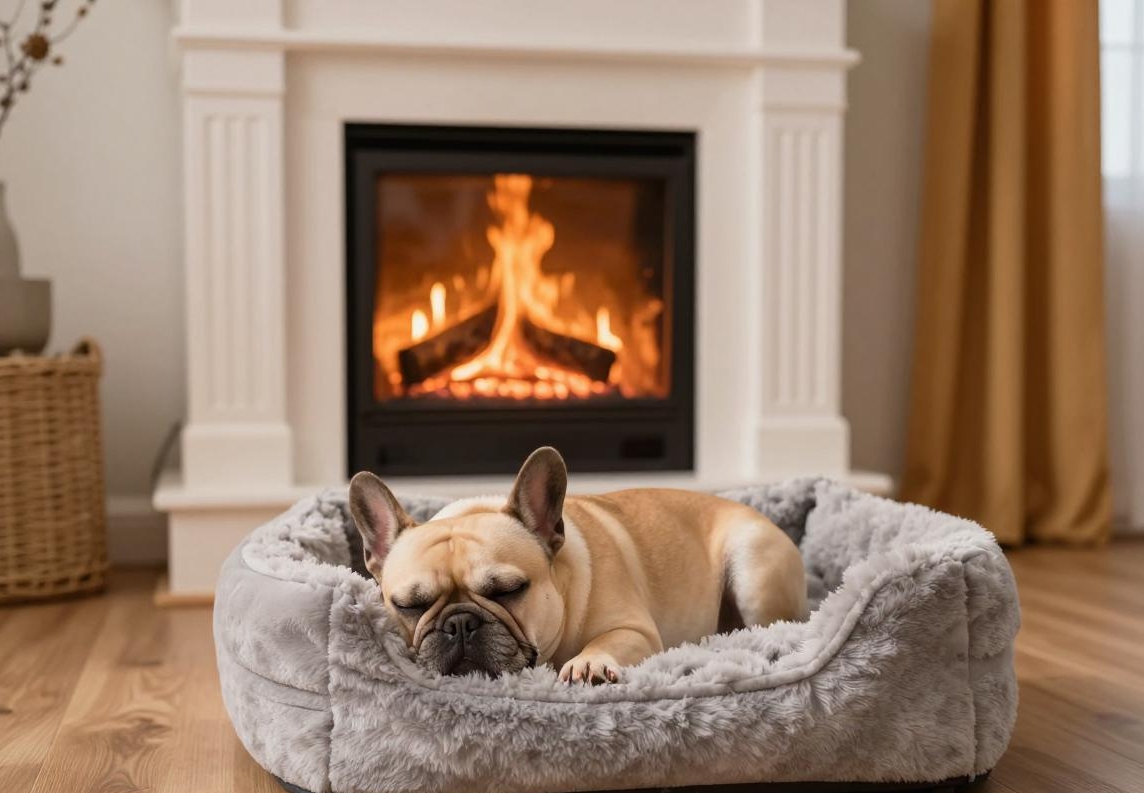
Why Are French Bulldogs More Susceptible to Cold Than Other Dogs?
Before diving into practical steps, we need to understand the underlying reasons. French Bulldogs’ cold sensitivity is built into their genetics. First, as brachycephalic breeds (similar to Pugs and English Bulldogs), they naturally have short, narrow respiratory tracts, which greatly weaken their body‑temperature regulation compared with long‑snouted dogs. Cold inhaled air irritates their airways and accelerates heat loss. Second, their admired short, smooth coat offers barely any cold resistance — much like wearing only a thin shirt out in freezing wind. Lastly, French Bulldogs are generally not high‑energy athletes, so they generate relatively little body heat. Combined, these factors turn them into genuine “cold‑sensitive babies” in winter. Providing external heat support is not spoiling them; it is essential health management.
Three Core Solutions: Build the Ideal Warm‑Bed Spot for French Bulldogs
Now let us look at practical implementation. Warm‑bed placement is far more than “finding a warm spot”. You need to consider temperature, safety, your dog’s behaviour and your household environment as a whole.
Solution 1: Stay Clear of Cross‑Draughts and Locate Temperature‑Stable Zones at Home
Many owners place dog beds on balconies, near doorways or beside windows for sunlight. In winter, however, these spots see huge temperature swings and sneaky cold draughts. It may feel warm in direct sun, yet temperatures plummet once sunset or cold gusts arrive, making dogs prone to colds.
My experience and solution: I once treated a French Bulldog with recurring colds that progressed into pneumonia. The root cause: its bed sat right in front of the gap of a sliding balcony door. My advice: find a “temperature‑stable zone” indoors. Corners along interior living‑room or bedroom walls, or semi‑enclosed nooks formed behind furniture such as sofas and cabinets, are ideal choices. Away from doors and windows, these spots are less affected by outdoor temperature shifts, and furniture helps block wind and retain heat. Use the back of your hand to test floor temperatures across different areas and pick the spot with steady temperature and no perceptible draught. Remember: stability matters more than short‑lived high heat.
Solution 2: Leverage Heat‑Radiation Zones While Maintaining a Safe Distance
Using household fixed heat sources such as radiators and air‑conditioners is sensible, yet safe distance is critical. Too close brings burn risks; too far yields no warmth.
My experience and solution: One owner placed a fabric bed flush against a radiator. The dog slept pressed against it for warmth for long hours, resulting in singed belly fur and minor skin burns. The correct approach: position the warm bed roughly 1.5‑2 metres away from radiators or air‑conditioner outlets. At this distance, the bed receives steady radiant heat without overheating its surface. Place a thermometer at the planned bed position; an ambient temperature of 20‑24°C is most comfortable for French Bulldogs. Ensure no clutter blocks heat sources so warmth spreads evenly toward the bed.
Solution 3: Safely Operate Supplementary Heating Equipment — Details Make All the Difference
When ambient temperatures become extremely low, electric blankets, pet heating pads and space heaters become helpful tools. Yet these are also high‑risk safety hotspots.
My experience and solution: I once handled a frightening incident: an owner used an electric blanket for their French Bulldog. The dog urinated on it while playing, triggering short‑circuiting and smoke, nearly causing a house fire. Therefore I enforce strict operating standards:
1. Only use pet‑specific devices with chew‑resistant cords and automatic temperature‑control functions. Human‑grade electric blankets run too hot and are unsafe.
2. Layer extra padding. Never let your dog’s skin touch the heating pad directly. My method: lay down the pet heating pad first, cover it with at least two thick blankets or a breathable cotton mat, then add your dog’s regular sleeping cushion on top. This transfers heat while preventing overheating and electric‑leakage hazards.
3. Cable management. Apply cable sleeves or fasten wires behind walls and furniture so the dog cannot chew them.
4. Time‑limited operation. I advise owners to turn heaters on only during the coldest hours such as nighttime. Use a timer socket to auto‑shut them off after running 2‑3 hours. Intermittent heating is safer.
Pitfall‑Avoidance Guide: Steer Clear of These “Warmth Traps”
When chasing warmth, avoid these common mistakes:
1. Sealed “love‑filled dens”: Adding thick covers with only a tiny opening for heat retention is extremely dangerous! French Bulldogs already struggle with breathing. Enclosed spaces raise risks of oxygen deprivation and suffocation. Trapped heat can even cause heatstroke in winter. Warm beds must guarantee proper air circulation.
2. Direct blasts from human heaters: Direct hot airflow from halogen heaters or blow‑heaters causes local overheating, dry skin, burns and dehydration. Aim heaters toward walls or ceilings to warm the room via reflected heat.
3. Ignoring cold rising from floors: Even a warm bed will draw cold upwards if placed straight onto cold tile or marble floors. Always put an insulating layer underneath the bed, such as foam mats, thick cardboard or dedicated pet‑bed insulators.
4. Over‑reliance on old clothing and electric blankets: Piled‑up old clothes can tangle dogs or leave loose threads that may be swallowed. Electric blankets without automatic temperature control carry major fire and burn risks.
Summary
The core principle for arranging your French Bulldog’s winter bed is “mild, stable and safe”. This is not a simple moving task, but thoughtful planning built on deep understanding of your pet’s physiology. Bear in mind: our goal is an environment where the dog can warm itself voluntarily, comfortably and safely — not an inescapable high‑temperature cage. By selecting temperature‑stable zones, keeping safe distances from fixed heat sources, and correctly using supplementary heating gear, you can build a perfect safe haven for your French Bulldog to get through winter.
Important Reminder
Closely observe your dog’s condition. Persistent shivering even inside its bed, loss of appetite, lethargy, coughing or unusually rapid breathing (beyond normal brachycephalic noisy respiration) may signal more than cold sensitivity — these can indicate hypothermia or respiratory infections. Heating measures serve as prevention, not treatment. Once you spot these abnormal signs, turn off all heating devices immediately and take your pet to a professional veterinary hospital for diagnosis and treatment. Their health always deserves our most careful protection.