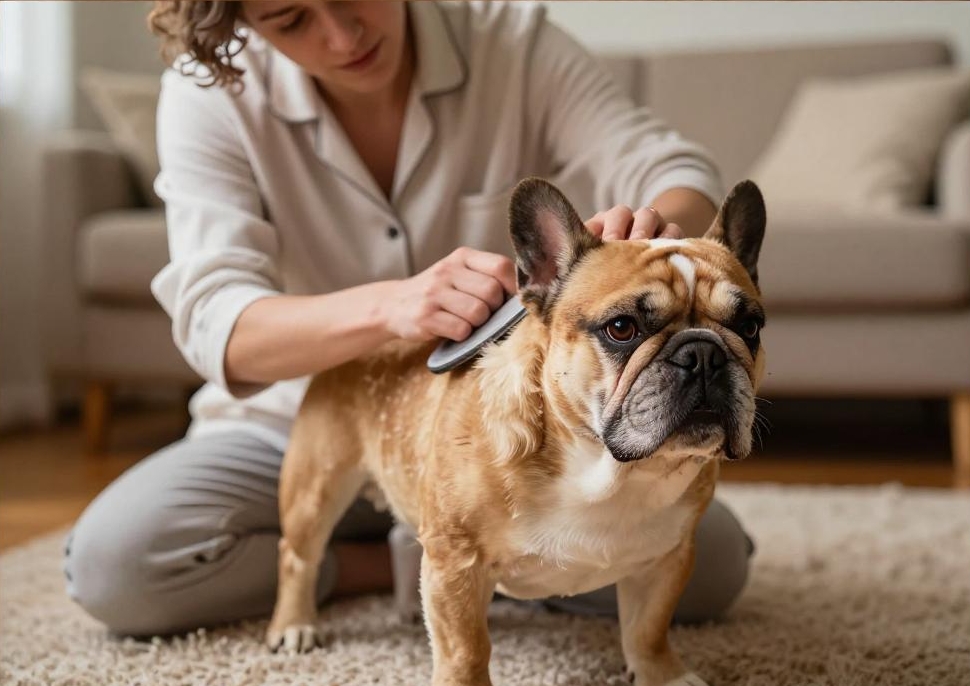
Hello to all French bulldog owners. Over more than ten‑years working with these lovely dogs, I keep seeing one frustrating issue for pet parents — those increasingly noticeable “yellow beard” or reddish‑brown stains around French bulldogs’ muzzles. Those marks spoil their cute or handsome appearance. More importantly, they can signal underlying health trouble or improper grooming. Today, as an experienced professional, I will walk you through this problem and share practical, field‑tested solutions.
Why Do French Bulldog Muzzle Hairs Turn Yellow or Reddish So Easily?
To fix the problem, understand its causes first. Muzzle fur discoloration in French bulldogs is far more than simple dirt; it arises from multiple combined factors.
Main Culprit — Saliva: French bulldogs are brachycephalic short‑nosed dogs (Pugs and English bulldogs share this trait). Their facial anatomy creates many lip and chin skin folds, and lip closure is sometimes incomplete. This makes them far more prone to drooling than other breeds. Saliva contains substances called porphyrins. When saliva soaks light‑colored fur over time and oxidizes, it leaves rust‑like reddish‑brown marks. This is the most widespread and primary cause.
Contributing Factors from Food & Water: Wet food, canned meals, meat broth, and drinking water leave food residues and moisture stuck to muzzle fur. Without timely post‑meal cleaning, leftover debris fuels bacterial growth, mixes with saliva and speeds up fur discoloration. Plastic water bowls also encourage bacterial buildup, triggering muzzle dermatitis and worsening staining.
Underlying Skin Conditions: Sometimes muzzle stains are not only external discoloration. They may signal yeast or bacterial infection, shown by red skin, foul odor and frequent face‑rubbing. Such cases require veterinary medical treatment.
I once treated a French bulldog named Potato. His owner kept him very clean, yet his muzzle fur stayed red, coarse and smelly. Examination revealed besides drooling issues, bacteria accumulated heavily along the rim of his deep plastic water bowl. Every drink spread bacteria around his mouth and triggered mild dermatitis. Solving yellow stains needs a combined‑approach strategy.
Five Field‑Tested Hacks to Remove & Prevent Muzzle Stains
Based on years of hands‑on experience, I have compiled routines covering daily upkeep and deep cleaning. Adjust them according to your individual dog.
1. Immediate Daily Cleaning: Build a “wipe‑muzzle‑after‑meals” habit
This is the most vital and effective step. It reduces the time staining agents sit on fur in the first place.
My Routine: I keep packs of fragrance‑free, alcohol‑free pet‑grade wipes or pet‑safe baby wipes near food bowls and feeding areas. Right after your dog eats wet food or drinks water, gently wipe its muzzle and chin folds to remove leftover food and saliva. Move along fur direction; avoid harsh back‑and‑forth rubbing that irritates skin.
Pro Tip: For slightly yellowed fur, after wiping with wipes, pat dry softly using a soft dry towel or paper towel. Always keep muzzle fur dry. Damp conditions are ideal breeding grounds for bacteria and yeast.
2. Periodic Deep Cleaning: Safe “beard‑washing” homemade formula
Once stains have set in, simple surface‑wiping is insufficient. You need regular deep cleaning.
Proven Home‑Solution: I never recommend strong human‑grade bleaching or stain‑removal products; they irritate dog skin severely. I have helped countless dogs with this gentle homemade recipe: mix food‑grade baking soda and clean water at 1:2 ratio into a thick paste.
Wet muzzle fur with lukewarm water. Apply baking‑soda paste onto yellow‑stained areas with fingers or a soft‑bristle toothbrush. Rub gently, keep well away from eyes and mouth. Leave it on for 3‑5 minutes (alkaline ingredients neutralize porphyrin pigments). Rinse thoroughly with lukewarm water — make sure no residue remains. Finish by towel‑drying. Use once weekly. It delivers visible mild results. Do NOT use if the dog has broken skin on its muzzle.
3. Upgrade Supplies: Pick proper food & water bowls
The right tools greatly cut down contamination risks.
My Recommendation: Wide, shallow bowls made of stainless steel or ceramic. Smooth surfaces resist scratches and bacterial buildup and are easy to sanitize. Shallow‑wide design minimizes contact between chin/muzzle fur and bowl rims or water surface. Switching Potato to a shallow stainless‑steel bowl plus regular cleaning quickly improved his condition.
Water‑fountain Alternative: For dogs that splash water or constantly soak their beard while drinking, try hanging bottle‑style water dispensers or float‑valve waterers. Dogs lap water directly, keeping muzzles drier.
4. Fur Management: Regular Trimming & Brushing
Overlong, dense muzzle fur traps more dirt and stays damp longer.
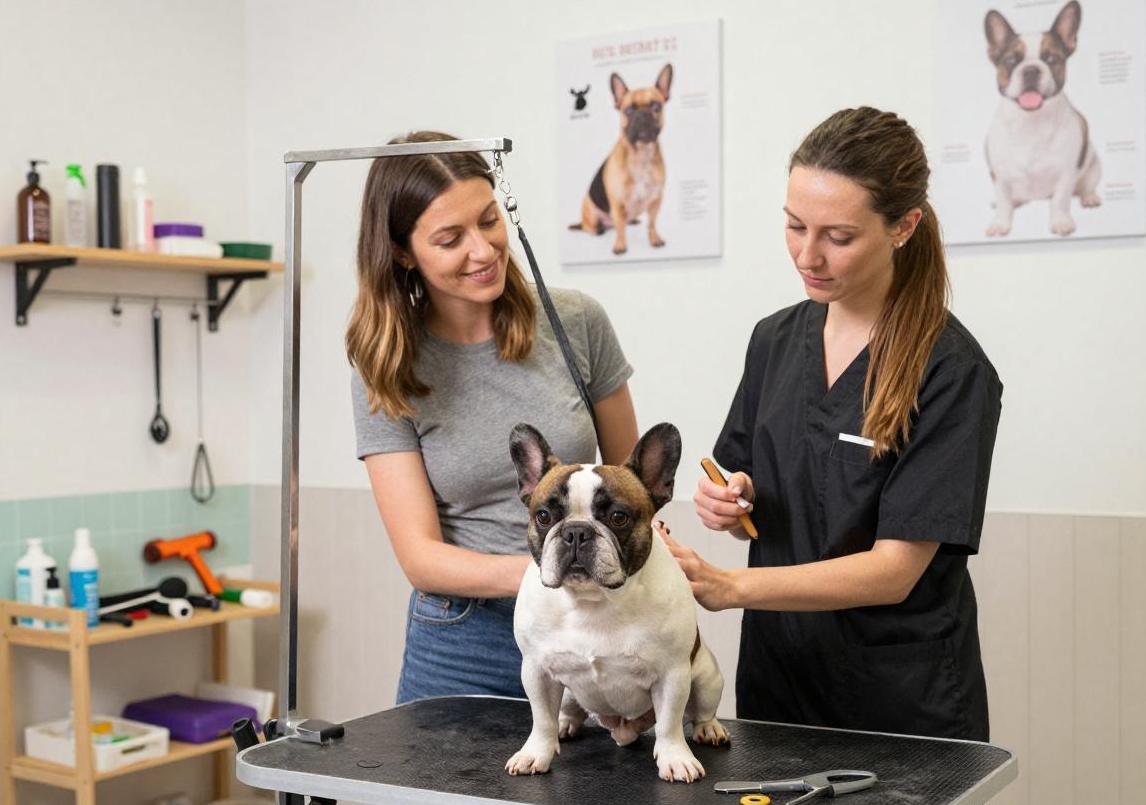
My Practice: Use round‑tip pet‑specific scissors to carefully trim overlong, muzzle‑prone‑to‑mat fur. Stay patient. Have family assist with treats to keep your dog calm during grooming. Trimming shortens fur for a tidier look and makes daily cleaning far easier. Daily light brushing over muzzle fur with a pet pin‑brush removes dried debris and boosts local blood circulation.
5. Internal Adjustment: Monitor Diet & Overall Health
Excessive drooling can stem from dietary factors or underlying illness.
Observation & Adjustment: If your dog drools abnormally heavily, check for dental disease, mouth ulcers, overly salty food or food allergies. Feed high‑quality hypoallergenic dog kibble. Limit treats, especially heavily‑seasoned human food. Supply fresh clean drinking water (sanitized bowls) to support normal bodily metabolism.
One French bulldog showed reduced drooling, lighter muzzle discoloration and milder tear stains after switching to low‑salt hypoallergenic kibble. This proves internal health is foundational.
Mistake‑Avoidance Guide: Practices That Backfire
Some seemingly quick‑fix cleaning tricks are actually dangerous.
1. Avoid harsh human cleaning products: Such as bleach‑based disinfectants, heavy‑duty stain‑remover powders, color‑bleach agents. Strong chemical corrosives can burn delicate dog skin. Ingestion via licking may cause poisoning.
2. Do not over‑wash or scrub roughly: Daily shampoo washing around the muzzle and hard rubbing strips away skin’s protective lipid layer. This brings dryness, itching and even dermatitis, creating a vicious “more washing = dirtier fur” cycle.
3. Be cautious of viral “miracle” pet products: Stay skeptical of items advertising instant fur bleaching; ingredients may be unsafe. Stick to well‑reviewed reputable pet‑specialty brands.
4. Never overlook underlying health issues: If yellow stains come with severe bad breath, skin ulcers, swelling, heavy drooling or behavioral changes, prioritize veterinary consultation over stain removal.
Summary
Restoring clean muzzle fur for French bulldogs calls for patience and consistent long‑term care. There exists no one‑shot magic solution. The core principle is prevention first, cleaning second. Build post‑meal muzzle‑wiping habits, select suitable feeding‑ware, perform safe periodic deep cleaning and keep fur properly trimmed. You will observe noticeable improvements. Remember: we do this not only for appearance, but also for your dog’s skin health and overall comfort.
Important Reminder
Methods shared apply to routine grooming and mild fur discoloration. If stains show zero improvement after trying these steps, or you spot any of these symptoms: severe skin redness, ulceration, pus discharge, intense itching (constant scratching), extremely foul odor, plus systemic signs such as poor appetite or lethargy. Stop home‑care immediately and visit a professional veterinary clinic. These may signal fungal / bacterial infection, allergies or other hidden illnesses requiring formal diagnosis and treatment. Love your dog with scientific, safe care.