Silver‑Haired Years Meet Goofy Charm: A Special Bond of Companionship
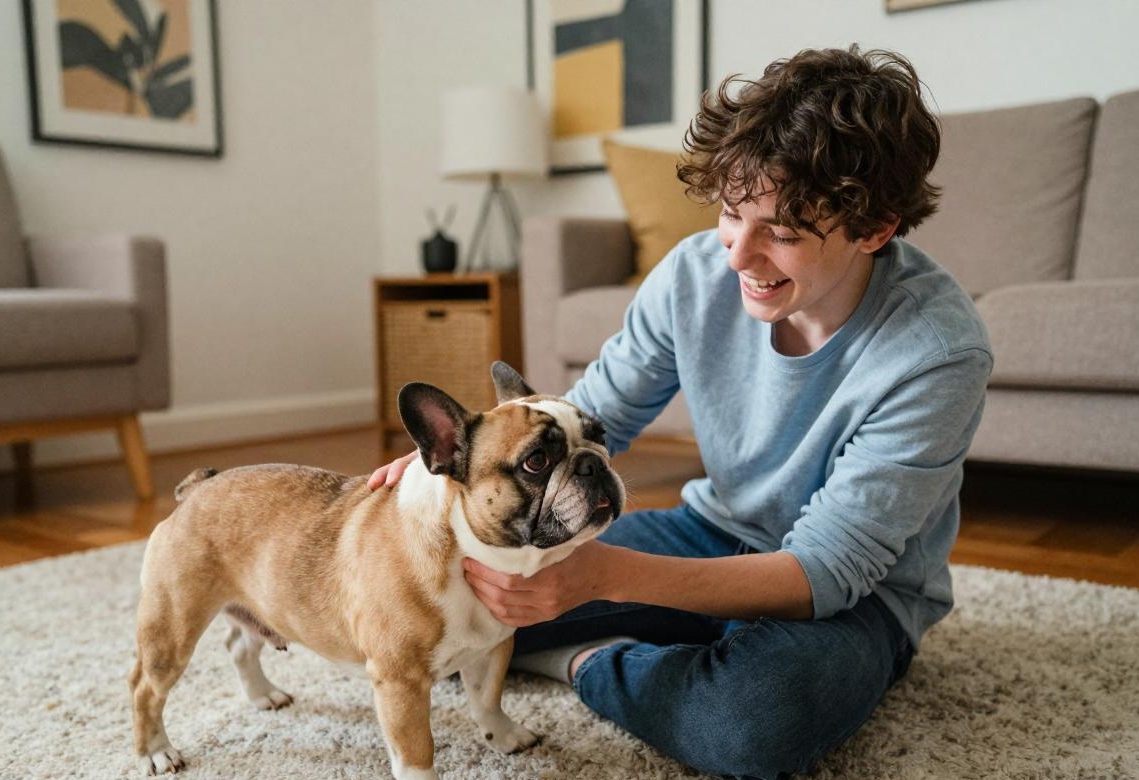
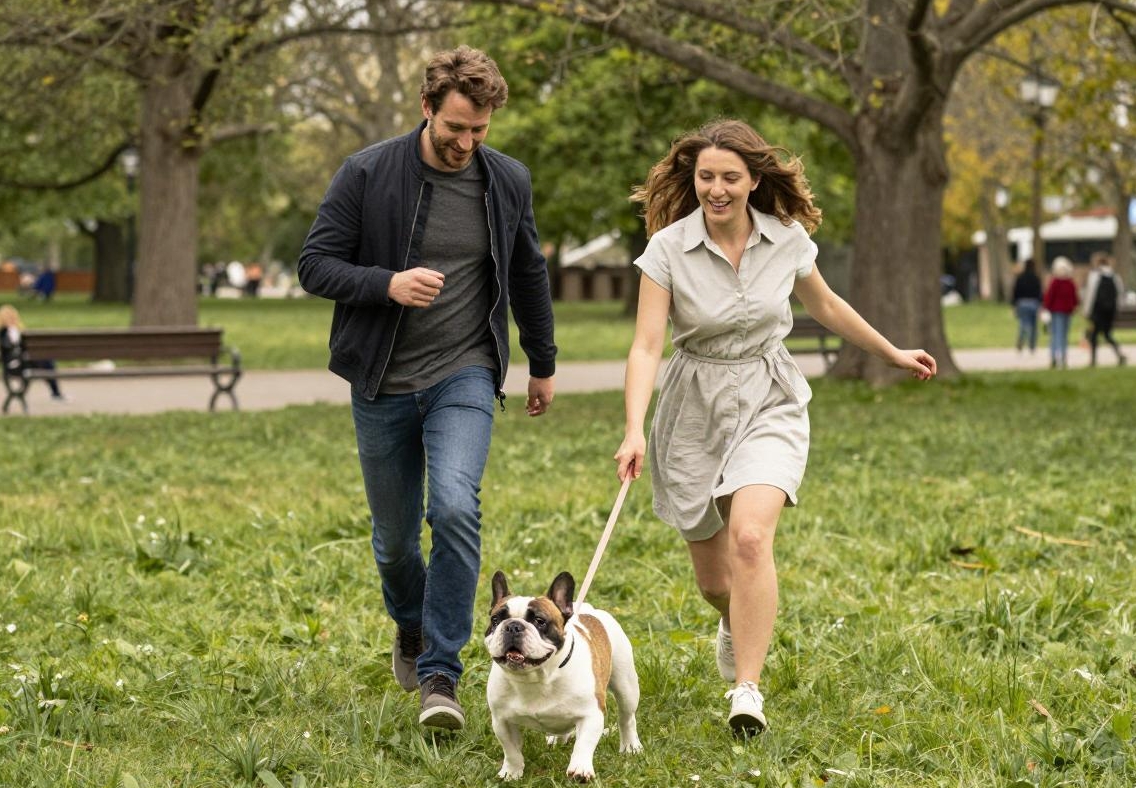
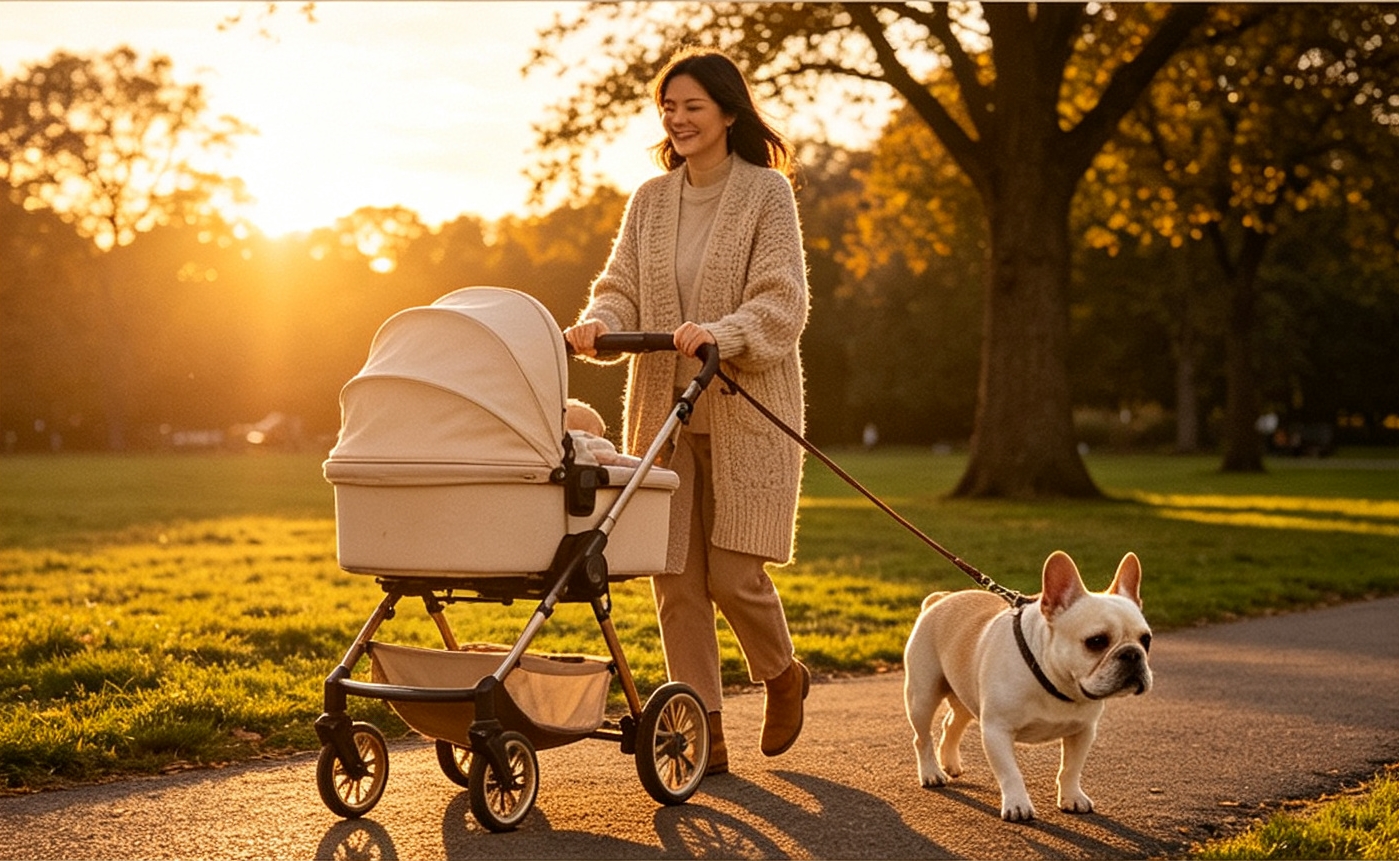
Over ten‑years in my veterinary clinic, I have witnessed countless deep bonds between pets and their owners. Cases of elderly people bringing their French Bulldogs for consultations have always touched me deeply. Grandma Li and her French Bulldog Potato are a typical example. Grandma Li’s children live far away, and Potato is her most important companion. Yet one incident changed my perspective: Potato excitedly jumped up and nearly caused Grandma Li to fall. This taught me that although French Bulldogs are naturally friendly and make wonderful companion dogs, unscientific handling and poor interaction patterns can create hidden risks. Compact‑sized, gentle‑tempered and with relatively low exercise requirements, French Bulldogs are well‑suited to seniors. Still, their playfulness, occasional stubbornness and breed‑specific brachycephalic health concerns demand extra attention. Today I would like to share a dedicated daily‑care plan for senior‑and‑dog households, so companionship brings genuine peace of mind and lasts longer.
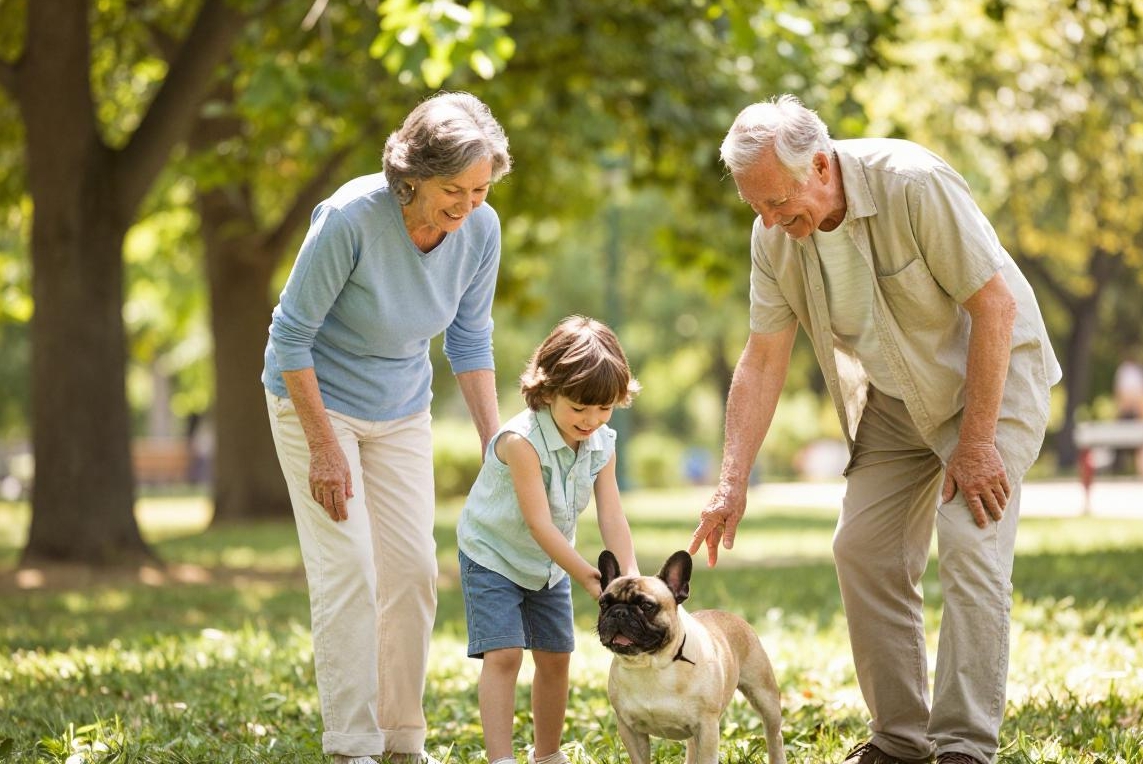
Why French Bulldogs Make Great “Mood‑Boosters” and Devoted Companions for Seniors
French Bulldogs are no random choice for elderly companion animals. From a professional standpoint, three key advantages stand out:
1. Excellent match for emotional needs: Loneliness often troubles elderly people, who crave steady, warm emotional feedback. French Bulldogs are famously loyal and highly attached to their owners. They enjoy staying close and offer quiet, constant companionship. Their expressive faces and comical antics act as natural mood lifters that effectively ease feelings of isolation.
2. Physically compatible energy levels: Unlike high‑energy dog breeds needing extensive running, French Bulldogs require low‑to‑moderate activity. Several short gentle walks or indoor play sessions each day satisfy their needs, matching most seniors’ physical capacity. Routine dog‑walking also gently encourages older adults to stay physically active, benefiting overall health.
3. Convenient size and maintenance: Their small stature lets them move easily inside apartments and houses. Short coats are simple to groom, lowering physical grooming burdens for elderly owners.
Build a Safe, Warm Daily Routine for Seniors & Dogs: 5 Actionable Strategies
Drawing from years of advising similar households, and lessons learned from Grandma Li and Potato’s story, I have summarised these five core solutions built around the principle “prevention first, joyful interaction”.
Solution 1: Home‑Environment Safety Adjustments — Prevent Accidents Before They Happen
This is the foundation for everything else. I once treated a dog that slipped on smooth floor tiles while running and crashed into a coffee‑table corner, sustaining injuries. A safe home avoids most accidents.
Practical steps:
1. Anti‑slip measures: Place non‑slip mats or small rugs in hallways and living‑room zones where the dog spends time. These protect the dog’s joints and stop the elderly owner from losing balance if the dog bumps into them on slippery flooring.
2. Clear walkways: Keep hallways free of clutter and tripping hazards such as loose wires. Set up a fixed comfortable resting bed for the dog and train it to use it, preventing it from sleeping across frequently‑used human walking paths.
3. Hazard storage: Store medicines, small loose objects and toxic houseplants (lilies, pothos etc.) out‑of‑reach on high shelves or inside closed cabinets.
Solution 2: Establish Clear, Gentle Communication — Basic Obedience Training
Many seniors believe dog training is difficult. In reality the goal is simple, consistent cues. Training is not about teaching fancy tricks; it delivers basic safety and household order.
Prioritise three core commands:
1. “Sit” and “Wait”: Practice these before meals and outings. They effectively curb over‑excited jumping behaviour. After reinforcing “Wait” training, Grandma Li’s Potato became far calmer before going outside. Use food lures, speak clearly, and reward immediately when the dog complies.
2. “Come”: Reliable recall is critical. Begin indoors with a long leash. Call the dog’s name plus the cue “Come”. Reward with treats and petting upon return. Always reward after recall regardless of prior misbehaviour to build positive associations.
3. “Drop it”: Prevents ingestion of dangerous items. Train via toy‑for‑treat trades. Say “Drop it”, hold a treat near its nose. Once it releases the object, praise and reward instantly.
Solution 3: Low‑Effort, High‑Fun Interactive Games — Nurture Physical & Mental Wellbeing
Interaction lies at the heart of companionship. High‑intensity chasing games are unsuitable for seniors and French Bulldogs, who risk respiratory overheating.
Recommended activities:
1. Scent‑hunting treasure game: Top‑recommended activity! Hide kibble pieces or small treats around the room (under sofa cushions, in corners). Mental exercise tires the dog far better than physical exertion. The senior can join in while seated or moving slowly for quiet, enjoyable shared time.
2. Gentle tug‑of‑war: Use a durable rope toy. The senior stays seated for light pulling sessions. Set time limits: finish after 15‑20 seconds with the “Drop it” cue, then reward. This satisfies chewing instincts while strengthening bonds.
3. Petting & grooming sessions: Set a fixed daily time to brush the dog with a soft brush. This counts as care‑taking as well as calming emotional connection. Soft conversation while brushing soothes both human and dog.
Solution 4: Stick to a Predictable Daily Schedule — Build Mutual Sense of Security
Seniors and dogs both thrive on routine. Fixed times for feeding, walks, play and rest give the French Bulldog security, lowering anxiety‑driven barking or destructive behaviour while bringing structure to the senior’s days.
Sample daily timetable:
Morning: 15‑20‑minute walk after waking up for toileting.
Mid‑morning: After breakfast, senior rests while dog relaxes in its bed.
Afternoon: 10‑minute scent‑treasure game or command‑practice session.
Evening: Second walk, can be slightly longer; avoid hot weather.
Bedtime: Gentle petting and grooming before the dog goes to its bed.
Solution 5: Outdoor‑Safety Guidelines for Seniors & Dogs — Enjoy Outside Time Securely
Walking outside offers important socialisation and exercise, yet precautions are needed:
1. Leash safety: Always use a sturdy front‑clip harness and leash. Front‑clip harnesses give better control if the dog lunges. Retractable leashes are strongly discouraged due to poor control and accident risks.
2. Timing walks: French Bulldogs are sensitive to heat and cold. In summer go out during cool early‑morning or post‑sunset hours. In winter avoid frigid early mornings and evenings. Carry water to offer regular drinks.
3. Maintain safe social distance: Politely decline overly enthusiastic contact from other dogs or strangers, especially large dogs. Phrases such as “He is in training, so we cannot interact right now” help avoid unpredictable incidents.
Pitfall‑Avoidance Guide: Well‑Meaning Acts That May Cause Harm
Certain common practices rooted in good intentions can create problems:
1. Overfeeding and sharing human food: This is the most frequent mistake. French Bulldogs are prone to obesity, which worsens joint strain and respiratory issues. Strictly avoid toxic foods including chocolate, grapes and onions, plus heavily‑salted, oily human meals. Feed high‑quality dog food as staple; reserve treats only for training rewards.
2. Ignoring respiratory warning signs: As brachycephalic dogs, French Bulldogs easily develop breathing distress and heatstroke during heavy exercise or hot weather. Heavy snoring‑like breathing, dark‑purple tongue, thick excessive drool or slowed movement are red flags. Stop all activity immediately, move the dog into shade, cool its body with damp towels (focus on belly and paw pads), and contact your vet. Heatstroke can be fatal for French Bulldogs.
3. Punishment instead of guidance: Shouting or physical correction erodes trust, making dogs fearful or triggering defensive aggression. Always use positive reinforcement: reward desired behaviours.
Conclusion: Companionship Is a Warm, Two‑Way Journey
Seeing a French Bulldog keep an elderly person company is a heart‑warming picture. To achieve this, we must lay safe, healthy foundations with professional knowledge and careful preparation. Combining home‑safety adjustments, basic training, fun shared activities, consistent routines and safe outings, we minimise hazards while unlocking the full potential of French Bulldogs as companion animals. They become reliable, joyful partners for seniors in later life. This bond nourishes the senior’s spirit and lets the dog thrive within steady loving care.
Important Reminder
The strategies above cover daily companionship and behavioural guidance. Note that French Bulldogs are genetically predisposed to eye conditions (cherry eye for example), skin disorders, joint diseases such as hip dysplasia and brachycephalic obstructive airway syndrome (BOAS). Seek prompt veterinary care for persistent coughing, severe breathing difficulty, swollen red eyes, frequent scratching, abnormal gait, or sudden loss of appetite and energy. These may signal medical illness rather than simple behavioural issues. Annual health check‑ups are critical for French Bulldog wellbeing. May every senior and their French Bulldog companion enjoy long, safe, happy time together.