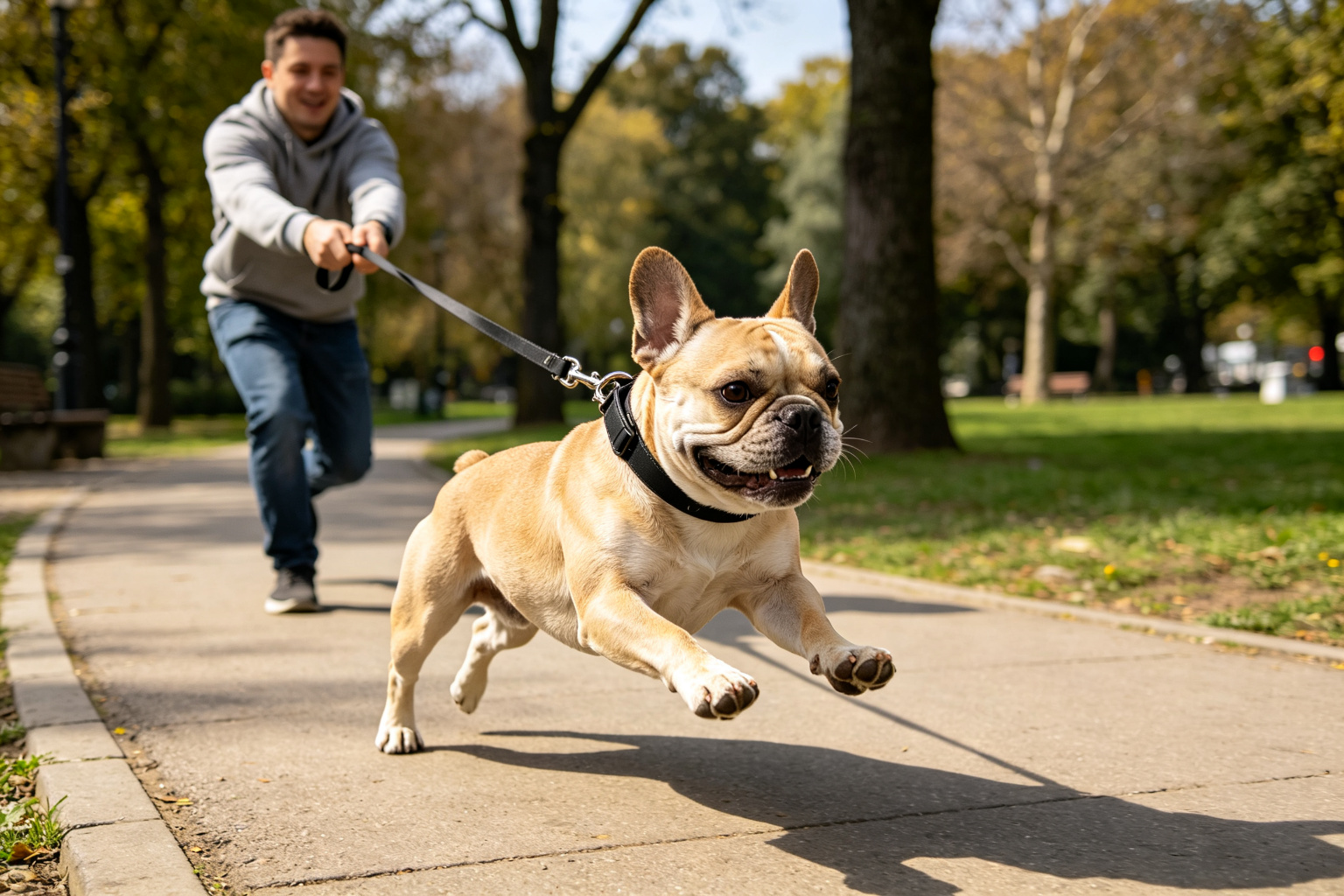
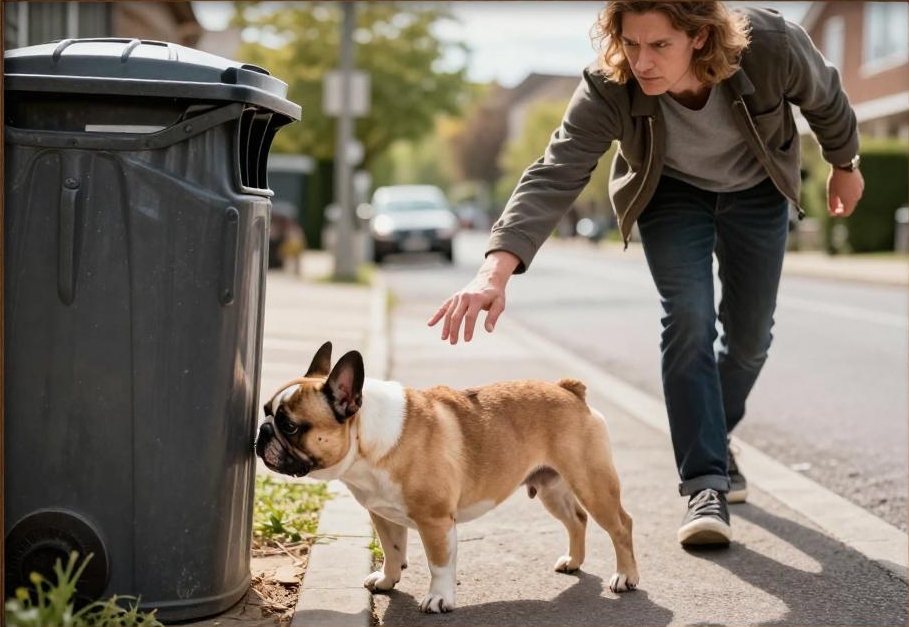
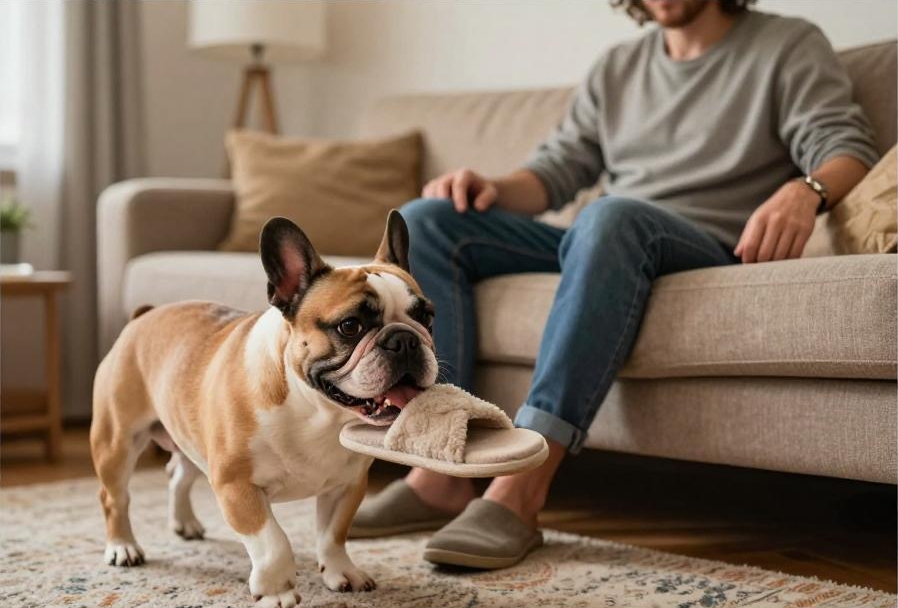
Hello everyone! Over years of veterinary practice and canine behavior modification, crate training is one of the most frequent topics I encounter. Especially for French Bulldogs — intelligent yet sometimes stubborn little companions — countless owners come to me upset: “Doc, my Frenchie runs away as soon as I bring out the crate. If I force them inside, they cry and howl desperately. What can I do?” I fully understand your frustration, seeing distressed owners and anxious, resistant dogs. Today, as someone who has guided countless dogs and families through this process, I will share humane, science-backed methods to help your French Bulldog learn to love their personal safe den.
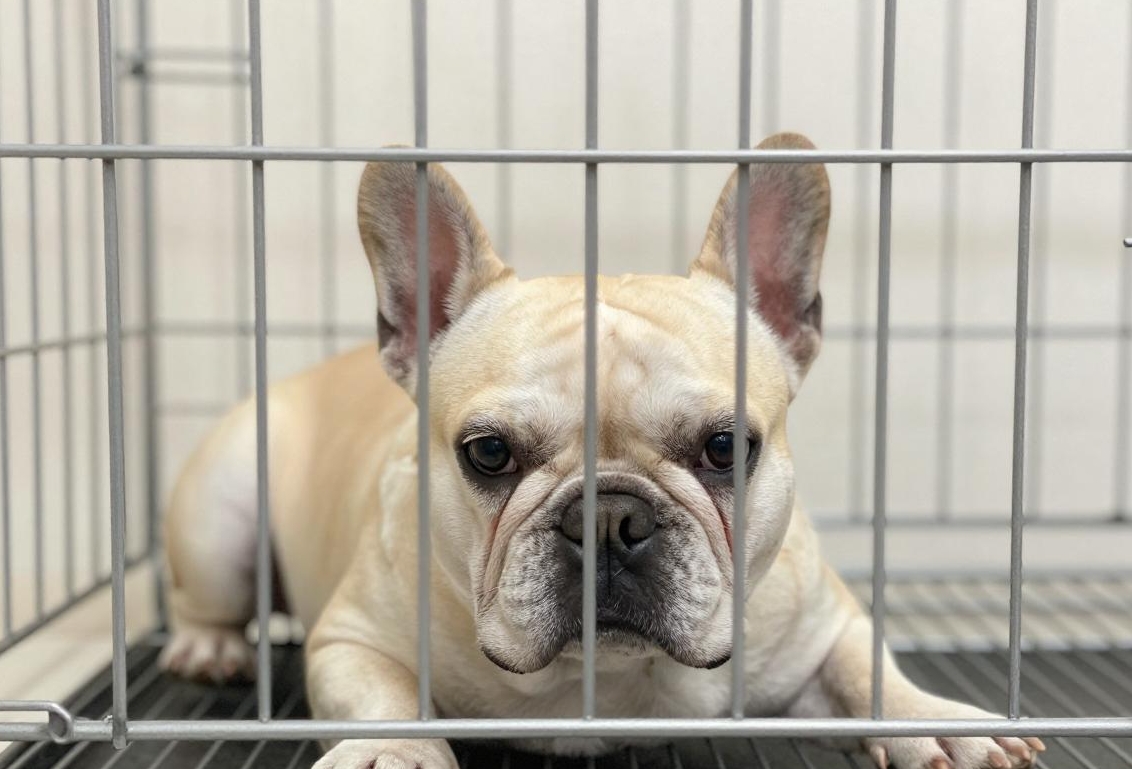
Why Does Your French Bulldog Hate This Little House?
Before starting training, we need to understand your dog’s perspective. Refusing the crate is not misbehavior or defiance. The resistance usually stems from these root causes:
1. Negative Associations: If the crate is only linked to unpleasant experiences — being confined, owner leaving home, trips to the vet — your dog will naturally dread it. I worked with a French Bulldog named Tank whose owner only locked him in the crate before heading out. Over time, Tank would start panting anxiously the second the crate moved.
2. Innate Breed Traits: French Bulldogs are companion dogs that crave constant closeness with their family. Being isolated in a crate can feel like being cast out from the pack and trigger unease.
3. Unsuitable Crate Setup: Is the crate too cramped for your dog to turn around freely? Is it tucked in a dark, poorly ventilated corner? Or empty, cold and hard inside? All of these make the crate unattractive.
4. Improper Training Techniques: Forcing, intimidating, or locking your dog inside for long stretches without preparation will destroy trust and make training far harder.
With this understanding, you will realize crate training is not about domination. It focuses on gentle guidance and building positive value. Our goal: teach your dog that entering the crate leads to good things; it is their safe haven.
Three-Step Strategy: Build a 5-Star Safe Space For Your Frenchie
The method I share below combines animal behavior science and extensive real-world cases. Stay patient and progress gradually.
Step 1: Location & Setup – Make the Crate Irresistible
My Professional Tip: Do not rush to get your dog inside. Spend one or two days preparing the crate’s interior first.
Step-by-Step Actions:
1. Pick the Right Crate: For adult French Bulldogs, airline crates or wire crates are both great options. The size must allow your dog to stand fully, turn around, and lie down naturally. I generally recommend choosing a crate at least 15% larger than your dog’s body measurements in all dimensions.
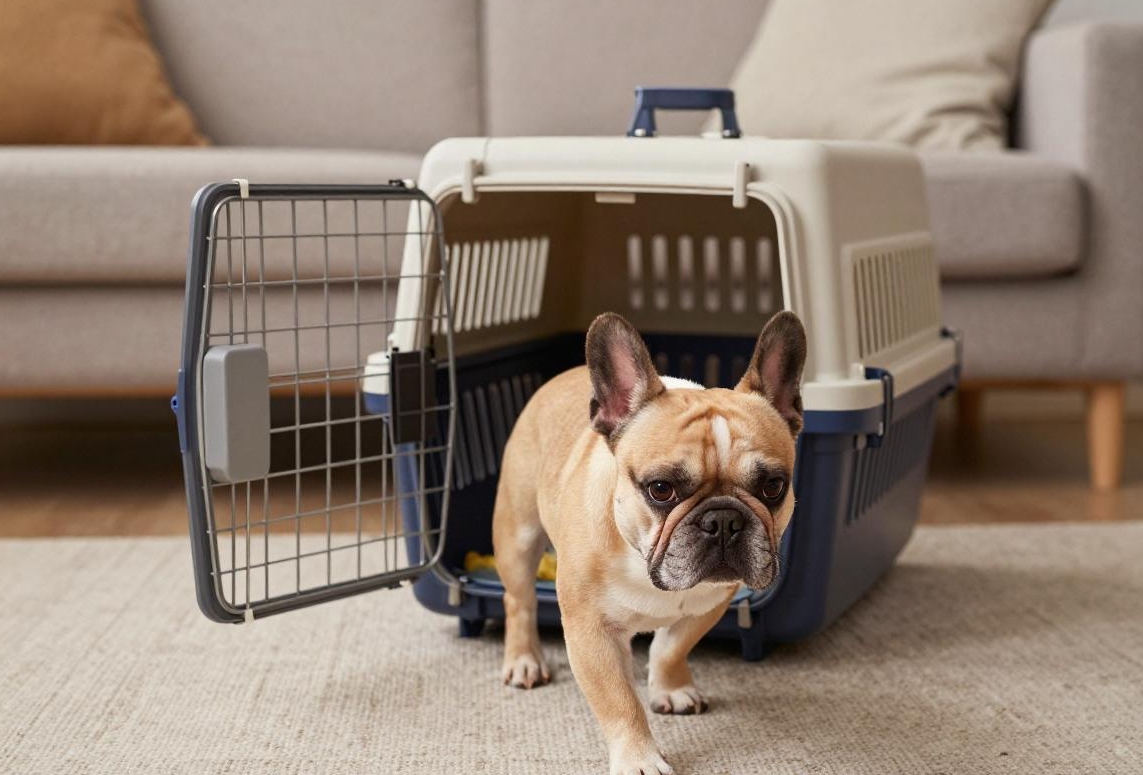
2. Perfect Placement: Position the crate beside active living areas, such as next to the living room sofa or a quiet corner of your bedroom. Your dog should be able to watch family activities without constant disturbance. Avoid isolated balconies, restrooms or noisy hallways.
3. Cozy Interior Decoration: Line the crate with soft comfortable bedding (confirm it cannot be chewed and swallowed). Place an old clothing item carrying your scent inside. You can drape a blanket over most of the crate (leave the front open for airflow) to create a cave-like secure environment. Remember — always keep the crate door wide open!
Step 2: Build Positive Associations – Turn Going Into the Crate Into a Game
Real Case Experience: I once trained a French Bulldog named Doubao who was extremely fearful of crates; he dared not approach within three meters. We relied on the simplest yet most critical technique: treat scattering.
Step-by-Step Actions:
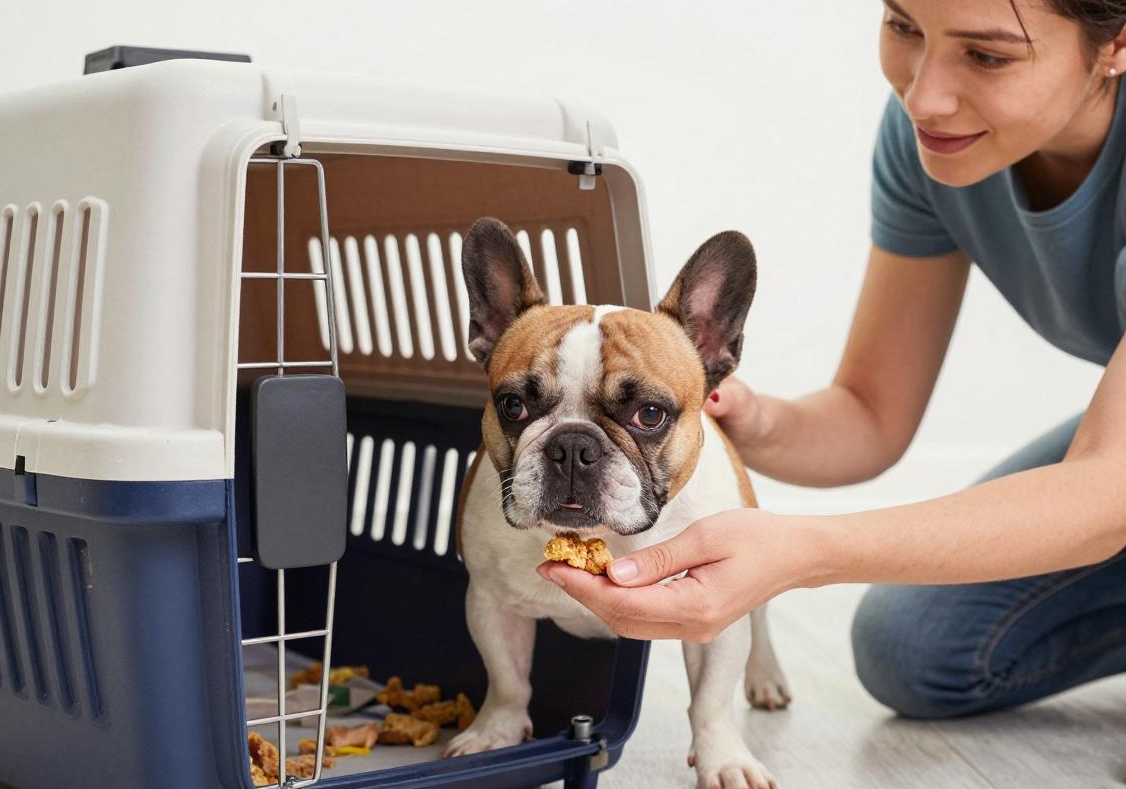
1. Treats at a Distance: At first, toss high-value favorite treats (cooked chicken breast, freeze-dried snacks) far from the crate. Praise excitedly and reward your dog if they simply glance toward the crate.
2. Slowly Move Closer: Once your dog calmly eats near the crate, toss treats to the crate doorway, then further inside the entrance. This process may take hours or even one to two days. Never rush your dog.
3. Voluntary Entry: When your dog chooses to stick their head inside for treats, then step fully into the crate, cheer and praise enthusiastically! Do not close the door yet. Let them move freely in and out while continuing to offer treats inside.
4. Introduce a Cue Word: As your dog walks inside voluntarily, use a relaxed verbal cue such as “Crate” or “Bed”. Say the cue while the action happens, not as a command to force them to comply.
Step 3: Consolidate & Extend Time – From Brief Visits to Relaxed Naps
My Training Plan: Once your dog happily enters and exits the crate to enjoy treats, slowly extend the time they spend relaxing inside.
Step-by-Step Actions:
1. Special Exclusive Rewards: Offer special enrichment items only available inside the crate, such as a stuffed Kong toy, tasty beef bone or durable chew stick. Give your cue word; once your dog enters, gently close the crate door without latching it.
Crate Training Mistakes You Must Avoid
1. Never use the crate as punishment: Do not lock your dog inside for misbehavior. This will undo all your progress and turn the crate into a prison.
2. No forced entry: Pushing or intimidating your dog into the crate amplifies fear and resistance, and may trigger severe psychological stress.
3. Respect time limits: Puppies and adult dogs have limited bladder control. Do not keep your dog crated longer than their physical tolerance, or they will associate the crate with discomfort from needing to relieve themselves.
4. Watch for stress signals: Excessive drooling, trembling, nonstop barking or frantic crate destruction signal overwhelming anxiety. Slow down immediately, revert to the last stage your dog could complete calmly and restart.
5. Avoid over-the-top greetings when returning home: If your dog gets overly excited inside the crate when you arrive, wait for them to settle down before opening the door. Wild reunions reinforce the idea that freedom outside the crate is far more exciting, worsening anxiety while confined.
Summary: Patience Is The Only Road To Success
Teaching your French Bulldog to accept and enjoy their crate demands tremendous patience and empathy. This process tests owners’ understanding and persistence far more than it tests the dog. Remember: we are not training a command-following machine. We are helping a family member build trust and security in their surroundings. When your French Bulldog walks calmly into the crate voluntarily and falls soundly asleep inside, you will know every effort was worthwhile. Proper crate training resolves separation anxiety and household safety issues. More importantly, it gifts your dog a lifelong sanctuary — a quiet safe retreat they can return to no matter what chaos surrounds them.
Important Reminder
The methods shared in this article work for most French Bulldogs resisting crates due to behavioral habits. However, if your dog shows extreme terror, self-harming behaviors (such as violently chewing the crate until their gums bleed or head banging), severe anxiety accompanied by vomiting and diarrhea, or no improvement — or even worsening symptoms — after repeated training attempts, the issue may go beyond simple behavior problems. It could signal deeper physical illness or psychological disorders including severe separation anxiety. I strongly recommend consulting a professional canine behaviorist or veterinarian for full assessment and diagnosis. They can create targeted behavior modification plans, or prescribe safe medication support if necessary. If you love your dog, seek expert professional help.