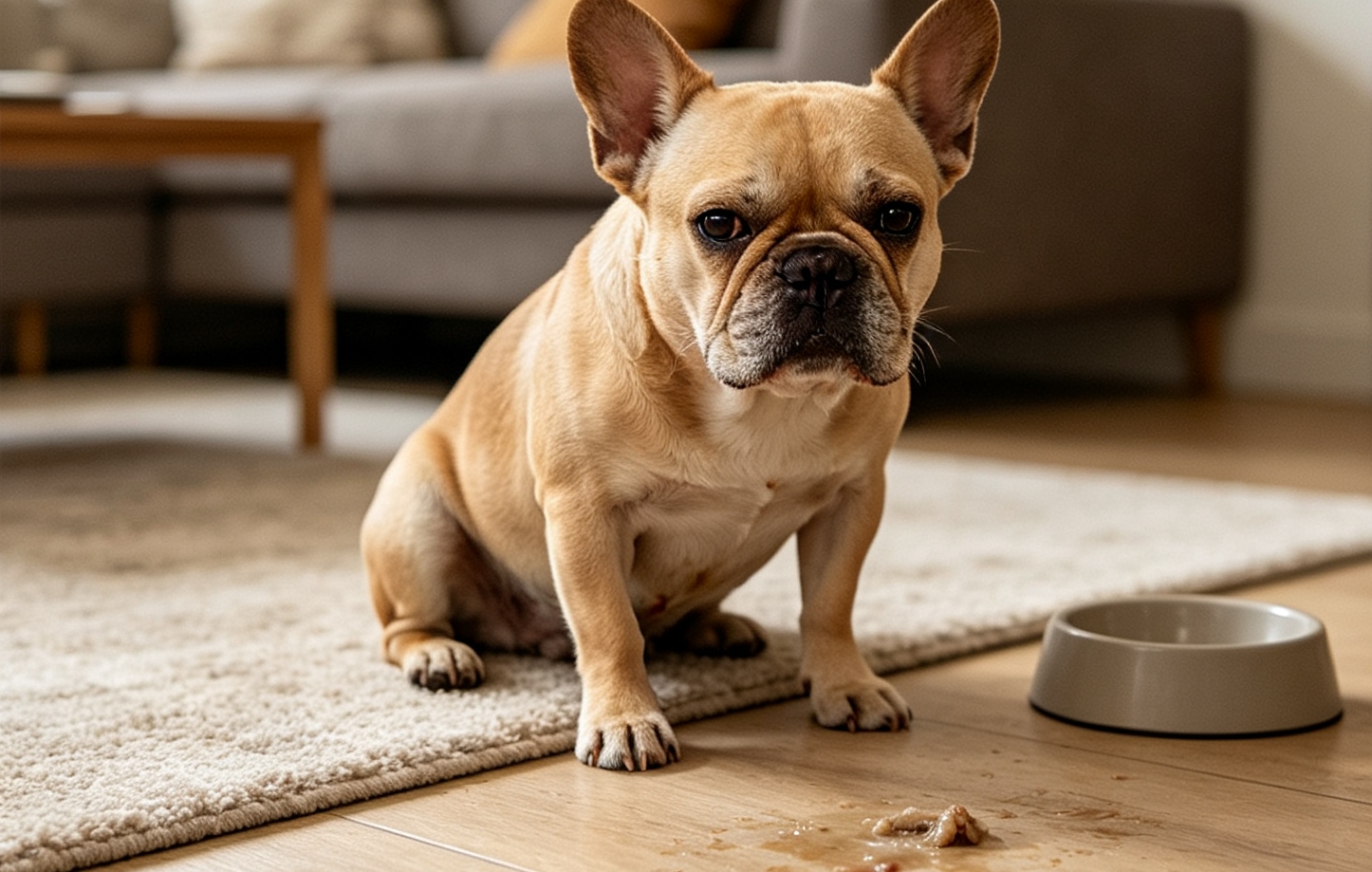
Hello everyone. After ten years caring for countless pets and their owners, I have found French Bulldogs consistently rank high on the list of breeds prone to digestive troubles. Almost every week, several worried Frenchie parents come to my clinic with the same concerns: “Doc, my pup constantly passes shapeless, soft stools, and its gas… it’s like a biological weapon that gives people headaches. What’s going on, and what can we do?”
If you are facing this frustration, rest assured you are far from alone. Thanks to their distinctive facial and body structure, this lovely breed naturally possesses delicate digestive systems. Today, speaking as an experienced practitioner and fellow dog lover, I will dive deep into French Bulldog gastrointestinal issues and share a proven, actionable digestive management routine.
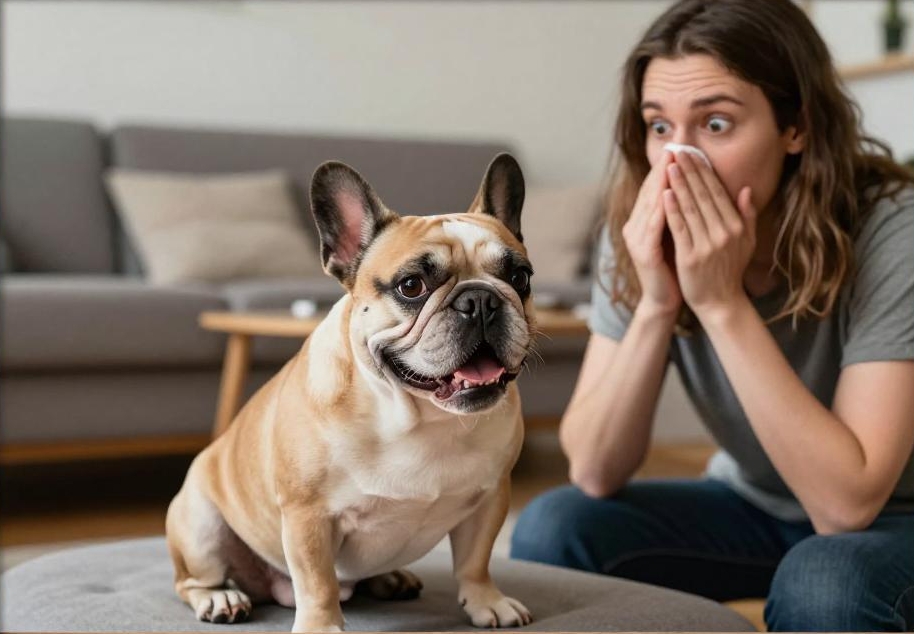
Why Do French Bulldogs Have Such Fragile Digestive Tracts?
To solve the problem, we first need to understand its root causes. Sensitive digestion in French Bulldogs arises from multiple overlapping factors:
1. Innate Physiological Limitations: Frenchies are classic brachycephalic (flat-faced) dogs. Their esophagus and stomach do not align perfectly in a straight line. This makes them swallow excessive air while eating — one major source of smelly flatulence — and raises risks of gastroesophageal reflux and poor digestion.
2. Gobbling Feeding Habits: Many French Bulldogs race through meals without proper chewing. This puts heavy strain on the stomach. Undigested food enters the intestines and ferments, producing gas and triggering loose stools and strong-smelling flatulence.
3. Imbalanced Intestinal Microbiome: This is the most critical factor. Improper diet, antibiotic treatment and stress can disrupt the balance between good and harmful bacteria in the gut. When harmful microbes dominate, large volumes of malodorous gases such as hydrogen sulfide are generated, nutrient absorption drops, and stools fail to firm up.
4. Food Intolerance or Allergy: Some French Bulldogs are sensitive to common protein sources (beef, chicken) or grains (corn, wheat), triggering chronic intestinal inflammation that shows as persistent loose stool and abdominal discomfort.
With these factors clear, our management goals become defined: reduce swallowed air, support digestion, restore balanced gut flora, and eliminate triggering food ingredients.
Real-World Routine: Five-Step Protocol to Restore Healthy Digestion
These methods are not theoretical. I refined them after handling dozens of comparable cases, including a rescue French Bulldog named Tank who suffered from extremely sensitive digestion.
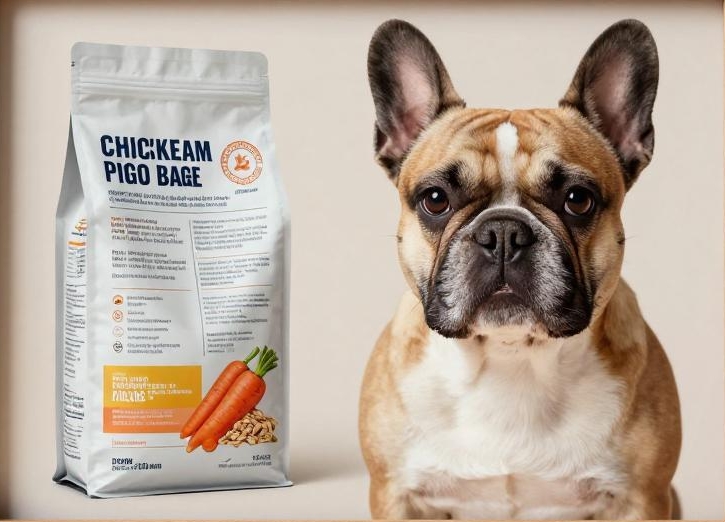
Solution 1: Dietary Management — Find the Right Food
Diet forms the foundation of gut support. I have met countless owners who frequently switch kibble or feed large quantities of human food, which only worsens intestinal disruption.
My Advice & Experience:
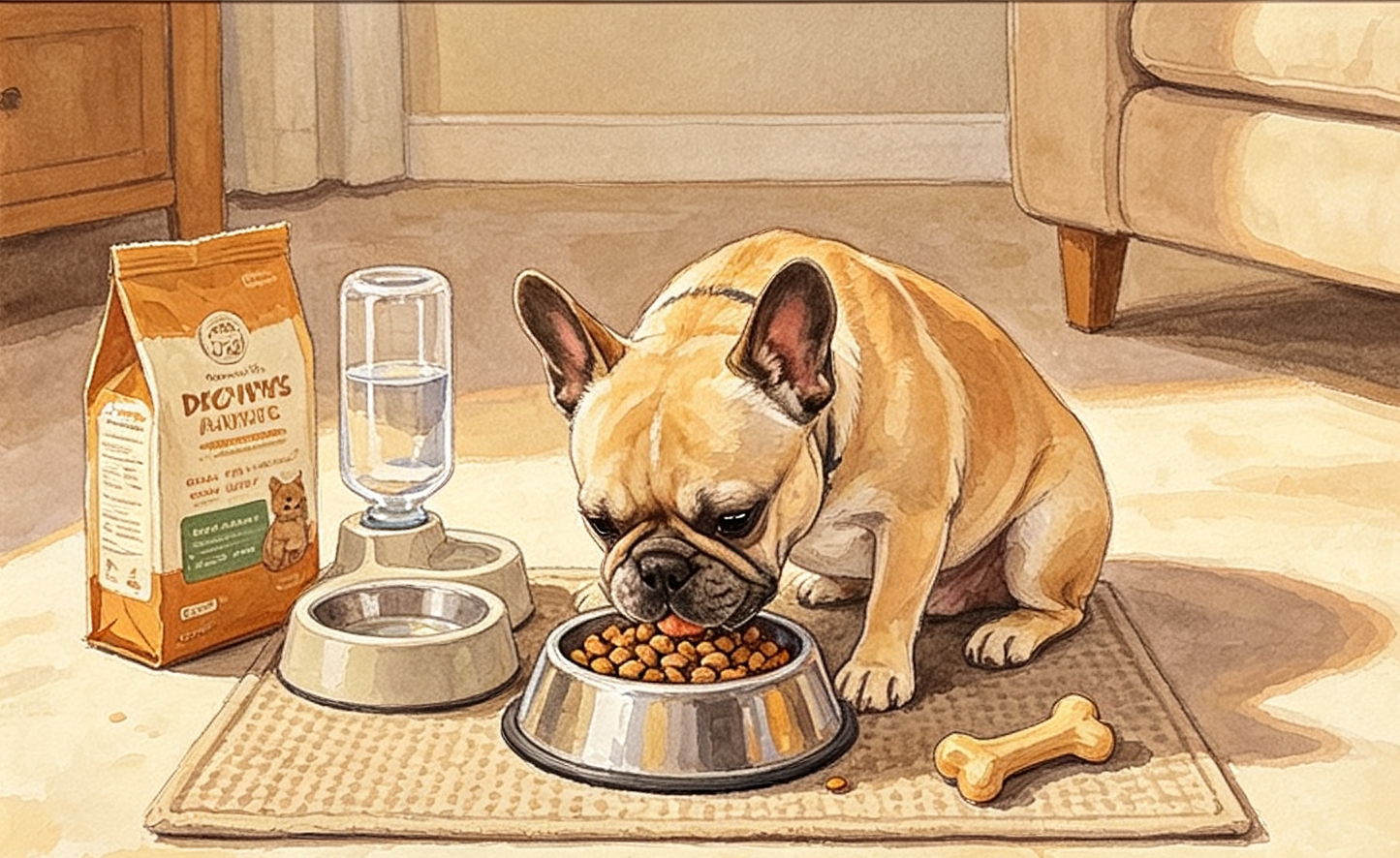
1. Select kibble featuring a single animal protein, grain-free or hypoallergenic formulation. For sensitive-gut Frenchies, start with a single novel protein source (fish or duck as primary protein) to simplify allergen screening. Grain-free formulas lower risks triggered by grain intolerance. I initially transitioned Tank onto hydrolyzed protein veterinary diet. Once his condition stabilized, I switched him to a premium duck and sweet potato formula with excellent results.
2. Follow a strict elimination diet trial. If food allergy is suspected, complete an 8–12 week elimination trial under veterinary guidance. Feed only one previously unfamiliar protein and carbohydrate combination (e.g., kangaroo meat with pumpkin). No treats or chew sticks are permitted during the trial. If symptoms clear, gradually reintroduce separate ingredients to identify triggers.
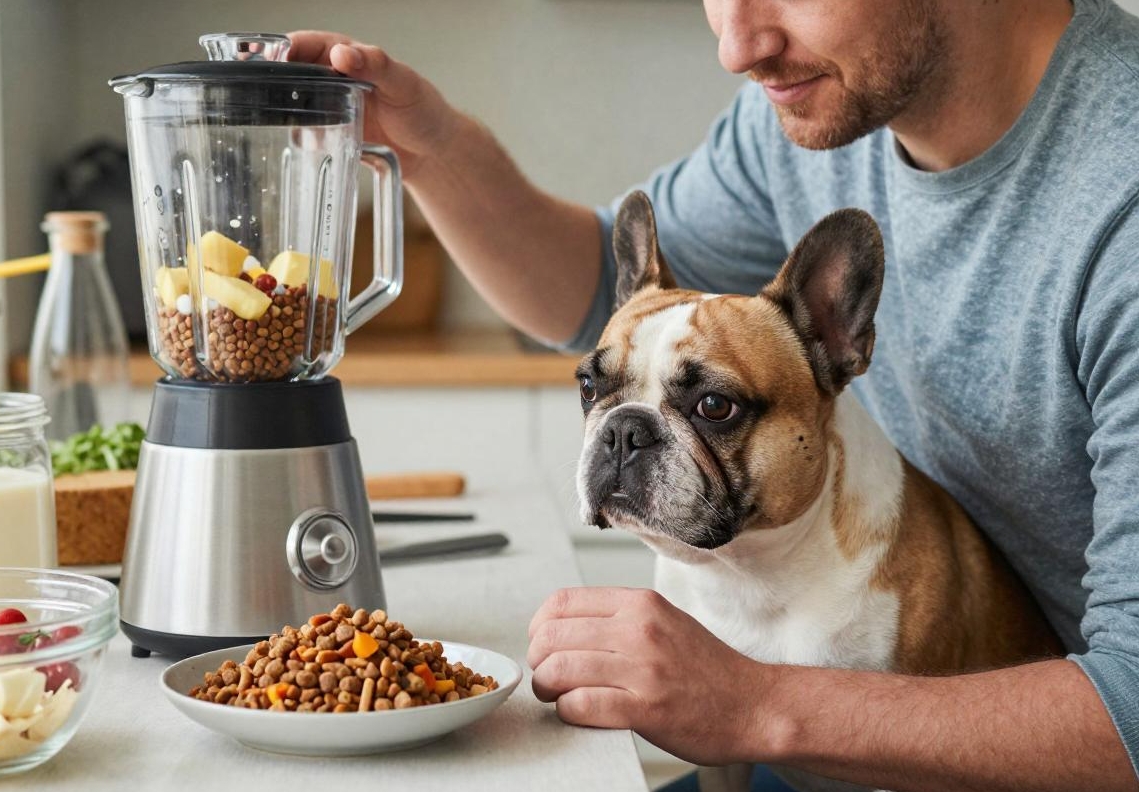
3. Introduce supplementary foods cautiously. Once the staple diet works reliably, add gut-friendly superfoods in moderation: steamed pumpkin (rich in fiber to regulate loose stool), unsweetened plain yogurt (natural probiotic source), small portions of boiled chicken breast or steamed salmon. Always follow the rule: small amounts, single new ingredient, gradual introduction.
Solution 2: Use Probiotics & Digestive Enzymes — Bring Support to the Gut
For intestines with disrupted flora, high-quality probiotics offer direct, effective support.
My Advice & Experience:
1. Choose probiotics formulated specifically for pets. Human probiotic strains may not adapt well to canine digestive tracts. Look for products listing exact strain codes (such as Saccharomyces boulardii CNCM I-1079), high viable bacteria counts and acid-resistant formulations.
2. Follow proper administration rules. Probiotics contain live cultures — never mix with hot water. Stir into room-temperature food or administer with cool boiled water. If your dog receives antibiotics, separate probiotic doses by a minimum of two hours.
3. Consider digestive enzyme supplements. For fast-eating Frenchies with weak digestion, add pet digestive enzymes before meals. Enzymes pre-break down proteins, fats and carbohydrates to lighten intestinal workload. I regularly recommended this for Tank, and both the frequency and odor of his flatulence improved significantly.
Solution 3: Adjust Feeding Behaviour — Slow Down & Offer Smaller, Frequent Meals
Modifying daily habits is equally vital.
My Advice & Experience:
1. Use a slow feeder bowl. This is the simplest tool to stop rapid gulping. Raised obstacles inside the bowl force your dog to navigate around barriers while eating, greatly extending mealtime and cutting swallowed air. It delivers immediate improvements in bloating and smelly gas caused by aerophagia.
2. Switch to smaller, frequent meals. Replace two daily meals with three or even four portions of reduced volume. This prevents overwhelming the digestive system in one sitting and allows digestion to operate steadily.
3. Keep activity calm after meals. Avoid strenuous running, jumping or active play for 30 minutes after feeding. Vigorous movement shifts the stomach and may trigger discomfort or vomiting.
Solution 4: Daily Lifestyle Care — Water, Exercise & Stress Reduction
1. Supply constant clean drinking water. Encourage consistent fresh water intake to support metabolism. Prevent large, rapid drinking sessions immediately after heavy exercise.
2. Maintain moderate, regular exercise. Daily walks boost intestinal motility. However, French Bulldogs cannot tolerate heat well. Avoid intense activity during hot hours to prevent heatstroke and stress responses.
3. Minimize stress triggers. Frenchies are emotionally sensitive. Loud noises, unfamiliar surroundings and your shifting mood can trigger stress and upset digestion. A quiet, stable living environment is essential.
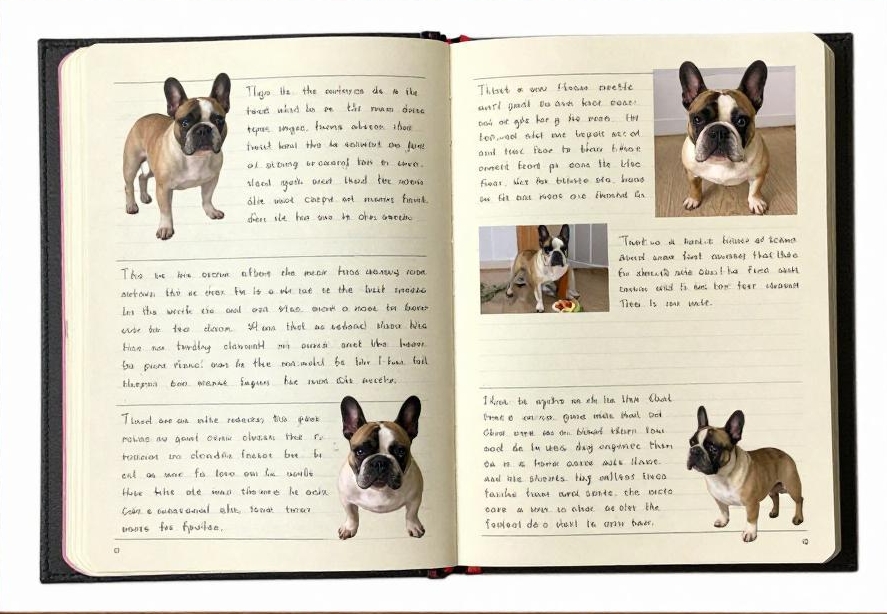
Solution 5: Maintain a Food & Stool Diary
I require every owner consulting for digestive troubles to keep this record. Prepare a notebook to log:
- Date and time
- All food fed (brand, type, weight) plus treats
- Stool records (time, consistency rated via fecal scoring chart, color, presence of mucus)
- Frequency and odor of flatulence
- Abnormal behaviour (scratching, vomiting)
This diary helps you and your vet clearly map connections between diet and symptoms, serving as an invaluable reference throughout the management process.
Mistake Avoidance Guide: Do Not Make These Common Errors
Watch out for these critical pitfalls during gut rehabilitation:
1. Frequent food switching: A dog’s gut requires at least one week to adapt to new food. Constant changes confuse the digestive tract and worsen symptoms over time.
2. Blindly administer human medication: Never give your dog human anti-diarrheal or gastrointestinal drugs. Certain ingredients are toxic to canines and may mask underlying illness.
3. Over-rely on treats and supplements: Treats should be used only for rewards and make up no more than 10% of daily calorie intake. Stacking countless nutritional supplements can overload liver function.
4. Neglect parasite prevention: Intestinal parasites are a leading cause of chronic diarrhea. Stick to strict, scheduled internal and external parasite control.
Summary
Supporting a French Bulldog’s sensitive digestion is a long-term journey demanding patience and attention. There are no instant miracle remedies. Success hinges on scientific dietary management, consistent feeding routines, ongoing gut flora support and careful observation of your dog’s daily condition. Start by selecting suitable staple food, pair with probiotics and slow feeders, and keep detailed records. Gradually, issues with loose stool and smelly flatulence will fade away, leaving you with a happy Frenchie that enjoys meals, maintains bright energy and possesses stable digestive health.
Important Reminder
All guidance shared in this article applies to daily maintenance and mild, chronic gastrointestinal upset. Immediately stop home management and seek urgent veterinary care if your French Bulldog develops any of the following signs:
- Severe watery diarrhea that fails to improve after 24 hours.
- Bloody stool, black tarry feces, or stool containing large amounts of mucus.
- Repeated vomiting, unable to keep water or food down.
- Extreme lethargy, complete loss of appetite, abdominal pain (yelping or pulling away when touched).
- Fever and dehydration (slow skin snap test when lifting neck skin).
These symptoms may signal parasite infection, bacterial enteritis, pancreatitis, foreign body obstruction or more serious disorders. Veterinarians can carry out professional examinations including fecal tests, blood work and imaging to deliver an accurate diagnosis and timely treatment. Show your love by providing scientific, prompt care.