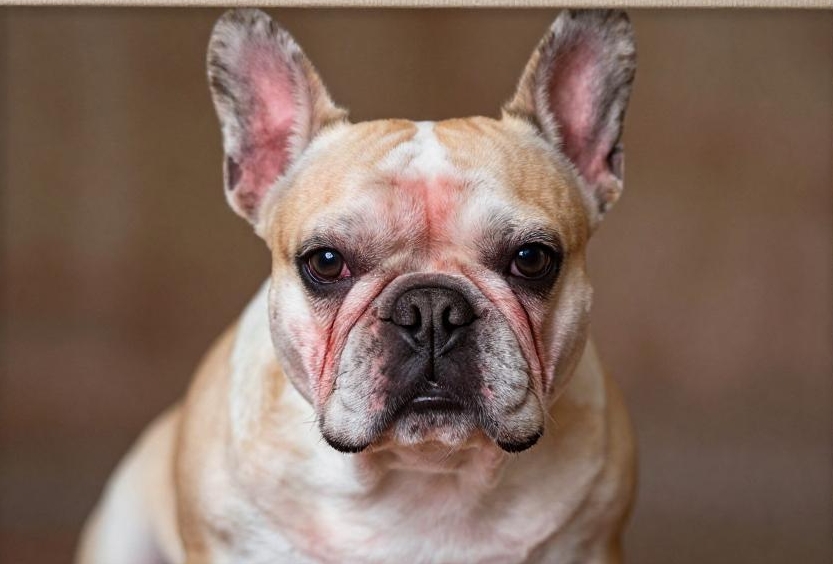
Hello everyone, I’m Lao Chen, a veterinarian and dog trainer with more than ten‑years of experience working with dogs. Every week in my clinic I see worried owners carrying their overweight French bulldogs asking: “Doc, is my dog ‘Tank’ too fat? But he pants heavily after short walks and starts limping when he runs. I’m afraid to exercise him…” This scenario is extremely familiar. French bulldogs are undeniably adorable yet prone to gaining weight. The biggest obstacle on their weight‑loss journey is often not laziness, but lack of understanding of their special physiology. Blind exercise may fail to burn fat and instead injure their fragile joints and respiratory tract.
Why Does Your French Bulldog Get Injured Easily With Exercise? Core Analysis
To build a safe and effective plan, we first need to understand the unique physical traits of French bulldogs. They are far from ordinary dogs.
1. Congenital structural challenges: French bulldogs belong to a chondrodysplastic breed. The incidence of hip dysplasia and patellar luxation is much higher than in other dog breeds. Their short‑limb, stocky build means higher unit pressure exerted on joints. Excess body weight is not merely a burden — it places overwhelming stress on joints.
2. Unique respiratory limitations: Brachycephalic obstructive airway syndrome is their defining feature, bringing narrow airways. Strenuous or improper exercise can easily trigger breathing difficulty, overheating, and even life‑threatening heatstroke. It is not that they dislike running; they physically cannot keep up and struggle to draw breath.
3. Muscle‑skeletal imbalance: French bulldogs typically have relatively well‑developed forequarter muscles and lighter hindquarters. Obesity amplifies this imbalance, further stressing hind‑leg joints, altering gait and creating a vicious cycle.
I once treated a 3‑year‑old French bulldog named “Baozi” who was 40 % above ideal body weight. Hoping for weight loss, his owner took him jogging one kilometre every day. After three months, Baozi barely lost weight yet started refusing to walk. Examination revealed bilateral patellar luxation and early‑stage arthritis. This case troubled me deeply and made it clear: for French bulldog weight loss, joint safety must come above calorie burning.
Scientific Progression: Safe Fat‑Burning Exercise Routine for French Bulldogs
Based on the above principles, I have designed a gradual, mild and consistent progressive plan. Remember: patience matters more than exercise intensity.
Phase 1: Activation & Adaptation Period (Approx. 2‑4 weeks)
Goals: Boost basal metabolism, activate musculature and build exercise habits. Never push for longer distances or higher speed.
Core exercises:
- Post‑meal slow walks: Start 30 minutes after meals on flat ground such as residential pavements or lawns. Begin at 5‑8 minutes per session, twice daily. Keep the pace slow — roughly half your normal walking speed. Ensure steady breathing without loud gasping. For Baozi, I instructed his owner to start with five laps around the living room twice per day, using mild panting as the upper‑limit warning sign.
- Water standing / shallow‑water walking: If conditions permit, this is an ideal starting point. Fill a pet swimming pool or home bathtub (with non‑slip mat) with lukewarm water and let the dog stand or walk slowly for 5‑10 minutes. Water buoyancy relieves over 85 % of joint pressure while delivering gentle resistance. This is my top‑recommended initial activity for overweight French bulldogs at arthritis risk.
- Basic interactive games: Indoor activities. Hide treats inside a snuffle mat to encourage foraging by scent; or cycle simple sit‑down‑stand commands for 3‑5 minutes per round. The aim is to raise energy expenditure without large‑scale body movement.
Phase 2: Steady Improvement Period (Approx. 1‑3 months)
Goals: Gradually raise exercise volume and intensity, improve cardiopulmonary fitness and initiate effective fat burning.
Core exercises:
- Extended walks & gentle inclines: Increase flat‑ground walking duration gradually to 15‑20 minutes per session. Seek very gentle slopes (maximum 15‑degree gradient) for uphill‑downhill walks. Uphill movement strengthens hind‑limb and gluteal muscles; move extra slowly downhill to protect forelimb joints. I often suggest using underground‑garage ramps — quiet and smoothly surfaced.
- Interval brisk‑walk training: Insert intervals within walks. Example: 3 minutes slow walk → 30 seconds moderately faster walking (closely monitor breathing; stop immediately upon heavy gasping) → 3 minutes slow walk. Repeat 2‑3 cycles. This pattern yields better fat‑burn efficiency than constant‑speed walking while granting the respiratory system recovery time.
- Swimming (if accessible): Begin with 10‑minute swimming sessions once weekly, build up to 15‑20 minutes twice weekly. Use professional guidance or a canine life jacket, strictly control session length to avoid over‑exertion. Always fully dry skin folds after swimming to prevent infection.
Phase 3: Consolidation & Diversification Period (Long‑term maintenance)
Goals: Sustain weight‑loss results, diversify activities and enhance overall physical condition.
Core exercises:
- Set fixed exercise schedule: For instance, 20‑25 minute mixed‑pace walks morning and evening on workdays; one 30‑minute exploratory park walk or swimming session on weekends.
- Low‑height obstacle drills: Set extremely low household obstacles e.g. a flat‑laid book for the dog to step over; or guide figure‑of‑eight walking. These improve bodily coordination and joint mobility. All obstacles must sit below the dog’s carpal‑joint height.
- Strength‑building work: Recall drills combining “sit‑stay‑come” with an added “down” command build core stability without large‑range movement. While the dog stands, you may also gently massage limb muscles and passively flex‑extend joints with extreme care.
Throughout the whole process, dietary control must run in parallel. Work with your vet to confirm precise daily calorie intake, switch to weight‑management kibble, eliminate all human food and high‑calorie treats. Do not feed within one‑hour before or after exercise and provide unlimited fresh clean water.
Pitfall‑Avoidance Guide: Well‑Intended Mistakes That Cause Harm
- Pitfall 1: Exercise in hot or humid weather. French bulldogs suffer heatstroke easily. Choose cool early‑morning or late‑evening hours. Continuously observe tongue colour (purple tongue signals danger), loud breathing sounds and general demeanour.
- Pitfall 2: Running on hard ground with retractable leashes. Retractable leashes allow sudden acceleration or abrupt stops, creating massive joint impact. Use fixed‑length leashes and exercise on soft surfaces such as grass or dirt.
- Pitfall 3: Ball‑chasing or frisbee‑catching as primary exercise. These explosive, sharp‑turn activities are major hazards for French bulldog joints and spines and are strictly forbidden.
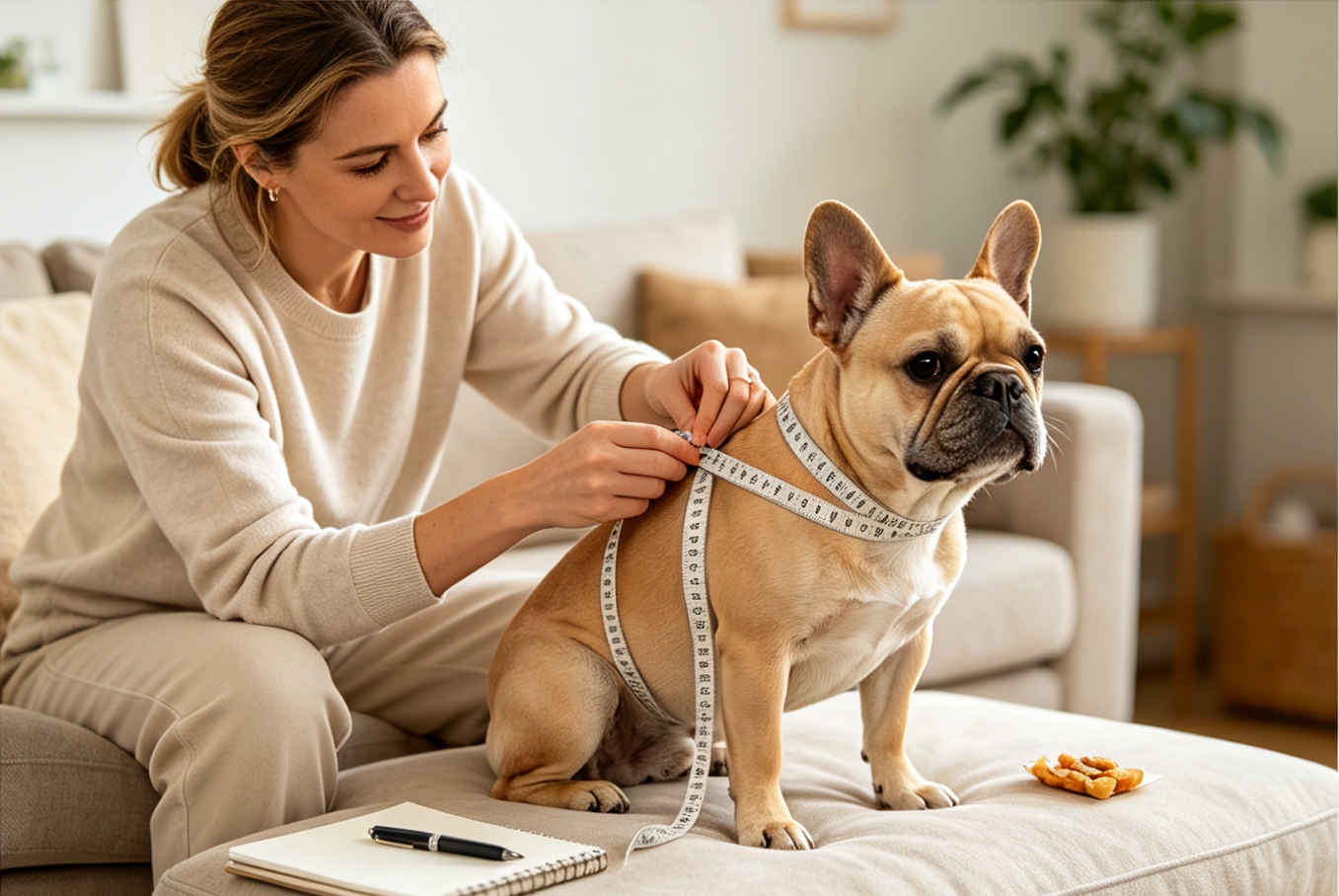
- Pitfall 4: Focus solely on scale readings ignoring body shape and spirit. Weigh once weekly and combine results with body‑condition scoring. Ideal condition: ribs are easily palpable, and a clear waist tuck is visible from above. Post‑exercise behaviour should show happiness plus mild tiredness with fast recovery, not collapse or prolonged heavy panting.
- Pitfall 5: Ignore pain warning signs. Limping, reluctance to jump, flinching or whimpering when touched are red flags for joint pain. Rest immediately and consult your veterinarian.
Summary: Balancing Affection and Science
Helping a French bulldog lose weight demands restraint and wisdom. Restrain anxiety for rapid weight loss and resist over‑feeding triggered by pleading eyes. Understand their special physiology and design safe, tailored exercise paths. Success is not defined by sharp drops on weighing scales, but by lighter‑stepping movement, brighter eyes, and many more healthy years together by your side.
Important Reminder
The plan in this article applies to overweight yet generally healthy French bulldogs. If your dog already shows obvious limping, difficulty standing, severe post‑exercise dyspnoea, or has pre‑diagnosed heart disease or advanced arthritis, always consult your veterinarian or canine rehabilitation therapist first for comprehensive health assessment and custom‑tailored treatment and exercise protocols. Safety always comes first.