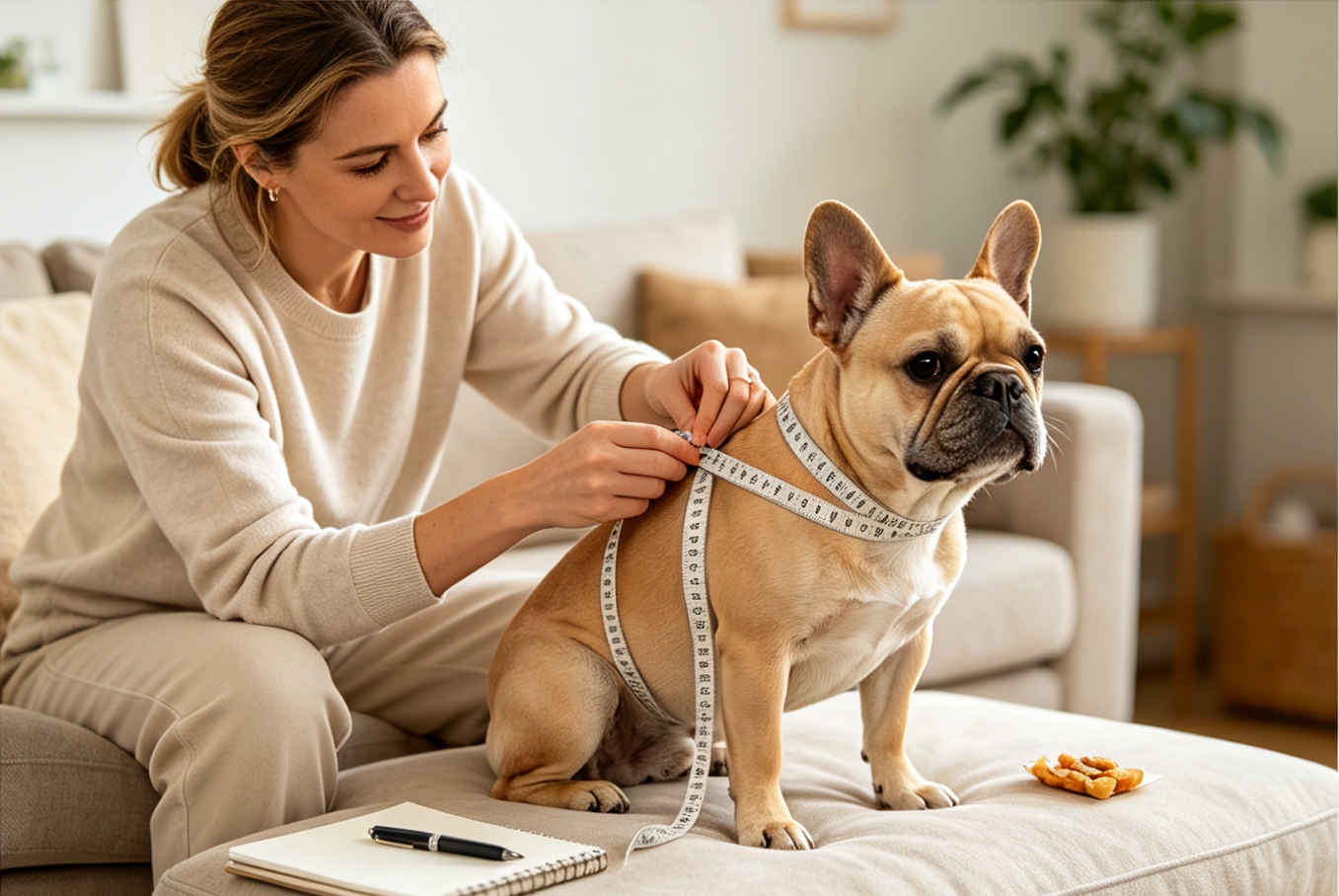
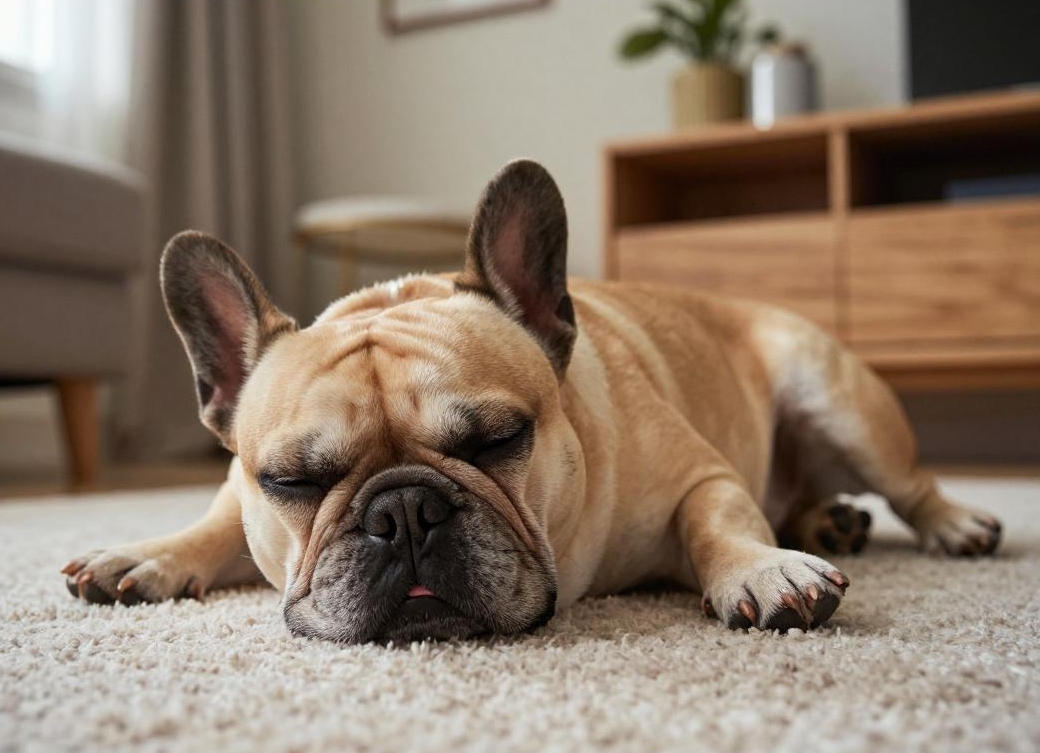
Hi everyone, I’m Lao Chen, a veterinarian with over ten years of experience in pet medical treatment and care. Over the years I have worked with countless pet‑owning families and seen many small health troubles caused by owners’ deep affection yet lack of scientific care knowledge. Especially every summer, numerous French bulldogs come to my clinic for sneezing, runny nose, flaky skin and itching. Owners are often confused: “Doc, I take really good care of him, he stays indoors with air conditioning all day, so why does he catch a cold and get dry skin?” Today I will talk in detail about how to properly raise your delicate French bulldog in air‑conditioned rooms, so he can stay cool while avoiding colds and dry‑skin issues.
Why Do French Bulldogs Develop So Many Health Issues in Air‑Conditioned Rooms?
Before going over solutions, we need to figure out the root causes. French bulldogs are not hardy dogs. Their body structure and physiological traits make them particularly vulnerable in air‑conditioned constant‑temperature environments, mainly for three reasons:
First, unique respiratory structure. French bulldogs are typical brachycephalic (flat‑faced) dogs. They are born with narrow airways and elongated soft palates, leading to lower breathing efficiency than most other dogs. Cold dry air from air‑conditioning directly irritates their sensitive respiratory mucosa, causes local blood vessel constriction and lowers immunity. Viruses and bacteria then easily invade and trigger upper‑respiratory‑tract infection, commonly known as a cold.
Second, thin coat and sensitive skin. French bulldogs have short fine fur without thick undercoat for heat retention and skin‑moisture locking. Continuous dehumidification by air‑conditioners rapidly depletes moisture in indoor air and on the skin surface. Long‑term dry skin lacks natural protective sebum secreted by sebaceous glands, damaging the skin barrier function. This not only brings excessive dandruff and dull coat, but also triggers itching. Scratching easily creates skin breaks and secondary infection, forming a vicious cycle.
Third, drastic temperature difference shock. Many households set air‑conditioners too low (below 24℃), or let dogs frequently move between spaces with huge temperature gaps, for instance from a 26℃ living room to a 35℃ balcony. Such sudden temperature swings are heavy stress for French bulldogs with weak thermoregulation ability, easily disturbing body functions and causing sickness.
Field‑Tested Advice: My Five‑Step Protection Method
Now let’s move from theory to practical five‑step protection solutions based on real clinical cases I have handled.
Solution 1: Precisely Control Ambient Humidity and Temperature
This is the most fundamental and critical step. I recommend placing a hygrometer‑thermometer at spots where your dog spends most time.
- Temperature setting: Keep air‑conditioner temperature between 26‑28℃. This range feels comfortable for humans and safe for French bulldogs. Do not chase overly cool temperatures. One owner I met set air‑conditioner to 22℃ for his own comfort; his French bulldog kept sneezing and eventually developed bronchitis.
- Humidity maintenance: Maintain relative humidity at 50‑60%. Intervention is required once humidity drops below 45%. I suggest using a humidifier inside the dog’s resting room. Choose an ultrasonic humidifier, use purified water and clean it regularly to prevent bacterial growth. If you do not own a humidifier, placing a basin of clean water or hanging wet towels can deliver limited auxiliary humidifying effects.
Solution 2: Build a Safe Rest Zone and Temperature‑Transition Buffer
French bulldogs are very sensitive to cross‑ventilation and direct cold airflow. Never let your dog sleep right under air‑conditioner outlets.
- Arrange resting area: Prepare a soft thick dog bed or mat placed in room corners away from air outlets. You may lay a breathable cooling mat in summer, topped with a thin cotton layer for heat insulation and to prevent belly chills.
- Manage temperature transition: Before taking your dog outdoors, turn off the air‑conditioner 10‑15 minutes in advance to let indoor temperature rise slowly close to outdoor temperature before going out. Conversely, after coming back from hot outdoors, do not enter the cold air‑conditioned room immediately. Rest for a while in non‑cooled entryway, wipe paws and belly with towel, wait until breathing stabilizes before entering.
Solution 3: Scientific Skin and Coat Care
You need to take active measures against dryness.
- Bathing rules: You may increase bathing frequency moderately in summer, yet no more than once per week. Always use pet‑specific moisturizing or mild hypoallergenic shampoo. I have witnessed tragic cases where owners used human shampoo for French bulldogs, resulting in full‑body skin allergy and hair loss. Thoroughly dry the coat after bathing, avoid the hottest blower setting; use medium wind and temperature and dry to roughly 80‑90% dryness.
- Regular skin‑health supplements: Add skin‑friendly nutritional supplements to meals. From my experience, feed your French bulldog cooked salmon (rich in Omega‑3) 2‑3 times weekly, or add one small spoon of pet‑formulated fish oil or lecithin to kibble every day. Stick to the routine and you will notice obvious improvements in coat glossiness and skin elasticity. My own French bulldog Tank is fed this way, maintaining stable skin condition even in air‑conditioned rooms.
Solution 4: Upgrade Food and Water Management
Internal conditioning also matters greatly.
- Guarantee sufficient drinking water: Water evaporates faster in air‑conditioned spaces. Always provide fresh adequate drinking water. Place multiple water bowls across different activity zones. If you observe reduced water intake, drop tiny treats such as freeze‑dried bits into water to encourage drinking, or serve high‑moisture food like wet dog food or homemade fresh meals (pay attention to nutritional balance).
- Light and nutritious diet: Avoid overly salty or greasy food and treats, which burden skin and kidneys. Choose high‑quality kibble and add properly cooked fresh vegetables such as broccoli and carrots in moderation.
Solution 5: Build Daily Observation and Interaction Habits
Best treatment is prevention, and prevention relies on careful observation.
- Daily quick check‑up: While petting your dog every day, watch for these points:
1. Is nose moist and cool? Dry warm nose may signal onset of sickness.
2. Any abnormal dandruff, red spots or scabs on skin? Is coat dull and brittle?
3. Are eyes and ears clean without unusual discharge?
4. Good energy level and appetite? - Moderate indoor exercise: Even indoors under air‑conditioning, spend time daily on low‑intensity interactive play with toys to boost blood circulation, metabolism and immunity. Avoid letting him lie down for rest right after intense running under cold airflow.
Mistake‑Avoidance Guide: Never Make These Common Errors!
From my clinical experience, many owners fall into the following traps:
Mistake 1: Same temperature for human and dog. Temperature comfortable for you may be too cold for your French bulldog. Adjust temperature upward according to your dog’s comfort.
Mistake 2: Frequent baths for odor removal. Bathing more often because of doggy odor strips away protective skin sebum, making skin drier and more prone to problems.
Mistake 3: Ignore minor symptoms. Do not dismiss occasional sneezes or a few dandruff flakes. French bulldog conditions can deteriorate fast; countless cases show small issues turning into severe illnesses.
Mistake 4: Misuse human‑grade medicine. Never give human cold medicine to sick dogs! Ingredients such as acetaminophen are highly toxic to canines.
Summary
Raising French bulldogs demands extra carefulness and patience from owners. Air‑conditioning is a double‑edged sword in modern life. You need to follow five core principles: optimize temperature and humidity, avoid direct cold airflow, strengthen skin moisturizing and nutrition, secure adequate water intake, keep close observation, to build a truly comfortable and healthy living environment for them. Remember prevention beats cure. Turn scientific care into daily habits, and your French bulldog will get through every summer comfortably.
Important Reminder
The experience and methods shared apply to routine prevention and mild‑symptom home care. If your French bulldog shows persistent frequent coughing, thick nasal discharge, lethargy, complete appetite loss, fever (body temperature over 39.2℃), large‑area skin red rashes, severe itching, ulceration or pus discharge, home care will no longer suffice. Stop self‑treatment at once and take him to a licensed pet hospital for professional veterinary diagnosis and therapy. Do not delay treatment.