Dear French Bulldog owners, hello everyone. Over ten years caring for these lovely‑stubborn companions, I have seen countless French bulldogs suffering terribly from joint disorders. Watching them shift from lively playfulness to shuffling gait, even refusing to walk due to pain, I fully understand owners’ heartache and helplessness. Today I will dive deep into daily scientific maintenance practices to build a protective shield for your French bulldog’s vulnerable hips and spine.
Pain‑Point Introduction: When the “Little Tank” Stops Charging Around
Have you noticed these behaviours in your French bulldog:
Hesitation when standing up; hind legs pushing repeatedly before rising;
Less‑fluid running posture with rabbit‑hopping hind‑leg movement;
Great difficulty climbing stairs, sometimes requiring you to carry them;
Frequent licking of hips or hind legs after play or in cold weather;
Resistance against touching lower back or hips, sometimes growling or flinching;
Slight swaying of hindquarters while walking.
These seemingly minor signs often serve as early warnings for hip dysplasia, patellar luxation or excessive spinal stress (especially thoracolumbar segment). French bulldogs’ physical build — short limbs, heavy forebody and relatively narrow pelvis — makes them genetically prone to joint disorders. Ignoring these signals may lead to worsening arthritis, intervertebral disc disease and even paralysis.
Root‑Cause Analysis: Why Are French Bulldog Joints So Fragile?
To solve problems, we must first understand origins. French bulldog joint fragility arises from multiple overlapping factors:
1. Hereditary & congenital structural weaknesses: Hip dysplasia (HD) shows high heritability among French bulldogs. Their shallow ball‑and‑socket hip joints fail to hold femoral heads tightly, resulting in joint instability, abnormal friction and wear. Coupled with their heavy‑front‑light‑rear body type plus short curved limbs, the spine — especially the thoracolumbar junction — bears persistently unbalanced heavy loads.
2. Huge weight‑management challenges: French bulldogs are famous food‑lovers with slow metabolism, making them highly susceptible to obesity. Each extra kilogram adds stress equivalent to a human carrying dozens‑kilogram sandbags, drastically accelerating articular‑cartilage deterioration.
3. Improper exercise and activities: Many owners enjoy watching their French bulldogs jump or stand‑up begging, yet these movements severely damage their spine. Sudden explosive sprints, abrupt stops, jumping onto/off sofas and beds deliver impact injuries to hips and spine.
4. Slippery floors and inadequate care: Smooth indoor tiles and hardwood floors make hind legs slip constantly. To keep balance, leg muscles and joints stay tensed under incorrect biomechanics and further worsen instability. Failure to fully dry skin after bathing may also contribute to joint discomfort in damp conditions.
Practical Actionable Solutions: Ten‑Year Clinical Experience Summary
Theory means little without real‑world action. Below are 5 repeatedly validated, easy‑to‑sustain solutions refined from my clinical consultations.
Solution 1: Prioritize Weight Management
I often tell owners: “Weight loss is the lowest‑cost, most‑effective joint medicine.” I once treated a 3‑year‑old French bulldog named “Tank” presenting severe hip pain with 40 % excess body weight. Alongside pain‑relief medication, we created a strict weight‑reduction plan.
My practical steps:
1. Precise calorie calculation: Together with the owner, calculate resting energy requirement based on Tank’s ideal body weight (not current weight) plus activity level, multiplied by a low activity coefficient e.g. 1.2 for total daily caloric intake. Use pet‑nutrition calculators or consult your vet.
2. Functional diet switch: Replace regular kibble with joint‑support or weight‑management veterinary‑formula food. Such diets are usually rich in glucosamine and chondroitin with lower caloric density.
3. Food‑logging habit: Ask owners to log everything consumed each day: main meals, treats and even stolen scraps. Many are shocked to find trivial treats are major calorie contributors. We use low‑calorie rewards such as boiled chicken strips or diced carrots for training.
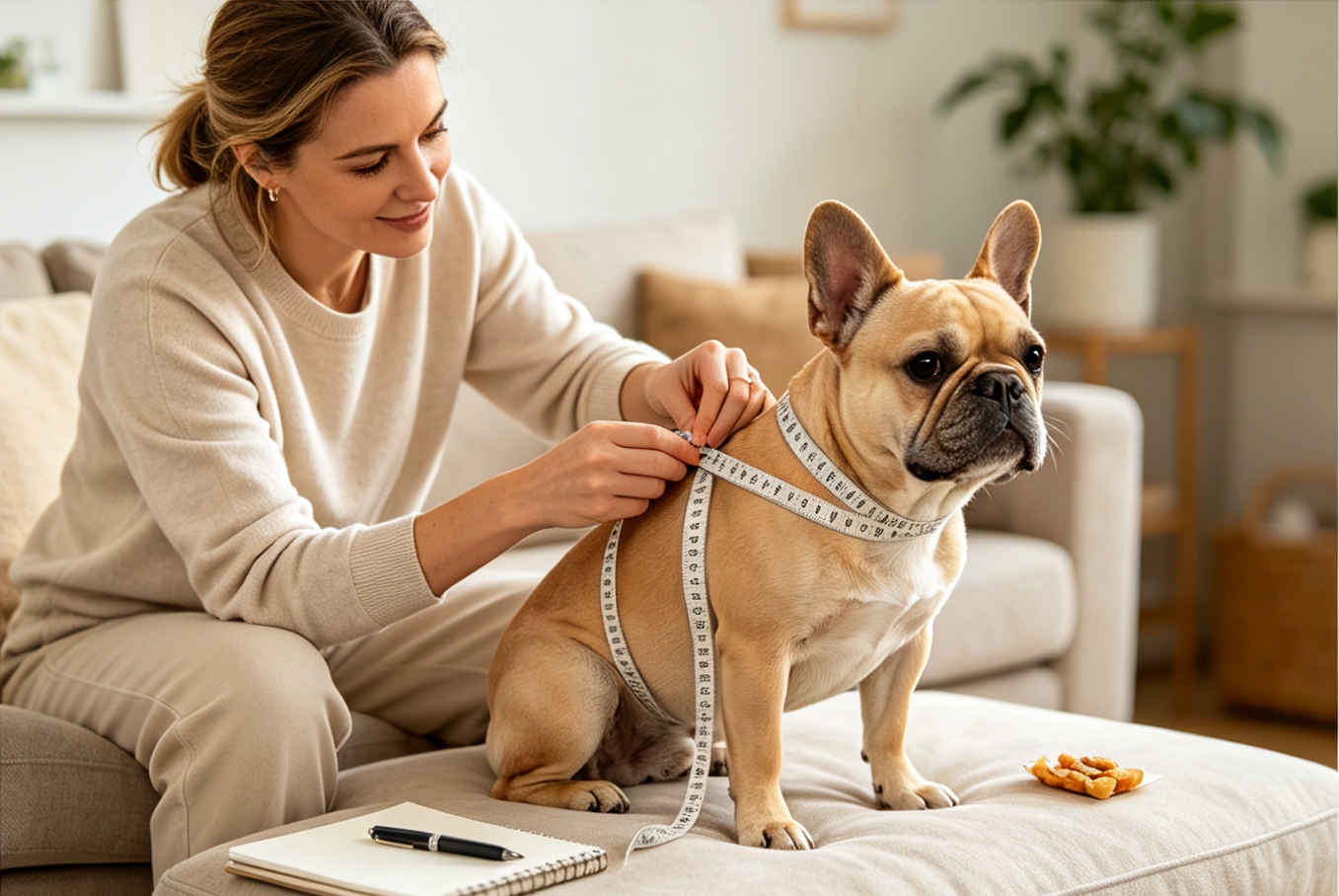
4. Weekly weigh‑ins: Weigh on the same scale at fixed time each week. Target weekly weight loss equals 1‑2 % of body weight.
After four‑month adherence, Tank lost 25 % of excess weight. Most encouragingly, running and rising‑related pain dropped noticeably and overall demeanour improved greatly. Remember: you should easily feel but not see ribs, with a visible waist contour viewed from above.
Solution 2: Design Joint‑Friendly Exercise Routines
French bulldogs need exercise, yet only suitable forms. I firmly oppose long‑duration intense running, frisbee‑chasing or high jumping.
My practical steps:
1. Walking principle: Multiple short sessions beat one long outing. 2‑3 daily mild walks of 15‑20 minutes each work best. Use a harness instead of collar to avoid neck pulling that strains the spine. Prefer grass, dirt tracks or non‑slip mat surfaces.
2. Swimming / hydrotherapy: One of the best joint‑friendly activities. Water buoyancy supports body weight allowing muscle training without load‑bearing stress. I recommended pet‑pool hydrotherapy for one French bulldog with early‑stage arthritis, once weekly. Hind‑limb strength improved significantly after one month. If professional facilities are unavailable, warm‑water bathtub soaking plus gentle in‑water leg lifts bring benefits at home.
3. Indoor‑game modification: Replace ball‑fetch games with scent‑work on carpets or mats. Hide treats or toys for nose‑driven searching. This satisfies mental stimulation and burns energy without strenuous jumping‑running.
4. Forbidden‑behaviour list: Strictly prohibit furniture jumping, stair climbing and two‑legged begging. Pet ramps or steps are advised for safe access to sofas and beds.
Solution 3: Scientific Nutritional Supplementation for Joint Support
Beyond staple diets, targeted supplements act as maintenance kits for joint tissues.
My practical steps:
1. Core supplements: Glucosamine and chondroitin‑sulfate serve as building blocks for cartilage matrix; MSM helps relieve inflammation and soreness. Choose quality‑guaranteed pet‑specific joint supplements. High‑risk or early‑symptom French bulldogs may take low‑dose long‑term for prevention.
2. Anti‑inflammatory nutrients: Omega‑3 fatty acids (from fish oil) deliver potent natural anti‑inflammatory effects lowering intra‑joint inflammation. I recommend pet‑grade fish oil high in EPA and DHA, dosed by body weight mixed into meals.
3. Real‑world case: A 7‑year‑old French bulldog “Doubao” developed age‑related joint stiffness. Alongside diet and exercise adjustments, I advised a comprehensive joint supplement containing green‑lipped mussel and curcumin. The owner reported shortened morning stiffness and increased willingness to move after roughly six weeks. Note: Always discuss supplements with your veterinarian, especially if your dog takes other medications.
Solution 4: Remodel Living Environment to Build a Non‑Slip Safe Home
Home should be the safest sanctuary for joints.
My practical steps:
1. Whole‑house anti‑slip strategy: Lay continuous non‑slip mats, yoga mats or short‑pile carpets along frequently‑used paths: bed‑to‑water‑bowl, bed‑to‑entryway. I have witnessed many acute joint‑injury cases caused by slips on smooth flooring.
2. Bed upgrade: Provide orthopedic memory‑foam pet beds that conform to body contours, distribute pressure and deliver joint support plus thermal comfort. Prevent direct sleeping on cold hard ground.
3. Elevated food‑water bowls: Use raised feeders so dogs do not over‑flex necks while eating and drinking, reducing cervical‑thoracic spinal pressure.
Solution 5: Learn Daily Home‑Care & Massage Techniques
Owner’s hands make excellent physical‑therapy tools.
My practical steps:
1. Mild warm‑compress therapy: After walks or during cold‑damp weather, apply well‑wrung warm towels (not hot against human back‑of‑hand) over lower‑back and hip regions for 10‑15 minutes. This boosts blood circulation and eases muscular tension and stiffness.
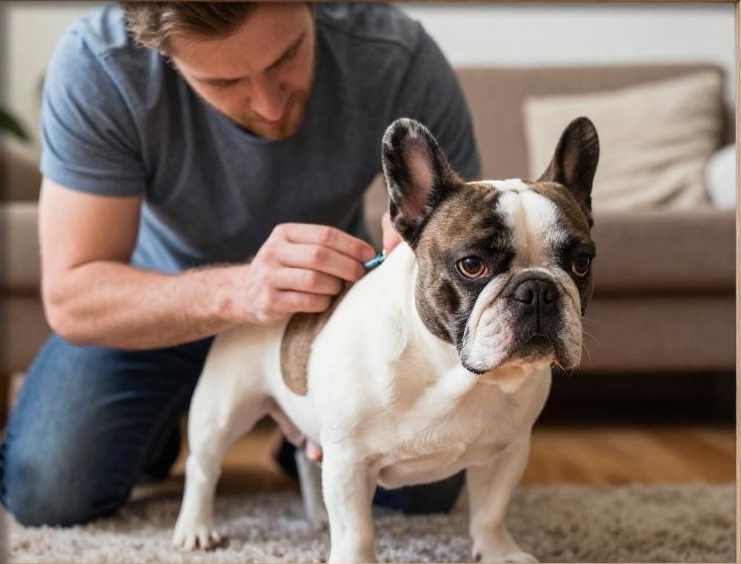
2. Basic massage: Let your dog lie relaxed on its side. Use fingertips with very light pressure to perform slow clockwise circular massage over hind‑limb muscle groups (thighs, calves) and para‑spinal muscles alongside spine — avoid pressing directly onto spinal bones. Goal is muscle relaxation rather than deep‑tissue treatment. Stop immediately at any sign of discomfort. Spending 5‑10 minutes daily nurtures joints while strengthening human‑pet bonding.
Pitfall‑Avoidance Guide: Steer Clear of These Common Misconceptions
1. “Plump dogs look cuter”: This is the most harmful belief. Obesity is not a blessing; it brings tangible joint‑damaging pain.
2. Blind calcium supplementation: Joint disorders do not equal calcium deficiency! Excess calcium disturbs internal balance. Quality commercial kibble already contains sufficient calcium for healthy dogs. Calcium supplements must follow strict veterinary guidance.
3. Treat or care only when pain appears: Joint care is long‑haul work requiring daily persistence. Intervention after limping develops often misses optimal treatment windows.
4. Human pain‑killer usage: Ibuprofen, paracetamol and other common human analgesics are highly toxic for dogs, capable of inducing gastric haemorrhage, kidney failure or death. Strictly forbidden.
5. Neglect annual check‑ups: At least one comprehensive veterinary examination per year including palpation and potential X‑ray screening enables early detection of hidden joint problems.
Summary
Protecting French bulldog hips and spines represents lifelong loving guardianship. Owners must translate scientific knowledge into consistent daily care: controlled food intake, appropriate exercise, targeted nutrition, safe living surroundings and regular home maintenance. No miracle drug delivers instant results; only sustained commitment works. Every effort pays off watching them run freely, play happily and enjoy comfortable senior years.
Important Reminder
All protocols in this article serve daily maintenance and prevention purposes. If your French bulldog shows any of the following conditions:
‑ Persistent limping or inability to bear weight;
‑ Sudden yelping and touch‑aversion (possible acute intervertebral‑disc episode);
‑ Hind‑limb weakness, paralysis or urinary‑faecal incontinence;
‑ Loss of appetite and lethargy caused by pain.
Stop home‑based management immediately and take your dog to a formal animal hospital without delay. Professional veterinarians will establish diagnosis via clinical assessment and imaging (X‑ray, CT) and deliver comprehensive treatment including medication, physiotherapy or surgery. Early professional intervention is critical to avoid irreversible damage. May every French bulldog walk steadily step‑by‑step under science‑backed loving care.