Hello everyone. Having worked in veterinary clinics for over a decade, I’ve treated hundreds of adorable French Bulldogs. Every time I look into their big, round, expressive eyes, my heart melts. Yet I also carry a strong sense of responsibility — I know these charming eyes come with significant hidden health risks. Most French Bulldog owners only rush to the clinic once their pup develops frequent blinking, red eyes, heavy tear stains or thick discharge. Today I’ll break down how consistent daily eye care builds a solid defense barrier for your French Bulldog, with a key focus on preventing painful dry eye and dangerous eye proptosis.
Why Are French Bulldog Eyes So Fragile?
To resolve eye issues, we first must understand their origin. Most ocular troubles in French Bulldogs stem from their innate skull and facial anatomy.
1. Unique Brachycephalic Skull Structure: French Bulldogs are classified as brachycephalic (short-muzzled) dogs. Their cute flat faces correspond to shallow eye sockets that offer minimal coverage and protection for the eyeballs. The eyes are far more exposed to external irritants and prone to displacement — known as proptosis or luxation — during energetic play, excitement or minor collisions. One of the most distressing cases I treated involved a French Bulldog that jumped off a sofa, struck the edge of a coffee table, and instantly suffered complete eye proptosis requiring emergency surgical repositioning.
2. Eyelid Structural Defects: Many French Bulldogs suffer from entropion (inward-rolling eyelids where eyelashes scrape the cornea) or ectropion (outward-sagging eyelids that cannot fully close, leading to corneal dryness). This is equivalent to having eyelashes constantly scratching human eyes or being unable to shut eyes while sleeping. Long-term exposure damages the cornea, triggering inflammation, corneal ulcers and drastically raising dry eye risk.
3. Abnormal Tear Production: Dry eye, medically named keratoconjunctivitis sicca (KCS), is a hereditary breed condition. The immune system mistakenly attacks the tear glands, resulting in severely insufficient tear secretion. Without adequate tears to lubricate, cleanse and nourish the cornea, eyes become dry, sore and highly infection-prone. I’ve diagnosed countless French Bulldogs whose owners dismissed symptoms as simple “heatiness” or excess eye gunk, only for tear test strips to reveal dangerously low tear production levels.
4. Large Exposed Corneal Surface: Their big protruding eyes boost their cute appearance yet expose a massive corneal surface to airborne irritants, dust, fur and bacteria, multiplying the odds of injury and infection.
Protect Clear Vision: 5 Practical Daily Eye Care Solutions
Now that we’ve covered the root causes, we can implement targeted care. All the following techniques come from my clinical experience and personal experience raising French Bulldogs — consistency is the key to success.
Solution 1: Build a Daily Eye Inspection & Gentle Cleaning Ritual
This is the most fundamental, non-negotiable step; treat it like daily tooth brushing.
My Professional Case Experience: I once treated a French Bulldog named Potato whose busy owner only wiped his eyes roughly once a week on weekends. Over time, Potato developed persistent redness at the eye corners with pus-like discharge, diagnosed as chronic conjunctivitis combined with early-stage dry eye. Treatment was lengthy and prone to recurring flare-ups. Since then, I strongly urge all French Bulldog owners to perform daily eye checks.

Step-by-Step Operation Guide:
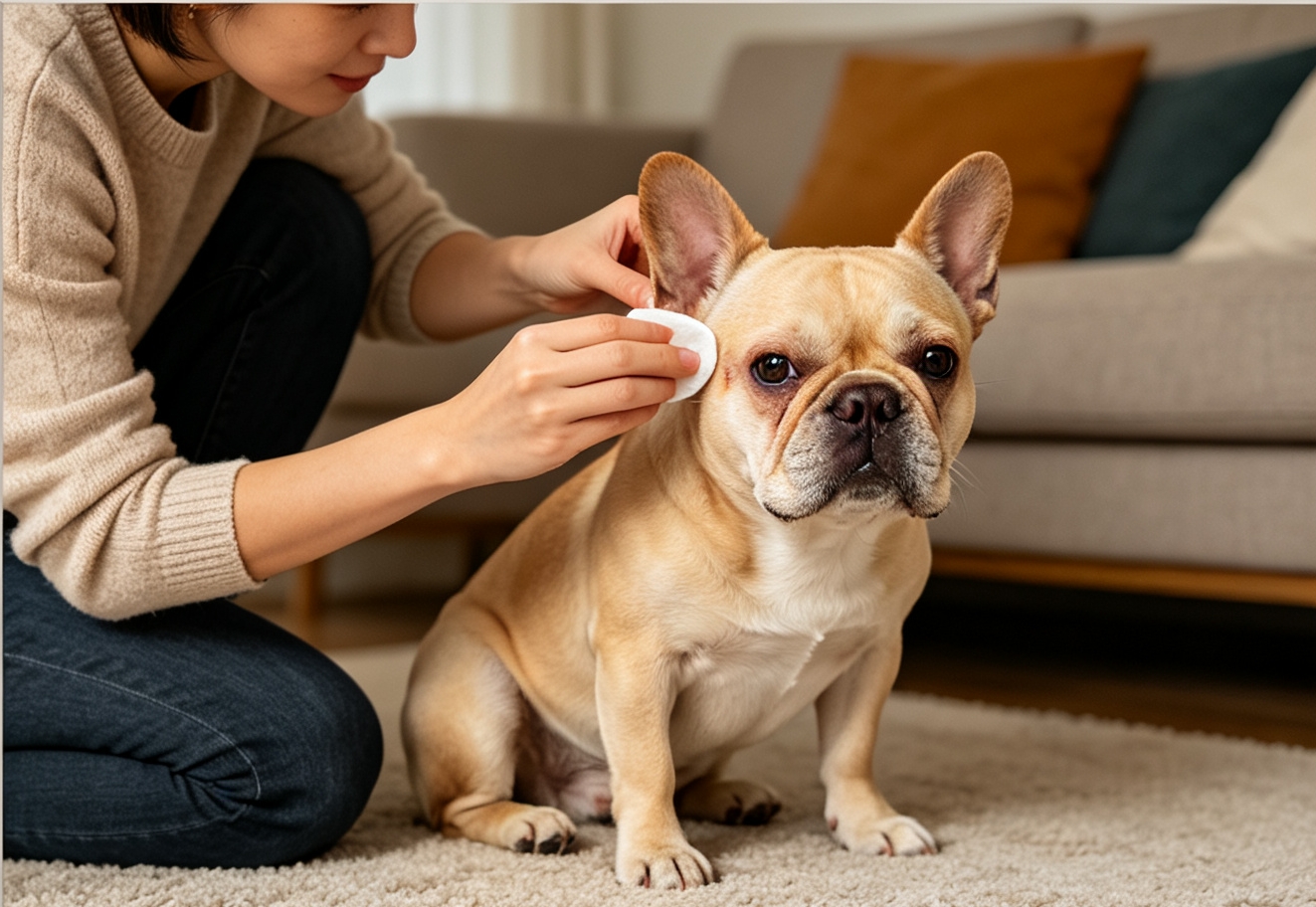
1. Visual Inspection: Pick a fixed daily time (such as after dinner) with bright lighting. Gently lift your dog’s face and examine both eyes. Check if eyeballs are clear and bright without excessive red bloodshot vessels; verify the cornea (black iris area) is smooth and free of white cloudy lesions; confirm the sclera (whites of the eyes) has a healthy normal tone; check eyelids for swelling or inward rolling.
2. Gentle Cleansing: Use alcohol-free mild veterinary eye wipes made specifically for pets, or soak cotton balls/soft gauze in sterile saline solution (available at pharmacies). Critical Technique: Wipe in one single direction only, from the inner eye corner (near the nose) outward to the outer lash line to clear discharge and tear stains. Never rub back and forth, as this pushes debris deeper into the eye. Use a separate cotton pad for each eye to prevent cross-contamination.
3. Corneal Lubrication: For French Bulldogs predisposed to dry eye or living in arid environments, apply preservative-free veterinary artificial tears after cleaning per your vet’s instructions to form an extra protective layer over the cornea.
Solution 2: Optimize Living Environment & Create a Safe Space
French Bulldog eyes are vulnerable to impact, wind, dry air and dirt. We need to remodel their living space to minimize hazards.
My Professional Case Experience: One client’s French Bulldog loved sticking its head out car windows, until a flying insect struck its eye and caused a painful corneal ulcer. Another client living in a cold northern region struggled with severe ocular dryness from constant indoor heating. These environmental triggers are often overlooked by owners.
Step-by-Step Operation Guide:
1. Furniture Edge Protection: Install soft bumper guards on sharp hard surfaces including coffee tables, cabinet edges and desk corners. Excited French Bulldogs frequently sprint and fail to stop in time.
2. Avoid High-Risk Activities: Limit rough chasing games that carry collision risks. Supervise all play with other dogs to prevent accidental claw scratches to the eyes.
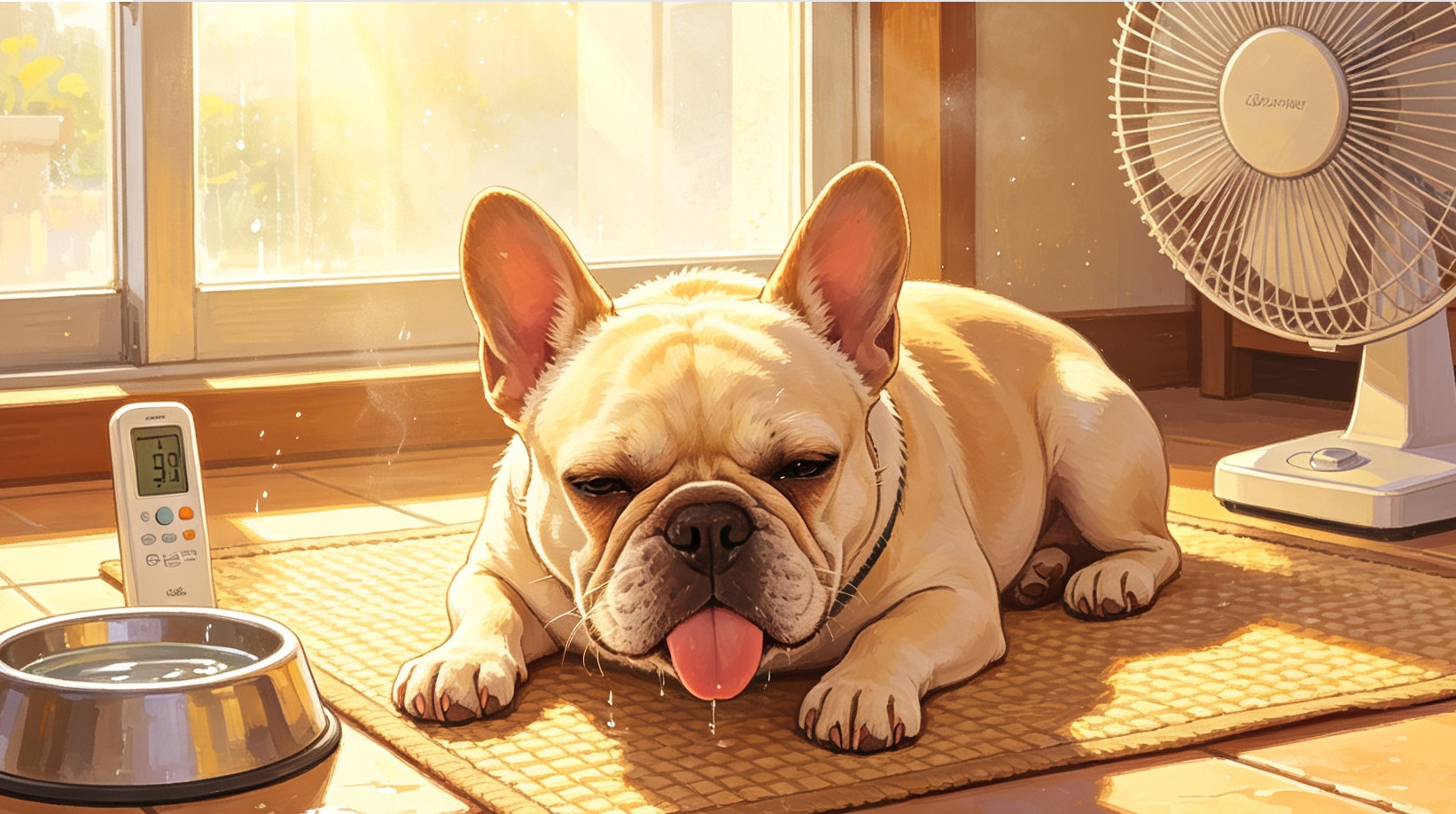
3. Humidity Regulation: Run a humidifier in air-conditioned rooms or heated winter homes to maintain relative humidity between 50%–60%, effectively alleviating eye dryness.
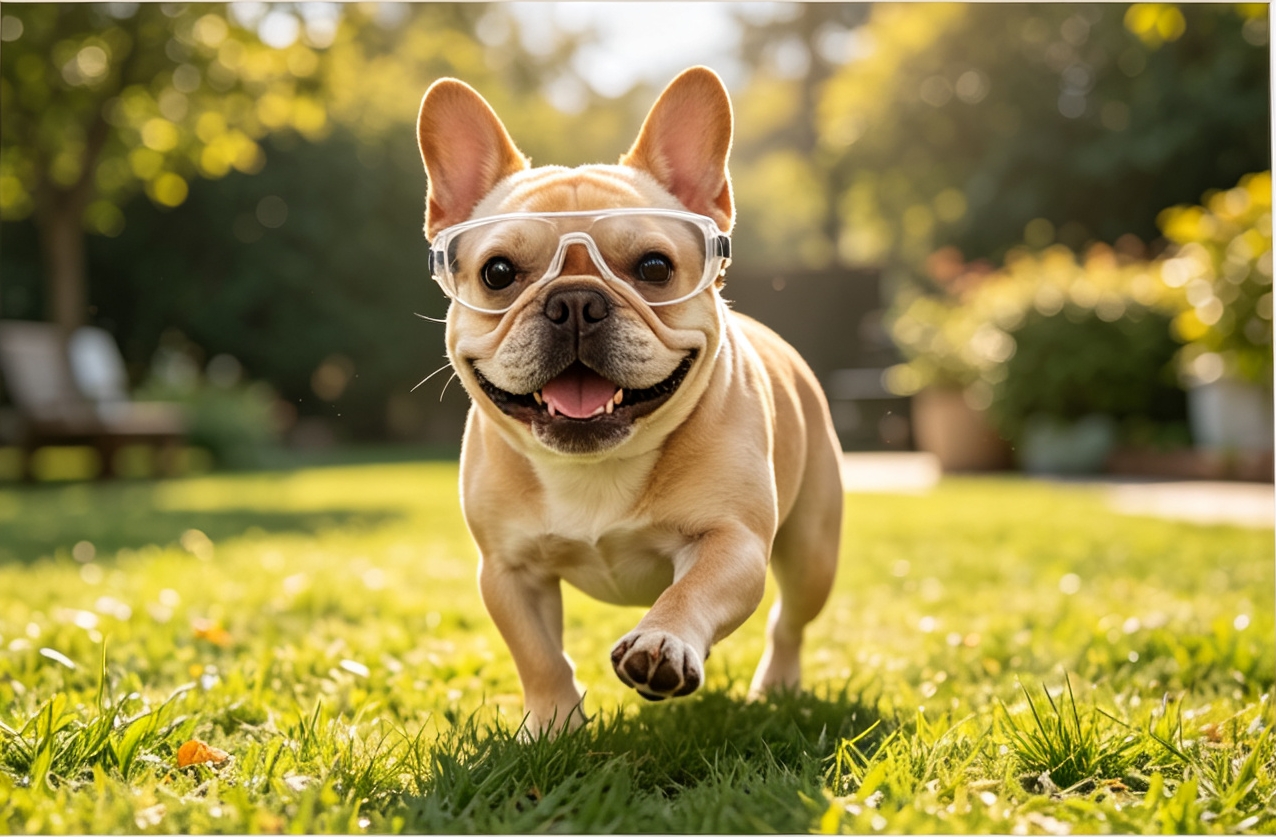
4. Outdoor Eye Protection: Fit your dog with professional veterinary goggles during windy, pollen-heavy seasons or trips through tall grass. Keep car windows fully closed during drives to block flying debris and wind.
Solution 3: Nutritional Diet & Internal Ocular Support
Long-term eye health relies on full-body nutritional support. Specific nutrients play a vital role in maintaining healthy tear film and repairing damaged corneas.
My Professional Care Experience: I add targeted Omega-3 supplements to my own French Bulldog’s daily meals. After consistent supplementation, I noticed thinner, less sticky eye discharge and noticeably more hydrated eyes. Supplements are not a replacement for veterinary treatment, only beneficial auxiliary support.
Step-by-Step Operation Guide:
1. High-Quality Complete Kibble: Select well-formulated, reputable commercial dog food to guarantee balanced foundational nutrition.
2. Key Nutrient Supplementation:
- Omega-3 Fatty Acids: Powerful anti-inflammatory nutrients that improve tear film quality. Sources include cooked deboned deep-sea fish (such as salmon) and vet-recommended pet-grade fish oil (always confirm safe dosage with your veterinarian).
- Antioxidants: Vitamin A, Vitamin C, Vitamin E, Lutein and Zeaxanthin shield eye cells from oxidative damage. Safe natural food sources include blueberries, carrots and pumpkin (cooked thoroughly and fed in moderation).
3. Ample Fresh Water: Ensure constant access to clean drinking water; full-body hydration forms the foundation of healthy tear production.
Solution 4: Recognize Early Warning Signs of Ocular Disease
Early detection and prompt intervention are the core of disease prevention. All French Bulldog owners must learn to spot subtle abnormal symptoms.
Early Dry Eye Warning Signs:
- Frequent blinking, squinting and scratching at eyes with paws.
- Dull, foggy, dry-looking corneal surface with lost natural shine.
- Thick yellow-green viscous discharge that rapidly reappears after wiping.
- Persistent red bloodshot whites of the eyes.
- Photophobia (sensitivity to bright light).
Emergency Signs of Ocular Proptosis / Severe Eye Injury:
- Eyeball visibly bulging out of the socket with no ability to retract naturally.
- Visible white cloudy lesions, ulcers or tears on the eye surface.
- Sudden full eyelid closure accompanied by extreme pain (whining, restlessness, hiding away).
- Excessive tearing or bleeding from the affected eye.
Veterinary Reminder: If you spot any of the above emergency symptoms, especially full eye proptosis, immediately cover the eye loosely with a damp sterile gauze to stop corneal desiccation, and rush to a veterinary clinic without delay — this is a time-critical ocular emergency. For early dry eye indicators, schedule a vet exam as soon as possible for formal diagnosis via tear production Schirmer strip testing.
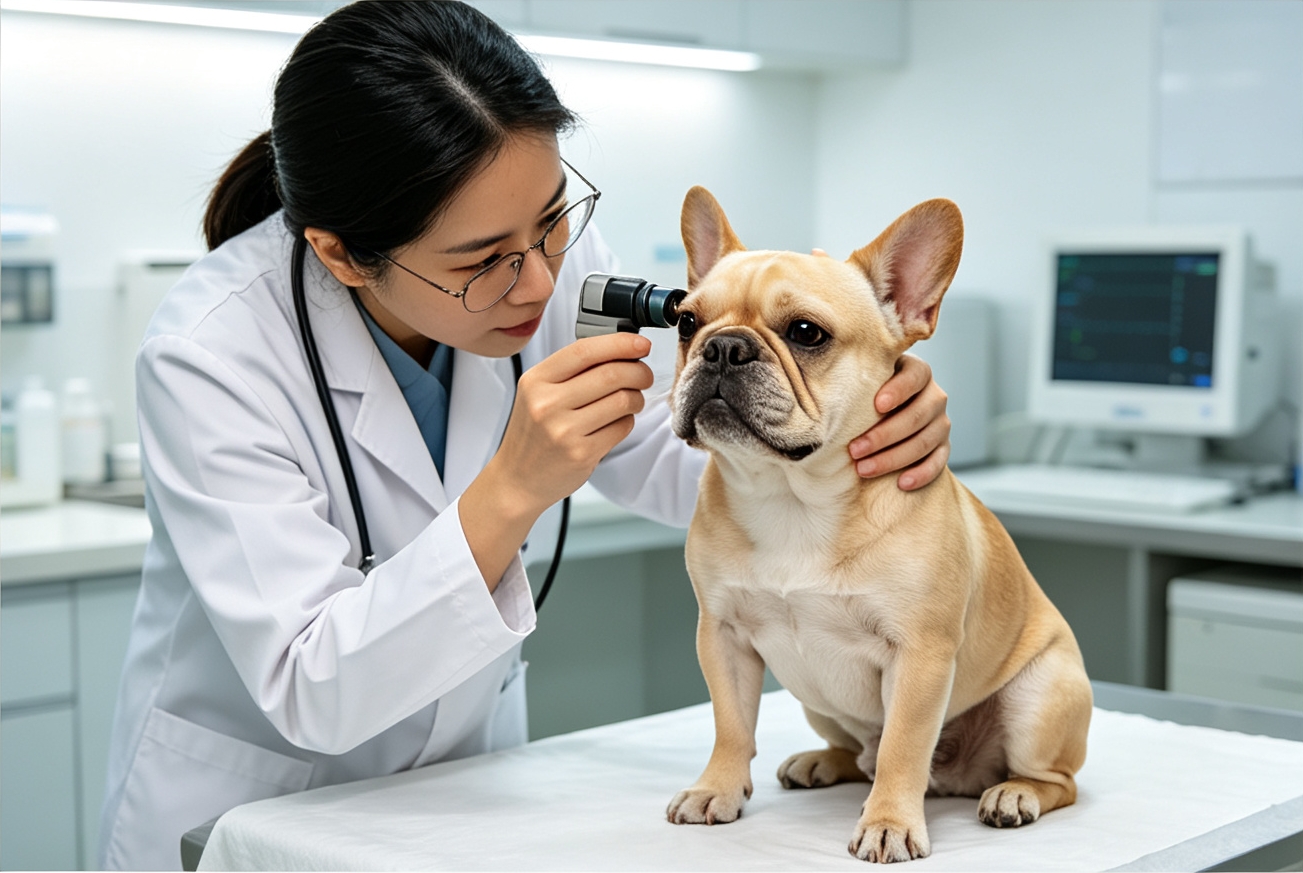
Solution 5: Scheduled Professional Ophthalmic Exams & Health Records
Do not wait until sickness strikes to consult a vet. Preventative veterinary care centers around routine checkups.
Step-by-Step Operation Guide:
1. Mandatory Annual Ophthalmic Screening: Request a full professional eye exam during yearly general wellness checkups, including Schirmer tear test, fluorescein stain screening (to detect corneal abrasions) and fundus retinal evaluation.
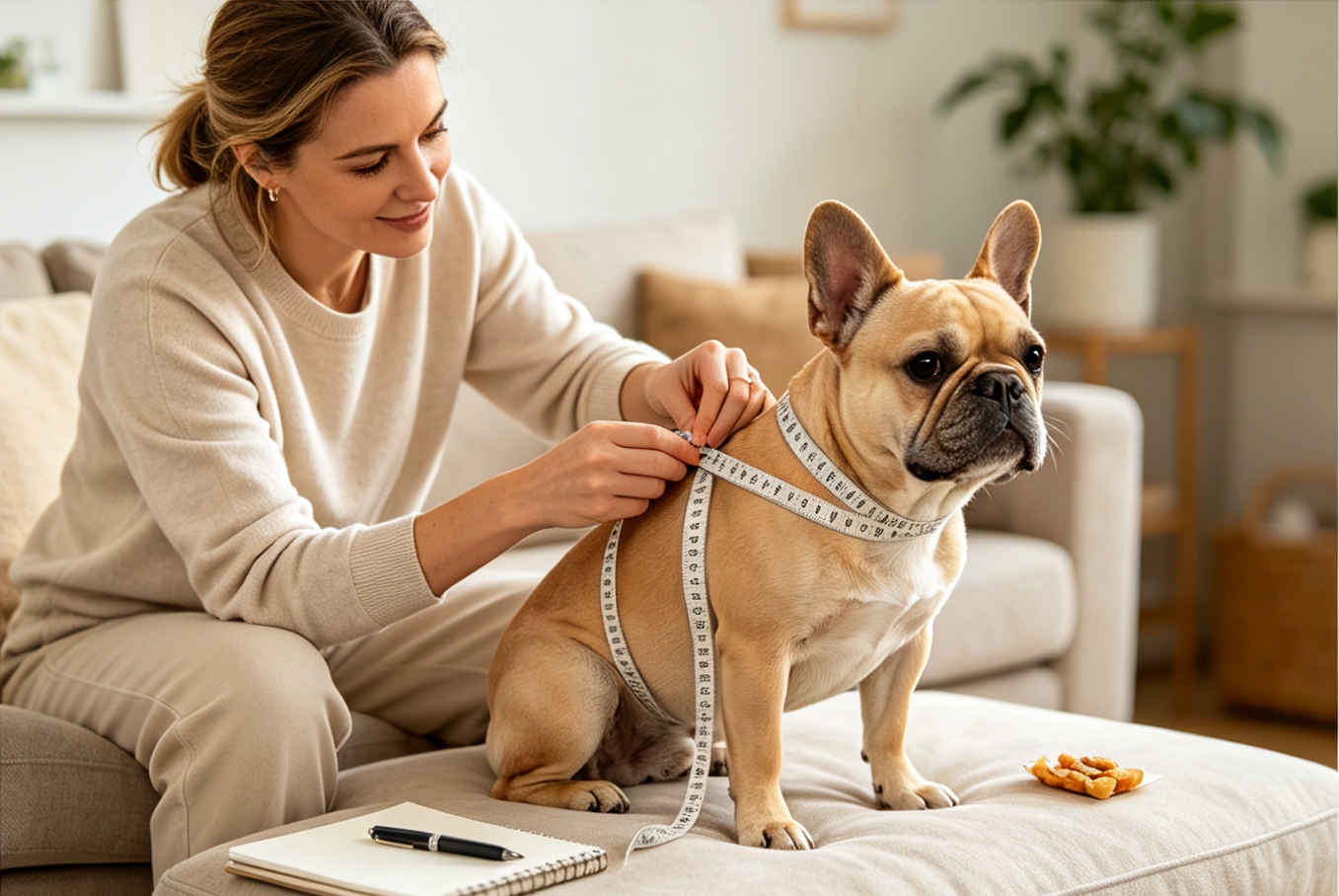
2. Build Ongoing Communication With Your Vet: Document every minor change to your dog’s eye appearance or behavior, and share detailed notes during follow-up appointments to help your veterinarian deliver accurate diagnoses.
Mistake Avoidance Guide: Never Commit These Common Eye Care Errors
1. Using Human Eye Drops: Strictly forbidden! Most over-the-counter human eye drops contain vasoconstrictors or corticosteroids that can inflict permanent severe damage to canine eyes. All ophthalmic medication must be prescribed by a licensed veterinarian.
2. Flushing Eyes With Tap Water or Herbal Tea: Tap water carries bacteria and contaminants that trigger secondary infection; herbal tea contains complex unregulated compounds that offer zero therapeutic benefits and may irritate sensitive ocular tissue. Only use sterile saline or vet-formulated pet eye cleansing products.
3. Ignoring the Root Cause of Tear Stains: Tear stains are more than a cosmetic flaw — they typically signal chronic irritation, blocked tear ducts or underlying eye infection. Commercial tear stain removers only mask surface discoloration without resolving the core issue; always identify the source of excess tearing first.
4. Dismissing Excessive Eye Discharge as “Heatiness”: This is one of the most dangerous misconceptions. Persistent abnormal eye discharge is a clear distress signal from the eye tissue requiring professional diagnosis, not simple home cooling remedies.
Summary
Caring for a French Bulldog is like safeguarding a delicate work of art; their unique appearance brings unique specialized care demands, and eye maintenance cannot be taken lightly. By sticking to daily gentle eye cleaning, designing a hazard-free living space, providing nutritionally balanced meals, learning to spot early disease red flags, and scheduling consistent professional veterinary eye screenings, you can drastically lower the risk of severe conditions including dry eye and ocular proptosis. Remember, your consistent attentive care acts as the most reliable protective shield for their bright, expressive eyes.
Friendly Medical Disclaimer
The daily care and preventative guidance shared in this article apply only to routine wellness maintenance for healthy French Bulldogs and preliminary observation of mild minor eye irritation. Veterinary treatment varies individually by dog, and this content cannot replace formal diagnosis or medical advice from a licensed veterinarian. If your pet displays any emergency symptoms listed above, or ocular discomfort persists for more than 24 hours with no improvement, immediately visit a licensed general animal hospital or specialized veterinary ophthalmology clinic for a full diagnostic exam and customized treatment plan. Ocular injuries and diseases cannot afford delayed medical attention.