Dear French bulldog owners, hello everyone. Over more than ten years caring for these lovely, stubborn little “piggies”, I have seen a wide range of health and behavioural problems. One issue is especially frustrating and confusing for owners: why does my dog keep chewing strange items? Wall plaster, dirt, stones, grass and even their own faeces… Today we dive into pica in French bulldogs and share practical, field‑tested protocols for trace‑mineral supplementation and behaviour management.
Troublesome Odd Habits: An Overview of Pica Behaviour
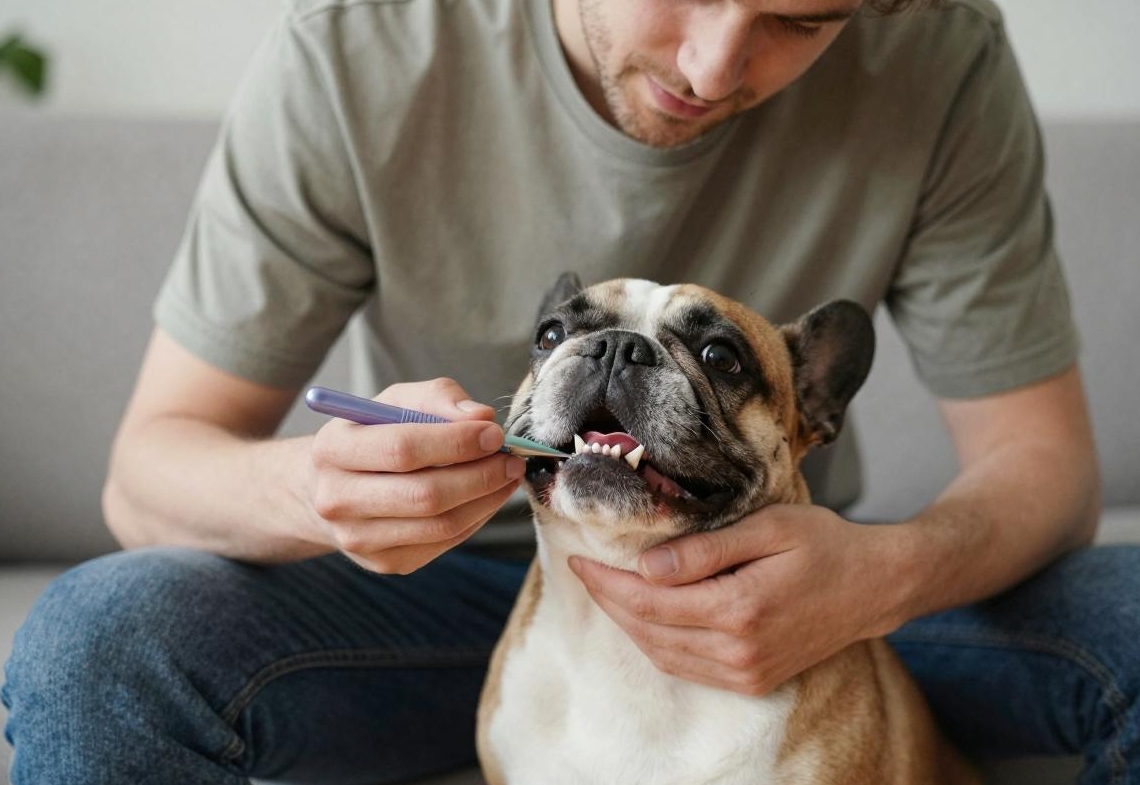
Imagine your carefully tended garden suddenly full of dog‑dug holes; corners of interior walls gnawed patchy and bare. Even more embarrassing, your dog fixates on certain “special objects” during walks… Beyond property damage and hygiene concerns, serious health risks lurk: intestinal blockage, poisoning, parasite infection, dental damage and more. Many owners initially assume this is mischief or boredom. When repeated scolding fails, they realise this may be a pathological condition known as pica.
Root‑Cause Analysis: The Nutritional Warning Behind Pica
Pica has multi‑factorial triggers: behavioural causes (anxiety, boredom, attention‑seeking), medical conditions (pancreatitis, diabetes) and nutritional gaps. From my clinical experience with French bulldogs, nutritional factors, especially trace‑mineral deficiencies, account for a large proportion of pica cases within this breed.
Why are French bulldogs particularly susceptible? Their breed traits matter: French bulldogs often have sensitive gastrointestinal tracts with lower nutrient‑absorption efficiency compared with other breeds. They are also active with fast metabolisms and high nutritional demands. When daily meals lack complete, balanced minerals and trace elements, the body sends biological signals driving instinctive searching for these substances in the surrounding environment (soil and rock contain trace minerals). Common deficiencies linked to pica include:
- Zinc: Deficiency causes abnormal skin keratinisation and dry fur. Dogs may lick wall surfaces (some paints contain zinc compounds) in an instinctive attempt to compensate.
- Iron: Anaemic dogs may eat faeces or dirt because small amounts of iron can be present in these materials.
- B‑complex vitamins: Thiamine (B1) participates in energy metabolism; deficiency can trigger bizarre appetite patterns.
- Other minerals: Copper, manganese, cobalt and others are required in tiny quantities yet are critical for enzyme function and overall bodily performance.
Accordingly, when you observe persistent chewing and swallowing of non‑food items in your French bulldog, after ruling out pure behavioural problems and major organic disease, thorough evaluation of nutritional intake is essential.
Field‑Tested Solutions: From Confusion to Resolution
Let me share a memorable clinical case. A two‑year‑old French bulldog named Niu Niu persistently gnawed lime‑based wall corners at home, repeatedly causing gastrointestinal upset. After parasites and common internal illnesses were excluded, I reviewed his diet: the owner long‑fed an inexpensive single‑brand kibble with almost no additional supplements. Given clinical signs, I strongly suspected trace‑mineral deficiency. Below is the comprehensive plan I created for Niu Niu, which achieved successful results and applies to most comparable French bulldog cases:
Plan 1: Full Nutritional Assessment and Diet Upgrade
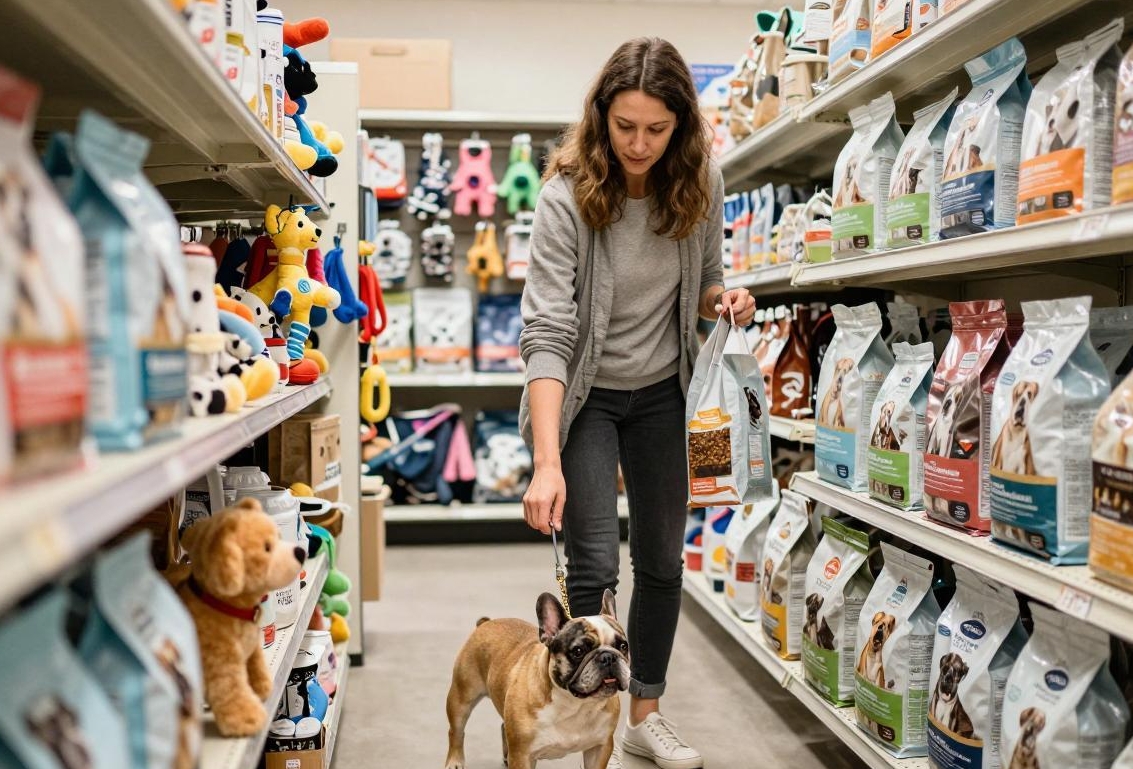
First, I recommended switching Niu Niu to a well‑regarded adult medium‑breed dog food with a complete formula. Prioritise kibble with clearly identified meat sources and labelled chelated minerals (such as protein‑bound zinc and copper), forms that deliver superior canine absorption. Do not blindly chase high‑protein formulas; balance is paramount. For French bulldogs with sensitive digestion, apply the seven‑day food‑transition method for gradual switching to avoid digestive stress.
Plan 2: Precise Pet‑Specific Trace‑Mineral Tablet Supplementation
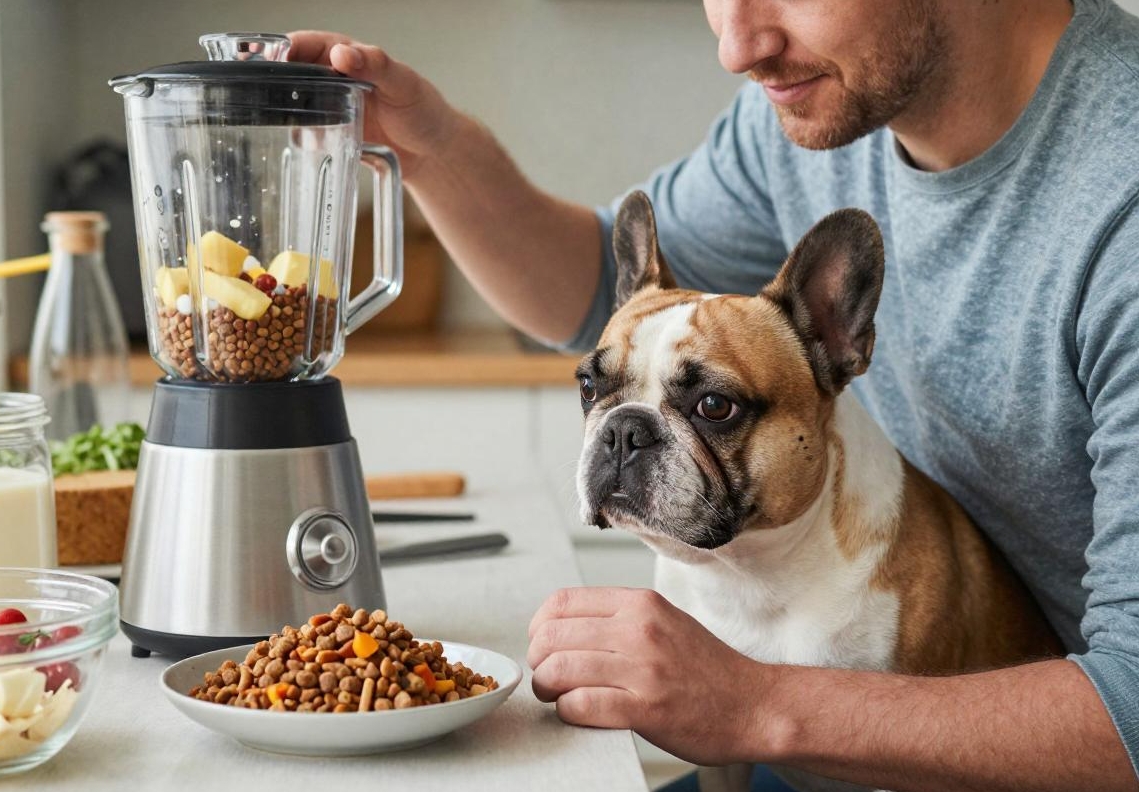
This was the key turning point. I prescribed a pet‑formulated trace‑mineral supplement containing zinc, iron, copper, manganese, iodine, selenium and other minerals. Strictly follow dosage instructions based on body weight. Err on the side of less rather than more; over‑supplementation is equally harmful. The owner crushed tablets and mixed them into wet food or plain yoghurt once daily. After 2‑3 consecutive weeks of supplementation, the owner reported a dramatic drop in wall‑gnawing behaviour and shifted focus toward other activities.
Plan 3: Enrich Environment and Apply Positive Behaviour Guidance
Nutritional support must go hand‑in‑hand with behavioural intervention. My recommendations for the owner:
1. Increase chew toys: Offer toys of varied textures (rubber, antler, heavy‑duty plush) stuffed with tasty freeze‑dried meat treats to satisfy chewing and exploratory instincts.
2. Raise daily interaction and mental stimulation: Run 15‑minute obedience training or scent‑work sessions twice per day. Scent mats and food‑hiding toys burn mental energy and reduce boredom‑driven pica.
3. Strict environmental management: During correction phases, block gnawed wall corners with barriers and fence off garden flower beds to completely remove opportunities for pica behaviour.
4. Appropriate redirection instead of punishment: When you catch your dog attempting to chew inappropriate objects, say “No” in a calm, firm tone and immediately offer a preferred toy. Praise enthusiastically when they chew the toy. Focus on redirection, not mere punishment.
Plan 4: Natural Whole‑Food Auxiliary Additions
Alongside regular kibble, I suggest small portions of nutrient‑dense whole foods rich in trace minerals:
‑ Cooked animal liver (1‑2 times weekly, one small spoon per serving): Rich in iron, copper, zinc and multiple vitamins. Never over‑feed to prevent vitamin A toxicity.
‑ Steamed pumpkin purée or diced carrots: Supply dietary fibre and select minerals to support gut health.
‑ Unsalted kelp powder: A natural source of minerals; sprinkle tiny amounts over meals.
Important: All human‑food additions count as supplementary treats and must not exceed 10 % of total daily food intake.
Plan 5: Regular Observation and Record‑Keeping
I advised the owner to maintain a simple behaviour log tracking pica frequency, situational triggers, diet changes and supplement dosing. This visualises improvement and helps rapidly diagnose relapses. For nutritionally‑driven pica, noticeable improvement typically appears within 1‑2 months of systematic intervention.
Pitfall‑Avoidance Guide: Steer Clear of These Common Mistakes
Several frequent missteps can slow or worsen pica resolution:
1. Using human‑grade trace‑mineral or vitamin supplements: Human and canine metabolic requirements and nutrient ratios differ greatly. Human formulations risk dangerous overdosing, especially iron supplements.
2. Reliance on folk remedies: Adding chilli powder or essential oils to food to stop coprophagia only treats symptoms, irritates oral and gastrointestinal tissue and may trigger new behavioural problems.
3. Ignoring underlying medical disease: If pica persists despite balanced diet and supplementation, or comes with weight loss, diarrhoea or lethargy, investigate medical causes such as hypothyroidism or exocrine pancreatic insufficiency.
4. Believing “more supplementation equals better results”: Trace minerals follow fine balance rules. Excess intake creates mineral antagonism (for example, excess zinc inhibits copper absorption), generating new health complications.
5. Lack of patience, expecting instant results: Correcting nutritional deficiencies and reshaping ingrained behaviours requires time. Allow a minimum of 4‑8 weeks of consistent intervention.
Summary: Combine Patience and Science for a Healthier Dog
Treating pica in French bulldogs is a long‑term effort requiring patience and evidence‑based methods. The core principle is “nutrition treats root causes; behaviour modification manages symptoms”. With complete balanced feeding, targeted trace‑mineral supplementation, enriched environments and positive behavioural guidance, most nutrition‑related pica behaviours can be effectively controlled and resolved. Niu Niu’s case proves this: he is now a happy French bulldog indifferent to wall corners, focused only on toys and human interaction.
Important Reminder
The strategies shared reflect behavioural‑correction experience targeting common nutritional causes. Please note that pica may also stem from complex underlying medical illnesses. If your dog displays any of the following, immediately discontinue self‑administered supplements and visit a formal veterinary clinic for thorough diagnostics:
1. Sudden‑onset, severe pica.
2. Accompanying clinical signs: vomiting, diarrhoea, bloody stools, abdominal pain, obvious weight loss or complete loss of appetite.
3. Zero improvement or worsening symptoms after more than two months of strict nutritional and supplementary protocols.
4. Ingestion of sharp, toxic or large volumes of foreign material requiring urgent emergency care.
Professional veterinarians use blood work and imaging to rule out hidden health risks and design safe, individualised treatment plans. Love your pet by giving them timely, science‑driven care.