Hello dear French Bulldog parents! Over years of clinical pet care and professional dog training work, I’ve dealt with countless canine behavioral problems, and trash diving definitely ranks among the top three most frustrating and hazardous habits for owners. Especially for intelligent, stubborn, endlessly curious breeds like French Bulldogs, once this routine takes hold, it becomes extremely hard to stay one step ahead of them. Have you ever experienced walking away for just a minute and returning to a living room completely wrecked by rummaged garbage? Do you live in constant fear that your pup will ingest something toxic or indigestible? Have you yelled, scolded and even punished them harshly, yet they repeat the behavior over and over, sometimes even worse? If this struggle sounds familiar, rest assured you are not alone—and this troublesome habit can absolutely be fixed with the right methods.
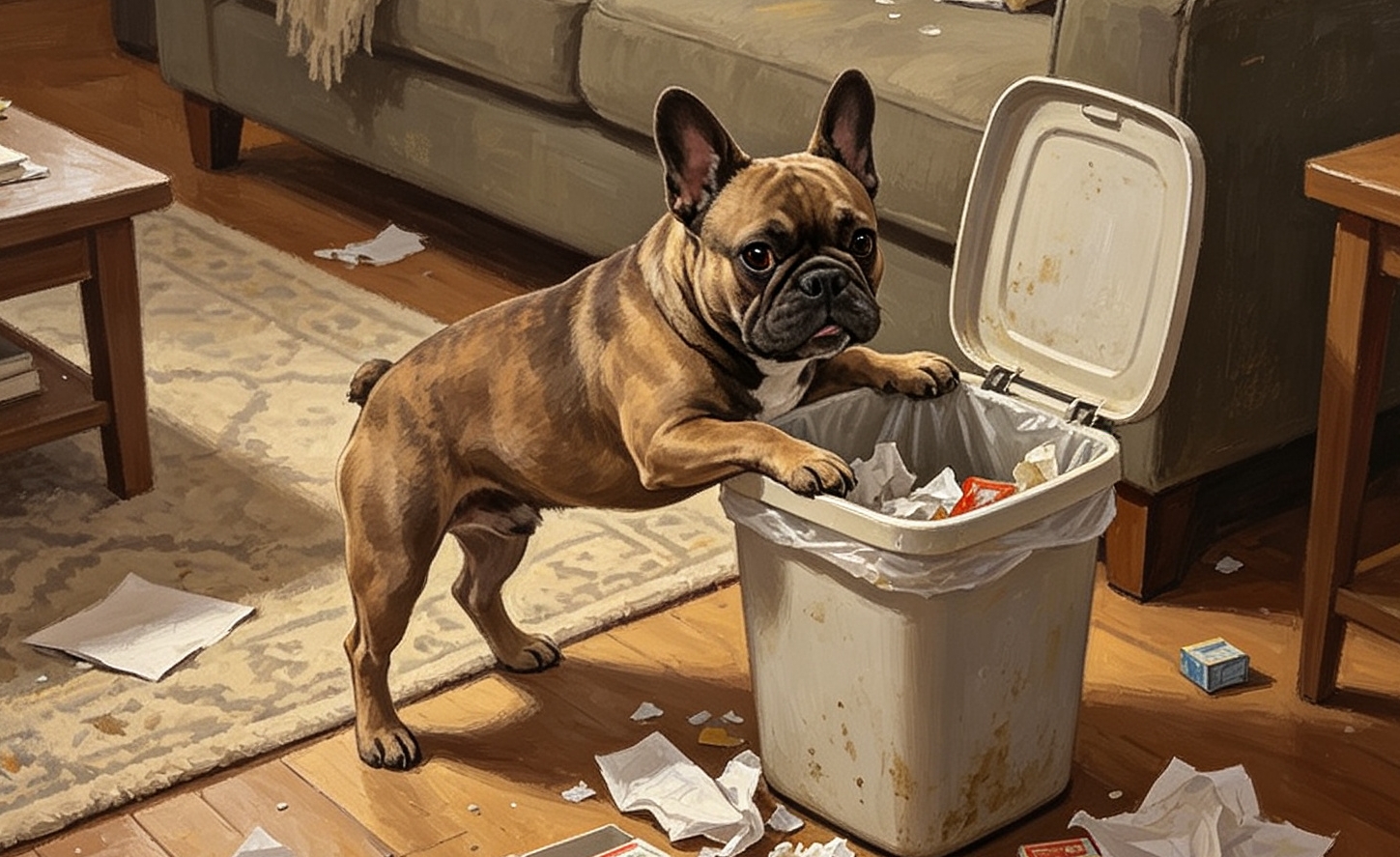
Why Are French Bulldogs Obsessed With Trash Cans?
Before starting corrective training, we first need to understand the core motives driving this behavior. Simply labeling trash diving as “naughty” or “disobedient” will never resolve the root issue. The primary reasons French Bulldogs root through garbage fall into these four key categories:
1. Powerful Foraging & Exploratory Instincts: Dogs’ wild ancestors survived by scavenging for food. The complex, layered scents inside trash cans—especially lingering food scraps—act like a treasure chest full of exciting surprises, strongly activating their innate drive to investigate and hunt for edible items.
2. Boredom & Unspent Mental/Physical Energy: While French Bulldogs do not require extreme high-intensity exercise, they still need consistent mental stimulation and human interaction. When owners spend minimal quality time with them and daily routines grow monotonous, dogs create their own entertainment. Digging through trash becomes an engaging, challenging self-amusement activity to pass the time.
3. Food Reward & Behavioral Reinforcement (Most Critical Factor): This is the single biggest trigger. If a dog successfully retrieves even a tiny scrap of meat or cookie crumb from the trash once, the action receives an immediate positive reward. From the dog’s perspective: “Digging in the trash = delicious treats!” Once this positive feedback loop forms, the habit grows more ingrained and stubborn every single time they succeed.
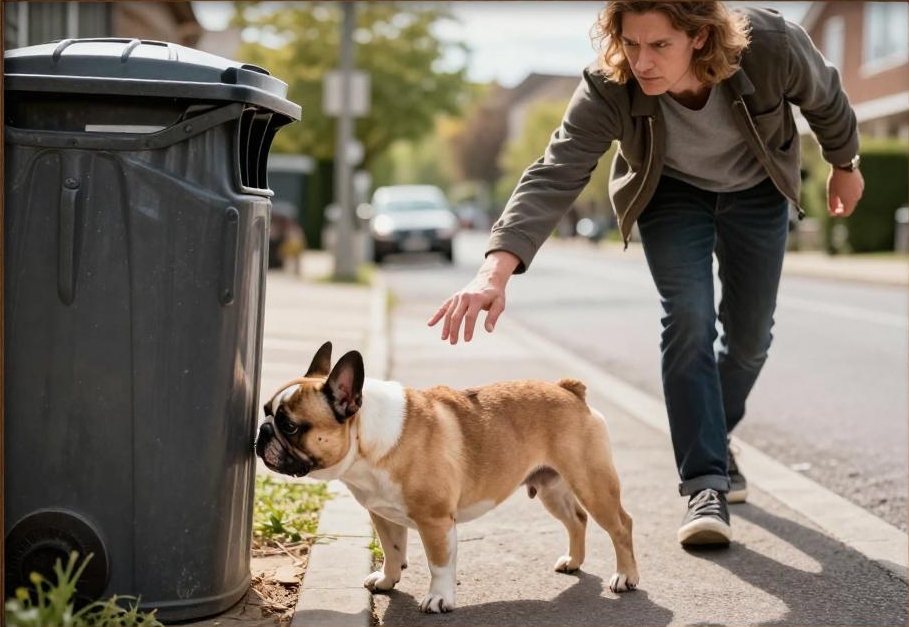
4. Attention-Seeking Behavior (Often Accidentally Reinforced): Many dogs learn that rummaging garbage instantly makes their owner shout, rush over and chase them. To the dog, this chaotic reaction reads as a fun interactive game—or at minimum, guaranteed undivided human attention. Even scolding counts as a reward for dogs craving any form of interaction with their owner.
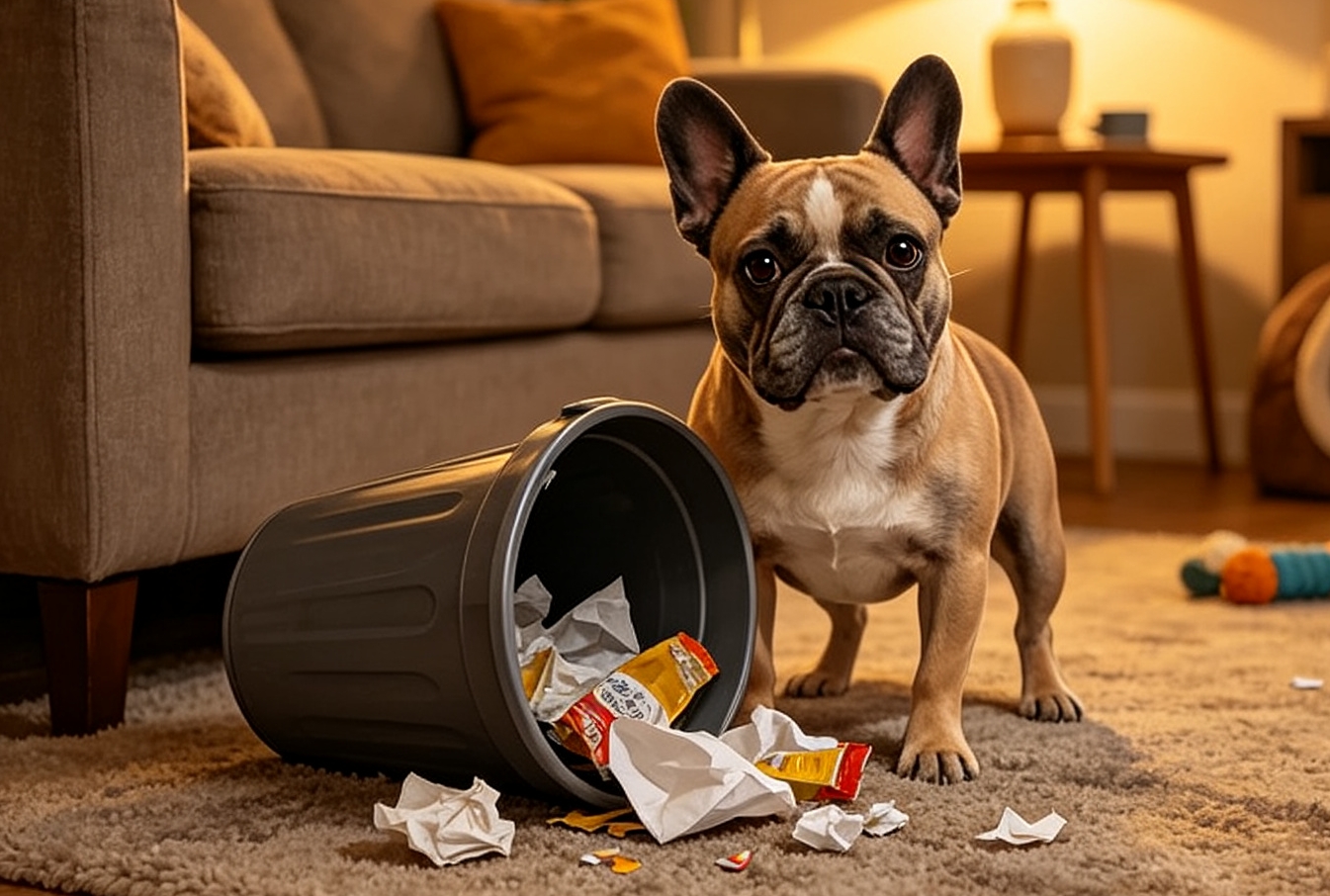
Root-Cause Solutions: Field-Tested Correction Training Strategies
Based on these core behavioral drivers, the three foundational rules for correction are clear: manage the environment to eliminate opportunities, fulfill innate needs with approved alternatives, and use positive redirection to reward desired behavior. Harsh yelling and physical punishment only trigger heightened anxiety and make dogs sneak trash diving when unsupervised, or grow more cunning to avoid being caught. Below I share layered, step-by-step solutions refined from real client training cases.
Solution 1: Environmental Management – Remove All Opportunity For Trash Diving
This is the simplest, most immediate and effective first step, designed to instantly break the reward cycle fueling garbage rummaging.
Real Training Case: I worked with a family whose French Bulldog Doubao was utterly obsessed with their kitchen pedal trash bin. Scolding and reprimands produced zero improvement. My first clear instruction: replace or modify the trash container setup entirely. They swapped the easy pedal bin for a lidded model requiring manual pressure to open, and I advised storing all garbage inside closed cabinetry or behind shut bathroom doors whenever possible, completely out of Doubao’s reach.
Step-by-Step Implementation:
- Upgrade Containers: Purchase fully lidded trash cans, preferably lockable lid designs. Motion-sensor automatic bins are also widely available and nearly impossible for dogs to operate independently.
- Relocate Trash: Place bins on elevated countertops, or secure them behind closed cabinet doors and room entryways.
- Install Pet Barriers: Use baby safety gates to block off kitchens or garbage zones when you leave the house and cannot supervise your dog.
This strategy delivers instant results. Once Doubao lost easy access to the trash can, his rummaging frequency dropped drastically overnight, laying a solid foundation for follow-up behavioral training.
Solution 2: Meet Instinctual Needs & Alternative Behavior Training – Create Approved Treasure-Hunting Activities
While securing the household environment, we must actively satisfy the dog’s natural scavenging and exploratory drives by guiding them toward acceptable, healthy outlets.
Real Training Case: To channel Doubao’s high energy and powerful scent-tracking urge, I introduced snuffle mats and treat-dispensing puzzle toys. I instructed his owner to hide portions of Doubao’s daily kibble within the mat’s fabric folds or stuff frozen food mixtures into Kong toys for 15–20 minutes daily. This transfers all the excitement of trash “treasure hunting” to safe, designated enrichment toys.
Step-by-Step Implementation:
- Boost Mental Stimulation: Schedule 1–2 daily scent work or puzzle toy sessions. Mental exhaustion from foraging games calms dogs far more effectively than simple outdoor walks alone.
- Build New Positive Associations: Offer calm verbal praise whenever your dog focuses quietly on their snuffle mat or treat toy. Help them learn: “Calmly playing with this toy = tasty snacks + happy owner.”
- Interactive Scent Games: Hide small high-value treats around your home manually and give the cue “Find it!” to encourage natural scent tracking. This reinforces obedience while fully satisfying their innate foraging instinct.
Doubao’s owner reported a dramatic drop in his interest in garbage after introducing these approved scavenging activities—he now had a consistent, encouraged outlet to burn off excess mental energy.
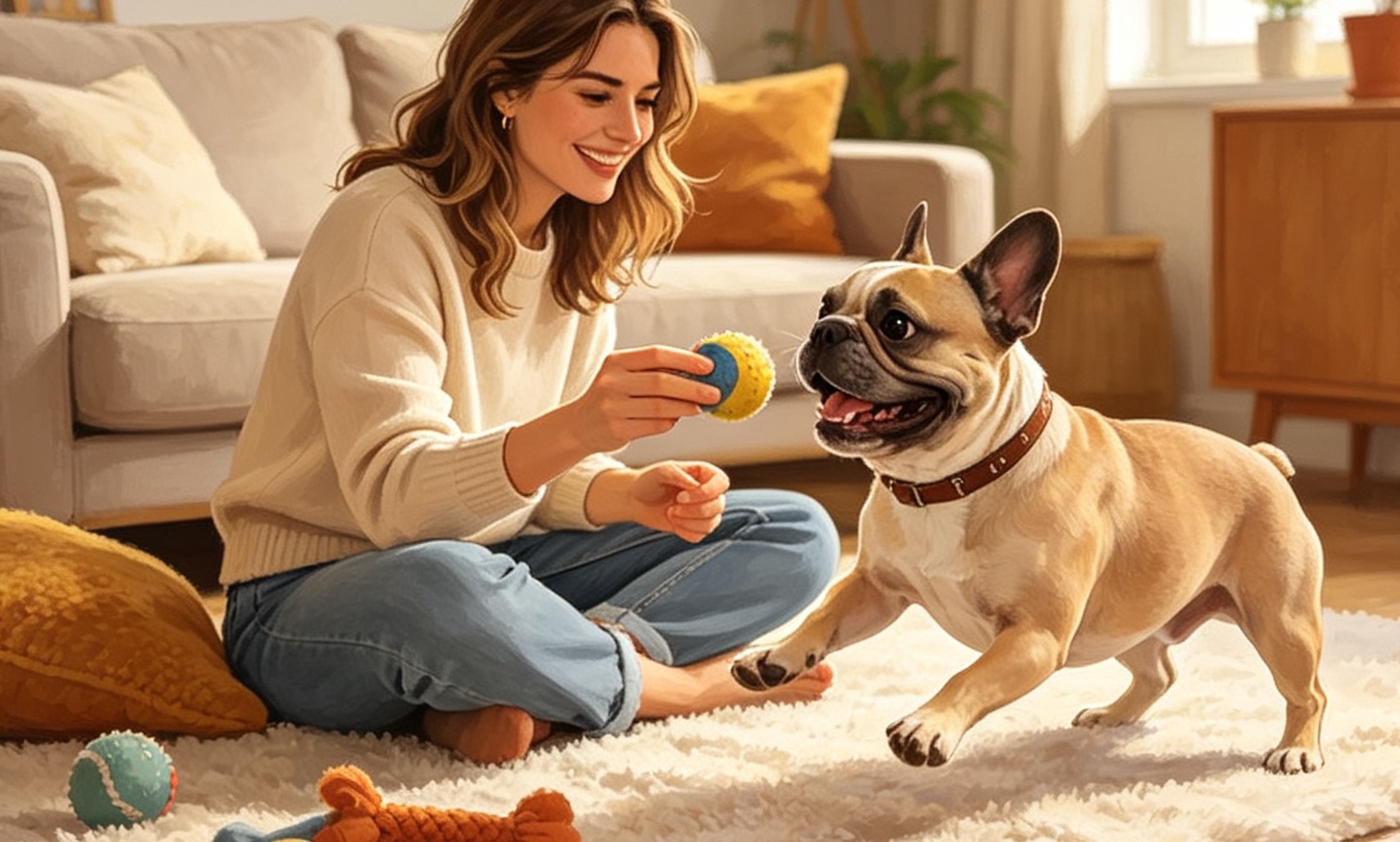
Solution 3: Active Behavioral Correction Training – Master The “Leave It” & “Look At Me” Cues
This is the advanced training phase, teaching your dog to voluntarily walk away from trash cans even when access is available, and turn toward you for guidance instead.
Training Setup Guidance: After fully securing the home environment for safety (using empty dummy trash cans as training props), I designed a controlled practice scenario. We used a clean trash can lined with empty snack packaging (fragrant but containing no edible food) as our training tool.
Step-by-Step Training Routine:
1. Attach Leash: Clip a lightweight leash to your dog’s harness and hold it loosely in your relaxed hand.
2. Controlled Exposure Setup: Place the dummy trash can at a distance, then slowly walk your dog toward it. The second your dog notices the bin and shows curiosity (sniffing, leaning forward to approach), gently but immediately guide them backward with the leash while speaking the clear, calm verbal cue “Leave it.”
3. Instant Positive Reward: The split second your dog shifts their gaze away from the trash can—even just a quick glance toward you—immediately praise them excitedly with “Good boy/girl!” and deliver an ultra-high-value reward (small cooked chicken chunk or cheese cube). This treat must be far more desirable than anything they could potentially find inside garbage.
4. Add The “Look At Me” Cue: After your dog successfully complies with “Leave it,” follow up with the cue “Look at me.” Reward them again the moment they make direct eye contact with you. This builds a clear mental chain: Trash can appears → I choose to ignore it → I check in with my owner → I earn amazing rewards.
5. Gradual Difficulty Progression: Start training from a far distance with low temptation, then slowly close the gap and increase the bin’s appeal (adding empty low-value food packaging). Repeat consistent daily practice to solidify the habit.
This training demands extreme patience. Doubao remained fixated on the trash can during early sessions, yet with steady, identical routines every day, he gradually learned to glance upward at his owner first whenever approaching a garbage bin, anticipating a better reward than trash scraps.
Mistake Avoidance Guide: Never Make These Common Training Errors!
Many well-intentioned owner habits stall training progress and even worsen trash-diving behavior entirely.
1. Post-Hoc Punishment: If you return home to a garbage mess and yell at or physically discipline your dog afterward, this method is completely ineffective. Dogs cannot connect your anger to an action they committed hours earlier; they only learn “Owner coming home = fear and stress,” eroding trust and worsening anxiety.
2. Accidental Chase Game Reinforcement: Do not scream and sprint after your dog when they grab trash and run off. Your panicked pursuit reads as a fun chase game to them, inadvertently rewarding the habit of stealing garbage and fleeing. The correct response is staying calm, then luring them over with a favorite toy or treat to exchange for the trash item.
3. Delayed Reward Timing: Rewards must be delivered within 1–2 seconds of your dog performing the correct behavior during training. Slow, belated praise confuses dogs, leaving them unsure which action earned the treat.
4. Neglect Ongoing Environmental Management: Never rely solely on training to permanently fix the issue. Until your dog’s new obedient habits fully solidify (often taking weeks or even months), consistent household containment is mandatory to eliminate any chance of successful trash scavenging.
Summary
Correcting French Bulldog trash-diving habits is a long-term commitment requiring patience, empathy and consistent routines. This challenge tests the owner’s dedication and problem-solving skills far more than the dog’s willingness to learn. Remember: there are no untrainable dogs—only mismatched training methods. Follow this three-step framework: cut off opportunities with environmental management, satisfy innate instincts through approved enrichment alternatives, and build new obedient habits with gentle positive reinforcement. The vast majority of French Bulldogs’ trash fixation can be drastically reduced or fully eliminated with this system. Our role is to act as our dog’s supportive guide and partner, not just a disciplinarian.
Important Safety Reminder
I must deliver a serious warning to all French Bulldog owners: if your dog not only rummages trash but also displays ingestion of foreign objects (plastic, packaging, bones etc.), licking chemical cleaning agents, or paired compulsive behaviors including anxiety, excessive repetitive licking, and pica (eating dirt, wall plaster), schedule an immediate veterinary visit. These symptoms may signal nutritional deficiencies, gastrointestinal disease or severe chronic psychological anxiety requiring professional veterinary diagnosis and treatment. Combining behavioral correction with full physical health screening is the most responsible way to care for your French Bulldog.
I hope these hands-on training insights help you and your French Bulldog companion eliminate garbage-related stress for good, enjoying a cleaner, safer, closer human-canine bond together!