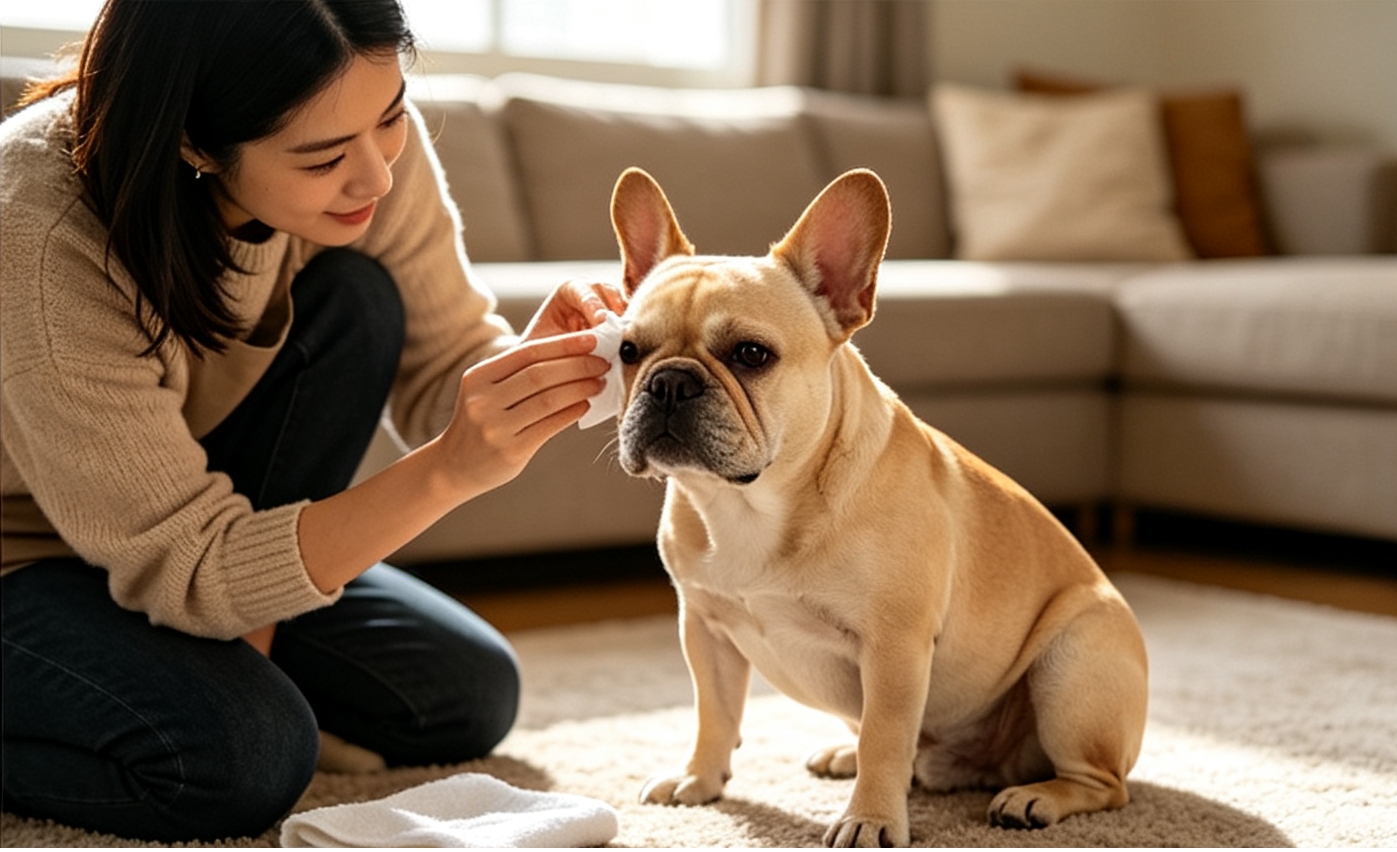
Hello dear French Bulldog owners. Over the decade caring for these lovely yet stubborn little companions, I have dealt with countless heart-stopping emergencies. Among them, summer heatstroke and choking during meals are the two most frequent and dangerous household accidents for Frenchies. I still vividly recall a summer evening when an owner rushed into the clinic holding her nearly unconscious French Bulldog. The dog’s body was burning hot, its tongue turned bluish-purple, and its breathing was faint—all from just half an hour of sun exposure on the balcony. On another occasion, a greedy Frenchie got a small piece of apple stuck in its airway. Panicked, the owner tried to dig it out with fingers, only worsening the blockage. These scenes still give me chills. Today I will systematically share the experience and lessons I have accumulated over the years, hoping to help you win precious survival time for your furry friend during emergencies.
Why Are French Bulldogs a High-Risk Group?
Before learning specific operations, we must first understand the root causes. Only by knowing the risks can we prevent accidents in advance. A French Bulldog’s physical structure is a mix of adorable appearance and hidden hazards.
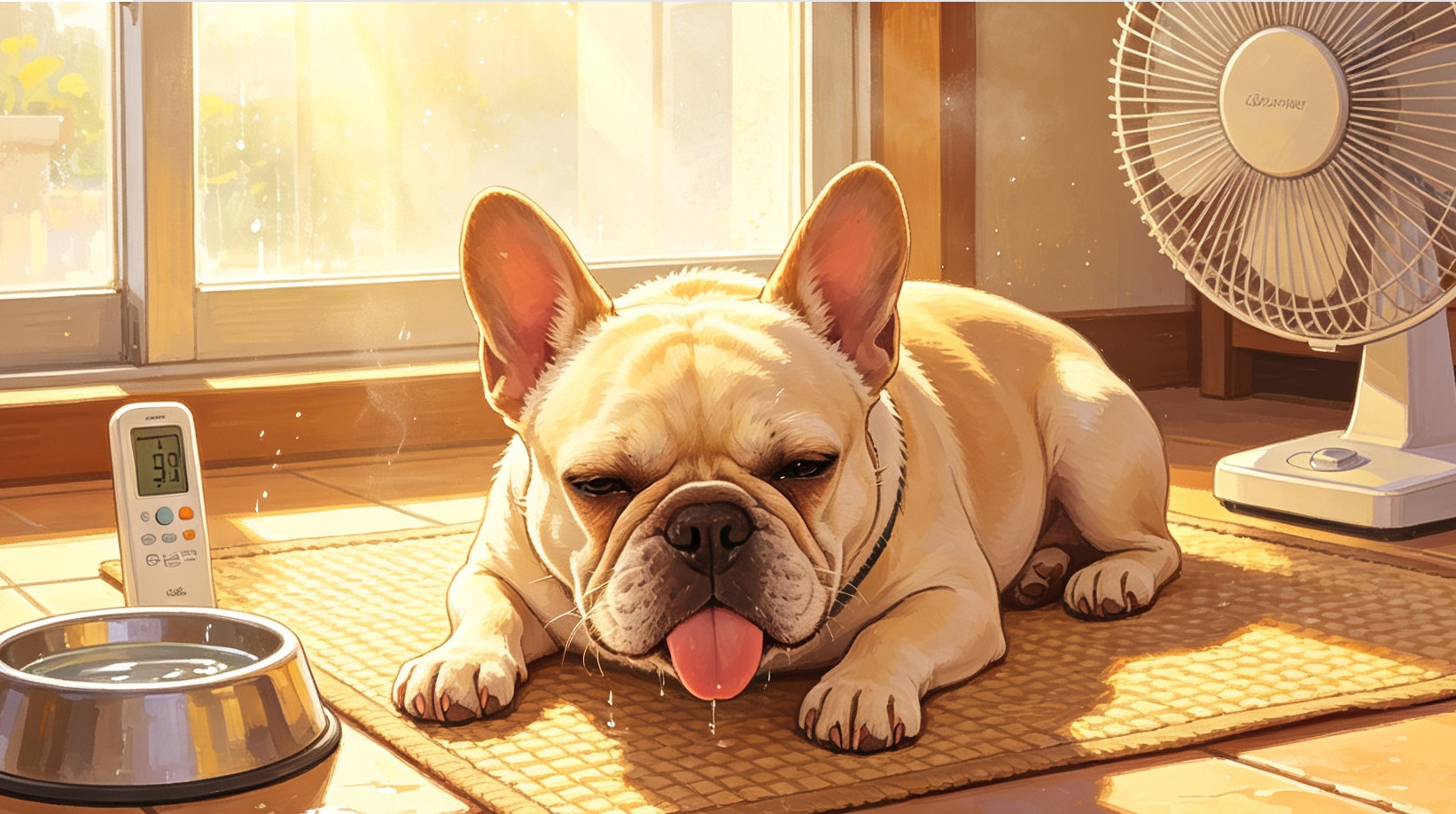
First, extremely high risk of heatstroke. French Bulldogs belong to brachycephalic (flat-faced) breeds with naturally narrow, twisted airways and often elongated soft palates. This structure drastically reduces their heat dissipation efficiency. Dogs mainly release heat by panting, evaporating moisture from their tongues and respiratory tracts. A Frenchie’s constricted airway is like a congested highway, trapping heat inside the body. Coupled with their lively, persistent temperament—they often push through discomfort—their body temperature can spike rapidly under hot and humid conditions, triggering heat stroke. Irreversible organ damage or even death can occur in as little as ten to fifteen minutes.
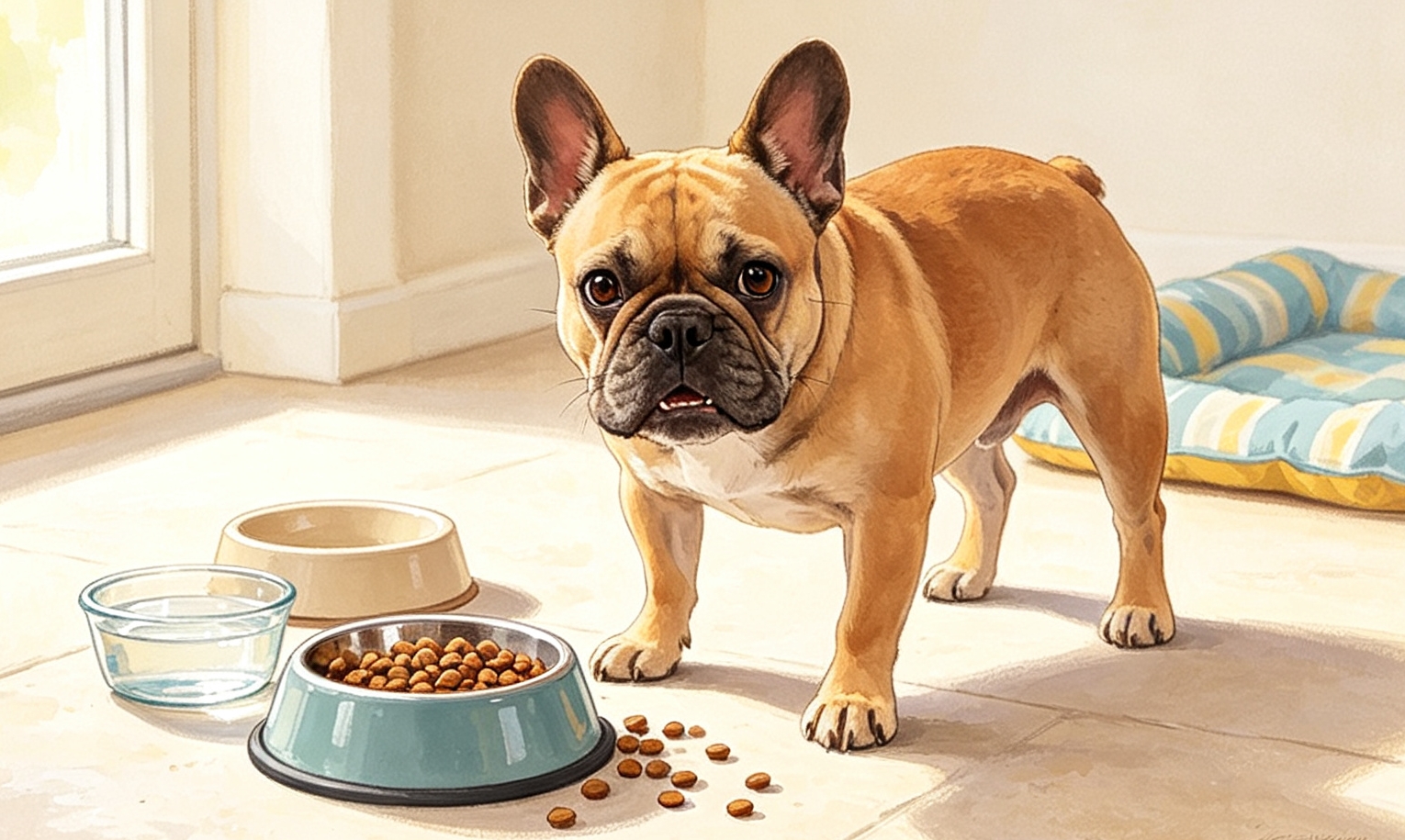
Second, choking and breathing trouble are common issues. Again due to their unique respiratory anatomy, French Bulldogs lack coordination between swallowing and breathing compared to other dog breeds. They tend to eat fast and gulp food whole, which easily slips into the trachea and triggers violent coughing. Worse, even mild choking can quickly escalate into severe breathing distress as the airway swells. I once treated a case where half a kibble blocked a Frenchie’s throat, creating early signs of suffocation within thirty minutes.
Understanding these two points makes it clear that the core of French Bulldog emergency rescue is racing against time to open their vital airway and rapidly lower their core body temperature. Below are detailed, actionable at-home first aid steps.
Golden Three-Step At-Home First Aid Framework: Stay Calm, Assess the Situation, Take Action
Scenario 1: Suspected Heat Exhaustion / Heatstroke
If your French Bulldog exhibits rapid panting, thick sticky saliva, bright red or purplish gums, lethargy, unsteady gait, vomiting or diarrhea in hot environments, act instantly:
Step 1: Move away from heat source and start physical cooling
Never pour ice water or apply ice cubes directly to the dog! This causes severe constriction of surface blood vessels, locking heat inside the body and potentially inducing shock. Follow the correct procedure:
1. Quickly transfer the dog to an air-conditioned room or cool, well-ventilated shaded area.
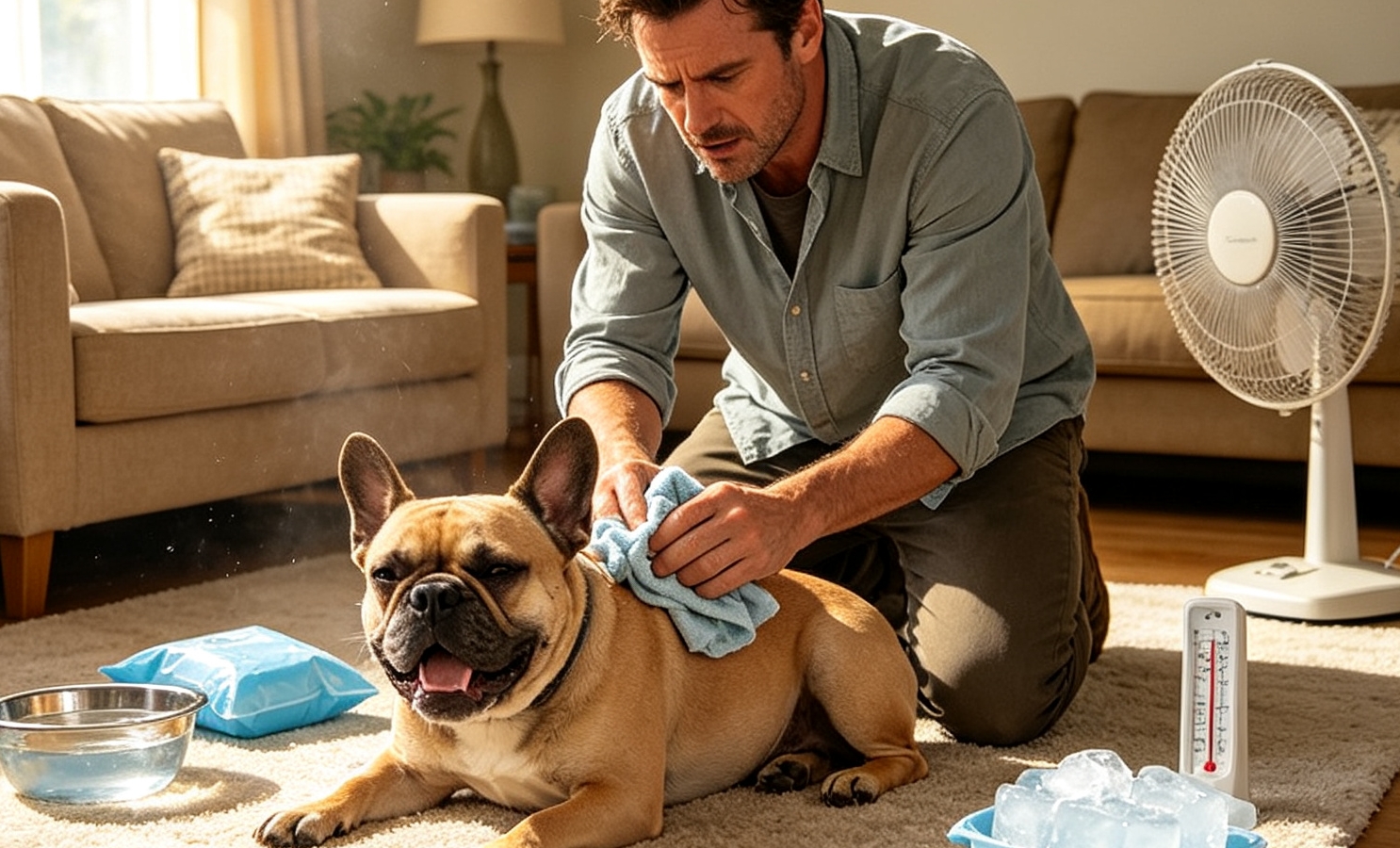
2. Use towels soaked in room-temperature tap water or cool water to wipe its belly, armpits, groin (inner thighs) and paw pads. These areas are rich in blood vessels and deliver excellent heat dissipation.
3. Drizzle room-temperature tap water slowly over its body, or wrap its entire body in damp towels while maintaining air circulation (you may use an oscillating fan).
In my practice, I keep a portable spray bottle filled with cool water handy to mist its belly and paw pads frequently alongside damp towel wiping for efficient cooling.
Step 2: Monitor core temperature and offer small amounts of drinking water
If available, use a rectal thermometer to take its temperature. A healthy dog’s normal temperature ranges from 38°C to 39°C. Exercise caution once readings exceed 39.5°C; temperatures over 40.5°C signal a life-threatening emergency.
Offer small sips of cool boiled water (not ice water) for the dog to lap only if it is conscious and able to swallow independently. Do not force water down its throat if it refuses; moisten its lips and gums with water dipped on your fingertips instead.
Step 3: Keep airway unobstructed and rush to the vet
During cooling, lay the dog on its side with its neck fully extended to keep the airway open. Even if its condition seems to improve, organ damage—especially to the kidneys and brain—from heatstroke may appear with a delayed onset.
After initial cooling treatment, contact your veterinarian immediately and head to the animal hospital. Continue wiping it with damp towels on the way. Inform your vet of all cooling measures taken and the recorded body temperature (if measured), as this critical data guides clinical treatment.
Scenario 2: Sudden Coughing & Breathing Distress While Eating
If your French Bulldog starts coughing violently, stretching its neck upward, pawing at its mouth, making raspy honking or wheezing noises, or develops bluish gums (oxygen deprivation) mid-meal, food may be lodged in its airway.
Step 1: Quickly inspect the mouth and attempt foreign object removal
Stay calm! Secure the dog’s head, gently pry open its jaws, and peer deep into its throat under bright light. If you can clearly see a large foreign body (such as a chunk of food), carefully extract it with blunt tweezers or chopsticks.
Critical reminder: Do not blindly dig if you cannot see the obstruction! This will only push the foreign body deeper into the trachea. This hard lesson came early in my career; one reckless attempt nearly suffocated a patient dog.
Step 2: Perform Canine Heimlich Maneuver
If no foreign object is visible or extraction fails and breathing distress worsens, perform this rescue technique right away:
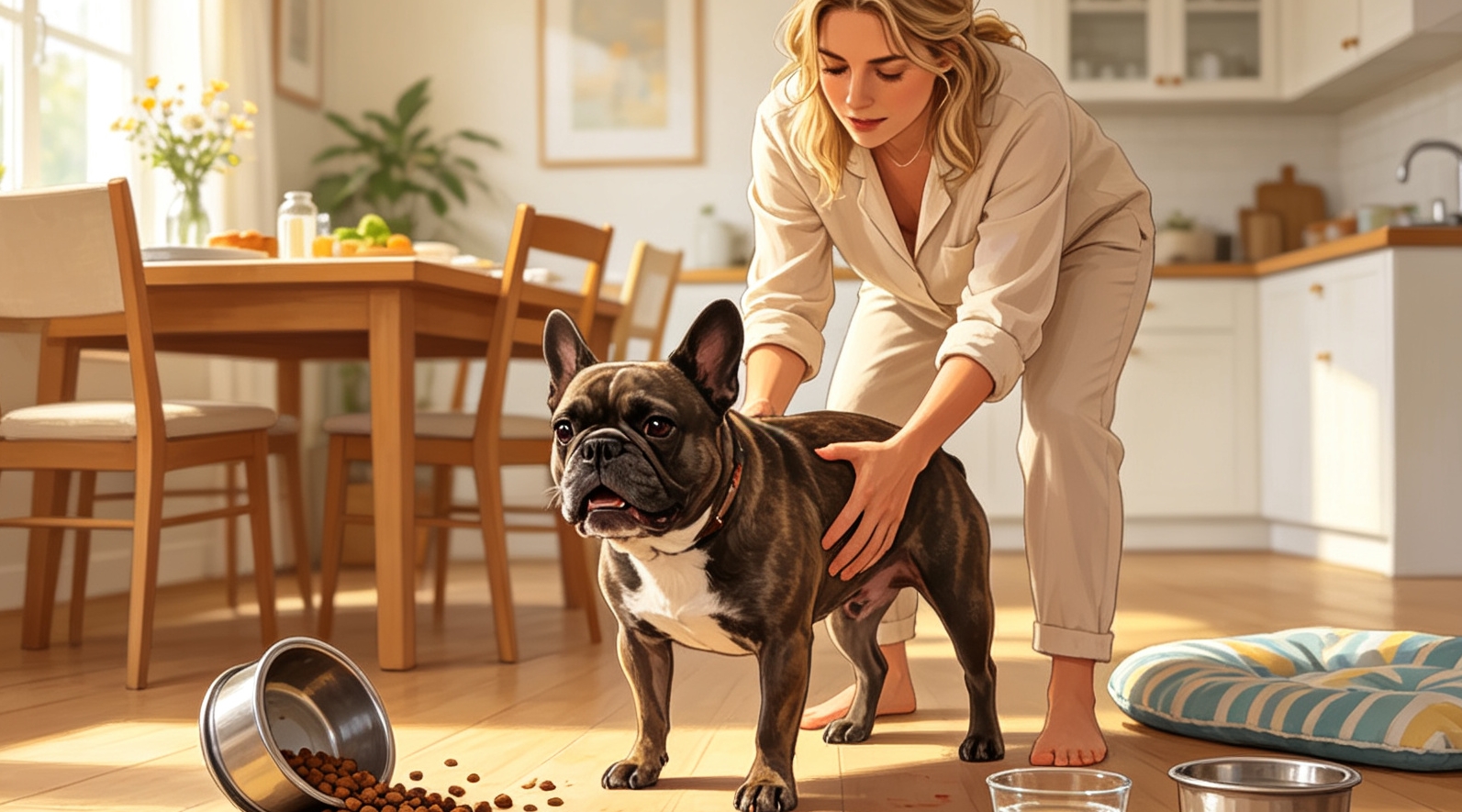
1. For small breeds like French Bulldogs: Wrap your arms around its torso from behind, pressing its back firmly against your abdomen. Locate the soft abdominal area directly below the last rib of its chest.
2. Clench one fist, rest the heel of your fist against this spot, and cover your fist with your other hand.
3. Deliver four to five sharp, forceful inward-and-upward thrusts. The goal is to use thoracic air pressure to expel the lodged object.
4. Check the mouth for dislodged debris and clear it after every set of thrusts.
I demonstrated this maneuver with a canine model during a community lecture, and an attendee later shared that this exact technique saved her French Bulldog after it choked on treats. Practice on a stuffed toy in advance to master the correct positioning and force.
Step 3: CPR and Emergency Hospital Transport
If the dog loses consciousness and stops breathing after the foreign body is removed, start cardiopulmonary resuscitation (CPR) immediately: administer rescue breathing (seal its muzzle and blow air into its nostrils) combined with chest compressions. Ask another family member to call the nearest animal hospital to explain the situation while you rush the dog for treatment. Even if the blockage is successfully cleared, choking may trigger aspiration pneumonia or airway swelling, which requires professional examination.
Mistake Avoidance Guide: Never Commit These Common Errors!
Panic easily leads to missteps during emergencies. Below is my compiled list of actions you must avoid at all costs:
1. Do not use ice packs or ice baths for heatstroke: As explained above, this backfires and may induce shock.
2. Do not force water into an unconscious or disoriented dog: Liquid can easily enter the lungs and cause fatal pneumonia.
3. Do not hang the dog upside down to treat choking: This practice carries extreme risks for brachycephalic French Bulldogs, potentially causing cervical spine injury or worsening breathing failure.
4. Do not adopt a wait-and-see attitude: Heatstroke and severe choking progress far faster than most owners expect. At-home first aid only buys transit time and cannot replace professional veterinary care. Every minute of hesitation lowers your dog’s survival odds.
5. Do not rely on unproven folk remedies: Home cures like feeding vinegar or steamed buns to clear choking work for humans but are ineffective and dangerous for dogs.
Summary: Prevention Is Always Better Than Emergency Rescue
The best first aid is preventing accidents from ever happening. All French Bulldog owners must internalize preventive care habits:
- Summer management: Never walk your dog during peak heat hours (10 a.m. to 4 p.m.). Carry a portable water bottle and bowl every time you go out. Keep air conditioning or fans running indoors and provide a cool, shaded resting zone. Pet cooling mats are highly recommended.
- Feeding management: Use a slow-feeder bowl—this is one of the most essential purchases for French Bulldogs, drastically lowering choking risks from rapid gulping. Split meals into small portions, and avoid overly hard, tiny (easily inhaled whole) or sticky foods.
- Daily observation: Familiarize yourself with your dog’s normal breathing rhythm and sounds. Light snoring is common in calm Frenchies, but learn to identify abnormal respiratory noises such as high-pitched whistling or heavy rattle sounds.
Important Reminder
All methods provided in this article are temporary at-home emergency measures designed to gain critical time before veterinary treatment. French Bulldogs possess unique physical anatomy, so any signs of heatstroke or severe choking—even if symptoms ease after your intervention—require an immediate trip to a professional animal hospital for follow-up examinations and treatment. Complications including internal organ damage, cerebral edema, and aspiration pneumonia demand specialized medical equipment (X-rays, blood work, oxygen cages) and prescription medication. Save your veterinarian’s contact information and the address of the nearest 24-hour emergency animal clinic in a prominent spot on your phone. Your calm, rapid response paired with professional veterinary support forms the strongest safeguard protecting your dog’s life.
I hope you never need to use this handbook, but it will guide you to make correct decisions if disaster strikes. Wishing you and your French Bulldog safe, healthy summers year after year.