Hello everyone. After more than ten years working with countless pets and their owners, I have noticed one frequently‑overlooked yet critical detail: your dog’s drinking‑water hygiene. For French bulldogs with their signature flat‑faced brachycephalic build, drinking‑water quality directly impacts their health and comfort. Today we go through simple daily cleaning steps to safeguard this vital resource for your French bulldog.
Hidden Health Risk: Is Your Dog’s Water Bowl Actually Clean?
Many owners think: “I change the water every day, so it must be clean.” Reality may surprise you. Take a moment to check your French bulldog’s water container (traditional bowl or automatic fountain). Does the inner surface feel slippery? Are there dark stains or limescale along the rim? Do tiny particles occasionally float on the water surface?
I have treated numerous French bulldogs suffering from persistent bad breath, red inflamed gums, and unexplained soft stools or vomiting. After ruling out other illnesses, the root cause turned out to be their seemingly clean water bowl. One observant owner discovered her dog avoided drinking; after tasting the bowl water herself, she detected a faint biofilm odour. This is far from an isolated case.
Why Do French Bulldog Water Bowls Build Up Grime So Quickly?
Several key factors explain why daily cleaning is non‑negotiable:
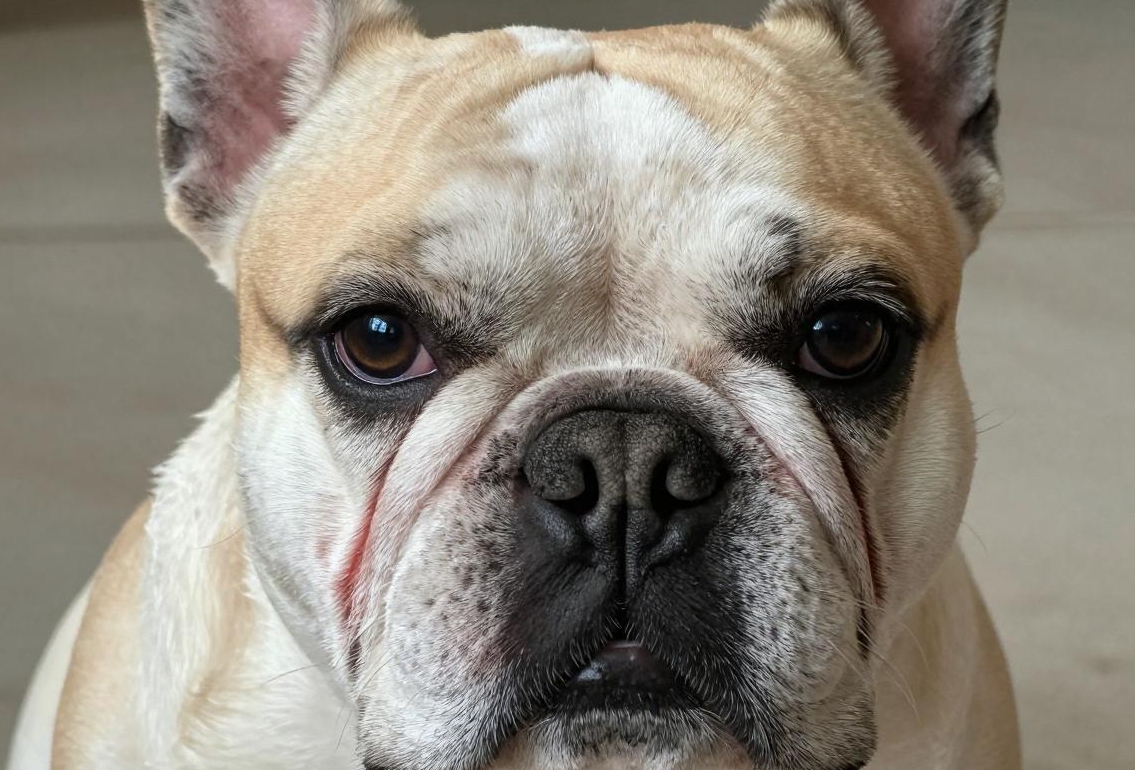
1. Unique facial anatomy: French bulldogs are classic brachycephalic breeds. While drinking, skin folds around their chin and lips dip into the water, carrying saliva, food scraps and even eye discharge into the bowl. This organic material acts as perfect bacterial growth medium.
2. Messy drinking habits: French bulldogs tend to drink clumsily, splashing water everywhere. Dust and loose fur from the floor get splashed back into the bowl. They also often drink right after playing or eating, quickly contaminating the water with debris.
3. Material and design flaws: On poorly‑washed plastic or stainless‑steel bowls, tiny surface scratches become safe havens for bacterial biofilm. Tubes and reservoirs inside automatic water fountains are hard‑to‑reach blind spots for cleaning.
4. Environmental conditions: Microbes multiply exponentially in standing water older than 24 hours. Warm indoor temperatures accelerate bacterial reproduction dramatically.
Combined, these factors can turn your French bulldog’s water bowl into a bacterial petri dish within 24 hours. Long‑term consumption of contaminated water causes bad breath and plaque at minimum, and can trigger gastroenteritis. This creates extra risk for French bulldogs who already have sensitive digestive systems.
Ten‑Year Veterinary Experience: Five Practical Daily Cleaning Solutions
Given these risks, I strongly recommend adding water‑bowl maintenance to your everyday pet‑care workflow. These five field‑tested steps work exceptionally well for French‑bulldog households.
Solution 1: First thing each morning — empty and rinse thoroughly
How‑to: Before you make your own breakfast or coffee, tend to your dog’s water bowl. Do not merely top‑up old water. Pour out all leftover water from the previous night. Rinse the interior vigorously under running warm water for at least 30 seconds to wash away most slimy biofilm and loose dirt.
Practical notes: I used to cut corners by just adding fresh water on top of old water. Within one week a thick slippery biofilm formed that simple rinsing could not remove. Now empty‑and‑rinse is my morning ritual, similar to brushing human teeth. For automatic fountains, unplug power first, fully disassemble reservoir, pump and drinking tray, and rinse every piece separately.
Solution 2: Daily scrubbing with pet‑safe cleaning agents
How‑to: After rinsing, apply pet‑formulated natural dish soap or food‑grade baking soda onto a soft dishcloth or dedicated sponge. Scrub every surface of the bowl, paying extra attention along the water‑line where limescale and saliva‑protein residue accumulate. For stainless‑steel bowls, wipe with lemon juice; mild natural acid dissolves limescale and restores shine.
Practical notes: Avoid strong human‑grade dish soap or disinfectants. Chemical residue can irritate your French bulldog’s sensitive mouth and gut. I saw one French bulldog refuse food after mild oral‑mucosa burns caused by incompletely rinsed household disinfectant. Keep a separate sponge reserved exclusively for dog‑bowl cleaning to prevent cross‑contamination with human tableware. Baking soda is my top pick: low‑cost, safe and effective at removing stains.
Solution 3: Deep sanitising (at least once weekly)
How‑to: Daily scrubbing is baseline maintenance. Once weekly perform a full deep clean. Soak the bowl for 15‑20 minutes in diluted white‑vinegar solution (1:1 vinegar‑to‑water ratio) or pet‑approved sanitiser. White vinegar dissolves stubborn limescale and biofilm. Rinse completely afterwards to eliminate all vinegar or disinfectant residue.
Practical notes: Inspect plastic bowls closely for scratches. Deep scratches harbour dirt you cannot fully clean. Replace plastic bowls every 6‑12 months. Stainless‑steel or glazed ceramic bowls offer greater durability. Ensure ceramic bowls have intact crack‑free glaze.
Solution 4: Drying is an essential step
How‑to: Many skip drying after rinsing. Wipe the inside and outside of the bowl completely dry with clean paper towels or dedicated dish towels. Set upside‑down on a draining rack. Only refill with fresh drinking water once fully air‑dried.
Practical notes: Moisture fuels bacterial reproduction. Pouring fresh water into a still‑damp bowl lets leftover microbes multiply rapidly. Adopt the “wipe‑dry + air‑dry” routine to break bacterial reproduction cycles. I keep two identical bowls: one cleans and air‑dries while the second stays in active use so your dog always has access to fresh water.
Solution 5: Select and maintain suitable drinking‑water equipment
How‑to: Choose wide‑mouthed, shallow bowls with adequate capacity. This fits the French bulldog’s broad muzzle and simplifies cleaning. If you use an automatic fountain, fully disassemble and wash every component weekly per manufacturer instructions. Replace filter cartridges every 1‑2 months even if they do not look dirty.
Practical notes: I visited one household with a chronically diarrhoeic French bulldog. The root cause was a floating‑style water fountain with heavily mould‑covered internal hoses the owners never took apart for cleaning. For fountain users, full disassembly for cleaning is non‑negotiable. For standard bowls, I recommend grade 304 or higher stainless steel or high‑quality glazed ceramic; dense surfaces resist bacterial buildup.
Pitfall‑Avoidance Guide: Common Mistakes You Should Avoid
1. Mistake: Quick shake‑out with plain water counts as cleaning.
Correct: Physical scrubbing friction is required to break down and remove biofilm.
2. Mistake: Multiple pets share one water bowl with unchanged cleaning frequency.
Correct: Shared bowls get contaminated far faster. Increase cleaning frequency or provide separate bowls for each animal.
3. Mistake: Place water bowl next to kitchen trash, litter boxes or direct sunlight.
Correct: Position in a cool, quiet, low‑dust spot far from contamination sources.
4. Mistake: Only clean bowl interiors, ignoring outer walls and bottom.
Correct: The French bulldog’s chin touches bowl rims while drinking. Outer and bottom surfaces also collect bacteria and need full cleaning.
5. Mistake: “Dogs have strong immunity; a little dirt is fine.”
Correct: Prevention beats treatment. Clean drinking water is one of the simplest, lowest‑cost disease‑prevention measures.
Summary
Maintaining drinking‑water hygiene for French bulldogs is not over‑caution; it is necessary care matching their special physiology. Spend a few minutes daily following this workflow: empty → rinse → scrub → dry. You drastically reduce illness risks originating from contaminated water. This protects gastrointestinal and oral health and gives you greater peace of mind. Watching them lap fresh clean water happily represents simple, thoughtful love for your companion animal.
Important Reminder
The everyday cleaning guidance above supports preventive care. If you maintain strict cleaning habits yet your French bulldog still shows persistent water refusal, abnormal increase or decrease in water intake, severe halitosis, excessive drooling, swollen gums, vomiting or diarrhoea, issues may go beyond water‑bowl hygiene. Symptoms can signal dental disorders, kidney disease, endocrine conditions or other systemic illnesses. Seek prompt professional diagnosis and treatment at a licensed veterinary clinic. Do not self‑medicate, as delayed care may worsen health outcomes.