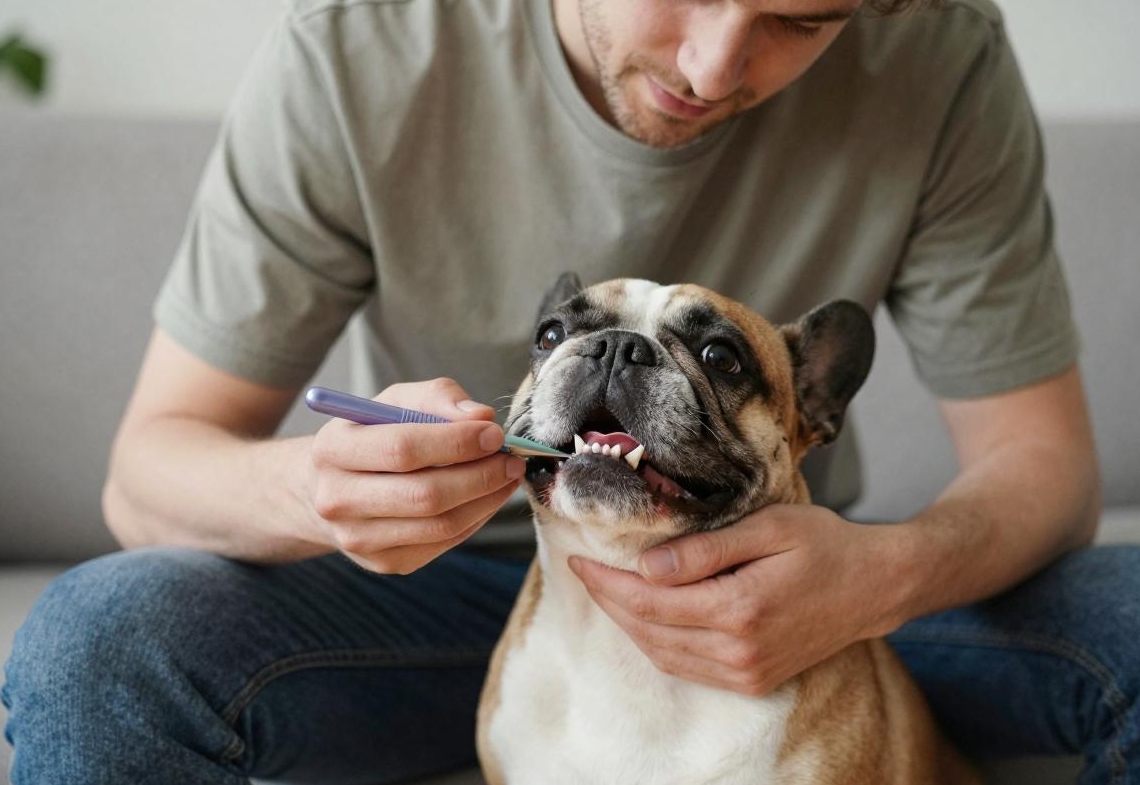
Hi, I’m Lao Chen, a veterinarian with over ten years of experience in the pet industry. Over the years, I have met countless first‑time owners bringing home new puppies. Especially for French bulldog keepers, I fully understand their mix of joy and bewilderment. Faced with that wrinkly, chubby little pup, the very first question is usually: what on earth should it eat, and how should I feed it? Today, let’s set aside complicated theories and talk practically about building a scientific post‑weaning feeding routine for your newly‑arrived French bulldog puppy, helping it get through this critical phase smoothly.
Common Anxiety Among New Owners: Am I Feeding It Correctly?
I still clearly remember a young lady rushing into my clinic with her French bulldog puppy that had been home for only three days. The puppy was lethargic, suffering from soft stools and vomiting. She told me anxiously: "Doctor, I followed online instructions strictly and soaked puppy kibble with goat milk powder, yet it still cannot digest well. Is the kibble I bought bad?" After examination, the puppy was diagnosed with acute gastroenteritis triggered by abrupt food switches and improper feeding practices. This typical case reflects frequent pain‑points for new puppy owners: puppy diarrhoea and vomiting, poor adaptation to new food, confusion over portion sizes, and uncertainty about when to transition to dry kibble. Behind these problems lies the special physiological stage of young puppies.
Why Extra Caution Is Required for Feeding French Bulldog Puppies
First, bear in mind that your newly‑home French bulldog puppy is usually around 8 weeks old. It has just left its mother and littermates and is transitioning fully from weaning onto solid food. Its digestive system resembles a brand‑new, highly precise yet extremely delicate instrument. As a breed, French bulldogs are prone to sensitive guts, bloating and fragile skin. Improper feeding during puppyhood not only causes immediate gastrointestinal troubles, but also plants risks for future allergies, obesity and poor skeletal development. Therefore scientific feeding is not merely about filling its stomach — it lays the foundation for lifelong health.
Practical Experience: Five‑Step Scientific Feeding Routine for French Bulldog Puppies
Drawing on numerous real‑world cases and hands‑on experience, below are actionable solutions you can implement right away.
1. Food Transition: Complete Gradual Kibble Switch, Never Sudden Changes
No matter whether you obtain your puppy from a breeder, private home or pet shop, first ask for the exact brand and formula of its previous kibble. I recommend requesting at least one week’s supply of the old food from the previous owner.
Implementation steps: Use a measuring cup. Days 1‑2: mix 80 % old kibble with 20 % new kibble. Days 3‑4: 50 % old and 50 % new kibble. Days 5‑6: 20 % old kibble mixed with 80 % new kibble. From day 7 onward, feed 100 % new kibble. This 7‑day kibble‑switch method minimises shock to gut microbiota caused by abrupt dietary changes. I once met an owner who directly upgraded to premium kibble, resulting in continuous diarrhoea, because the puppy’s intestines failed to adapt to new protein and fat sources.
2. Food Texture: Gradual Shift From Porridge‑Like Mash to Dry Kibble
Recently‑weaned puppies struggle to chew and digest hard dry kibble. Pre‑processing is essential.
Phase 1 (approx. 8‑10 weeks old): Porridge‑style soaked kibble. Soak puppy kibble in lukewarm water (avoid boiling water, which destroys nutrients) or pet‑grade goat milk powder. Target texture: no hard core inside kibble; easily crushed between fingers, forming warm porridge. Control water volume: too little yields overly thick mash while excessive water dilutes nutrition. I suggest adding just enough water or milk to cover kibble, then soak for 20‑30 minutes.
Phase 2 (approx. 11‑12 weeks old): Soft kibble. Shorten soaking duration or reduce liquid volume, leaving kibble soft on the outside and slightly firm inside to build chewing ability.
Phase 3 (13 weeks and older): Gradually shift to dry kibble. Offer a small portion of dry kibble for one meal per day and monitor stools. If everything remains normal, slowly increase dry‑kibble meals. Patience is essential; observation is your golden standard.
3. Feeding Frequency & Portions: Small, Frequent Meals, Fixed Timing & Quantities
Puppies have tiny stomachs yet fast metabolisms. Never feed only 1‑2 meals per day like adult dogs. General guidelines:
‑ 8‑12 weeks old: 4 meals daily (e.g. 8 a.m., 12 p.m., 5 p.m., 9 p.m.).
‑ 12 weeks‑6 months old: reduce to 3 meals daily.
‑ After 6 months old: gradually adjust to 2 meals daily.
For portion sizes, refer to the weight‑and‑age‑based daily feeding recommendation printed on every kibble bag. Read it carefully! This figure represents total daily intake. Divide the total daily amount by meal count to get per‑meal portions. For example: if the puppy’s recommended daily intake is 80 g across 4 meals, each serving equals 20 g. A kitchen digital scale delivers the most accurate measurement; avoid guesswork which easily causes over‑feeding. Since French bulldogs are obesity‑prone, early‑life weight control is critical.
4. Food Selection: Tailored for Sensitive Guts and High Nutritional Requirements
When picking kibble for French bulldog puppies, focus on these points:
‑ Breed‑ or size‑specific formulas: Prioritise small‑breed puppy kibble or French‑bulldog‑specific kibble. These products feature suitable pellet size and balanced fat‑to‑protein ratios.
‑ Clear ingredient list: Choose kibble with named meat sources (chicken, fish etc.) listed as the first ingredient. Avoid formulas heavy in grains or containing unidentified meat by‑products.
‑ Beneficial additives: Look for prebiotics (fructo‑oligosaccharides, mannan‑oligosaccharides) or probiotics, which support gastrointestinal health for sensitive French bulldogs.
‑ Avoid potential allergens: If allergy‑like signs appear (itchiness, skin rashes, recurrent ear inflammation), consult your vet and trial hypoallergenic kibble formulas.
5. Feeding Environment & Habit Building: Quiet, Fixed Location, No Disturbances
Assign a permanent feeding spot and use spill‑proof food and water bowls. Keep surroundings quiet during feeding; do not tease or interrupt so the puppy can eat undisturbed. Set a time limit of 15‑20 minutes. Remove the food bowl calmly once time runs out, regardless of whether food is finished. This builds good eating routines and prevents picky‑eating or slow‑eating bad habits. Do not allow strenuous exercise or play right after meals; enforce a minimum 30‑minute rest period to lower risks of gastric torsion and indigestion.
Pitfall‑Avoidance Guide: Steer Clear of These Common Mistakes
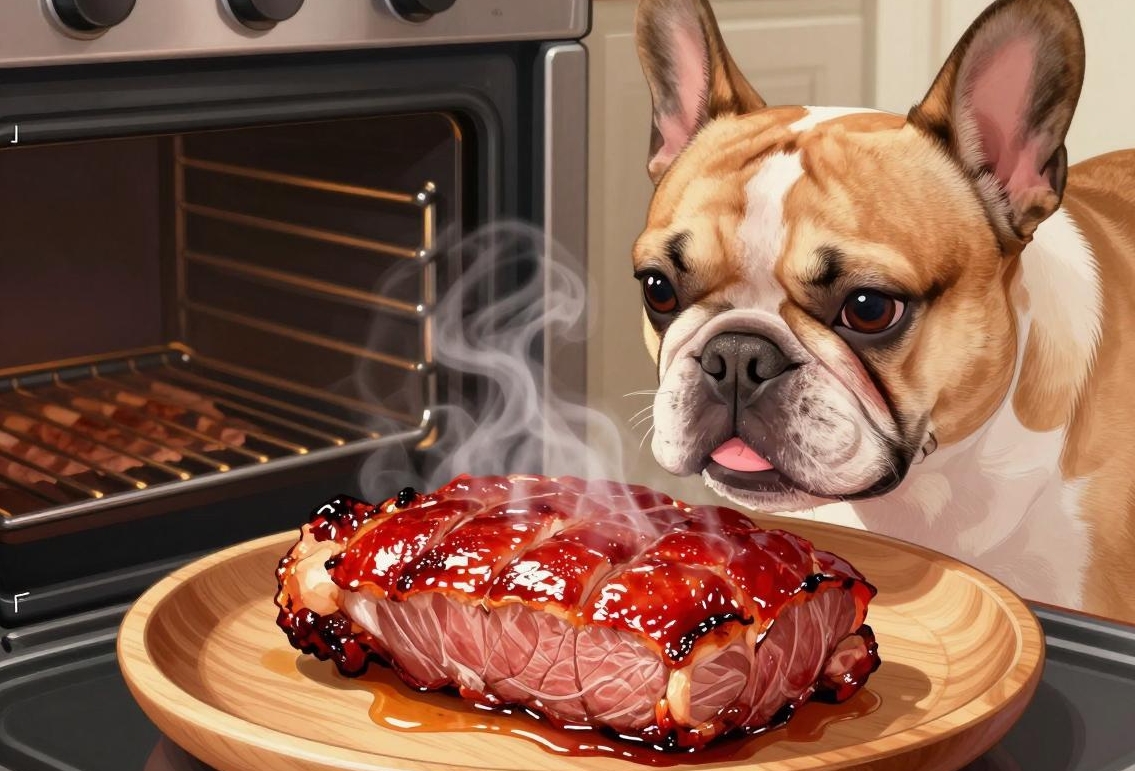
1. Random human‑food feeding: Human meals carry excessive salt and fat for puppies. Onions, grapes, chocolate and other foods are toxic. Do not give in just because of begging puppy eyes.
2. Blind nutritional supplements: High‑quality complete‑nutrition puppy kibble already delivers all required nutrients. Do not add calcium powder, vitamins or other supplements without veterinary confirmation of deficiencies. Excess supplementation causes harm, especially for growing French bulldog puppies — uncontrolled calcium supplementation may trigger skeletal disorders.
3. Improper treat usage: Treats should only serve as training rewards and must stay under 10 % of total daily food intake. Select soft, easily‑digested puppy‑specific treats.
4. Neglecting drinking‑water supply: Ensure clean, abundant drinking water is available 24/7. It is vital for digestion and metabolism.
Summary
Raising a French bulldog puppy resembles caring for an infant, requiring patience, careful observation and scientific methods. Core principles are gradual progression and close monitoring. No steps can be rushed — from kibble transition and soaking to fixed‑time portioned feeding. Stable dietary routines not only build a healthy physical foundation for your puppy, but also foster security and good behavioural manners. Remember: the perfect feeding plan for your puppy is fine‑tuned within scientific guidelines according to its real‑life responses including energy, appetite and stool quality.
Important Reminder
This article provides general scientific feeding guidance. Seek immediate veterinary help and stop home management if your French bulldog puppy shows: refusal to eat or drink lasting over 24 hours, frequent vomiting or diarrhoea (especially with blood), extreme lethargy, severely bloated abdomen, or any other worrying symptoms. Puppies’ conditions can deteriorate rapidly; timely professional veterinary intervention is critical for saving lives. Wish you and your French bulldog puppy a happy, healthy growth journey together!