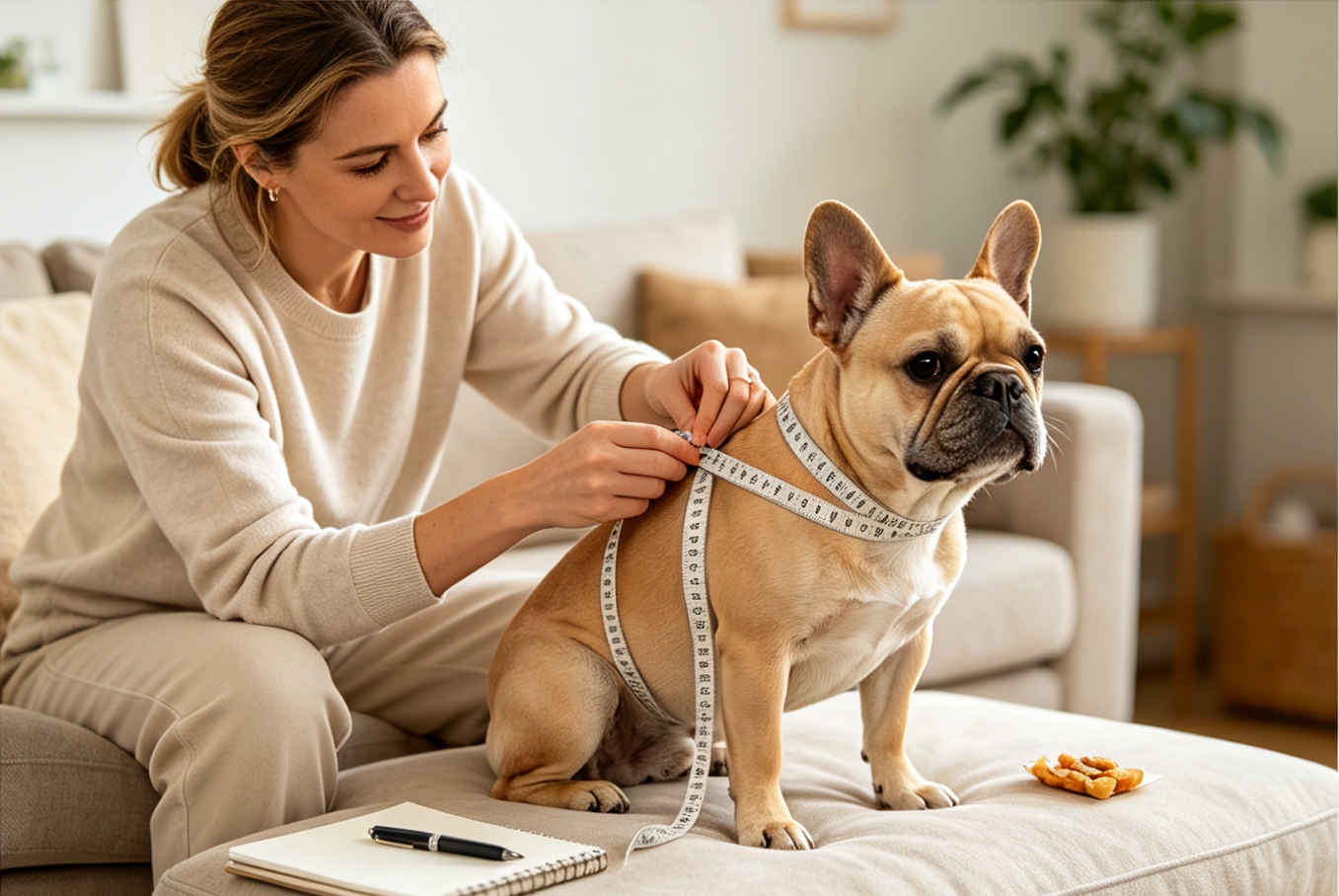
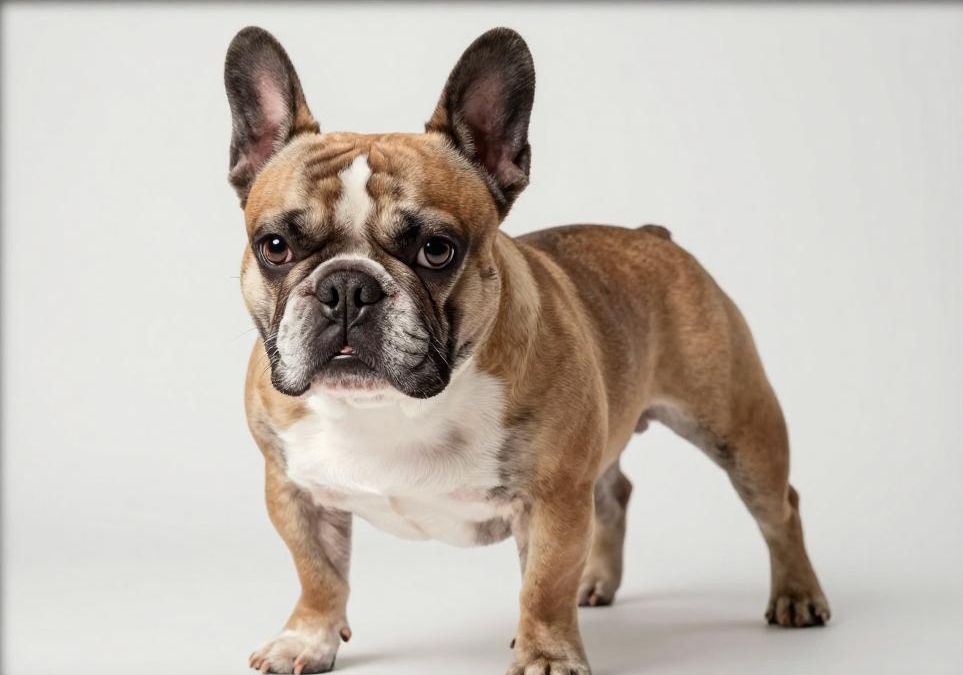
I recently treated another senior French bulldog suffering acute kidney injury caused by severe dehydration. Seeing the owner’s anxious and guilty look really weighed on me. Sadly this is not an isolated case. For French bulldogs, especially senior ones, water‑drinking issues are a hidden health time‑bomb behind their cute appearance. Many owners rush to the clinic only after their dog becomes lethargic, refuses food, or passes dark tea‑colored urine. By then irreversible kidney damage may already have occurred. Drawing on real clinical cases over the years, I will walk you through building a personalized water‑drinking guidance plan for your old companion, to minimize risks of dehydration and kidney disease before they escalate.
Why Are Senior French Bulldogs High‑Risk for Dehydration and Kidney Disease?
To solve the problem we need to understand its origins. French bulldogs’ physical build already creates hidden risks. Their broad brachycephalic skull and relatively elongated soft palate not only produce loud snoring, but also make swallowing less smooth compared with other breeds; drinking water can be physically challenging. These problems compound in old age: joint degeneration brings pain that discourages walking to the water bowl; deteriorated sense of smell and taste makes plain water unappealing; natural kidney function decline reduces urine‑concentrating ability, meaning the body demands more water to flush waste — yet the dog actually drinks less. This imbalance between water intake and output keeps the body in chronic mild dehydration, thickens blood, and overburdens the kidney filter. Over time chronic kidney disease (CKD) develops. I have seen countless lab reports where creatinine and BUN rise quietly without owners noticing, until a cold or stress triggers a sudden medical crisis.
Practical Experience: Five Solutions to Boost Water Consumption
Now let’s move to actionable advice. These methods have been tested, adjusted and proven effective across many clinical cases. Please adapt them to your individual dog’s temperament and physical condition.
Solution 1: Make Water Dynamic to Increase Appeal
Static bowl water holds little attraction for senior dogs. I recall Tank, a 10‑year‑old French bulldog who ignored his water bowl but was fascinated by running tap water. I recommended a pet fountain. Running water sound and moving surface immediately sparked Tank’s curiosity and willingness to drink; his water intake rose by at least 30 %. Circulating water also holds more dissolved oxygen and tastes fresher. When selecting a fountain, pick a quiet model (to avoid scaring timid dogs) with a sloped surface (to protect cervical spine) and easily replaceable filter cartridges.
Solution 2: Add Water to Food — Hydrate Through Meals
This is one of the most direct effective approaches, especially for dogs with decent appetite but low voluntary water intake. A light sprinkle over kibble is far from enough. My practical method: Mix part of daily meals (e.g. half of wet food or homemade fresh diet) with warm water into thick soup or porridge‑like consistency. Aim for water temperature close to dog body temperature (38‑39℃), which enhances food aroma. For kibble‑fed dogs, thoroughly soak dry food with warm water or fat‑free low‑salt chicken broth. I once advised an owner of a picky senior French bulldog to make meat‑broth ice cubes: boil chicken breast in plain water without seasoning, strain clear broth and freeze in ice‑cube trays. Drop one or two cubes into daily drinking water; subtle meat aroma greatly encourages drinking.
Solution 3: Set Up Multiple Varied Water Stations
Senior dogs have limited mobility and sore joints. Place water bowls in 3‑4 frequently‑visited spots: beside the dog bed, next to sofa, sunny balcony corner. Bowl material and shape also matter. One arthritic senior dog experienced pain bending down; I suggested an elevated water stand matching his shoulder height. Drinking became far more comfortable and his drinking frequency improved noticeably. You may also offer bowls of ceramic or stainless steel in different shapes, as individual dogs show personal preferences.
Solution 4: Clever Hydration During Treat Time
Turn drinking into a rewarding experience. Offer high‑moisture treats such as seed‑free watermelon chunks, cucumber strips, seed‑removed apple slices during play or positive reinforcement sessions. Even more effective: food‑dispensing toys. Fill treat balls or licking mats with unsalted meat broth, xylitol‑free plain yogurt or soaked food paste, then freeze. Your dog will spend long periods licking to access food, passively ingesting large volumes of water while relieving stress and stimulating mental activity.
Solution 5: Build a Regular Water‑Reminder Routine
For forgetful or lethargic senior dogs owners need active guidance. At fixed daily moments — after morning and evening walks (prime hydration window following exercise), after midday rest, before bedtime — bring the water bowl to your dog and gently encourage drinking. Lightly dab water onto nose or lip to trigger licking reflex. Once habits form, your dog will begin anticipating water at these times.
Mistake‑Avoidance Guide: Avoid These Common Errors
While encouraging water intake watch for these pitfalls:
1. Forced water pouring: Never pry jaws open and pour water forcibly. This can easily cause choking and aspiration pneumonia, create deep fear and resistance toward drinking, and make future guidance much harder.
2. Over‑relying on flavor additives: Long‑term addition of milk, fruit juice or human beverages to water may trigger diarrhea, obesity or pancreatitis. Stick to plain fresh water, unsalted broth or pet‑formulated drinking liquids only.
3. Dirty water bowls: Wash bowls daily and supply fresh water. Stagnant water breeds bacteria and develops off‑putting odors that make dogs refuse to drink.
4. Skipping veterinary check‑ups: If water consumption drops sharply or rises excessively despite multiple home‑based interventions, seek veterinary care immediately. This may signal diabetes, Cushing’s disease, kidney illness or oral pain such as periodontal disease requiring professional diagnosis.
Summary
Prevention is always better than treatment. For senior French bulldogs maintaining healthy water‑drinking habits is fundamental to kidney wellness and quality of later‑life care. It demands careful observation, patient guidance and science‑based methods from owners. Integrate hydration into everyday care and make drinking easy, pleasant and even fun, and you will build a solid health safeguard for your dog.
Important Reminder
Please note the strategies in this article apply for routine prevention and mild insufficient water intake. Seek urgent veterinary help if your dog shows any of these severe warning signs: complete refusal of food and water for 24 hours or longer, extreme lethargy, vomiting or diarrhea, visibly sunken eyes or poor skin elasticity (slow skin recoil when lifting back skin), drastically reduced urine output or dark yellow/bloody urine. These may indicate severe dehydration or acute kidney injury. Stop home‑based management at once and rush your pet to a licensed animal hospital for urgent professional treatment. Every minute counts; do not delay care.