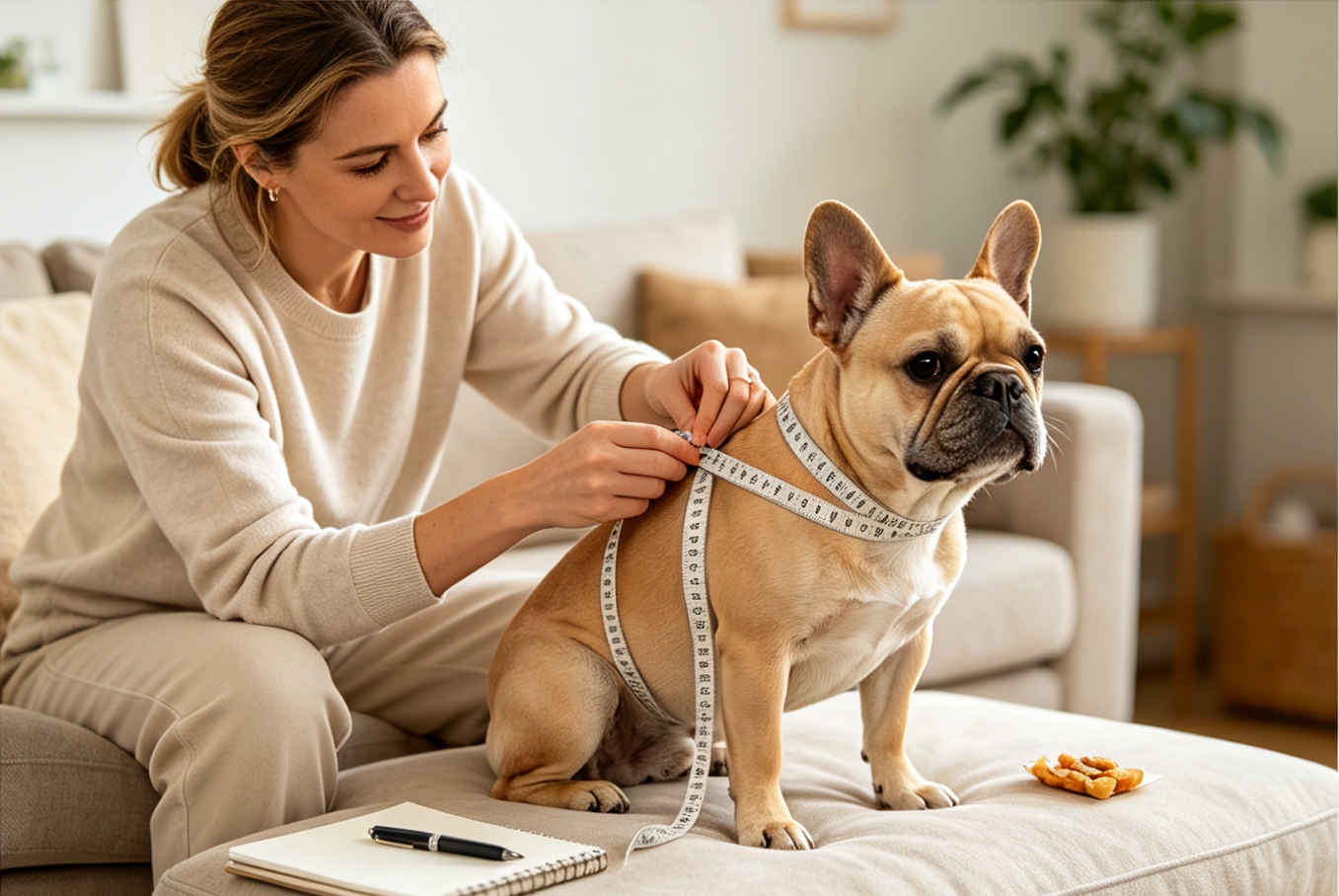
When new French bulldog owners bring their puppies home and ask me excitedly yet anxiously “Doctor, how do I vaccinate this little one safely?”, I recall countless real‑world cases from my practice. Some owners miss optimal vaccination windows due to incomplete immunization knowledge; others over‑fear vaccine reactions and leave their dogs exposed to life‑threatening viruses. For French bulldogs, a breed with unique physiology — brachycephalic features, allergy predisposition and sensitive skin — a scientific, personalized and well‑executed vaccination plan means far more than simple injections. It forms the first and most critical firewall protecting their vulnerable lives.
Why Do French Bulldogs Require Custom‑Tailored Vaccination Plans?
Beneath their lovely appearance lie health traits requiring extra attention. First, as brachycephalic dogs, they have narrow respiratory tracts with higher risks of anaesthesia‑related complications and stress responses compared to average breeds. Gentle handling and extended post‑injection observation are essential during vaccination. Second, French bulldogs are well‑known for sensitive constitutions; skin allergies and food intolerances are frequent. Such traits may also manifest as reactions to vaccine adjuvants. Though severe allergic incidents are uncommon, they demand prompt intervention once they occur. Third, puppies need meticulous support while building immunity. Missed or mistimed shots may create loopholes within their immune defences.
Fundamentally, vaccines work by “training the immune system to build memory using attenuated pathogens”. This procedure demands gradual progression and precise timing. Maternal antibodies passed from the dam typically wane between 6‑16 weeks of age. Vaccines must be administered within this window: after maternal antibody levels drop yet before the puppy encounters field viruses. Vaccinating too early allows maternal antibodies to neutralize vaccine antigens and causes immunization failure. Vaccinating too late leaves the dog unprotected against infections. For French bulldogs, overall physical status must also be considered: congenital heart conditions or active skin disorders directly affect vaccine safety and effectiveness.
Building Defences: Custom‑Designed Full Vaccination Protocol for French Bulldogs
Drawing on my ten‑year clinical experience, I have compiled a year‑round vaccination and health‑management roadmap covering puppy‑to‑adult stages. Please note this serves as a general framework. Always consult your veterinarian for breed‑specific adjustments.
Solution 1: Puppy Primary Immunization — Fight the First Defensive Battle
This is the most critical phase. I generally recommend the first vaccine dose for French bulldog puppies at 6‑8 weeks old. Maternal antibodies start declining but still offer partial protection; the initial shot acts as an immune‑system rehearsal.
My clinical experience: One owner insisted on vaccinating his puppy at 45 days out of fear of disease. I discouraged him and explained maternal‑antibody interference. Vaccination proceeded only after the puppy turned 8 weeks and passed a baseline health check. Subsequent antibody‑titre tests confirmed excellent immune response. In contrast, premature vaccination often fails to establish immune memory: money is spent without delivering real protection.
Implementation Steps:
1. 6‑8 weeks old: Administer the first combination vaccine (usually covering canine distemper, canine parvovirus, canine adenovirus‑2 and parainfluenza). Internal and external deworming may be initiated concurrently.
2. 10‑12 weeks old: Give the second dose of the same combination vaccine. Maternal antibodies decline further; this dose is pivotal for building effective immunity.
3. 14‑16 weeks old: Deliver the third combination vaccine plus rabies vaccine (comply with local legal requirements). Core primary immunization is now completed.
4. Key recommendation: 2 weeks after finishing all primary shots (after 16 weeks of age), an antibody‑titre test is strongly advised. It represents the gold standard for verifying immunization success, especially valuable for French bulldogs to avoid ineffective or over‑vaccination.
Solution 2: Adult Booster Vaccination — Reinforce Immune Defences
Antibody concentrations gradually drop after primary immunization, requiring periodic boosters. The old mindset of “annual full‑set shots” is being replaced by evidence‑based differentiation between core and non‑core vaccines.
My clinical experience: A 7‑year‑old French bulldog named “Baozi” received complete annual vaccines. Suffering from chronic pancreatitis, he suffered poor appetite lasting several days after each vaccination. Later we adjusted the strategy. Antibody testing showed sufficient residual protection against distemper and parvovirus. We extended booster intervals for these core vaccines to every three years, scheduled shots during his most stable pancreatitis phase, and switched to less‑antigen‑dense vaccine formulations. Post‑adjustment vaccine side effects were greatly reduced.
Implementation Steps:
1. First booster: Administer one year after puppy primary immunization completion.
2. Evidence‑based boosting: Afterwards work with your vet for risk‑and‑lifestyle‑oriented personalized plans:
- Core vaccines (distemper, parvovirus, rabies): Boost every three years or follow antibody‑titre results. Rabies vaccination must strictly follow local legislations.
- Non‑core vaccines (leptospirosis, Bordetella bronchiseptica etc.): Decide whether annual boosters are needed based on living environment (outdoor access, frequent contact with other dogs) and regional endemic disease status.
3. Annual wellness exam: Combine booster visits with comprehensive physical, dental and blood work. This provides a valuable chance to evaluate overall body condition.
Solution 3: Refined Pre‑and‑Post‑Vaccination Care — Minimize Risks
Vaccines themselves are safe, yet vaccination counts as a medical procedure requiring rigorous attention. Care details matter even more for French bulldogs.
My clinical experience: A one‑year‑old French bulldog “Tank” developed facial swelling and rapid breathing 15 minutes post‑vaccination, showing acute allergic shock signs. Thanks to our mandatory 30‑minute in‑clinic observation rule, anti‑allergy medication was injected immediately and symptoms subsided within minutes. This incident reinforced my commitment to mandatory post‑vaccination monitoring.
Implementation Steps:
1. Before vaccination: Confirm the dog is in perfect health. No fever, diarrhoea, cough or sneezing. Active skin disorders should be stabilized before scheduling shots.
2. During vaccination: Choose reputable clinics and veterinarians. Fully disclose your dog’s medical and allergy history.
3. After vaccination:
- 30‑minute on‑site observation: Critical for catching acute allergic reactions!
- At home: Offer a quiet resting area and unlimited fresh water. Avoid strenuous exercise, bathing and contact with unfamiliar animals (full immune build‑up takes roughly 2 weeks).
- Close monitoring: Watch for injection‑site soreness, mild lethargy or temporary appetite loss (usually self‑resolves within 1‑2 days). Red flags: facial / peri‑orbital swelling, hives, persistent vomiting‑diarrhoea, breathing difficulty. Contact your vet instantly if these appear.
Mistake‑Avoidance Guide: Common Misconceptions You May Encounter
Myth 1: Vaccination guarantees 100 % disease‑free status.
Vaccines do not deliver absolute protection. However, vaccinated dogs develop far milder symptoms and drastically lower mortality rates upon infection. Vaccination protects against severe illness and saves lives.
Myth 2: No outdoor trips mean no need for vaccines.
Viruses can be carried indoors indirectly via owners’ shoes and clothing. Rabies vaccination is additionally a legal obligation. Do not take this risk.
Myth 3: More vaccines equal better protection.
Over‑vaccination increases financial cost, dog stress and unnecessary immune‑system burden. Follow the principle: vaccinate only when necessary.
Myth 4: Buy vaccines online and inject at home.
Vaccines demand strict cold‑chain storage and transport. Home administration easily causes vaccine failure. Emergency adverse reactions cannot be managed, bringing extreme hazards.
Summary
Vaccination planning for French bulldogs represents long‑term health management combining affection, patience and scientific knowledge. It starts with precise puppy‑age timetables, continues with personalized adult booster strategies, and relies on meticulous pre‑and‑post‑shot care. Remember: you are not merely an owner, but the chief planner of your dog’s health shield. Build a long‑term partnership with a trusted veterinarian familiar with French bulldog breed traits. Communicate regularly and adjust protocols according to your pet’s individual condition. This is the most reliable guarantee for lifelong wellbeing.
Important Reminder
This article provides educational insights and practical experience and cannot replace professional veterinary diagnosis or advice. Every French bulldog is unique with distinct health status and living surroundings. If your dog suffers severe adverse reactions after vaccination such as heavy vomiting‑diarrhoea, breathing difficulty, generalized hives, weakness or fainting, or whenever you have doubts about vaccination schedules, stop home observation right away and seek immediate professional veterinary assessment and treatment. Safeguarding their wellbeing requires science and shared responsibility.