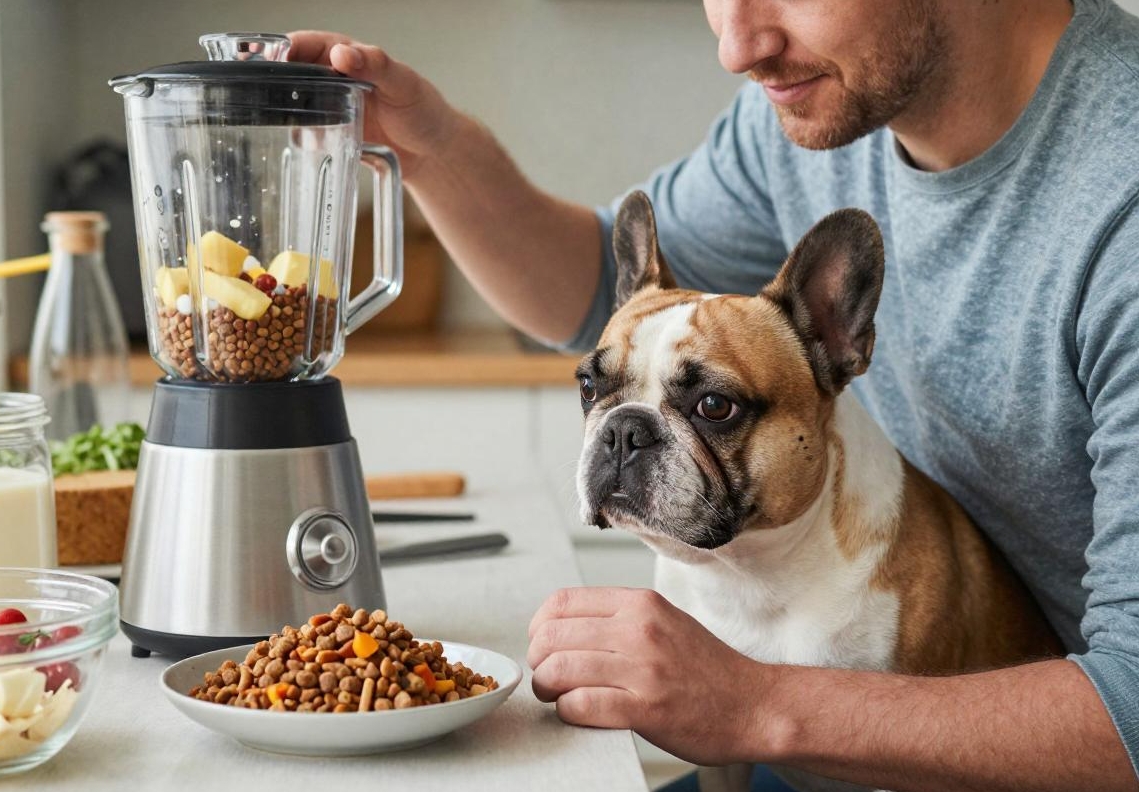
Hello to all French Bulldog owners! I’m Chen, a pet medical and nutrition specialist with over ten years of experience, having treated hundreds of lovely Frenchies. It breaks my heart every time I see them listless, passing soft stool, or suffering from severe gastrointestinal distress after switching to an incompatible new kibble. Beneath their cute, laid-back appearance, French Bulldogs carry an exceptionally delicate, fragile digestive system. Today I’ll dive deep into the seemingly simple yet notoriously tricky task of switching your Frenchie’s dog food.
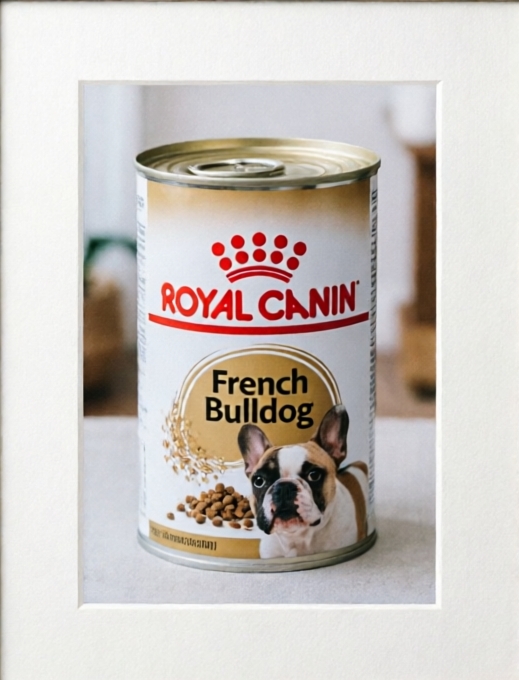
Why Does Your French Bulldog Get Diarrhea Every Time You Switch Kibble?
Before covering the step-by-step transition formula, we first need to understand the underlying root causes. Treating symptoms without addressing the source will make even the best methods far less effective.
First, Breed-Specific Physiological Traits Are The Fundamental Cause. As brachycephalic flat-faced breeds, French Bulldogs have unique esophageal and gastric structures with weaker intestinal peristalsis and slower gastric emptying compared to other dogs. Food lingers longer inside their digestive system, so abrupt dramatic shifts in nutritional composition can easily disrupt fragile gut flora and digestive enzyme function.
Second, Gut Microbiome Imbalance Is The Critical Trigger. Billions of beneficial microbes live within a dog’s intestines, responsible for breaking down nutrients, synthesizing vitamins and supporting immune function. Different kibble formulas contain distinct protein sources, carbohydrate profiles, fat concentrations and additives. A sudden diet change acts like a shockwave to the native gut bacteria; unfamiliar ingredients cannot be properly processed, causing beneficial bacteria populations to drop while harmful or opportunistic pathogens multiply unchecked. This leads to abnormal intestinal fermentation, excess gas production, and loose or watery stool.
Third, Food Allergies & Intolerance Cannot Be Overlooked. French Bulldogs are highly prone to food sensitivities. New kibble may contain novel proteins (venison, duck, fish, etc.) or grains (corn, wheat) your dog has never ingested before. Even high-quality ingredients can trigger an immune response, recognized as a threat by the dog’s body. Reactions include itchy skin, ear inflammation and, of course, severe gastrointestinal upset.
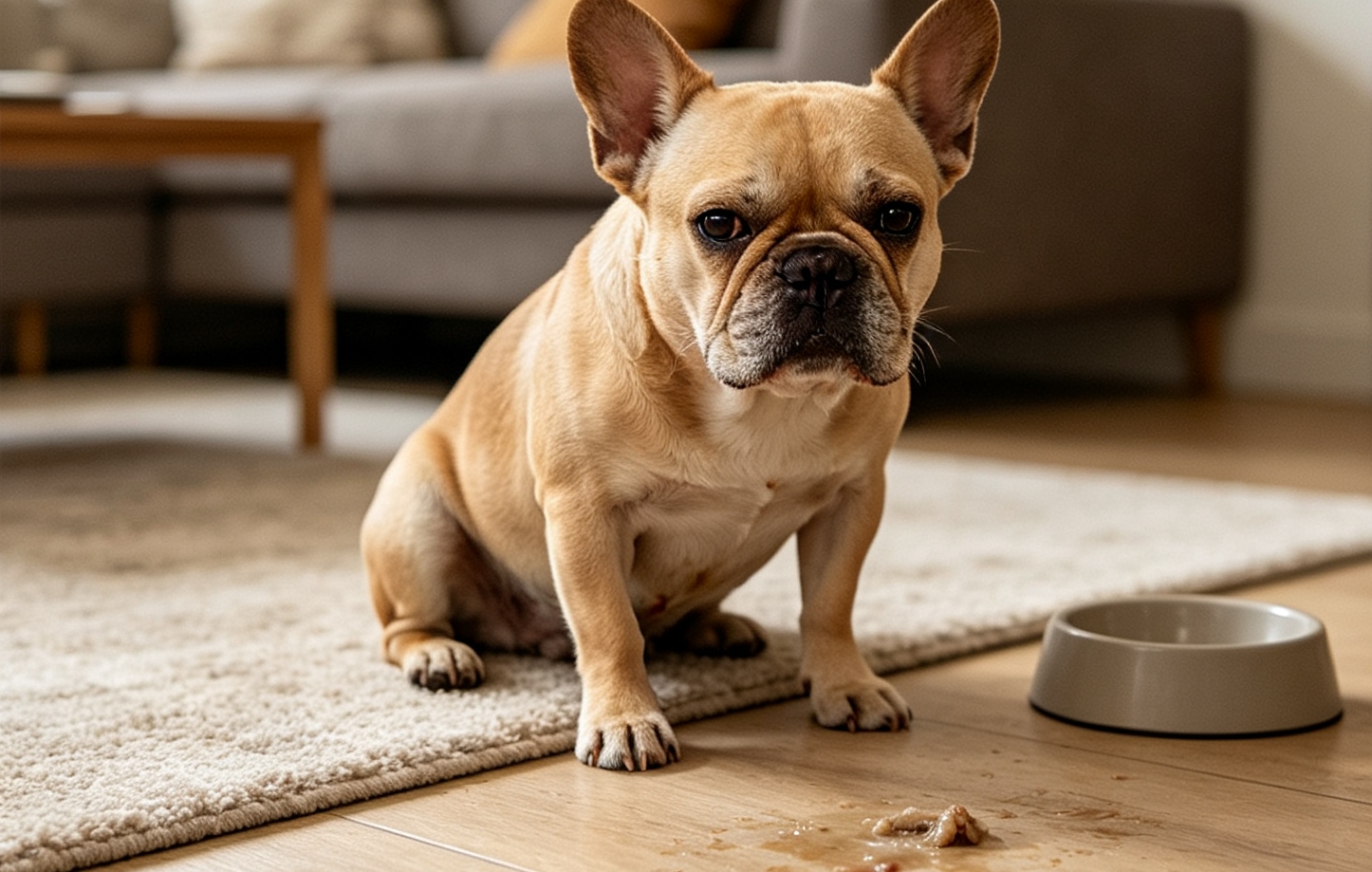
I clearly remember a client who brought his 8-month-old Frenchie Potato to my clinic last year. After finishing his puppy kibble, the owner immediately switched to a well-reviewed adult dog food with no transition period. By day two, Potato developed soft stool, progressing to full watery diarrhea paired with vomiting and extreme lethargy. Lab tests ruled out viral infection, confirming acute gastroenteritis caused by abrupt diet switching. Watching the pup’s weakened state and the owner’s panic made me realize most families need a simple, clear, actionable food transition roadmap.
Core Solution: Full Breakdown of The 7-Day Scientific Gradual Food Transition Formula
Given these digestive vulnerabilities, the safest and most effective method is a slow, gradual mixed food transition, granting the gut microbiome ample time to adapt. The 7-day formula below has been refined through extensive clinical practice and is perfectly tailored for sensitive breeds like French Bulldogs.
Days 1–2: 25% New Kibble + 75% Original Kibble
This is the trial phase, with new food limited to one quarter of the meal. Closely monitor appetite, stool consistency and energy levels. Stool should remain mostly firm, possibly slightly softer but never runny paste. Severe loose stool at this stage signals your Frenchie cannot tolerate a core ingredient in the new kibble (such as its primary meat protein); consider switching to a formula with an alternative protein source.
Days 3–4: 50% New Kibble + 50% Original Kibble
The adaptation phase, split evenly between old and new food. This is the critical window where gut bacteria reorganize to process unfamiliar nutrients. Mildly softened stool or increased flatulence is normal during this stage. You may begin adding vet-formulated pet probiotics to daily meals to support beneficial bacterial colonization for a smoother transition.
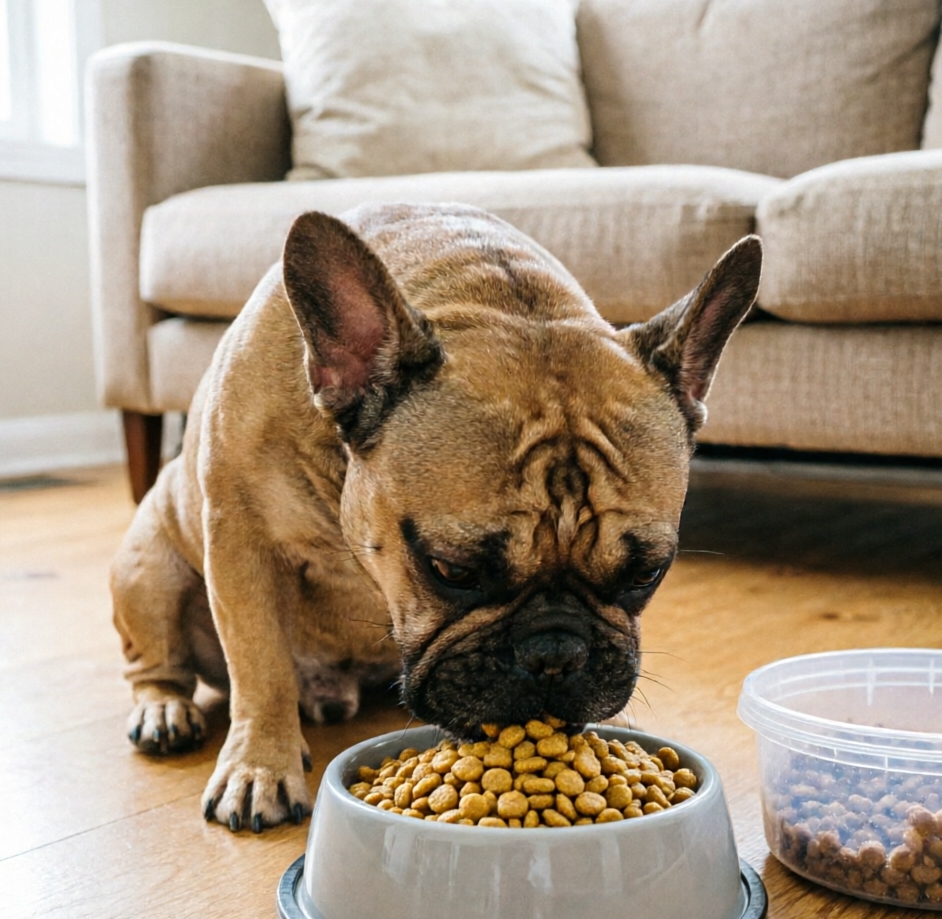
Days 5–6: 75% New Kibble + 25% Original Kibble
The consolidation phase, with new kibble as the primary diet. Stool should gradually return to a healthy state: yellowish-brown, solid and easy to pick up. If stool quality remains poor, extend this phase by 1–2 days instead of rushing forward to full transition.
Day 7: 100% New Kibble
Full diet replacement. If your Frenchie completes this week with consistent firm stool, congratulations—the food switch is largely successful! Continue close observation for an additional 1–2 days to confirm fully stable digestion.
Vet Practical Tip: For French Bulldogs with extremely delicate guts, I recommend an extended 10-day transition schedule, adding one extra day at each 25% / 50% / 75% mixing stage. I once guided a Frenchie mildly allergic to chicken through a switch from chicken-based kibble to salmon formula using this 10-day method. Paired with a one-week probiotic course starting on day three (when new kibble ratios increased), the entire transition was seamless with zero loose stool episodes.
3 Extra Steps To Support A Smooth Food Transition (Beyond The 7-Day Formula)
The mixing schedule provides the core framework; small supporting details determine overall success. Complete these three steps to minimize digestive stress.
1. Choose Compatible New Kibble: Prioritize Ingredient Profiles Over Brand Reputation
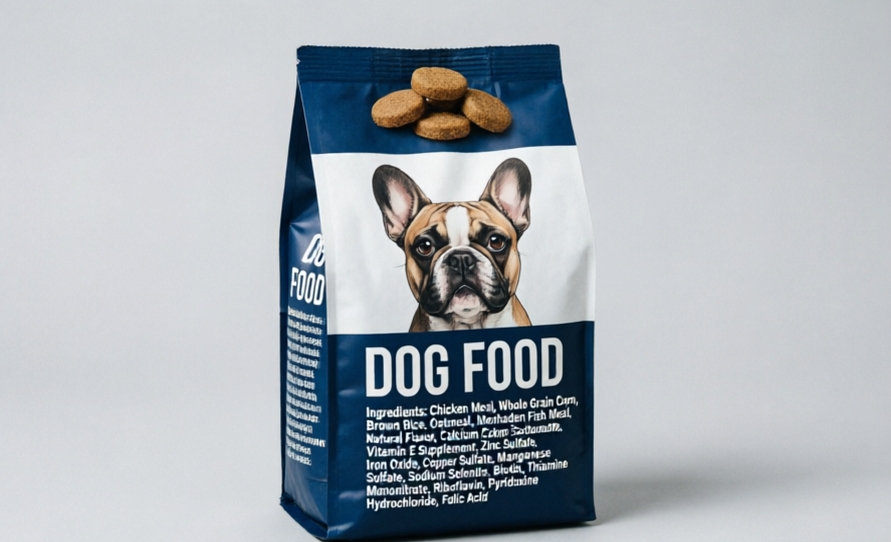
The number one rule when selecting new food for French Bulldogs: opt for formulas with a primary protein source matching your original kibble whenever possible. If your old food is chicken-based, select a chicken formula first. If you wish to rotate flavors, stick to low-allergy white meats like chicken, turkey and duck before experimenting with beef, lamb or exotic game proteins. Read ingredient labels thoroughly; the top three listed components should be identifiable whole meats, and avoid excessive unfamiliar additives your dog has never consumed.
2. Add Intestinal Support Supplements: Probiotics & Prebiotics
Supplementing probiotics during diet changes is like bringing in professional support for your dog’s gut. I advise starting probiotic administration 3 days before beginning the transition, continuing for a minimum of 3 full days after completing the switch. Select veterinary-grade pet probiotics with guaranteed live active strains. Many premium kibbles already include prebiotics (inulin, FOS fructooligosaccharides, etc.), which act as nutrient fuel for beneficial gut bacteria to sustain microbial balance.
3. Maintain Consistent Daily Routine: Minimize All Other External Variables
During food transitions, keep every other part of your dog’s daily life unchanged. Do not simultaneously swap treats or wet canned food; avoid strenuous exercise, major environmental shifts (boarding, long-distance travel), and full baths. Let your dog’s body focus its resources solely on adapting to the new kibble with no additional stressors.
Mistake Avoidance Checklist: Never Make These Common Diet Switch Errors!
Mistake 1: Waiting until old kibble runs out to purchase new food, skipping the gradual transition entirely. This is the most frequent cause of digestive distress. Start your transition plan while at least one-third of your original kibble remains.
Mistake 2: Frequently rotating kibble brands for variety. Dogs do not require constant flavor changes like humans. Frequent diet shifts continuously destabilize gut flora and lead to chronic sensitive digestion. Once you find a compatible formula, feed it consistently for a minimum of 3–6 months.
Mistake 3: Only monitor stool texture while ignoring appetite and energy levels. Vomiting, complete refusal to eat or severe lethargy during a transition signal far more serious issues than simple mild intolerance. Pause the diet switch immediately and consult your veterinarian.
Mistake 4: Replacing veterinary pet probiotics with human yogurt or over-the-counter anti-diarrhea medication.
Probiotic strains formulated for humans are not optimized for canine digestive tracts, and many human yogurts contain added sugars or xylitol toxic to dogs. Anti-diarrhea drugs must never be used without vet guidance—they mask underlying illness, slow intestinal peristalsis and trap harmful toxins inside the gut.
Summary
Managing food transitions for French Bulldogs requires patience and scientific planning, not rushed recklessness. Master the 7-day gradual mixing formula, understand its physiological rationale, and pair it with careful kibble selection and probiotic support to drastically reduce gastrointestinal risk. Healthy digestion is the foundation of a happy, active life for your French Bulldog—their gut wellbeing deserves your dedicated care and attention.
Important Reminder
The guidance shared in this article applies to routine food transitions for generally healthy French Bulldogs. Immediately discontinue the diet switch and visit a licensed animal hospital if your dog displays any of the following symptoms after following the 7-day gradual method:
1. Severe persistent vomiting or watery diarrhea lasting over 24 hours;
2. Blood streaked stool or black, tarry feces indicating upper gastrointestinal bleeding;
3. Complete refusal of food and water paired with extreme lethargy and abdominal pain (prayer stretching posture);
4. Visible dehydration signs (dry gum tissue, poor skin elasticity).
These symptoms may signal acute pancreatitis, bacterial enteritis or other life-threatening conditions requiring professional veterinary diagnosis and treatment. Show your love through timely, science-backed care for your French Bulldog.