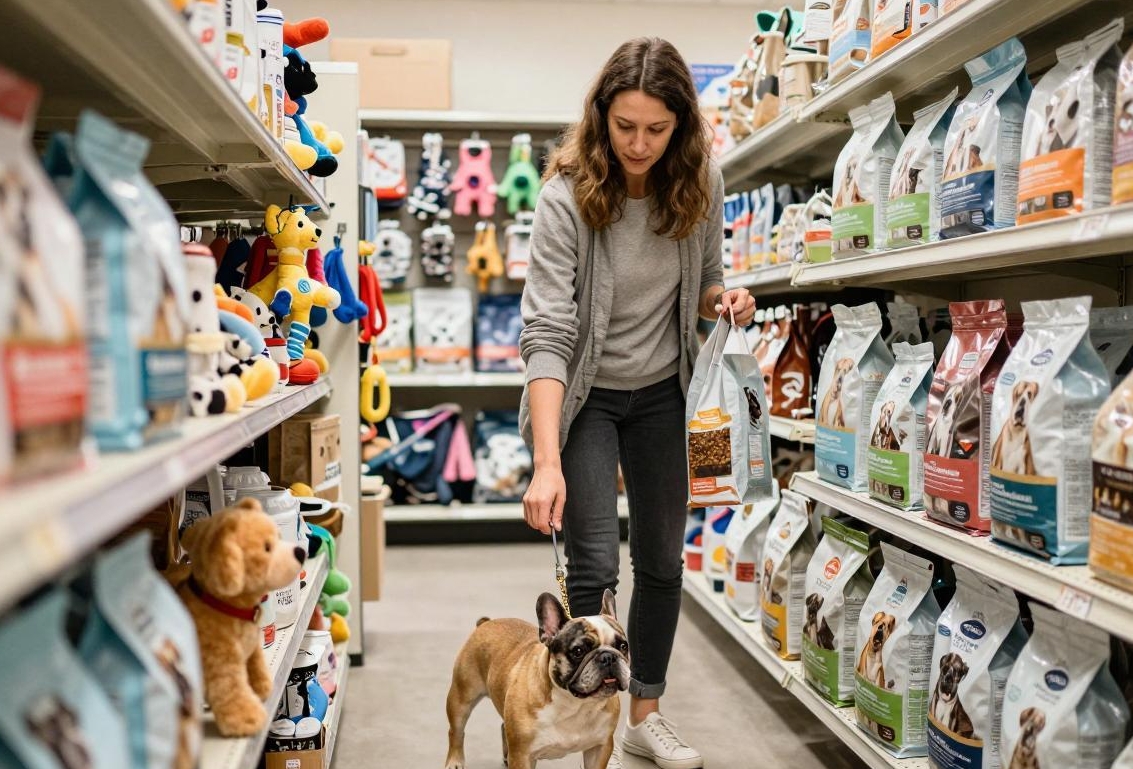
Dear French bulldog owners, hello everyone. Over the past ten years, I have worked with countless lovely French bulldogs: puppies, senior dogs, show champions and family companions alike. I have noticed one recurring, frustrating issue closely tied to their diet and overall health. Do you also struggle with these troubles: persistent skin sensitivity and frequent red rashes; stubborn tear stains that cannot be wiped away; an extremely sensitive gut prone to loose stools or diarrhoea after minor dietary changes; being underweight with visible ribs or severely obese putting massive strain on joints; and worrying bad breath plus dental disease. If you are nodding, today’s article may open new perspectives for you.
Many owners switch between countless kibble brands — extruded, baked, premium imported and emerging domestic formulas — yet symptoms keep returning, offering only temporary relief rather than root‑cause solutions. Very often the core problem lies in dietary structure itself. Commercial kibble undergoes high‑heat extrusion or heavy processing for long shelf‑life and shaping. This inevitably destroys heat‑sensitive nutrients vital to dogs, including certain vitamins, enzymes and natural protein structures. Meanwhile, palatability and cost considerations may lead to excessive carbohydrate (starch) content plus additives unnecessary for canine natural diets. French bulldogs carry genetic predispositions for fragile skin, short airways and joint issues, so they demand higher dietary purity and biological appropriateness.
The core philosophy behind the BARF diet (Biologically Appropriate Raw Food) follows one simple principle: mimic the ancestral wolf diet as closely as possible. Centred on raw meat, edible bones and organs with small portions of fruit and vegetables, it delivers highly recognisable, bio‑available nutrition. For French bulldogs, raw feeding may bring notable positive changes: healthier skin and coat (reduced allergens plus high‑quality fats), cleaner teeth and fresher breath (natural abrasion from raw bone chewing), smaller, well‑formed faeces (high digestibility), stable energy levels and lean, firm muscle mass (supported by premium animal protein). That said, raw food is no miracle cure. It requires owners to invest learning, time and effort, and must be properly balanced; otherwise new health risks may emerge.
Theory into Practice: Three Practical Beginner Raw‑Food Plans
I understand many owners see raw feeding as complicated, troublesome and hard to balance. Take it step‑by‑step. Drawing from experience advising numerous French‑bulldog households, I have summarised three entry‑level approaches for you to pick based on your readiness and your dog’s condition.
Plan 1: Gentle Introduction — “Weekend Supplement Meal” Method
If you are completely new to raw feeding or your dog has an extremely sensitive gut, avoid immediately replacing staple kibble. This is your safest starting point. Do not swap out kibble all at once. Instead substitute one regular kibble meal with raw food on 1‑2 days each week.
Real‑world case: I once worked with a French bulldog named Tank with an extremely fragile gut whose owner had tried nearly every hypoallergenic kibble. I recommended starting with weekend supplement meals. We began with one small piece (~20 g) of frozen (pathogen‑reduced) chicken breast and monitored stools. Tank adapted well. In week two we added crushed chicken cartilage for calcium and chondroitin. One month later the supplement meal evolved into ground meat consisting of 85 % chicken breast, 10 % chicken heart and 5 % chicken liver, plus a spoonful of pumpkin purée to aid digestion. After three months Tank had far fewer loose‑stool episodes and his coat gained extra shine. Key rules for this method: start with a single protein source, feed tiny portions, closely observe faecal output, gradually expand ingredient variety and complexity. This lets the digestive system acclimate slowly while building owner confidence.
Plan 2: Classic Ratio — Simplified 80‑10‑10 Formula
Once you and your dog are comfortable with raw food, move toward more balanced ratios. A classic beginner model is 80‑10‑5‑5: 80 % muscle tissue (heart, stomach etc.), 10 % edible bone, 5 % liver, 5 % other secretory organs (kidney, spleen). For new feeders I suggest the more manageable simplified 80‑10‑10: 80 % pure muscle meat (beef knuckle, duck breast, rabbit meat), 10 % liver (chicken liver, beef liver), 10 % fruit and vegetables (broccoli, spinach, blueberries, apples, chopped or steamed). Eggshell powder or commercial calcium carbonate powder can substitute raw bones to eliminate choking risks for puppies or poor bone‑chewers.
Practical example: A 10 kg adult French bulldog needs roughly 200 g total food daily. Prepare 160 g diced beef knuckle, 20 g chicken liver, 20 g steamed, finely chopped broccoli‑carrot mix. Combine all ingredients, portion and freeze; fully thaw before serving. This setup supplies baseline protein, vitamin A (from liver) and dietary fibre with a straightforward workflow. Rotate meat sources at least every two weeks (e.g. beef one week, duck the next) for nutritional diversity and lower risk of long‑term food intolerance.
Plan 3: Advanced Complete — Transition with Pre‑Balanced Commercial Raw Patties
If you support raw‑feeding principles yet find sourcing, portioning and balancing homemade meals too time‑consuming, or worry about nutritional gaps, reputable commercial raw or cold‑chilled pre‑formulated meals designed by qualified pet nutritionists with transparent ingredient panels serve as an excellent compromise. These products are pre‑balanced with meat, bone, organs and required supplements such as Omega‑3 and vitamin E.
My advice: Always inspect ingredient lists; prioritise grain‑free, gum‑free formulas with no unnecessary additives. Start with small trial packs. Follow gradual transition rules over 7‑10 days: slowly increase raw portions while decreasing old food. This lowers operational barriers for busy pet owners while delivering relatively complete nutrition. Multiple French‑bulldog owners I advised reported high palatability alongside noticeable improvements in stool quality and skin health.
Pitfall‑Avoidance Guide: Critical Raw‑Feeding Risks You Must Know
While raw feeding offers benefits, significant hazards exist. Below are key warnings summarised from real clinical cases:
1. Bacterial and parasite hazards: This is the top concern. Purchase human‑grade refrigerated / frozen raw meat from reliable, regulated suppliers. Avoid meat of unknown origin. Separate raw‑food preparation surfaces and utensils; use dedicated cutting boards and knives. Sanitise food bowls after meals. Maintain regular parasite prevention under veterinary guidance.
2. Nutritional imbalance: Long‑term feeding of only one protein such as chicken breast causes severe malnutrition, more harmful than low‑quality kibble. Stick to ingredient diversity: rotate red meat, white meat and fish, and maintain required percentages of liver and other organs. For long‑term homemade diets consult a pet nutritionist or use nutritional‑analysis software; add targeted supplements (B‑complex vitamins, potassium iodide, manganese and other trace minerals) as needed.
3. Improper bone handling: Never feed cooked bones. Cooked bones turn brittle and may splinter into sharp shards causing laceration or perforation of the digestive tract. Only feed appropriately‑sized raw weight‑bearing bones (duck necks, chicken wings, beef ribs). For fast‑gulping French bulldogs, start with crushed bone‑meal or cartilage, supervise chewing and encourage slower eating habits.
4. Transition‑phase diarrhoea: Too‑rapid dietary shift is the most common trigger for diarrhoea. Allow at least 7‑10 days for gut adaptation. If mild loose stools appear, revert to the prior step, slow transition speed, and add probiotics plus pumpkin purée.
5. Respect individual differences: Raw feeding is not suitable for every dog. Dogs suffering from severe pancreatitis, liver‑kidney failure, immune‑mediated disease or receiving immunosuppressive medication require close veterinary oversight before starting raw food. Extra caution applies for senior dogs.
Summary: A Responsible Journey Toward Healthier Canine Nutrition
Choosing raw feeding for your French bulldog is not a trend‑chasing exercise; it is a responsible health‑management journey demanding ongoing learning, careful observation and commitment. Its core advantage lies in highly bio‑available nutrition, avoidance of processing‑derived harmful compounds, and targeted dietary adjustments for French‑bulldog‑specific concerns including skin, joint and weight issues. Start with weekend supplement meals, learn basic balancing principles, or leverage trusted commercial products; treat every step patiently. Remember no single diet works universally for every dog. The optimal feeding plan for your French bulldog comes from understanding benefits and risks, and observing individual responses: energy levels, faeces, skin condition and body weight. All your effort will feel rewarding when you see your dog thrive with fewer skin complaints and a leaner, stronger physique.
Important Reminder
This article provides educational raw‑feeding information and shared practical experience and cannot replace professional veterinary diagnosis or advice. Before implementing major dietary changes for your French bulldog — especially if pre‑existing health conditions exist such as chronic diarrhoea, vomiting, history of pancreatitis or abnormal liver‑kidney lab results — strongly consult your veterinarian first and complete necessary health screening. During raw‑food feeding, immediately discontinue raw meals and seek urgent veterinary care if you observe persistent vomiting, bloody diarrhoea, lethargy or complete loss of appetite. Love for your dog means science‑backed, responsible care.