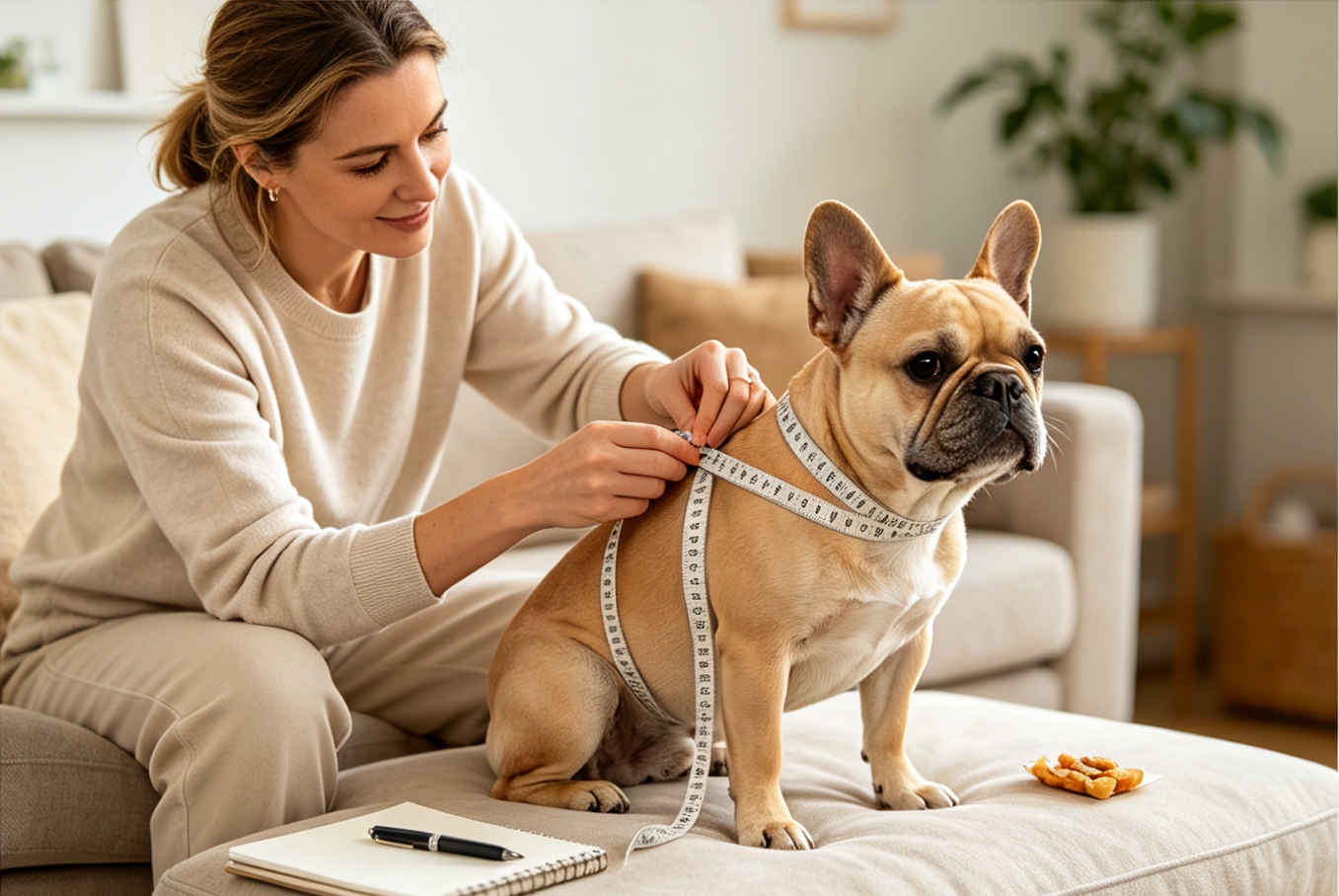
Recently, I met a worried French Bulldog owner named Lily. She carried her beloved two-year-old female Frenchie Pudding into the clinic and said anxiously: “Doc, Pudding has become extremely irritable lately. There are blood stains all over the carpet at home. Taking her out feels like going into battle as male dogs keep crowding around her. I’m at my wits’ end. What should I do?” Watching her flustered expression reminded me of myself ten years ago when I first owned a female dog. Don’t worry, Lily, and all French Bulldog parents watching this. Caring for a female dog in heat, especially a breed with distinct personalities and unique physical structure like the French Bulldog, truly requires patience and knowledge. Today, working both as a veterinarian and dog trainer with ten years of experience, I will systematically talk about how to calmly and scientifically care for your female French Bulldog during her estrus.
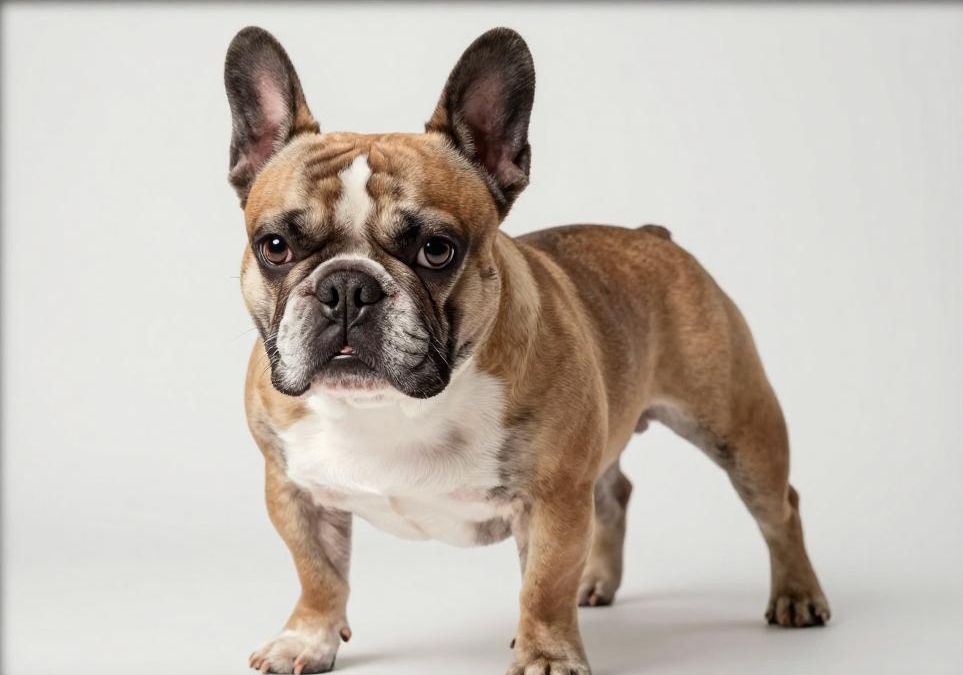
Understanding Her Special Phase: Key Causes & Signs of Heat in French Bulldogs
First of all, we need to understand that estrus (also known as the heat cycle) is a normal physiological cycle for healthy female dogs, occurring roughly every 6–8 months and lasting about 2–3 weeks each time. It is far more than simply vaginal bleeding; it involves a series of physical and behavioural shifts driven by dramatic hormonal fluctuations, mainly estrogen and progesterone.
For French Bulldogs, this phase brings several characteristics requiring extra attention:
1. Noticeable Behavioural Shifts: You may find your normally gentle, affectionate Frenchie becomes restless, barks more frequently, struggles to focus, or on the contrary, grows excessively clingy. This is a direct result of hormone fluctuations affecting the nervous system. I clearly recall a Frenchie named Doubao, normally an independent cool girl. While in heat, she refused to leave her owner’s side and even waited outside the bathroom door whenever her owner went inside, seeking a sense of security.
2. Attracting Males & Vaginal Discharge: During ovulation in mid-heat, female dogs release pheromones that exert a powerful attraction on male dogs. Meanwhile, the vulva swells and bloody discharge appears. French Bulldogs are small in stature, making them easy targets for other dogs. Their naturally folded skin also means improper cleaning of secretions can easily trigger local skin inflammation.
3. Fluctuations in Appetite & Energy: Some dogs lose their appetite, while others eat more. They may appear slightly fatigued. As brachycephalic flat-faced dogs with short airways, French Bulldogs need extra monitoring of their breathing when emotionally aroused during heat to avoid breathing difficulties caused by overexcitement.
With these root causes understood, we can deliver targeted care. Below I share five practical solutions refined over years of clinical practice.
Five Core Solutions: Thoughtful Care for Your Frenchie Princess in Heat
Solution 1: Environmental Management & Hygiene Protection — Create a Safe, Clean Private Space
This forms the foundation of care and is critical for preventing unintended pregnancy and infections.
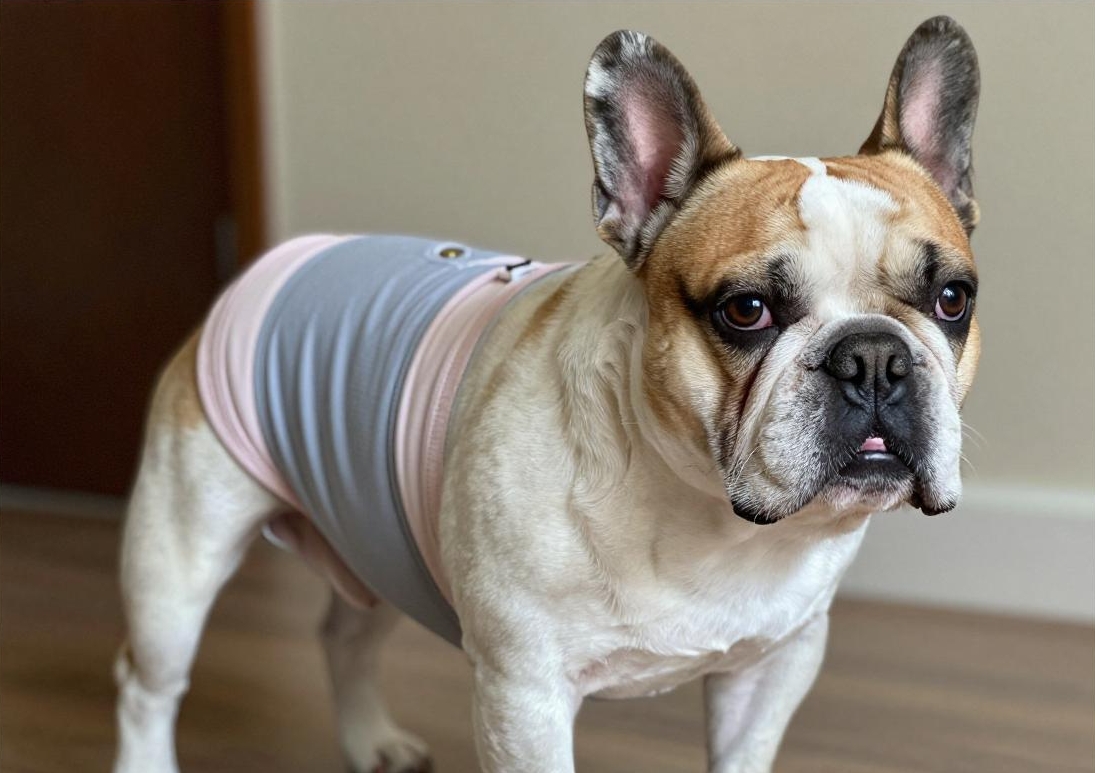
My Experience & Practical Steps: I strongly recommend high-quality dog-specific heat pants. One vital detail: choose well-fitted, breathable styles and change them frequently. I once consulted an owner who put overly tight heat pants on her Frenchie and left them on for hours, resulting in skin rashes in the groin area from trapped moisture. My advice:
1. Correct Fitting: Heat pants should fit snugly without pinching; leave a finger’s width of space. Cut regular human sanitary pads to size and attach them inside the lining to absorb discharge.
2. Frequent Changes & Washing: Replace sanitary pads every 2–4 hours, and switch into clean heat pants at least once daily. During changes, gently wipe the vulva and surrounding skin with a warm damp cloth, especially all skin folds on French Bulldogs. Ensure the area is completely dry before putting on new pants.
3. Home Layout: Designate an easily cleaned resting area indoors, lined with old towels or dog pee pads. Discourage her from jumping onto sofas or beds to avoid staining household furnishings.
4. Strict Leash Control Outdoors: Always use a sturdy harness and leash for walks, never let her off-leash! Choose times and routes with few people and dogs. I usually recommend quick potty trips rather than leisurely walks.
Solution 2: Mood Calming & Behaviour Guidance — Be Her Reliable Source of Stability
Hormone fluctuations are not her fault; your calm demeanour acts as her best tranquilliser.
My Experience & Practical Steps: Do not scold her for irritability, as this will only increase stress. Instead:
1. More Gentle Quiet Interaction: Spend extra time on soft petting and brushing, which effectively eases tension. You can also practise simple, low-intensity obedience training indoors such as “Sit” and “Stay”, rewarding her with treats. This diverts her attention and strengthens mutual trust.
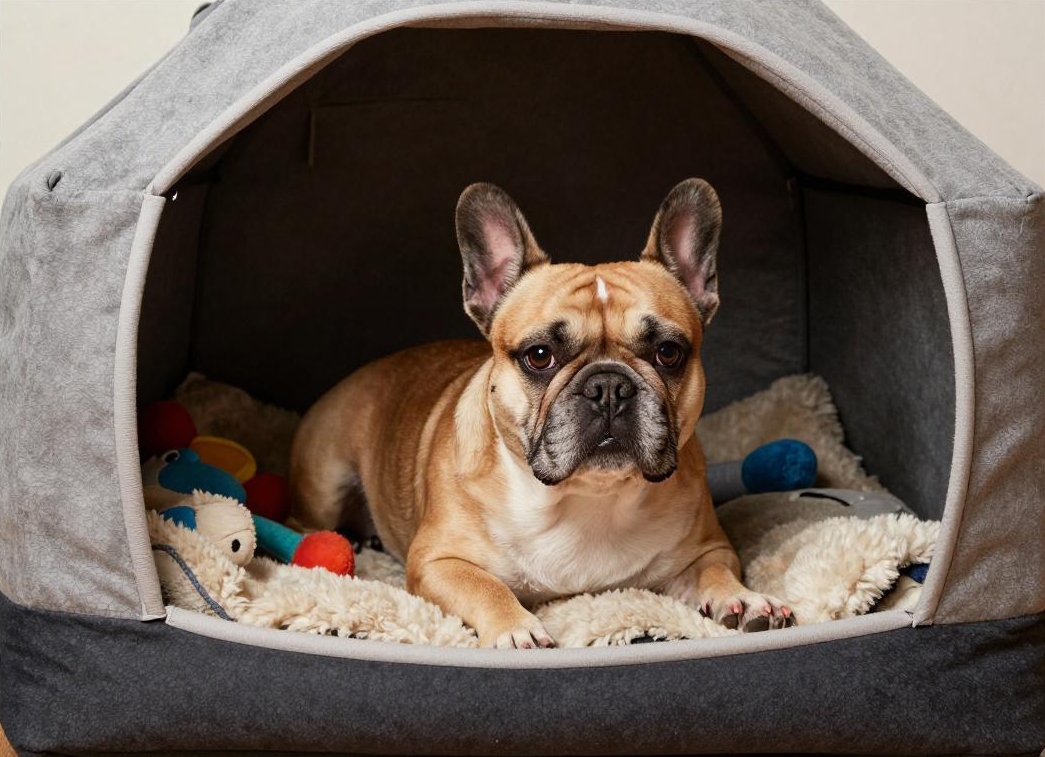
2. Offer a Secure Retreat: Provide a quiet, comfortable semi-enclosed bed such as a travel crate or covered dog bed, furnished with familiar blankets and toys. Let her know this is a safe haven where she can fully relax.
3. Calming Pheromone Support: You may consider a canine calming pheromone diffuser such as Adaptil. These products mimic the reassuring pheromones released by mother dogs after whelping and offer auxiliary benefits for reducing anxiety in some dogs.
Solution 3: Dietary & Nutritional Adjustment — Gentle Nourishment to Maintain Balance
Dogs expend extra energy during heat, yet their digestive tracts may grow more sensitive.
My Experience & Practical Steps: There is no need for sudden food switches or excessive supplementation. The core principle is high digestibility, balanced nutrition, moderate additions.
1. Keep Staple Diet Unchanged: Stick to her usual premium kibble; abrupt food transitions easily trigger digestive upset.
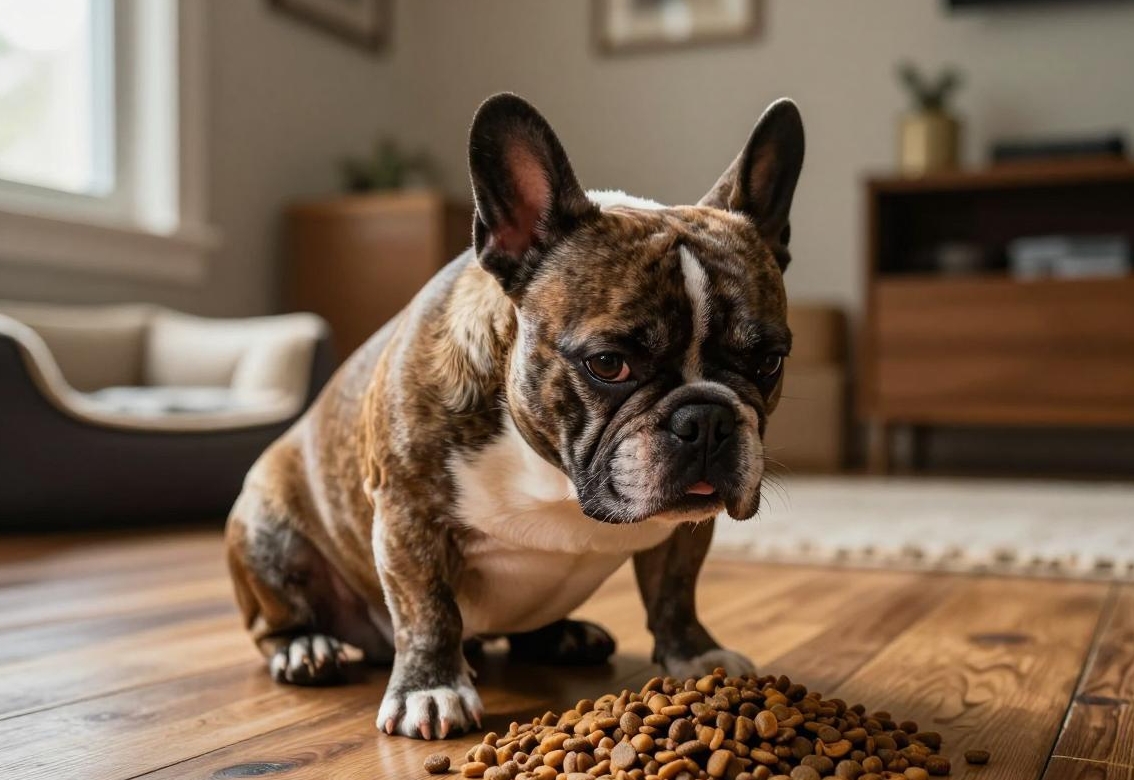
2. Split Meals Into Smaller Portions: Divide daily rations into 3–4 servings if appetite drops. One Frenchie I cared for, Niuniu, lost interest in food during heat. I softened kibble with warm water and mixed in a teaspoon (roughly 5g) of unsweetened yoghurt or a tiny amount of pumpkin puree, which successfully boosted her appetite.
3. Ample Water & Micronutrients: Ensure constant access to clean fresh water. You can moderately add vitamins supporting skin and mucous membrane health such as B-complex vitamins and Vitamin E, ideally under veterinary guidance or via trusted all-round nutritional supplements.
4. Avoid Cold & Irritating Food: Do not feed ice water, ice cream or overly fatty treats during this period.
Solution 4: Mild Exercise & Social Isolation — Conserve Energy & Prevent Conflict
Rest is important during heat, though complete inactivity is unnecessary.
My Experience & Practical Steps:
1. Adjust Activity Style: Swap vigorous running and fetch games for gentle indoor scent work (hide treats for her to find) or short, slow outdoor walks. Prioritise mental stimulation over physical exhaustion.
2. Strict Social Separation: Pause dog playdates, daycare and close contact with other dogs, especially intact males. This not only prevents mating but also avoids fights sparked by heightened emotional sensitivity. I once handled a case where two female dogs suddenly attacked each other when one was in heat due to volatile moods, offering a valuable lesson.
3. Monitor French Bulldog Breathing: Watch her closely during activity. Immediately stop exercise and let her rest calmly if you spot rapid panting or darker purplish tongue colour.
Solution 5: Logging & Observation — Lay Foundations for Long-Term Health Management
Writing things down beats relying on memory; detailed records are extremely valuable.
My Experience & Practical Steps: Keep a notebook or mobile memo to record the following details:
1. Cycle Log: Start date of this heat (first appearance of bloody discharge), shifts in discharge colour and volume, vulva swelling level, specific behavioural abnormalities, and end date.
2. Flag Abnormal Signs: Watch carefully for warning signals: foul-smelling discharge, pus-like yellow-green discharge, abnormally heavy bleeding, extreme lethargy, complete loss of appetite lasting over 24 hours, and persistent licking of the vulva leading to swelling and skin breaks.
This record not only helps you predict and prepare for future heat cycles, it also delivers invaluable diagnostic information for your vet if your dog later develops reproductive disorders such as pyometra.
Mistake Avoidance Guide: Steer Clear of These Common Errors
Based on cases I have encountered, I want to highlight these frequent pitfalls:
1. Belief in cotton swab methods or hormonal suppression: Never attempt to artificially terminate heat using cotton swabs. This drastically raises risks of infection, pseudopregnancy, and even life-threatening pyometra. Do not purchase human contraceptive pills or so-called “heat-suppressant” supplements for self-administration; their dosages and ingredients pose severe dangers to dogs.
2. Excessive or Improper Bathing: Bathing is permitted during heat, but keep her warm afterwards and never allow soaking baths. Dirty water can flow back into the relaxed cervix and trigger infection. A quick warm shower is recommended, followed by immediate thorough drying all over, especially within skin folds.
3. Overlooking Intact Males In-House: If you own an unneutered male dog at home, strict physical separation into separate rooms is mandatory while the female is in heat — even if they grew up together. Hormonal drives override regular social bonds.
4. Relying Simply On Supervision: Do not assume nothing will happen as long as you are watching. Mating between male and female dogs can happen within seconds; a brief lapse in leash control may lead to unintended pregnancy.
Summary: Love & Responsibility Through This Special Period
Caring for a female French Bulldog in heat tests an owner’s patience and attentiveness equally. It requires you to be more than just someone who provides food and shelter — you must become an observant, calming, scientifically informed caregiver. By properly managing home hygiene, soothing her mood, adjusting diet, moderating exercise and tracking health observations, you can help your female Frenchie navigate this phase smoothly and comfortably. Every successfully completed cycle deepens the understanding and trust shared between you.
Important Reminder
Please bear in mind all guidance in this article applies to routine care for generally healthy dogs. Stop home care and contact your vet or visit a professional animal hospital right away if you notice any worrying abnormalities: foul discharge, excessive bleeding heavier than a normal heat cycle, unusual abdominal distension, lethargy, persistent vomiting, full refusal of food, elevated body temperature. These may indicate serious conditions including pyometra and reproductive tract infections. Timely professional veterinary intervention is critical to safeguard your dog’s life. Your vigilance and decisive action form the best protection for her wellbeing.