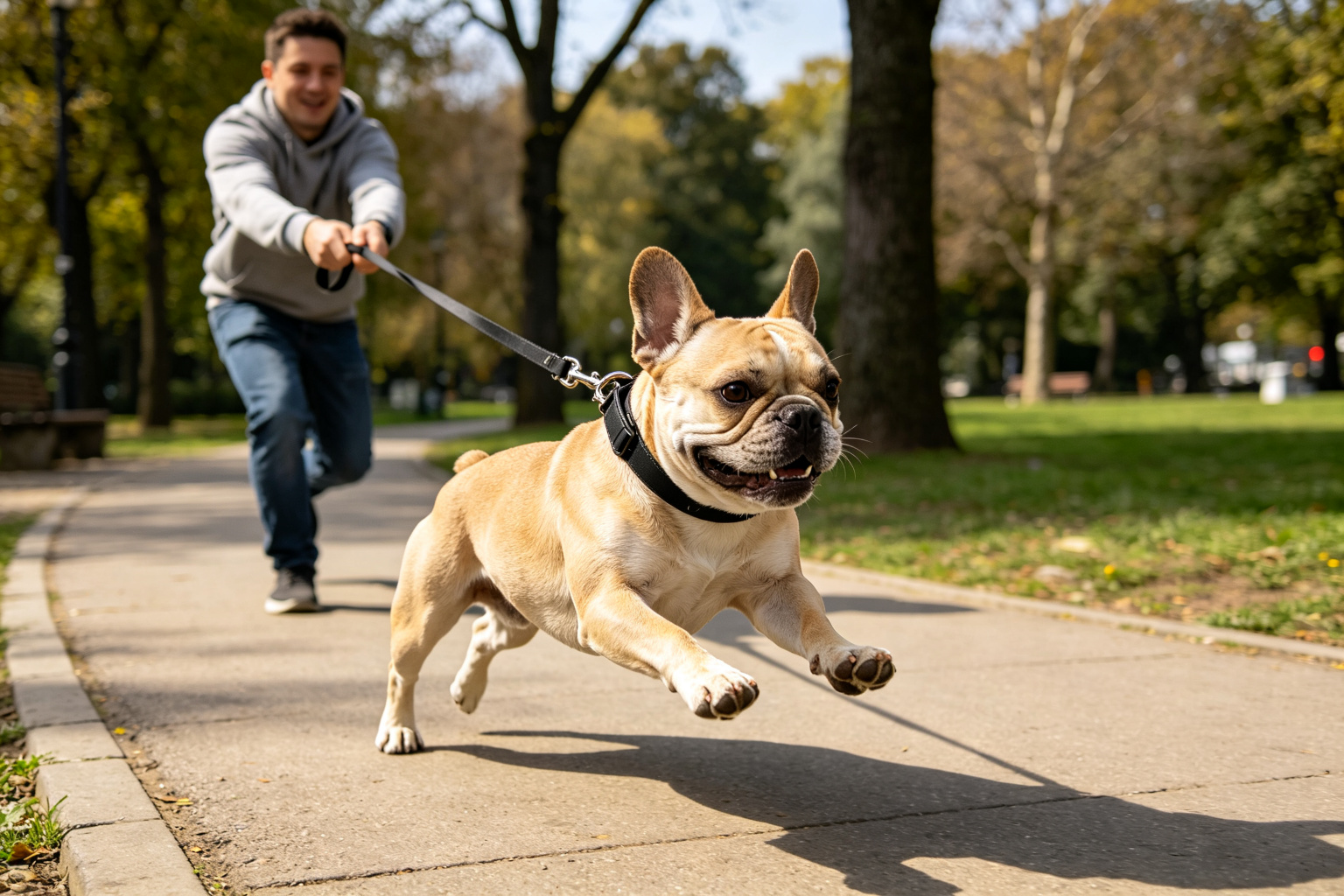
Dear fellow French bulldog owners. Over more than ten years of pet behaviour consulting and dog training, I have assisted countless owners struggling with one common issue: their beloved French bulldog bolts out or bursts indoors like a tiny cannon whenever entering or exiting the house. This behaviour is professionally referred to as lunging or door‑excitement syndrome. It may catch you off‑balance and make you stumble, and carries serious safety risks: collisions with children or elderly people, runaway incidents, or even darting straight into traffic. Today we dive deep into this topic and share proven, practical training techniques.
Why Do Well‑Behaved French Bulldogs Turn Into “Door Rockets”?
Before fixing the problem, we need to understand the motives behind this behaviour. Lunging is not malicious; it stems from a mix of instincts and emotional impulses:
1. Over‑excitement and anticipation: For dogs, the cue “going outside” promises walks, exploration and social interaction. Long‑term conditioned reflexes make self‑control difficult. Similarly, “coming home” means safety, food and rest. These intense emotional surges are the main driver of door‑lunging.
2. Unclear hierarchy understanding: Within canine social rules, the pack leader decides when and where movement begins. If the dog consistently rushes through doors first, it subconsciously views itself as the leader, which undermines healthy obedience dynamics.
3. Exploration and marking instincts: The outdoors is full of scent signals left by other animals. The urge to go out to mark territory and gather information comes naturally to dogs.
4. Accidental historical reinforcement: Every successful lunge through a doorway grants the dog exactly what it wants — freedom or access back indoors. This acts as powerful unintended positive reinforcement that strengthens the lunging habit.
With these points understood, we see training is not about suppression, but about guidance and establishing new, safer routines.
Build Safe Door Manners: Three‑Core‑Step Training Method
The following approach combines behaviour modification and positive reinforcement and requires patience and consistent execution. Remember: our training goal is calmness, not forced suppression.
Solution 1: Establish a “Threshold Ritual” to Rewrite Door‑Exit Routines
This forms the foundation of all training. The objective is to break the old association “door opens = bolt” and install the new association “door opens = wait for cue”.
My real‑world experience: I worked with a 2‑year‑old French bulldog named “Potato” with extremely powerful door‑lunging impulses. My first step was completely reworking his exit routine. Instead of walking straight toward the door, I started training two to three metres away in the living room.
Step‑by‑step procedure:
1. Attach leash early: Ten minutes before you plan to head outside, calmly clip on the leash. Let the dog move freely while wearing it to weaken the link “leash goes on = immediately go out”.
2. Call for focus: Walk to the doorway but do not touch the doorknob. Stand quietly and wait for the dog to shift its attention away from the door and toward you. The instant it glances at you, even for one second, praise calmly with “good” and deliver a tiny treat.
3. Introduce “sit” or “wait” cue: Once it can linger beside you, give the “sit” command. Reward instantly upon sitting. Repeat many times until it can hold a stable sit inside near the door.
4. Door‑opening challenge: While it holds a solid sit, slowly reach for the doorknob. If it stands and tries to lunge, stop all movement, pull your hand back and return to waiting mode until it sits reliably again. Crack the door open only a small gap; reward if it maintains its sit. Gradually swing the door wider while continuously rewarding its calm waiting.
5. Release cue: Finally, use a clear release word such as “let’s go” or “OK” to invite it to walk out together at a relaxed pace. Emphasize walking, not bolting.
At first this whole sequence may take 5‑10 minutes; stay patient. With one week of consistent practice you will observe obvious improvements.
Solution 2: Smart Tools & Physical Management to Control Impulse Moments
Environmental management is critical in early‑stage training and prevents unwanted behaviour from occurring in the first place.
My real‑world experience: Before Potato mastered reliable waiting, I applied two simple physical‑management tricks to contain his impulses.
Step‑by‑step procedure:
1. Shorten the leash: While passing through doorways, shorten the leash so the dog stays tight alongside your leg. This eliminates running start room and reduces acceleration for lunging.
2. Use your body as a barrier: When opening the door, position your body to partially block the opening as a living physical barrier. Step outside first then invite the dog out, or let it pass between your legs. This communicates the leadership signal: I go first.
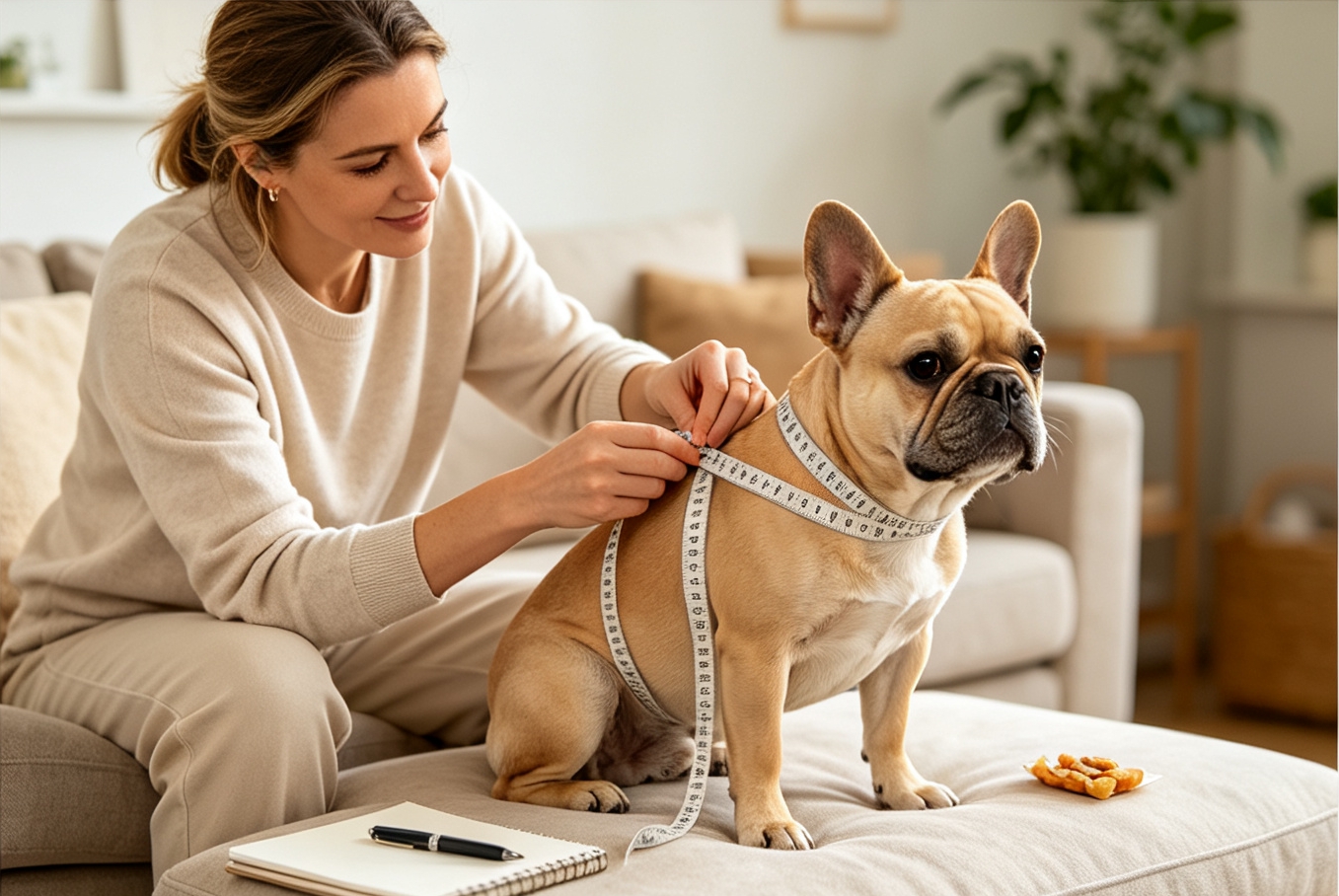
3. Consider a front‑clip harness: For dogs with severe lunging, select a front‑clip harness (slip leads or martingale collars should only be used under professional guidance). When the dog surges forward, the front‑clip harness applies gentle sideways chest tension and naturally turns its body back toward you, blunting forward momentum. Bear in mind this is only an auxiliary training tool and cannot replace actual behavioural work.
Solution 3: Reinforce Calm Home‑Entry to Complete the Behaviour Loop
Training for coming indoors is equally important and solidifies the rule “stay calm at doorways”.
Step‑by‑step procedure:
1. Arrive back at your front door and repeat the waiting ritual. Give the “sit” or “wait” cue.
2. After opening the door, you step inside first then turn and invite the dog in. If it lunges inward, gently guide it back outside and restart the sequence.
3. Once indoors, avoid overly‑excited greetings or immediate feeding. Calmly remove the leash and take off your outerwear. Wait several minutes before interacting. This prevents the dog from linking “bolting inside” with instant attention or food rewards.
Pitfall‑Avoidance Guide: Avoid These Common Mistakes
Unintentional missteps can undo all your training progress:
1. Emotional contagion: If you sound hurried or tense because you are running late, your dog will pick up on your stress and grow more excited. Keep your tone and movements steady and calm.
2. Punishing mistakes during waiting: When the dog breaks its wait and tries to surge forward, shouting or yanking the leash only increases anxiety and confusion. The better approach is to silently pause the process — close the door or pull back your hand — so the dog learns “moving = training stops”.
3. Lack of consistency: Training one day then slipping back to old habits the next; or inconsistent household rules where some family members enforce waiting and others ignore it. This confuses the dog and guarantees training failure. Unified household rules are essential.
4. Advancing difficulty too fast: Do not move straight to high‑distraction hallways or building entrances just because the dog can wait calmly inside a quiet room. Progress gradually; start in zero‑distraction environments and slowly add distractions over time.
Summary: Patience Paves the Road to Success
Correcting French bulldog door‑lunging is fundamentally an exercise in patience and leadership. It tests the owner’s wisdom and persistence far more than the dog. By setting clear threshold rituals, applying sensible management skills and consistently rewarding calm responses, you eliminate safety hazards from door‑darting and build a deep bond of trust and respect with your dog. Remember: every calm, successful entry or exit marks a small positive step forward for your human‑canine relationship.
Important Reminder
The methods described apply to most lunging driven by excitement and learned habit. If alongside door‑darting your French bulldog shows severe anxiety, fear of going outdoors, strong aggression triggered by specific sights or sounds, or you see zero improvement after more than one month of consistent training, this may go beyond simple behavioural habits. Seek timely advice from a professional pet behaviourist or veterinarian to rule out underlying medical conditions (hypothyroidism can alter behaviour) and follow expert guidance for structured behaviour modification. Love your dog by seeking the most scientific, safest possible support.