Hi, I’m Lao Chen, a veterinarian with over ten‑years of experience working in pet hospitals and breeding facilities. Over the years I have treated and advised countless pregnant French bulldogs and witnessed many unfortunate outcomes caused by improper nutrition. Today I would like to talk with you as a friend about how well‑balanced scientific nutrition can carry your pregnant French bulldog safely through this special period and welcome a litter of healthy puppies.
Why Does Pregnancy Nutrition Require Extra Attention for French Bulldogs?
It troubles me whenever owners bring in exhausted French bulldog mothers after whelping, or litters with poor development and low survival rates. This lovely, good‑natured breed faces more gestational challenges than many other dog breeds. Their relatively narrow pelvic structure raises dystocia risk; their naturally short respiratory tract puts heavy cardio‑pulmonary strain on them in late pregnancy; nutrient absorption and metabolism also follow breed‑specific patterns. Out of affection, many owners over‑supplement their dogs once pregnancy begins. This backfires, causing oversized foetuses, maternal obesity, gestational toxaemia and even difficult labour. One memorable case: an owner fed large amounts of meat and nutritional paste daily to his pregnant French bulldog. The bitch developed severe hyperglycaemia and obesity in late gestation, requiring emergency caesarean section. Puppies had low survival rates due to excessive birth weight. That case drove home how urgently scientific gestational‑nutrition knowledge needs to be shared.
Core Nutrition Principles for Pregnant French Bulldogs: Precision, Phase‑Based Adjustment, High‑Quality Inputs
Gestation in French bulldogs lasts roughly 63 days (range 58‑68 days is normal). One‑size‑fits‑all feeding will not work. Nutritional requirements shift dynamically and must align with foetal developmental stages. The priority lies in offering high‑digestibility, energy‑dense, nutritionally balanced food so consumed nutrients are efficiently utilised by mother and foetuses instead of being stored as excess fat.
Solution 1: Phase‑Tune Diet Composition And Feeding Frequency
This is what I emphasise most frequently to owners and delivers strong practical value.
- Early pregnancy (Week 1‑4): Foetal growth remains slow; no increase in food volume is needed. Extra kibble will only make the mother gain unnecessary weight. Continue premium‑grade adult dog food at original portions. My practical tip: you may raise daily rations by roughly 10‑15 % after Week 3, yet always monitor body condition. Ribs should be covered by a thin fat layer and still be easily palpable.
- Mid‑pregnancy (Week 5‑7): Foetuses enter rapid‑growth phase and nutritional demands rise sharply. Starting at Week 5, gradually transition onto high‑quality puppy food or gestation‑lactation‑formula kibble with higher protein and energy levels. Feeding volume can reach 1.3‑1.5 × pre‑pregnancy intake. I recommend small‑and‑frequent meals: shift from two daily servings to three or four. This eases stomach compression from the expanding uterus and prevents discomfort or vomiting after large single meals. I once coached an owner whose pregnant French bulldog consistently vomited yellow bile in afternoons. Splitting into four smaller daily meals fully resolved the symptoms.
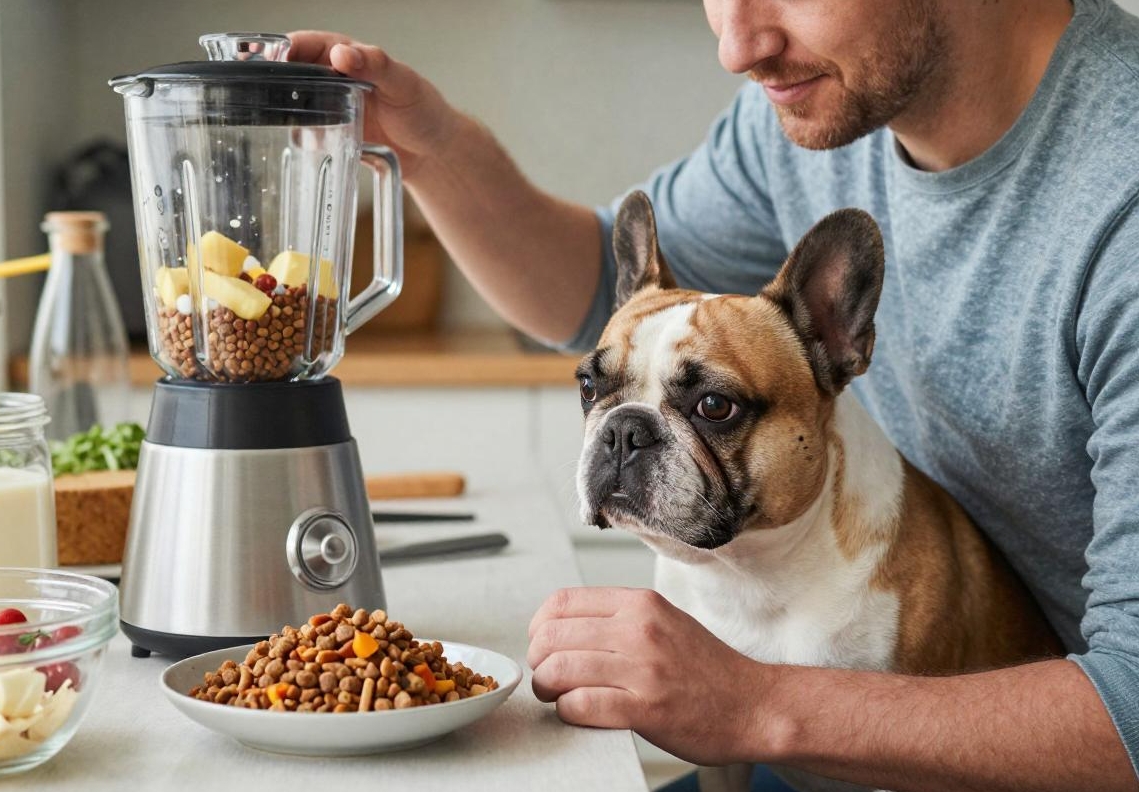
- Late pregnancy & pre‑whelping (Week 8 until delivery): The uterus occupies nearly all abdominal space and stomach capacity becomes severely restricted. Serve high‑energy, highly digestible food. Soak premium puppy kibble with warm water into soft paste or offer veterinary‑formulated gestational canned food. Feed 4‑6 times per day even if each serving intake is small. Meals should be lukewarm and aromatic. Appetite drop or even food refusal 24‑48 hours before labour is normal; never force‑feed.
Solution 2: Carefully Select And Combine Core Ingredients
Beyond staple kibble, appropriate supplementary foods bring extra benefits but must be safe and dosed moderately.
- High‑quality protein sources: Cooked chicken breast, de‑boned fish and cooked egg yolk are excellent options. As a rule, supplementary food should make up no more than 20 % of total daily food intake. For example, one cooked egg yolk per day or around 50 g shredded boiled chicken breast mixed into kibble. Always cook thoroughly to eliminate bacterial and parasitic hazards.
- Indispensable calcium: a major common pitfall! Never add extra calcium supplements during early‑ and mid‑pregnancy! Excess calcium suppresses the bitch’s natural blood‑calcium regulatory mechanism. When heavy calcium demand arrives post‑partum, the body cannot mobilise bone calcium reserves, greatly raising risk of life‑threatening eclampsia (post‑partum tetany). I have treated multiple cases where uncontrolled oral calcium and liquid‑calcium intake in pregnancy caused convulsions and shock in nursing mothers. Correct protocol: feed well‑balanced premium commercial dog food throughout gestation. Calcium supplementation should only be introduced after delivery during lactation, guided by your vet according to maternal condition and milk output.
- Beneficial fats and fatty acids: Add a few drops of pet‑specific fish oil to meals. Its Omega‑3 fatty acids support puppy brain and nervous‑system development. Do not over‑dose, as excess may trigger diarrhoea.
Solution 3: Close Monitoring And Record‑Keeping For Health Tracking
Data‑driven observation delivers the most scientific approach. I ask clients to maintain a logbook for their pregnant bitches:
- Weight tracking: Weigh at fixed time every week. Ideal gestational weight gain ranges from 15‑25 % above pre‑pregnancy weight (varies with litter size). Weight should climb steadily. Sudden sharp gain or stalled weight gain warrants veterinary attention.
- Diet and elimination records: Log daily food intake, water consumption and stool consistency. This helps detect early warning signs such as inappetence, constipation or diarrhoea.
- Physical‑condition notes: Observe mammary‑gland development, vulvar discharge (clear or slightly cloudy discharge is normal; purulent, bloody or foul‑smelling discharge requires immediate veterinary care), plus behavioural changes.
Bring this record‑book to prenatal check‑ups; it provides immense diagnostic value. Detailed owner notes once allowed me to foresee preterm‑labour risk in a French bulldog and intervene promptly to safeguard mother and puppies.
Pitfall‑Avoidance Guide: Avoid These Frequent Mistakes
- Pitfall 1: Excessive tonic‑feeding and constant rich broths. Bone‑broth and pork‑trotter broth contain excessive fat, raising pancreatitis and obesity risk for bitches with no benefit to foetuses. Nutrition depends on quality, not sheer volume.
- Pitfall 2: Human‑origin health supplements or medications. Human calcium‑tablet and vitamin dosages are unsuited for canines; certain ingredients e.g. some iron preparations may prove toxic to dogs. Always consult your vet before adding any supplement.
- Pitfall 3: Neglecting water supply. Water requirement rises sharply in late pregnancy. Constant access to abundant fresh drinking water is mandatory; dehydration can trigger premature labour.
- Pitfall 4: Sudden diet or environment changes close to whelping. Keep diet and surroundings stable in the week before expected delivery. Abrupt shifts cause maternal stress and may interfere with labour.
Summary
Caring for a pregnant French bulldog resembles tending a precious artwork: it demands patience, careful observation and scientific knowledge. Remember three key terms: phase‑specific feeding, high‑quality moderate portions, close monitoring. With science‑backed nutritional management you maximise maternal wellbeing, lower whelping risks and lay the strongest possible foundation for the new‑born litter. Every effort feels rewarding when you watch the mother gently licking her healthy, lively puppies.
Important Reminder
The advice shared comes from general clinical practice and serves educational reference only. Every French bulldog is an individual with unique circumstances. Seek immediate veterinary consultation or attend a reliable animal hospital for professional assessment if you observe persistent vomiting, diarrhoea, complete food refusal, severe lethargy, abnormal breathing, abnormal vaginal discharge, or overdue gestation with no onset of labour. Timely professional veterinary support forms the most critical safeguard for mother and puppies.