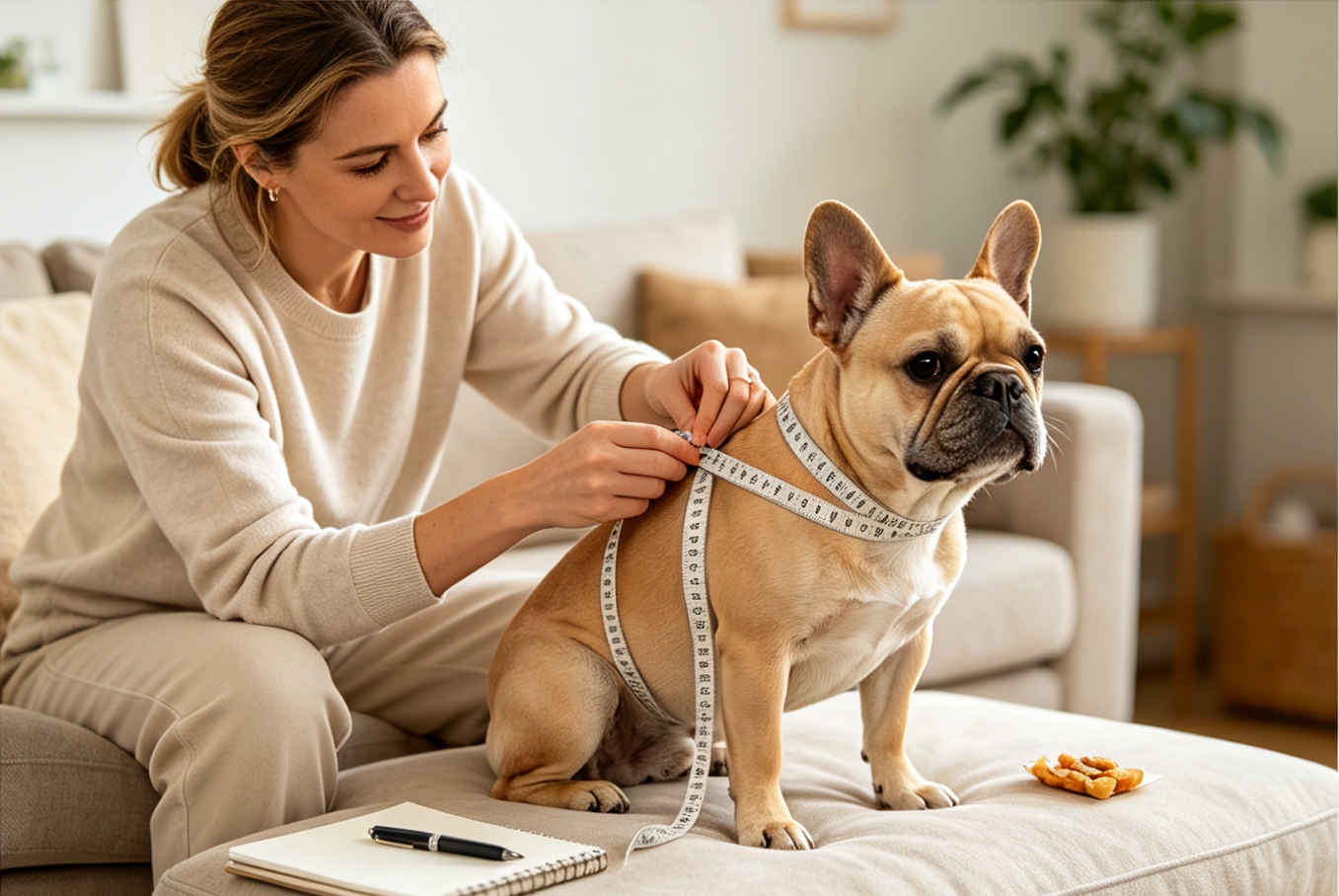
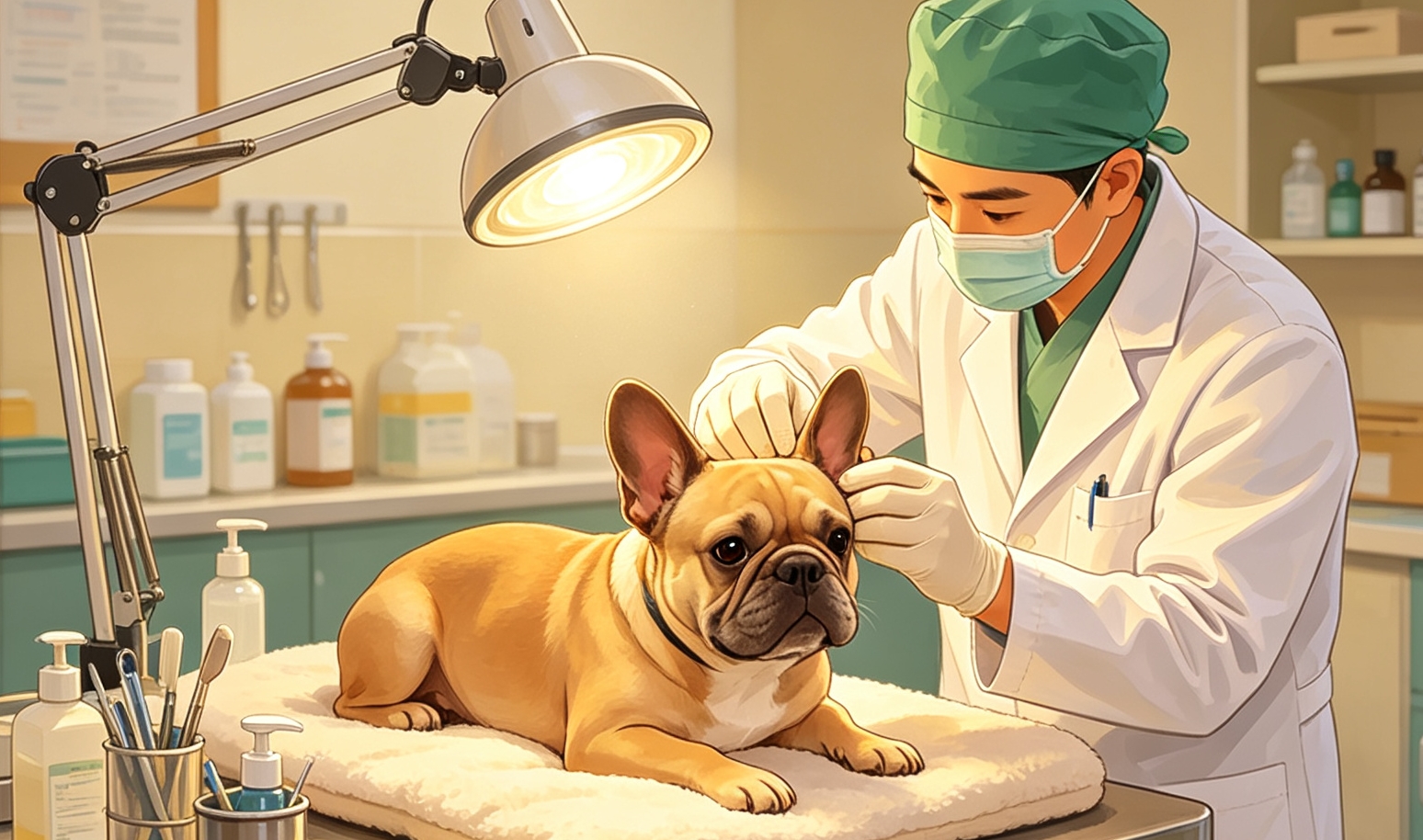
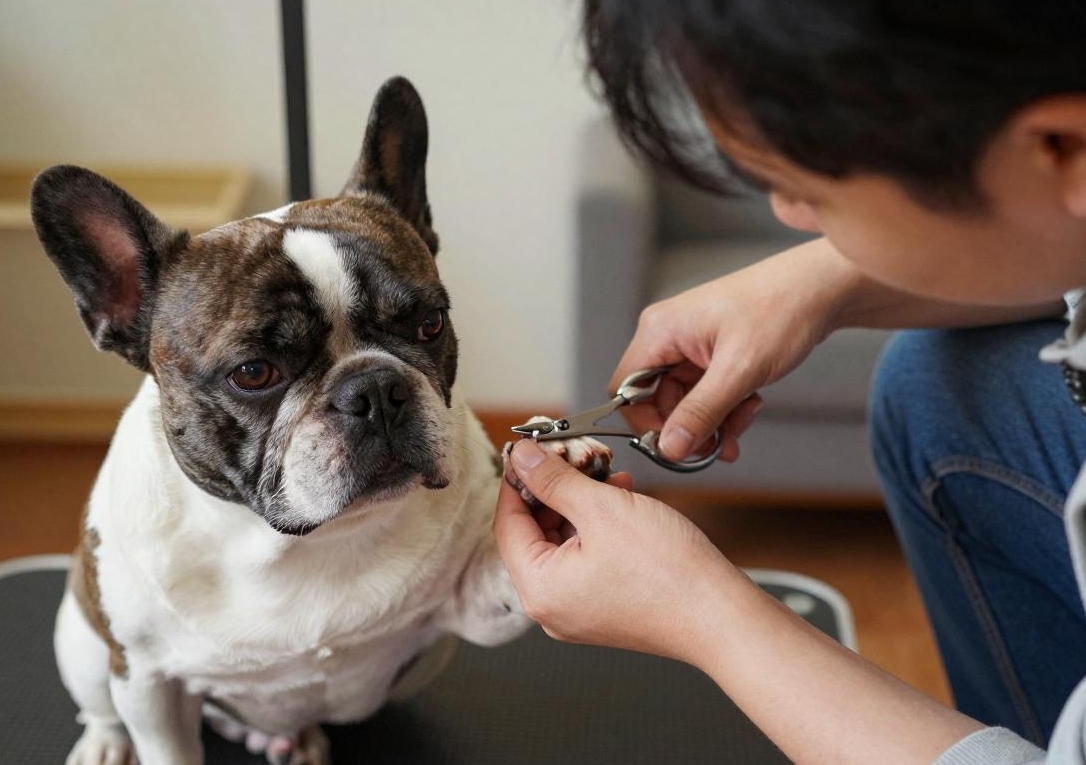
Hello everyone. With more than ten years in the pet industry and hundreds of dogs treated, I can confirm French bulldogs top the list for body‑odor‑related consultations. Many owners bring their French bulldogs to my clinic and say: “Doc, my dog is perfect in every way, but it smells terrible. It gets stinky again just days after a bath. What can I do?” I fully understand this frustration. Without proper care, the characteristic French bulldog smell can really lower household living quality. Today I will talk frankly about French bulldog body odor. Instead of superficial fixes, we target root causes with my proven root‑cause‑cleaning framework.
Why Does Your French Bulldog Never Smell Fresh?
Before solving the problem, identify where it originates. French bulldog body odor rarely comes from one single trigger; it stems from a mix of physical anatomy and skin properties. Frequent bathing or masking odors with fragrances only treats symptoms and may worsen conditions. The main odor sources are located in these areas:
1. Skin Folds (Highest Priority): Those cute facial and neck skin folds act as natural breeding grounds for dirt, sebum, sweat and bacteria. Without regular deep cleaning, warm damp conditions fuel heavy microbial growth that produces sour, rotten‑smelling odors. This is the most common source of bad smells I see in clinic.
2. Ear Problems: French bulldogs have floppy ears with poor internal ventilation. Wax and moisture easily build up inside the ear canal, triggering yeast or bacterial infections that create moldy or cheese‑like foul smells.
3. Anal Glands: A well‑known source of canine body odor. Full anal‑gland secretions release extremely pungent fishy smells. Due to body build and activity levels, many French bulldogs cannot empty these glands naturally.
4. Oral Hygiene: Tartar and gingivitis cause bad breath that spreads across the whole body when the dog licks its fur.
5. Diet & Digestion: Low‑grade dog food, food allergies or intolerances lead to poor digestion and imbalanced gut flora. Gas and waste produce stronger odors that may even emanate through the skin.
Five Root‑Cause‑Focused Solutions (With Real‑World Clinical Details)
Now that we know where the problem lies, we can build targeted care routines. Below are home‑friendly procedures refined over my years of veterinary practice.
Solution 1: Skin Fold Cleaning — Small Details Make All The Difference
This section deserves extra attention. I once treated a French bulldog named Niuniu with overwhelming body odor. His owner bathed him twice weekly yet the stench persisted. Upon examination, I gently pulled apart his facial folds and found damp reddish‑brown grime paired with mild dermatitis. That was the source!
Step‑by‑Step Instructions:
1. Prepare Supplies: Soft lint‑free wipes, pet‑specific hypoallergenic cleanser (or vet‑recommended diluted chlorhexidine solution), hair dryer.
2. Cleaning Process: Saturate wipes with cleanser and wring them out thoroughly (no dripping). Gently yet fully open each skin fold and wipe along the fold until no dirt transfers onto the wipe. Pay special attention to deep folds around eye corners, above the nasal bridge and under the neck.
3. Critical Step: Drying: Most pet owners skip this! After cleaning, blot all moisture inside folds with a fresh dry wipe. Then use the hair‑dryer on cold air or low‑heat setting, keep a safe distance, and blow inside every fold until completely dry. Dampness is the root of most skin troubles.
4. Frequency: Daily cleaning in hot or humid weather; every 2‑3 days in other seasons. After following this routine for one week, Niuniu’s owner excitedly reported at least 60 % reduction in body odor.
Solution 2: Ear Care — Prevent Issues Before They Start
Healthy ears should stay clean, dry and odor‑free. Do not wait until your dog scratches ears or shakes its head to intervene.
Step‑by‑Step Instructions:
1. Routine Inspection: Once per week lift your dog’s ear flap: sniff for bad smells and check that ear‑canal skin is pink, without large amounts of dark discharge.
2. Correct Ear Cleaning: Apply pet‑formulated ear cleaner vertically into the ear canal. (The L‑shaped canal protects the eardrum, so no risk of injury). Massage the base of the ear for 20‑30 seconds until you hear squelching sounds. Release and let the dog shake its head to expel deep‑seated debris. Finally wipe the outer ear with cotton balls or tissue. Never insert cotton swabs deep inside the ear canal!
3. Frequency: Once every 1‑2 weeks for general maintenance. If you notice mild odor or increased wax output, consult your vet before increasing frequency or using therapeutic ear medication.
Solution 3: Anal Gland Maintenance — Quick Routine To Eliminate Strong Odors
Many owners feel nervous about this procedure, but it is simple once mastered. If you remain uncomfortable, ask a groomer or veterinarian to express glands during baths.
External Expression Method (Safe For Home Use): Lift the dog’s tail. Using thumb and index finger, locate the two small bean‑sized sacs at the 4‑o’clock and 8‑o’clock positions below the anus. Cover with tissue paper, then squeeze gently inward and upward. Normal gland fluid ranges from pale yellow to brown, small‑volume and heavily pungent. Stop immediately and seek veterinary care if nothing comes out, if discharge looks abnormal or contains blood.
Frequency: Typically once per month, but every dog differs. Watch for butt‑scooting behavior as your main indicator.
Solution 4: Oral & Dietary Management — Improve From The Inside Out
Oral Care: Brush your French bulldog’s teeth several times per week (ideally daily) using pet‑specific toothbrush and toothpaste. Dental chews and mouthwash work as supplementary aids, they cannot replace tooth‑brushing.
Diet: Choose high‑quality dog food with transparent ingredient lists. For dogs with sensitive digestion, smelly flatulence or foul‑smelling stools, try hypoallergenic kibble built around a single protein source such as lamb or duck, or add probiotics to support gut health. Encourage adequate water intake to boost metabolism. One French bulldog I saw had abnormally smelly skin oil caused by food allergies; switching kibble greatly reduced its body odor.
Solution 5: Scientific Bathing & Coat Care
More frequent bathing does not equal better results! Over‑bathing destroys the skin’s protective lipid barrier, leading to dry skin or excess oil production. French bulldogs only need bathing every 2‑4 weeks.
Key Points: Use mild pet‑specific shampoo and rinse 100 % thoroughly; leftover residue triggers skin complaints. After bathing, blow‑dry the dog completely including all skin folds and between paw toes. Damp fur creates perfect conditions for bacteria and mold growth. Between baths you may use pet wipes to clean paws and body surfaces locally.
Mistake‑Avoidance Guide: Common Errors You Might Be Making
1. Over‑frequent bathing or human‑grade grooming products: These severely disrupt canine skin pH and sebum barrier, making fur oilier and smellier and potentially triggering skin disease.
2. Skipping the drying step: Whether after bathing or cleaning skin folds, incomplete drying renders all prior work useless and creates worse skin conditions.
3. Random use of medicated baths or ointments for unknown skin conditions: Fungal, bacterial and mite infections require totally different treatments. Misuse can worsen illness. Always get a confirmed diagnosis first.
4. Masking smells with perfume or heavily‑fragranced shampoo: Mixed perfume and body odor smells far worse and may irritate the dog’s respiratory tract.
5. Treating only symptoms: Focusing purely on baths while ignoring true odor sources such as ears and anal glands.
Summary
Fixing French bulldog body odor demands patience and careful consistent upkeep. There are no shortcuts. The core principle is targeted, science‑driven daily cleaning and grooming. Build these five habits into your routine: skin‑fold cleaning, ear inspection, anal‑gland care, oral hygiene and proper bathing. Over time your French bulldog’s odor will fade to a soft clean puppy scent noticeable only in sunlight. This supports both fresher living spaces and your dog’s physical comfort and health.
Important Reminder
Please note these are home‑care strategies for routine maintenance and general body‑odor issues. Stop self‑treatment and consult your vet promptly if you observe any of the following:
1. Sudden sharp increase in body odor or unusual rotten‑type smells.
2. Redness, swelling, skin ulcers, pus discharge, heavy hair loss or intense itching within skin folds, ears or other body areas.
3. Frequent scratching, head‑shaking, butt‑scooting and obvious discomfort.
4. Zero improvement or worsening odor after completing all recommended home‑care steps.
These symptoms may point to serious skin infections (pyoderma, Malassezia dermatitis), deep ear‑canal infection, anal‑gland abscess or endocrine disorders requiring professional veterinary diagnosis and treatment. Show your love through timely, science‑based care.