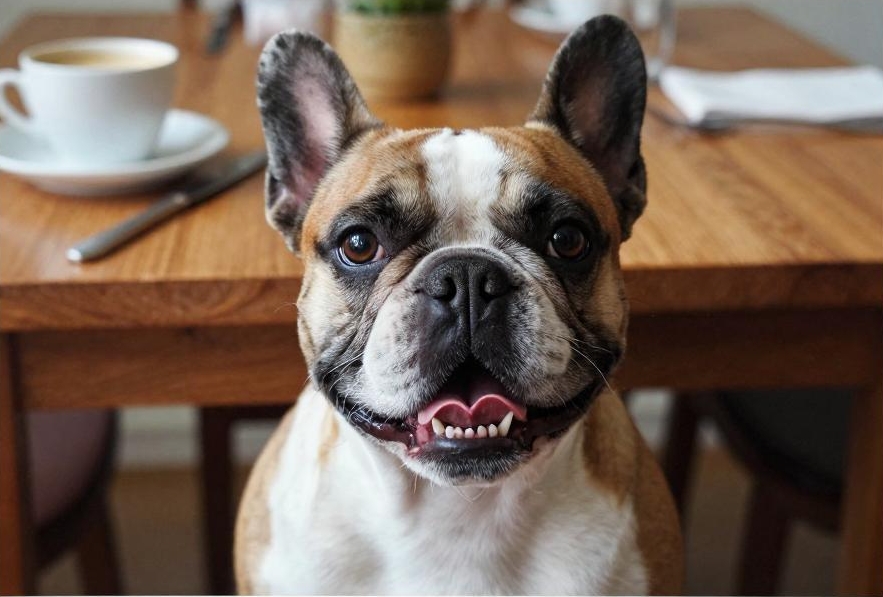
Dear French bulldog owner. Over years of clinical and behavioural counselling work, I have met many worried guardians just like you. When thunderstorm seasons or holidays draw near, your normally cheerful, brave‑willed French bulldog may tremble violently, hide frantically, even lose bladder control or destroy furniture at the distant rumble of thunder or sudden firework bang. I fully understand your heartache and helplessness. Though appearing tough on the outside, French bulldogs often have sensitive inner temperaments, and fear of loud noises is extremely common for this breed. Today we dive deep into this problem and share practical, step‑by‑step solutions proven in real‑world practice.
Why Is Your French Bulldog So Scared Of Loud Noises?
First, understand this fear is not simply timidity or misbehaviour; it stems from solid physical and psychological causes. Physically, dogs possess far wider hearing range than humans, picking up higher‑frequency and fainter sounds. Thunder or fireworks that feel tolerable to humans can sound like amplified, overwhelming explosions to canine ears. Especially for French bulldogs, their short‑wide brachycephalic skull structure may bring subtle differences in ear canal anatomy, making them extra sensitive to air‑pressure shifts and certain sound frequencies.
More critical are psychological drivers — classical conditioning and traumatic learning. During the key socialisation window (roughly 3‑14 weeks old), your dog may never have had positive exposure to these sounds. Alternatively, one single intensely frightening event such as close‑range fireworks burns a firm mental link: “loud noise = extreme danger”. Afterwards, similar sounds, even at low volume, immediately trigger stress responses including trembling, drooling, whimpering, hiding and destructive behaviour.
I once worked with a 3‑year‑old French bulldog named “Tank” with extreme firework phobia. Upon hearing any “whoosh‑like” sound he would frantically scratch carpets and try to burrow under floors. His owner’s initial instinct was to rush over, hold him tightly and repeat “it’s okay”. Paradoxically this amplified his fear. From the dog’s perspective, hugs and comforting words acted as rewards for his fearful display, confirming “that thing truly was terrifying, my reaction was correct”. This is one critical misconception we must fix first.
Scientific Relief: Desensitization and Counter‑Conditioning (DS/CC)
The gold‑standard treatment for noise phobia combines desensitization with counter‑conditioning. In short: expose your dog to fear‑triggering audio at extremely low volume while he stays relaxed, pair the sound with wonderful rewards (food, play), and rewrite his mental association from “loud noise = terror” to “noise might mean good things happen”. This demands great patience; rushing guarantees failure.
Solution 1: Build a safe haven plus sound masking
Before formal training, create a genuine stress‑free safe retreat. Choose his favourite quiet spot: a travel crate, covered doghouse or closet nook. Line it with soft bedding and old clothing carrying your scent. Encourage him to rest and enjoy treats here daily so it becomes his happy base. When loud noises are forecast (thunder warnings, holiday celebrations), guide him into this safe space ahead of time.
Meanwhile mask disturbing outside sounds using white noise or specially‑designed calming canine music. I frequently recommend fan noise, air‑purifier hum or classical music. With Tank, we first built comfort inside his cave‑style dog bed while he ate his favourite dried beef liver against soft piano background. No fear‑triggering sounds are played at this stage — we only build safety and positive associations.
Solution 2: Systematic desensitization training (core procedure)
This phase requires maximum patience and skill. Download high‑quality thunder and firework audio files onto your phone or computer beforehand.
1. Baseline test: When your dog is fully relaxed e.g. resting after a walk, play one short audio clip at near‑inaudible volume and observe responses. If he only twitches an ear with no other stress signs, this is your starting volume. If any tension appears, turn the volume further down.
2. Pair with high‑value rewards: Play audio starting from your baseline volume. Simultaneously deliver top‑tier rewards: premium cheese, chicken jerky or his most beloved toy. Stop rewards the moment audio stops. Repeat sessions 5‑10 minutes long, several times per day.
3. Gradual progression: Only raise volume by a tiny increment (e.g. +5%) when your dog stays completely relaxed and even looks toward you expectantly anticipating treats. Remember: No visible reaction is the ideal reaction. At any sign of anxiety, immediately drop volume back to the previous successful level. Progress may span weeks or even months. For Tank, nearly three weeks passed before he could calmly take treats at moderately low trigger‑sound volume.
Solution 3: Daily sound‑enrichment games
Integrate varied household sounds into playtime. Deliberately create harmless sudden noises: gently drop a pot lid, knock on a door, then cheerfully call him over for games or snacks. Teach him that many sounds in the world are neutral or even fun, not always previews of bad events. I often suggest treat‑hunting games: generate soft unexpected sounds while he sniffs for food, so he learns to ignore or tolerate noise amid joyful focus.
Solution 4: In‑the‑moment intervention and behavioural replacement under stress
What do you do when unpredictable loud bangs such as unexpected fireworks strike and your dog is already terrified? Do not over‑soothe with heavy cuddling and repeated “it’s okay”, and never scold or force him to “be brave”.
Correct approach: Stay calm, keep your tone light and upbeat. Guide him to perform simple, well‑practised cues such as “sit” or “look at me”. Reward lavishly with enthusiastic praise even if he complies reluctantly. This technique is behavioural replacement: replace uncontrollable fear‑driven responses (shaking, hiding) with an achievable trained behaviour that earns rewards. It pulls his focus away from panic and restores his sense of control. Once when Tank was startled by car backfire noise outside, I instructed his owner to grab his favourite treat‑dispensing toy and excitedly say “Tank, find it!”, successfully shifting his attention away from the loud sound toward foraging.
Solution 5: Sensible use of supportive aids
During high‑stress occasions such as heavy fireworks on New Year’s Eve when full training cannot be completed in time, supportive tools may help:
- Pressure wrap / ThunderShirt: Snug‑fitting body garment delivering gentle constant pressure for calming effects, similar to swaddling an infant. Works for some dogs; allow gradual acclimatisation before relying on it.
- Pheromone products: Diffusers or collars releasing Adaptil dog‑appeasing pheromone, mimicking comforting maternal dog pheromones to lower anxiety for certain individuals.
Important note: These are supplementary aids and cannot replace behavioural modification. Ideally use them under guidance from your vet or behaviour consultant.
Pitfall‑Avoidance Guide: Steer clear of these frequent mistakes
1. Forced exposure / flooding: Dragging noise‑phobic dogs outdoors “to build courage”. This causes severe psychological trauma and worsens fear.
2. Misplaced comfort: Excessive physical affection and reassuring speech while your dog is afraid unintentionally reinforces fearful responses.
3. Rushing training progress: Turning volume up too fast during desensitization re‑traumatises your dog and wastes all prior work.
4. Ignoring underlying medical conditions: Hypothyroidism, chronic pain and other illnesses can lower stress tolerance thresholds. Complete full veterinary health checks before starting behavioural correction.
Summary
Relieving noise phobia in French bulldogs is a long‑term journey built on understanding, patience and science. There are no instant miracle fixes. Still, systematic desensitization plus counter‑conditioning paired with safe environmental setup and thoughtful stress management delivers significant improvement for most affected dogs. Our goal is not to make your dog completely unresponsive to loud bangs, but to shift his reaction from full‑blown panic down toward alertness or easy‑to‑calm arousal. Witnessing Tank evolve from panicky floor‑scratching to resting in his bed chewing beef liver on thunderous nights, only glancing briefly toward windows, brings immense reward that fuels our persistence.
Important Reminder
Immediately stop home training and consult a certified veterinary behaviourist or experienced clinical vet if your French bulldog shows any of the following signs:
1. Extreme fear responses paired with aggression (bared teeth, growling, biting), risking injury to himself or others.
2. Severe physical symptoms: prolonged uncontrollable trembling, vomiting, diarrhoea or breathing distress.
3. No improvement or worsening anxiety despite correct training technique.
4. Fear generalises to everyday household sounds and severely disrupts normal quality of life.
Severe anxiety disorders may require adjunct anti‑anxiety medication to lower stress baseline so behavioural training can take effect. Medication must only be prescribed and monitored strictly by a veterinarian. Seeking professional support is not failure; it is the most responsible choice for your dog’s wellbeing.
Wishing you and your French bulldog many quiet, peaceful days ahead.