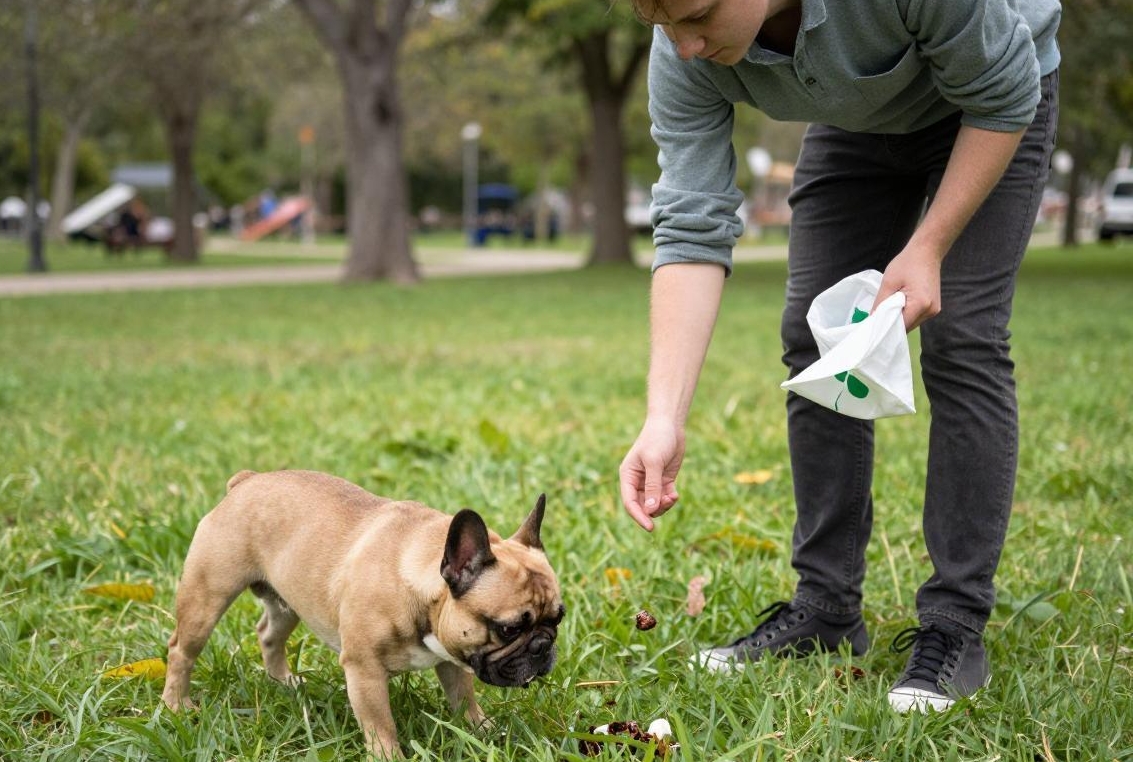
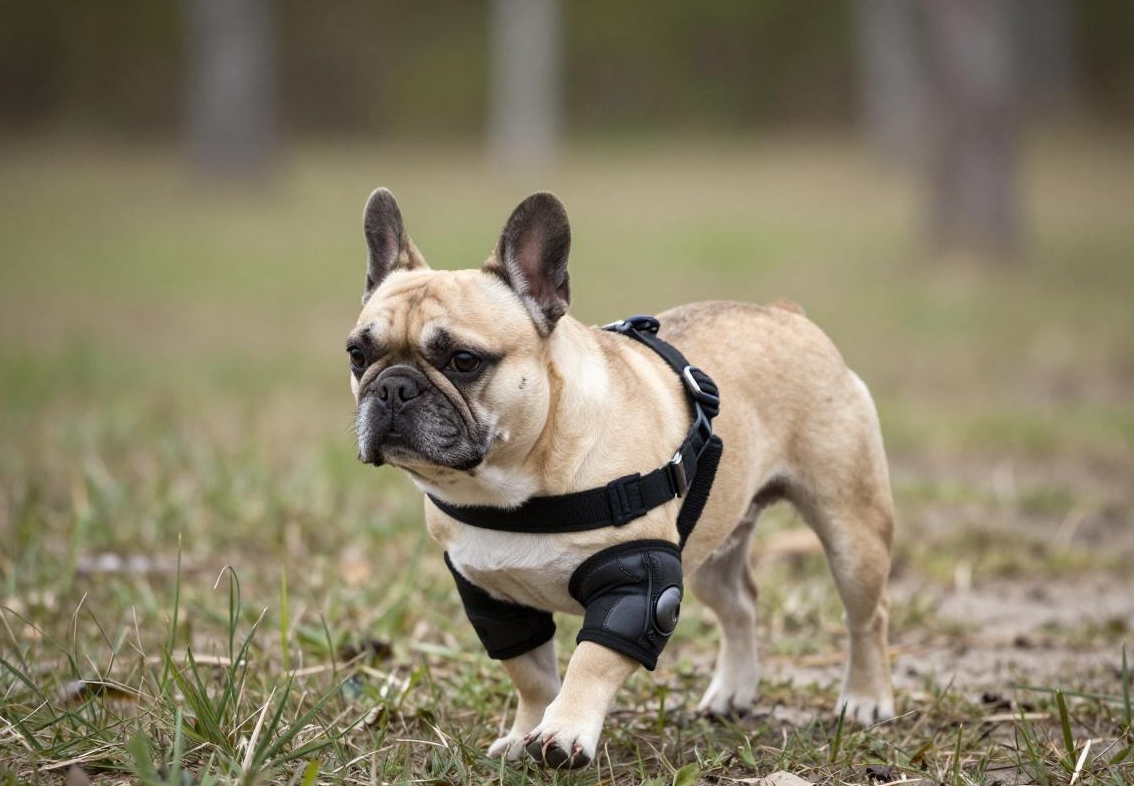
Hello, I’m Chen, a veterinarian with nearly ten years of experience working in animal clinics and dog training facilities. Every day, I encounter all kinds of conflicts between humans and dogs. One of the most frequent and troublesome scenarios happens when owners try to perform basic grooming on their beloved dogs — trimming nails, brushing teeth, or cleaning ears — only for the dog to react aggressively, snarling, growling, and even attempting to bite. Owners feel worried and scared, forcing them to stop grooming halfway, and some even get injured. This situation is especially common among French Bulldogs, a breed known for stubborn personalities and strong jaws.
Why Does Your Gentle Frenchie Turn Into A Little Devil During Grooming?
Before sharing solutions, we need to understand why dogs resist grooming. This does not mean they are “naughty” or “disobedient”; it comes from primal fear and self-defense. Imagine being pinned down by a creature many times larger than yourself, while cold, hard tools touch your most sensitive, vulnerable areas — paws, mouth, ears. Wouldn’t you feel scared and struggle? Dogs feel exactly the same way.
For French Bulldogs specifically, several breed traits make grooming extra challenging. First, they have compact, muscular bodies and great strength, making them hard to restrain once they resist. Second, their flat faces come with unique oral and ear anatomy, requiring delicate handling that easily triggers discomfort. Third, their stubborn temperament makes them persistently resist things they dislike. Many owners give in repeatedly out of fear of being bitten or sympathy for their struggling dog. This misses the optimal desensitization window and worsens the behavior over time.
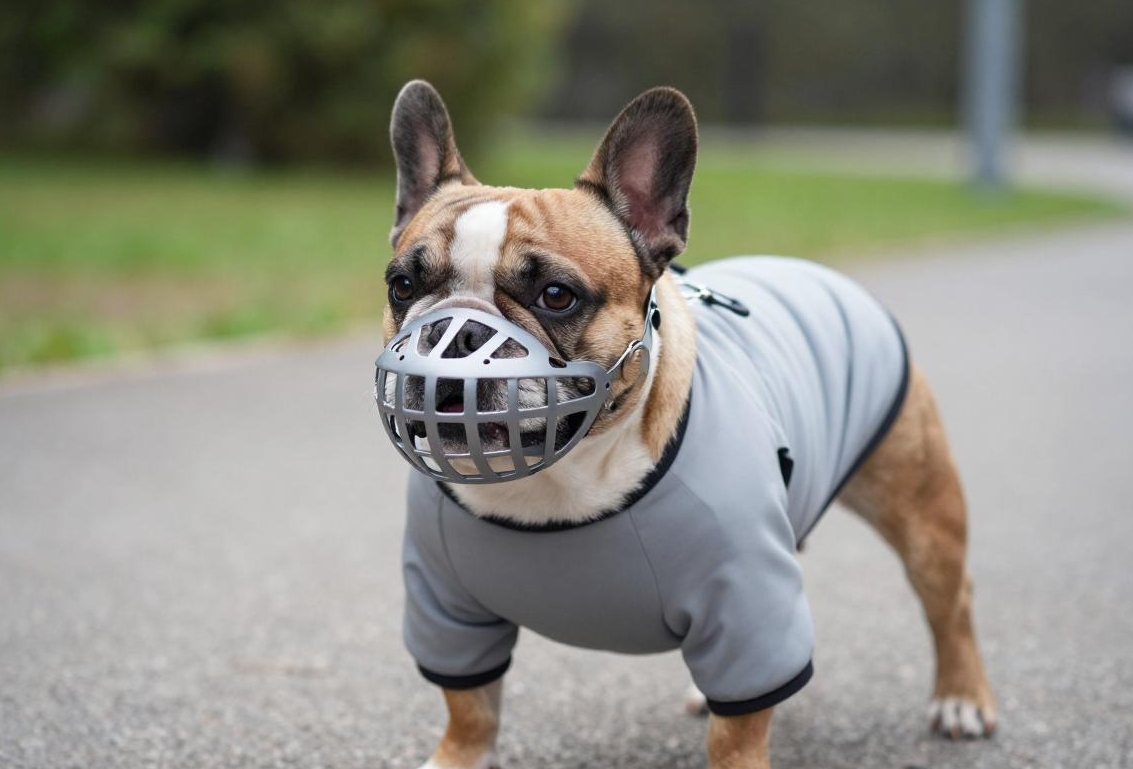
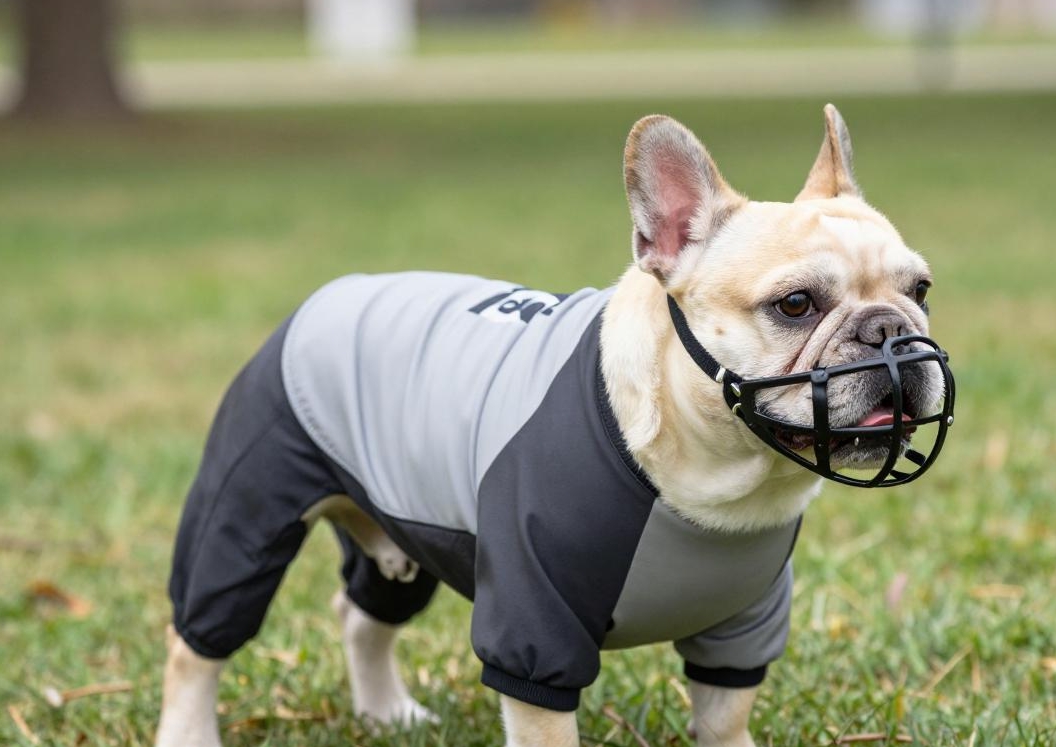
This is where a widely misunderstood tool comes in: the dog muzzle. Please note: a muzzle is NOT a punishment tool — it is a safety barrier. Its core purpose is to create a risk-free physical environment for humans and dogs during training and grooming. It lets owners carry out grooming safely and stops the dog from making impulsive, regretful choices out of fear, such as biting their owner. Using a muzzle responsibly protects everyone involved.
3-Step Solution: Turn The Muzzle Into A Helpful Grooming Tool
The methods I share below combine behavior modification and tool use, and they require patience. Remember our ultimate goal: help your dog willingly and calmly accept grooming long-term. The muzzle acts as training wheels to reach that goal.
Step 1: Reframe Associations — Link The Muzzle With Positive Experiences
This is the most critical stage and determines overall success. Never force a muzzle onto your dog suddenly; this will create lasting psychological trauma.
My Real Case: I worked with a French Bulldog named Tank who was extremely sensitive to anything approaching his head. His previous owner forced a muzzle on him, so Tank would hide under the sofa shaking at the sight of similar objects. We had to start from scratch.
Step-by-Step Guide:
1. Choose The Right Muzzle: For brachycephalic breeds like French Bulldogs, you must select a basket muzzle. Designed like an open basket, it allows the dog to pant, drink water and eat treats, offering maximum comfort. Nylon mesh or fully enclosed muzzles restrict proper breathing and are unsuitable.
2. Treat Introduction: Place the muzzle on the ground and scatter high-value treats (diced boiled chicken breast) next to it. Let your dog explore and sniff freely, learning “good things appear beside this strange object.”
3. Gradual Approach: Hold treats and guide your dog to voluntarily put their nose inside the muzzle. Reward instantly and offer enthusiastic praise the moment their nose enters. Repeat many times until they stick their nose in without hesitation.
4. First Muzzle Wearing: Once your dog accepts putting their nose inside, gently fasten the rear strap, reward continuously with treats, then unfasten immediately. Start with 1–2 seconds of wear time, slowly extending to 5 seconds, then 10 seconds. Keep the whole process light and playful.
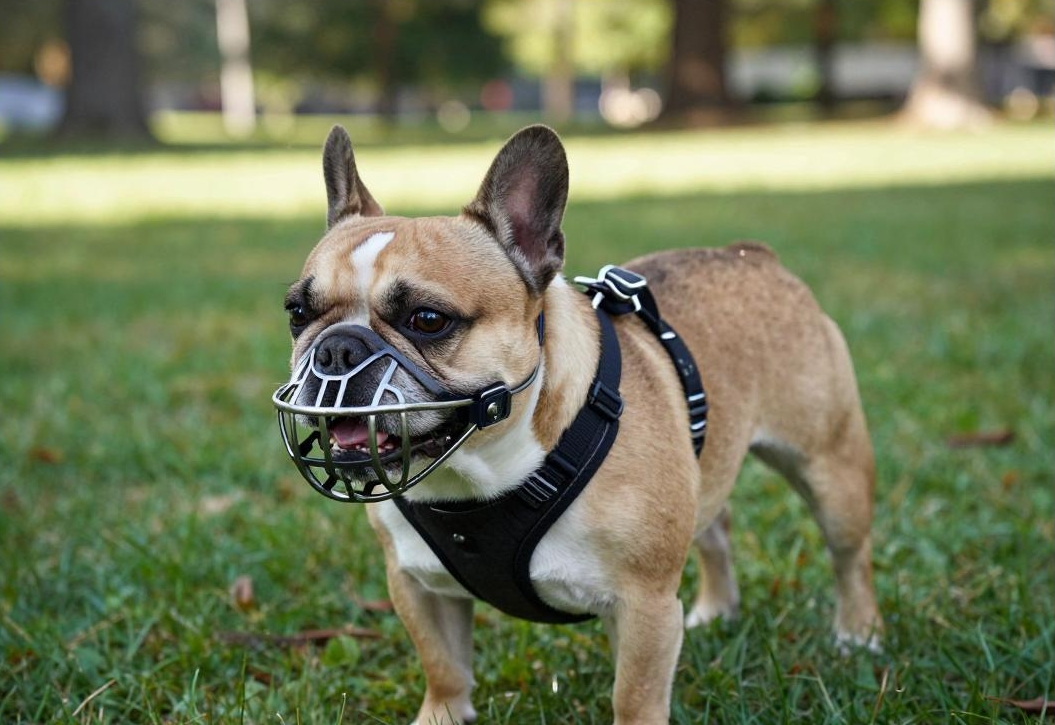
This process can take several days or even one to two weeks. It took Tank a full 10 days before he allowed me to fasten the strap and keep it on for 15 seconds. Patience is priceless.
Step 2: Simulated Practice — Perform Mock Grooming While Wearing The Muzzle
Once your dog can calmly wear the muzzle for several minutes, start desensitization combined with simulated grooming actions.
My Real Case: I designed the following training routine for Tank, who hated nail trimming most of all.
Step-by-Step Guide:
1. Put the muzzle on and offer treats to settle your dog.
2. Bring out nail clippers within sight and reward with treats.
3. Gently touch their paw and reward; gradually extend the touch duration.
4. Simulate the “click” sound of clipping (empty cut) while offering treats.
5. Finally, when your dog wears the muzzle calmly and focuses on treats, quickly and precisely trim one nail tip, followed by abundant rewards and praise.
Only advance one training stage per session, or repeat existing steps to build confidence. Build a mental chain for your dog: wear muzzle → paw touched → good things happen. The muzzle provides a safety baseline. Even if your dog suddenly becomes tense, no accident will occur, allowing you to pause, step back and resume training calmly.
Step 3: Real-World Application — Stable Muzzle Use During Actual Grooming
After systematic training in the first two steps, you can use the muzzle during real grooming sessions.
My Real Case: Teeth brushing was our final challenge with Tank. Even with the muzzle on, he remained sensitive to touches inside his mouth.
Step-by-Step Guide:
1. Dual Protection: I ask owners to fit the muzzle on the Frenchie, and I also wear bite-resistant gloves (especially for dogs with unstable moods). This double safety net removes stress from handling.
2. Distraction Technique: Ask another family member to offer continuous high-value treats, or use a lick mat spread with meat paste to keep your dog focused on licking. Food will occupy most of their attention.
3. Quick & Gentle Movements: Keep motions fast, soft and targeted. Do not aim to brush all teeth in one session; brush the left side today and the right side tomorrow. After every successful grooming session, deliver a big reward and free playtime.
4. Remove Promptly: Take off the muzzle happily right after grooming finishes and reward again. Help your dog understand that wearing the muzzle is temporary, and more fun awaits once it comes off.
Following this routine, Tank could calmly complete all basic grooming with the muzzle after three months. Surprisingly, as his fear faded, he later cooperated well even without wearing the muzzle.
Mistakes To Avoid: Never Make These Errors
1. Using a muzzle as punishment: Never put a muzzle on your dog after misbehavior. This will make them fear the tool and make future use far harder.
2. Ignoring wear duration: Do not keep the muzzle on too long during initial use or training. A few minutes are enough; remove it before your dog grows irritable.
3. Choosing the wrong style or size: Reiterated: brachycephalic dogs must use basket muzzles for unobstructed breathing. The fit needs to be proper — not too tight to chafe skin, nor too loose to slip off.
4. Relying solely on the muzzle without training: A muzzle is a training aid, not a permanent fix. If you only depend on the tool without behavioral desensitization, your dog’s fear and stress will keep building up.
5. Ignoring stress signals: Watch your dog closely while wearing the muzzle. Signs such as heavy panting, excessive drooling (unrelated to heat), frantic attempts to shake it off, or fearful eyes signal overwhelming stress. Stop training immediately and return to earlier, easier steps.
Summary
The core principle of using a muzzle for French Bulldog grooming is: prevention beats intervention, and safety supports training. It is not a cold restraining device, but a bridge. It allows us to safely guide fearful dogs to learn and adapt, and eventually build positive associations with grooming. As an owner, your calmness, patience and consistency are a far better remedy than any tool. When you stop tensing up out of fear of bites, your dog will relax faster too.
Important Reminder
The methods shared in this article apply to most grooming resistance caused by fear and sensitivity. However, if your dog shows extreme aggression, has a history of severe biting, or displays intense stress responses during training (prolonged freezing, urinary incontinence and more), the issue may go beyond simple behavior adjustment. Underlying pain (arthritis, dental disease) or deep psychological problems could be the root cause. Stop self-training immediately and consult a professional veterinary behaviorist or experienced positive reinforcement dog trainer. They can provide customized diagnosis and intervention plans. Protecting the physical and mental health of you and your pet will always be our top priority.