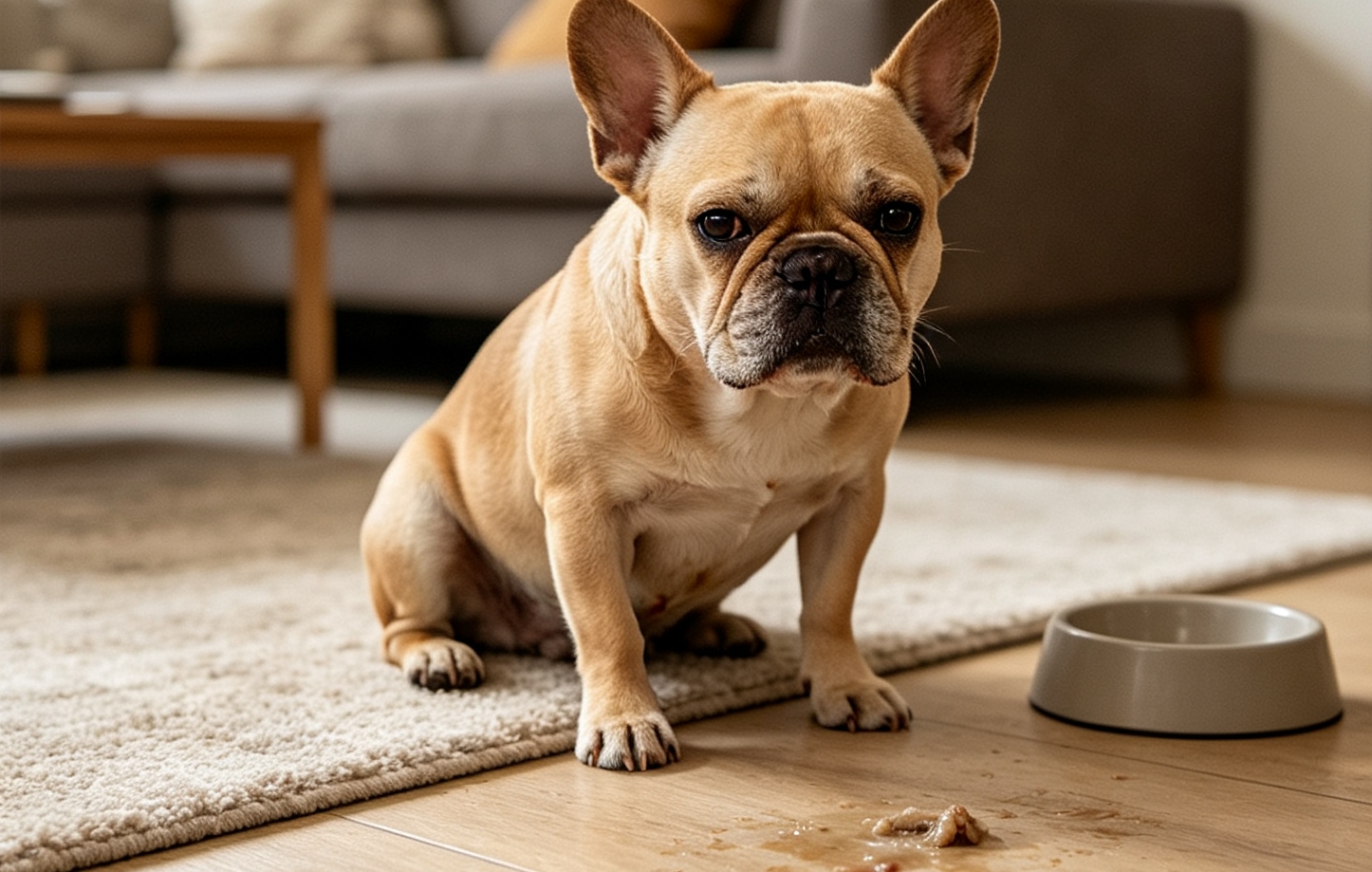
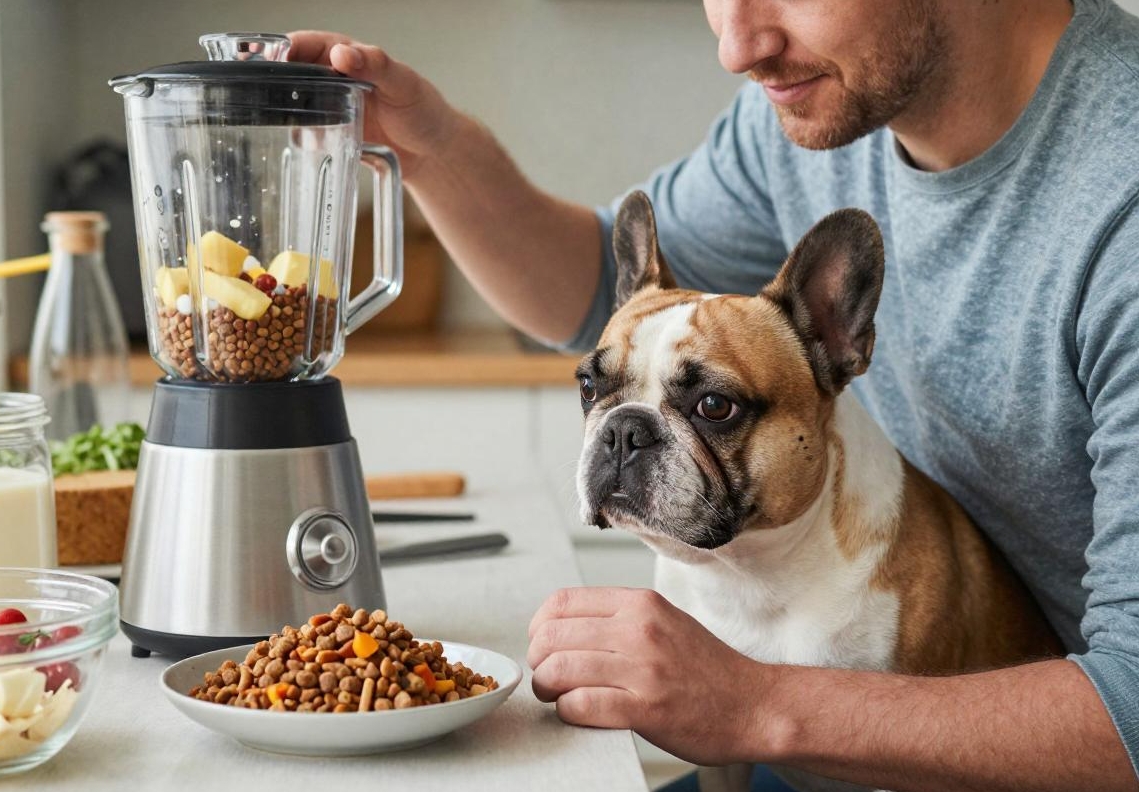
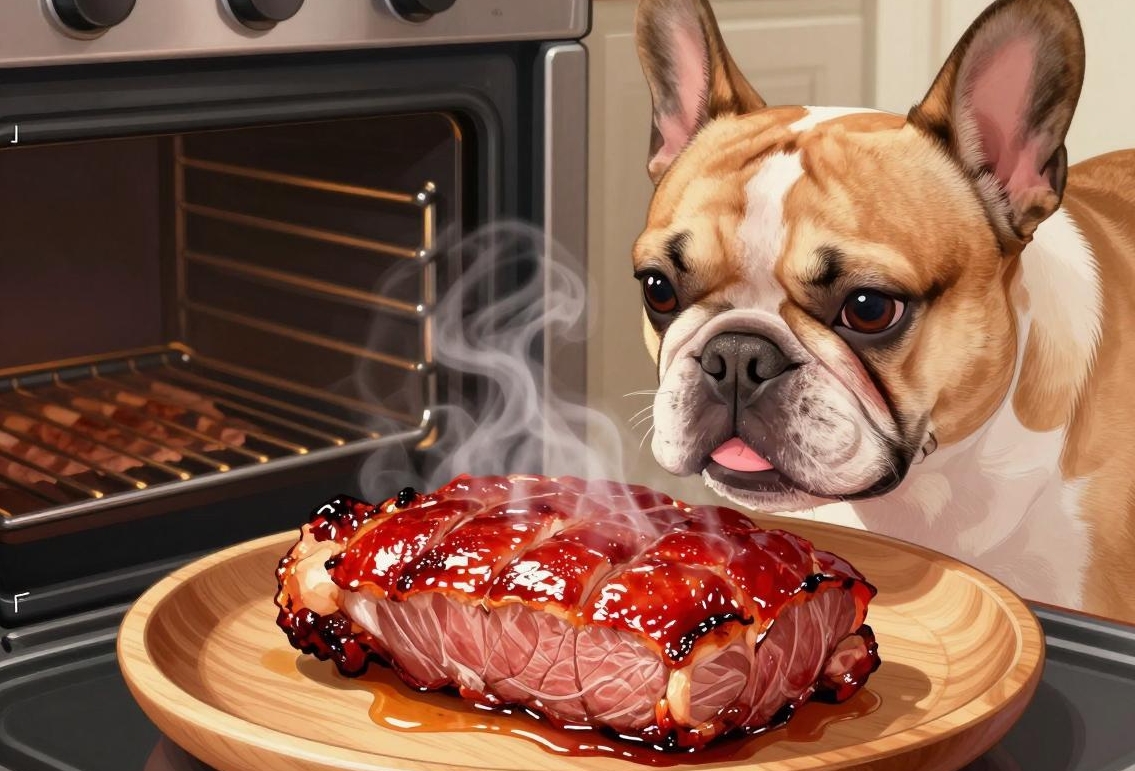
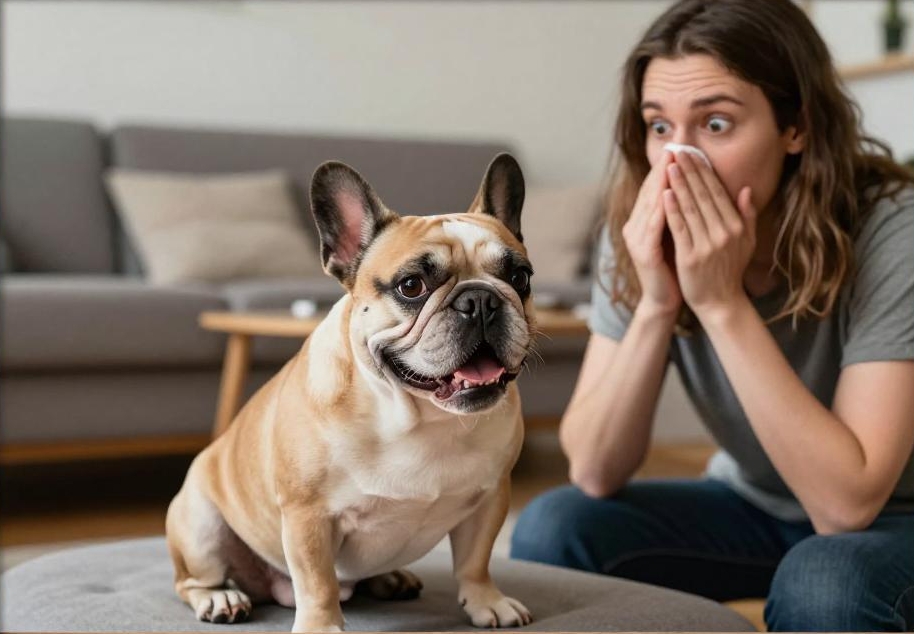
Hello everyone. Over years of clinical practice and consultations, I have met many anxious French bulldog owners full of love for their pets. They enthusiastically prepare fresh, additive‑free home‑cooked meals hoping to deliver optimal nutrition. Yet results often fall short of expectations: after eating carefully‑prepared meat, dogs suffer loose stools, diarrhoea or even vomiting. Watching their pets in discomfort, owners feel distressed and confused: “I used premium ingredients, why is my dog having stomach trouble?”
Why Blanching Is Essential for French Bulldog Home‑Cooked Food
Adorable French bulldogs feature unique physiology and sensitive digestive tracts. Their digestive capacity is weaker than many other breeds, and their gut microbiome is comparatively fragile. Fresh ingredients prepared for them, especially meat and certain vegetables, may contain on or inside them:
1. Blood residue and impurities: Blood residue in raw meat creates strong odour and carries metabolic waste. Direct cooking causes these substances to coagulate on food surfaces or dissolve into broth. For gut‑sensitive French bulldogs, these may act as irritants and trigger indigestion.
2. Excess fat and grease: Especially chicken skin and fatty cuts. Direct boiling produces greasy broth. French bulldogs are prone to weight gain and have fragile pancreases; excessive fat intake can easily induce pancreatitis or diarrhoea.
3. Oxalic acid, purines and other compounds: Vegetables such as spinach and beans contain high oxalic‑acid levels. Animal organs and some fish are high in purines. Excess intake interferes with calcium absorption or raises kidney strain, harming French bulldog health.
4. Potential bacteria and parasite risks: Even for home‑cooked meals, cross‑contamination can happen while handling raw meat. Blanching as the first high‑temperature step greatly lowers such hazards.
Therefore, blanching is not optional but mandatory for French bulldog home‑cooked meals. Its purpose goes beyond simple “cleaning”; it reduces digestive burden by pre‑removing substances that may overwork or overwhelm the French bulldog’s delicate gut, allowing subsequent cooking to focus on retaining and releasing natural nutrition from ingredients.
Practical Experience: Three Core Blanching Techniques to Lock in Nutrition and Protect Digestion
I recall making homemade food for my own French bulldog “Tank” in earlier years and making mistakes. Chasing “authentic flavour”, I simmered chicken breast directly in water, generating grey‑white scum. Tank developed loose stools the next day after eating. Through repeated practice and professional literature review, I developed the following blanching workflow tailored for French bulldogs to share with you.
Technique 1: Blanching Meat — Start in Cold Water, Skim Scum Thoroughly
This is the most critical step. Improper execution causes heavy nutrient loss and poor impurity removal.
Operation steps: Place appropriately‑sized meat chunks (chicken breast, beef, duck meat) into cold water just covering the ingredients. Heat slowly over medium‑low heat. As temperature rises, large amounts of reddish‑brown or grey‑white scum rise to the surface — these are blood residues and impurities. Patiently skim all scum completely with a fine‑mesh skimmer until water stays mostly clear with no major new scum forming.
Key practical notes: Never drop meat into already‑boiling water! Boiling water instantly coagulates surface meat protein, trapping internal contaminants that cannot be removed. Slow heating over medium‑low heat lets impurities leach out fully. Do not stir meat chunks while skimming, to avoid re‑mixing impurities back in. Count blanching time from the first gentle simmer; cook for an additional 1‑2 minutes then remove. Meat remains partially raw inside to maximally preserve juices and nutrition for later cooking.
Technique 2: Blanching Vegetables — Drop into Boiling Water, Keep Sessions Short
Vegetable blanching removes oxalic acid (spinach, amaranth), nitrites (broccoli, cauliflower) and raw bitter notes while softening fibres for better French bulldog digestion.
Operation steps: Bring ample water to a rolling boil. A pinch of salt or few drops of cooking oil are optional to preserve vegetable colour. Put washed, chopped vegetables into boiling water over high heat. Blanching durations vary by vegetable type: leafy greens (spinach) 15‑30 seconds; root‑type vegetables (carrot, broccoli) 1‑2 minutes. Immediately transfer blanched vegetables into pre‑chilled drinking water or ice‑water bath to halt residual cooking heat, preserving crisp texture and bright green colour.
Key practical notes: Blanch vegetables with plenty of water, high heat and short timing. When preparing broccoli for Tank, I cut it into small florets, drop into boiling water, count 60 seconds exactly then plunge into cold water. Treated this way, broccoli loses most digestion‑unfriendly compounds while keeping crispness and vitamins, retaining far more nutrition than long‑duration stewing.
Technique 3: Bones & Organs — Process Separately, Ensure Thorough Treatment
French bulldogs may chew certain cooked large bones (e.g. oxtail bones) or eat small portions of liver and kidney for nutritional supplementation. Extra caution applies when blanching these two ingredient categories.
Operation steps:
- Bones for broth (chicken frames, beef bones): Place in cold water, bring to rolling boil over high heat and keep boiling for 5‑10 minutes, skimming scum continuously. Remove and rinse surface impurities with warm water before simmering stock. This yields clear, great‑tasting broth with low risk of triggering digestive upset.
- Liver, kidney: These metabolic organs hold heavy impurities and strong fishy odour. Soak in water for at least 30 minutes (add a little lemon juice or ginger slices optionally). Next blanch starting in cold water; after boiling cook for another 2‑3 minutes, remove and rinse thoroughly. You may cut into small pieces and blanch a second time for full sanitisation.
Key practical notes: Once I fed Tank insufficiently‑blanched chicken liver and he got diarrhoea the same day. Afterwards I slice organs thinly and perform two short blanching cycles. Fishy odour drops drastically and no further digestive issues appeared. Remember: feed organs to French bulldogs only in small quantities and with complete processing.
Pitfall‑Avoidance Guide: Common Blanching Mistakes
1. Myth: blanch all ingredients together in one pot. Meat, vegetable and organ blanching require different conditions and timings. Mixed processing causes cross‑contamination or over‑cooking of some ingredients. Always process separately.
2. Myth: skip cold‑water shock after blanching. Especially for vegetables; residual heat continues softening and yellowing them and accelerates nutrient loss. Cold‑water shock is vital for locking colour and nutrition.
3. Myth: reuse meat‑blanching liquid for cooking. Water used for blanching meat contains large volumes of scum and impurities and should not be reused. Clear vegetable‑blanching water can cool down and be used for watering plants for resource recycling.
4. Myth: prolonged blanching for extra cleanliness. Over‑blanching leaches large amounts of water‑soluble vitamins (B‑complex, vitamin C) into water and ruins ingredient texture. Follow the principle: short‑time, high‑efficiency processing.
5. Myth: ignore ingredient size. Over‑large meat chunks or vegetables get over‑cooked externally while internal impurities remain trapped. Cut ingredients into bite‑sized portions for dogs before blanching for uniform results.
Summary
Preparing home‑cooked meals for French bulldogs is a loving responsibility. Scientific blanching acts as a critical bridge connecting caring ingredient selection and your dog’s health. By pre‑removing impurities, excess fat and harmful substances, it clears obstacles for the French bulldog’s sensitive gut and enables subsequent cooking to deliver nutrition safely and effectively. Master these core rules: blanch meat starting cold, blanch vegetables in boiling water, process categories separately and keep blanching times short. You can prepare tasty, gut‑friendly nutritious meals for your French bulldog companion.
Important Reminder
The techniques shared are based on daily‑care and prevention experience. Every French bulldog has individual physical differences. If after adjusting diet your dog still suffers diarrhoea lasting more than 24 hours, vomiting, lethargy, complete loss of appetite or bloody stools, immediately stop the current diet and seek veterinary care quickly. These may signal food intolerance, allergy or other underlying illnesses requiring professional veterinarian diagnosis and treatment. Love means delivering science‑backed care for your pet.