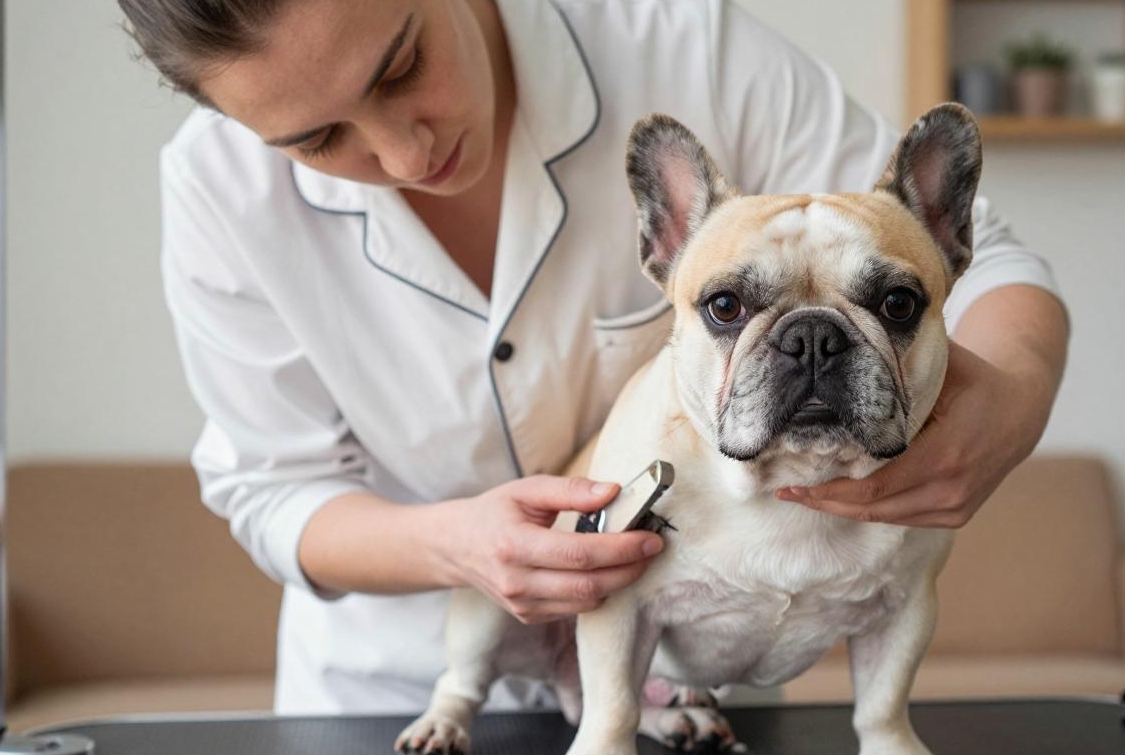
Don’t Let “Scooting” Become a Habit: A Common Headache for French Bulldog Owners
Hi everyone, fellow French Bulldog parents. I’m your old friend, a practitioner with more than ten years of experience in pet healthcare and care. Today I’d like to talk about an awkward yet critical topic — anal gland care for French Bulldogs. Many owners have seen their lovely French Bulldog suddenly scoot across the floor, keep turning back to lick its perianal area, or even notice an indescribable fishy stench. These seemingly funny or troublesome behaviours are actually important health warnings from your dog: something may be wrong with its anal glands.
Due to their unique body structure (brachycephalic, broad‑chested, short‑tailed) and common skin folds, French Bulldogs are more prone to anal‑gland issues than many other breeds. I have seen numerous cases where neglect of this minor problem eventually led to inflamed, pus‑filled glands and even complex anal fistulas. The dogs suffered terribly, and treatment was lengthy and costly. So today let us fully understand this condition and stop problems before they escalate.
Root‑Cause Analysis: Why Do French Bulldogs Have Troublesome Anal Glands?
To solve a problem you first need to understand how it works. On either side of a dog’s anus, roughly at the 4‑o’clock and 8‑o’clock positions, sit small sac‑like structures known as anal glands. They secrete strong‑smelling fluid that is normally squeezed out naturally during defecation as part of the dog’s territory‑marking behaviour.
Still, French Bulldogs fall into a high‑risk group for these problems, mainly for the following reasons:
1. Genetics and Body Conformation: Soft stools or diarrhoea, common in French Bulldogs (often linked to food allergies and sensitive digestion), mean faeces lack sufficient firmness to apply pressure for emptying the anal glands. Additionally, some French Bulldogs are born with narrow or poorly positioned anal gland ducts that hinder normal secretion discharge.
2. Obesity and Insufficient Exercise: French Bulldogs tend to gain weight easily. Excess fat around the anus physically compresses gland ducts and interferes with emptying. Lack of activity slows metabolism and intestinal motility, indirectly worsening the condition.
3. Dietary Factors: Long‑term consumption of soft, low‑fibre food prevents the formation of solid stools, a frequent dietary trigger for built‑up anal gland fluid.
When fluid stagnates and thickens, impaction occurs. Bacteria multiply within the warm, moist sacs, triggering inflammation, infection, pain and foul odour. Dogs scoot and lick to relieve discomfort, yet this only addresses symptoms rather than root causes. It may also break the skin and bring secondary infection.
Step‑by‑Step Solution: Home Anal Gland Care for French Bulldogs
Based on my years of practice, prevention beats cure. Regular, correct home care can drastically lower the chance of anal‑gland disease in French Bulldogs. Below I share three actionable approaches containing lessons I learned from past mistakes.
Solution 1: Build Observation and Preliminary Assessment Habits
Do not blindly express glands on a fixed schedule; over‑stimulation may itself trigger inflammation. Learning to observe is essential.
Signs That Cleaning Is Needed: Frequent scooting; repeated turning to lick or bite the perianal area; strong fishy odour around the anus; visible slight swelling on one or both sides of the anus; sensitivity or avoidance when touching beneath the perianal skin over the glands.
My Practical Insight: Early in my career I set rigid monthly cleaning cycles for every dog. Later I realised this approach is unscientific. I once treated a perfectly healthy Border Collie whose anal glands became inflamed from over‑expression because its owner followed the “must squeeze monthly” advice. For French Bulldogs, I recommend prioritising symptom observation alongside routine checks e.g. before every bath. If your dog shows none of the warning signs and passes firm, well‑formed stools, manual intervention is unnecessary.
Solution 2: Proper Anal Gland Expression Technique (Internal Expression Method)
When cleaning is required, follow these steps. This hands‑on, proven method is the safest and most effective for dogs.
Required Supplies: Disposable gloves, pet‑specific wet wipes or soft tissues dampened with warm water, paper towels, treats for distraction and reward. Perform the procedure in the bathroom or on an easily cleaned floor.
Detailed Procedure:
1. Calming and Restraint: Keep your dog standing. Have an assistant gently hold its upper body and offer treats for distraction. Position yourself behind the dog.
2. Localisation: Put on gloves and clean the perianal skin with wipes. Use your thumb and index finger to feel for pea‑sized (or larger) lumps under the skin at the 4‑o’clock and 8‑o’clock positions below the anus.
3. Expression: This is the most critical step. Place thumb and index finger on each side of the glands beside the anus. Press inward toward the centre of the anus with a gentle upward‑forward motion. Imagine pushing the two lumps toward the anal opening. Move slowly and gently!
4. Inspect and Clean: Normally small amounts of thick, pale‑yellow to grey‑brown pungent fluid will discharge. Catch it with paper towels and wipe away immediately. Thoroughly clean the perianal area with wet wipes afterwards.
5. Reward: Offer plenty of praise and treats right after finishing so your dog associates the process with positive experiences.
Mistakes I Have Made: New handlers commonly apply excessive force or use wrong directions. Once I rushed and pressed too hard, causing minor haematoma around a small dog’s glands, leaving it sore for days. On another occasion I used the purely external‑pressure method which was ineffective and highly uncomfortable for the dog. Remember: force should go inward and upward, following the natural direction of the ducts.
Solution 3: Holistic Lifestyle Management for Root‑Cause Prevention
Cleaning treats symptoms; improving overall physical condition addresses the source. Apply the following management practices for French Bulldogs to reduce anal‑gland problems fundamentally.
1. Dietary Adjustment: Feed high‑quality dog food with appropriate dietary fibre. Under veterinary guidance you can occasionally add a small spoonful of plain pumpkin purée (not pumpkin pie filling) or psyllium husk. These help produce larger, firmer stools that naturally compress the glands during defecation. Ensure constant access to fresh drinking water.
2. Weight Control and Regular Exercise: Strictly follow feeding guidelines to prevent overweight. Schedule daily walks and play sessions to boost circulation and healthy intestinal motility.
3. Annual Veterinary Check‑ups: During yearly examinations ask your vet to inspect the anal glands for professional advice.
Pitfall‑Avoidance Guide: Mistakes You Must Not Make
1. Avoid Frequent Blind Expression: As mentioned, do not squeeze glands when no warning signs appear. Glands have self‑emptying capacity; excessive manual interference damages their function and may trigger inflammation.
2. Do Not Ignore Abnormal Discharge: Blood‑tinged, pus‑filled yellow‑green or extremely foul‑smelling discharge signals more than simple impaction; infection is highly likely. Stop home treatment and visit your vet immediately.
3. Never Force the Procedure When You Cannot Complete It: If glands feel hard and swollen, no fluid comes out after your attempts, or the dog shows severe pain and resistance, stop right away. This may indicate severe impaction or abscess requiring professional veterinary care, sometimes including anaesthetised flushing or drainage.
4. Do Not Rely Solely on External‑Only Pressure: For high‑risk breeds such as French Bulldogs, external skin‑surface pressure is far less effective than the internal expression method and can cause unnecessary discomfort.
Conclusion
Caring for French Bulldog anal glands is daily work requiring careful observation, patience and basic skill. It is not complicated. The core principles are “careful observation, scientific judgement, correct technique and comprehensive management”. By watching for warning signs, performing proper internal expression only when needed, paired with suitable diet and exercise, you can protect this vulnerable spot of your French Bulldog, keeping it free of inflammation, pain and embarrassing scooting for a healthier, more comfortable life.
Important Reminder
The home‑care guidance in this article applies to prevention and mild cases. Immediately stop home treatment and seek urgent veterinary attention if your French Bulldog develops any of the following: severe redness, swelling, heat or pain around the anus; open sores or pus discharge; recurring symptoms within one or two days after home cleaning; lethargy and loss of appetite; or if you lack confidence performing the procedure yourself. Anal gland abscesses, anal fistulas and similar conditions demand professional veterinary diagnosis and treatment, which may involve antibiotics, flushing or surgery. Timely veterinary consultation is the most responsible choice for your dog’s well‑being.