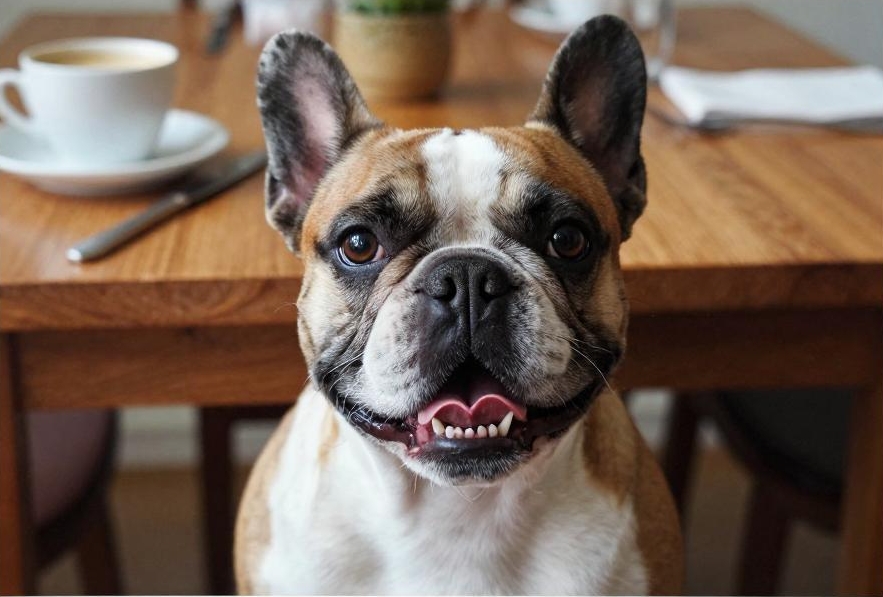
Does Your French Bulldog Vanish Off‑Leash?
“Trainer, my French bulldog goes crazy outside and ignores every call. I cannot even catch up with him!” This is one of the most frequent complaints I hear across ten‑plus years of consultations and training sessions. French bulldogs may look docile yet can be stubborn. Once distracted by interesting surroundings, they easily tune out their owner’s voice. This makes walks stressful and creates genuine safety risks in emergencies. I fully understand the frustration many owners feel. Bear in mind: solid recall is not an innate skill. It is built through patient, science‑based practice. Most recall failures stem from improper training techniques rather than stubbornness or low intelligence.
Why Your Cues Fail — Root‑Cause Analysis
Before solving the problem, identify contributing factors. Poor recall rarely has a single cause; it arises from a mix of the following:
1. Negative cue association: This is the most widespread issue. Many owners only call their dog during unpleasant moments. For example, you shout your dog’s name when he chews slippers, grab him and scold him. Or you call him to clip the leash at the end of a walk, signalling “fun time is over”. Over time, the “come” cue becomes linked to bad outcomes. Naturally the dog will avoid responding.
2. Environmental distractions outweigh your appeal: French bulldogs are highly curious. Outdoor settings are full of exciting scents, other dogs and small animals. Plain verbal calls and low‑value treats often cannot compete. Expecting perfect recall in busy surroundings before building firm positive associations will almost always end in failure.
3. Skipping gradual training progression: Many owners hope their dog can jump straight from reliable indoor recall to perfect responses amid crowds at the park. Dog learning works like stacking building blocks: start zero‑distraction settings, advance through low‑distraction stages, and only move onward once each level is mastered.
4. Breed traits and past learning history: French bulldogs exhibit selective listening. If he previously learned that ignoring calls leads to more fun with no negative consequences, that unwanted behaviour becomes reinforced.
From Ignoring Calls To Rocket Recall — Practical Training Solutions
Drawing on the above analysis, I have developed a practical workflow. The core philosophy: make coming back the most desirable option your dog cannot refuse. I will illustrate with my real‑world case study: Butter, a 1.5‑year‑old French bulldog obsessed with chasing birds.
Solution 1: Rebuild Positive Associations — Turn Name & “Come” Into Happiness Triggers
This foundation stage deserves ample practice. Goal: create a conditioned reflex in your dog’s mind: hear cue → race toward owner → receive high‑value reward.
Step‑by‑step implementation:
First, I completely stopped calling Butter’s name or giving the “come” cue during negative scenarios. Then we started from absolute basics:
1. Indoor game‑based practice: Inside a quiet room, when Butter was not paying attention to me, I called his name “Butter!” in a bright, upbeat tone. The instant he turned toward me, I praised “Good boy!” excitedly and tossed a small piece of his favourite dried chicken liver near his paws. Critical detail: toss the reward instead of waiting for him to arrive. This lowers effort required and teaches him “just looking my way brings good things”. Repeat dozens of times until he anticipates rewards immediately upon hearing his name.
2. Introduce the “Come” verbal cue: After name‑response training is solid, add one fixed recall word (“Come”). Call “Butter, come!”, step backward with open welcoming arms. Reward any movement toward you immediately. Reward even for one single step forward in early sessions. Gradually increase the distance he must travel.
3. Upgrade and randomise rewards: Rewards are not limited to food. Butter loved vigorous chest scratches. Sometimes he earned handfuls of treats; sometimes enthusiastic petting and praise; sometimes 30 seconds of play with his favourite toy. This surprise‑pack reward system keeps his motivation consistently high.
Challenge encountered: Butter responded sluggishly in early sessions. I realised regular kibble lacked sufficient appeal. I switched instantly to high‑value rewards such as boiled chicken and cheese cubes, and improvement was immediate. Remember: use your dog’s most desirable rewards during association‑building phases.
Solution 2: Step‑Up Distraction Levels Gradually From Zero
Do not expect park‑level performance if recall is not 100 % reliable inside your living room. Build a clear distraction ladder.
My training difficulty ladder:
Level 1: Quiet indoor room (zero distraction).
Level 2: Living room with family members moving gently (low distraction).
Level 3: Front doorway / building hallway (novel smells, low distraction).
Level 4: Quiet residential neighbourhood at early morning or late night (outdoor, ambient background noise).
Level 5: Residential area in daytime with distant people and vehicles (moderate distraction).
Level 6: Park edges with a small number of other dogs present (high distraction).
Level 7: Dog‑social gatherings or locations where he gets easily distracted (ultimate challenge).
Key rule: Only advance to the next difficulty level after achieving ≥9 successful recalls out of 10 attempts. If you suffer 2‑3 consecutive failures, drop back to the prior level and reinforce fundamentals. While training Butter we stalled at Level 5 (daytime neighbourhood), because he fixated on a sparrow. Instead of pushing forward, I returned to Level 4, used premium new beef jerky treats for two days of consolidation, then re‑attempted Level 5 and succeeded smoothly.
Solution 3: Leverage Tools — Long Training Line For Safety, Not Punishment
A 10‑15‑metre long training line acts as a safety net and builds confidence for outdoor recall practice. It is not for yanking the dog back; it prevents dangerous escapes when training does not go as planned.
Practical field usage: For Butter’s Level 4 and higher outdoor sessions, I attached the long line, letting it trail loosely on the ground (do not keep constant tension). When he became distracted and ignored my call, I would step lightly on or pick up the line and slowly and steadily guide him back toward me — never jerk sharply. Even when he was physically guided back, he still received praise and rewards! This is extremely important. It teaches him good things happen even when returning passively. The long line grants room for mistakes while giving you situation control, breaking the vicious cycle: dog ignores recall → owner chases → dog runs further away.
Pitfall‑Avoidance Guide: Common Mistakes To Avoid
1. Chasing your dog: He will interpret chasing as a fun game and run faster. Correct approach: call him, if he ignores, run away backwards or crouch down, use playful tones to draw him in. If ineffective, utilise your long training line.
2. Doing unpleasant tasks right after recall: Clipping nails, bathing or crating immediately after he comes back punishes the recall behaviour. Follow this sequence: come → reward → play → additional reward. Let positive moments last for several minutes minimum.
3. Repeating the cue endlessly: Do not chant “Come, come, come!” repeatedly. Two unanswered calls indicate overwhelming distractions or insufficient incentive. Move closer, lure him with treats or toys, or use the long line, instead of standing still letting your cue lose meaning.
4. Forcing recall during high arousal: Calling your dog away mid‑play with other dogs yields very low success rates and creates frustration. Practice during natural pauses when he calms slightly.
Summary: Patience And Consistency Are Everything
Training reliable recall for your French bulldog demands patience and smart strategy. There are no instant‑fix tricks; results come from consistent daily practice and correct methodology. Every successful recall strengthens mutual trust between you and your dog. Once “coming when called” becomes one of his most anticipated experiences, you will gain a loyal companion who keeps you in mind both at home and in busy outdoor spaces. Seeing Butter spin around and sprint toward me reliably wherever we go delivers irreplaceable satisfaction and deepens your human‑dog bond.
Important Reminder
The training advice above addresses typical behavioural challenges. If your French bulldog shows poor recall alongside intense fear, aggression toward humans or other dogs, severe anxiety or excessive barking, issues may go beyond basic obedience training and point to deeper behavioural or psychological concerns. Strongly consider engaging a certified professional dog behaviourist or veterinary behaviourist for formal assessment and customised modification plans, protecting physical and mental wellbeing for both you and your pet.