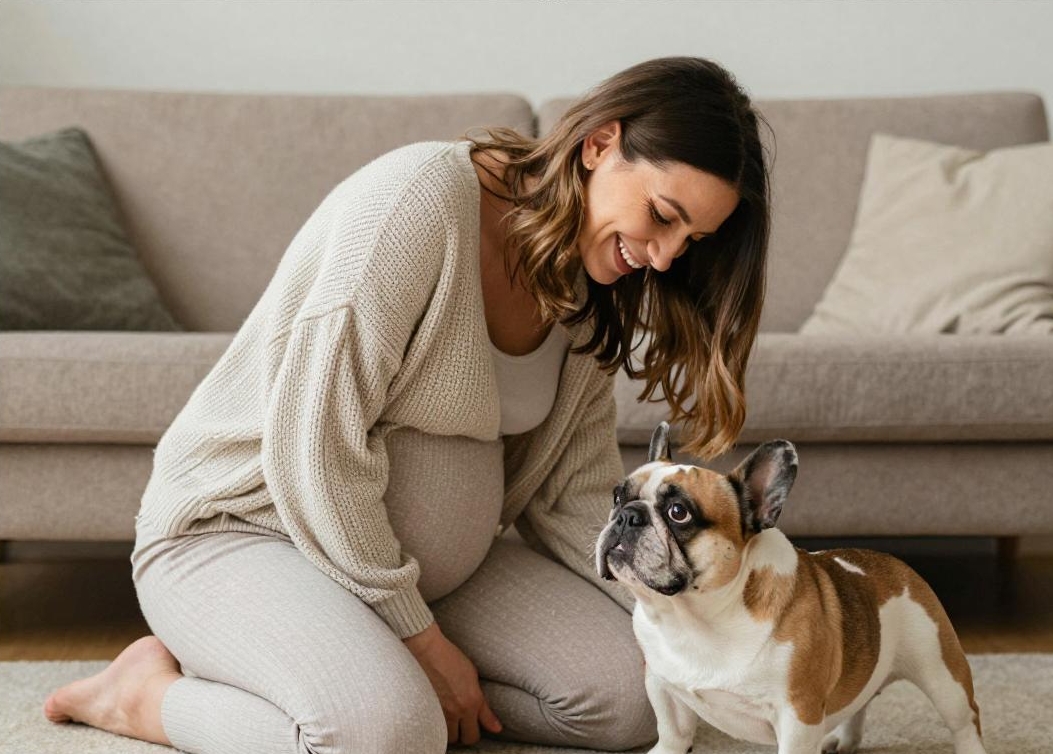
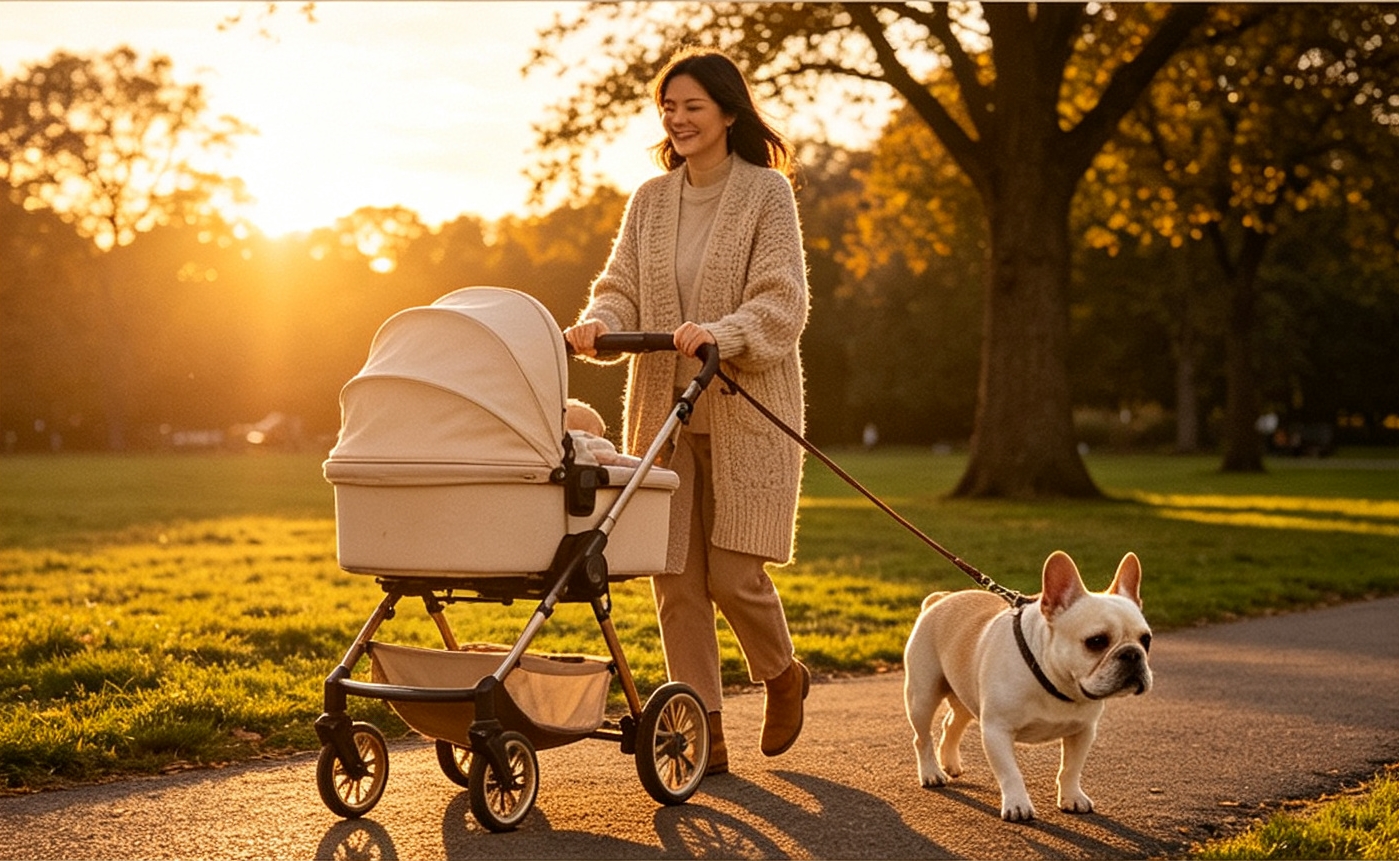
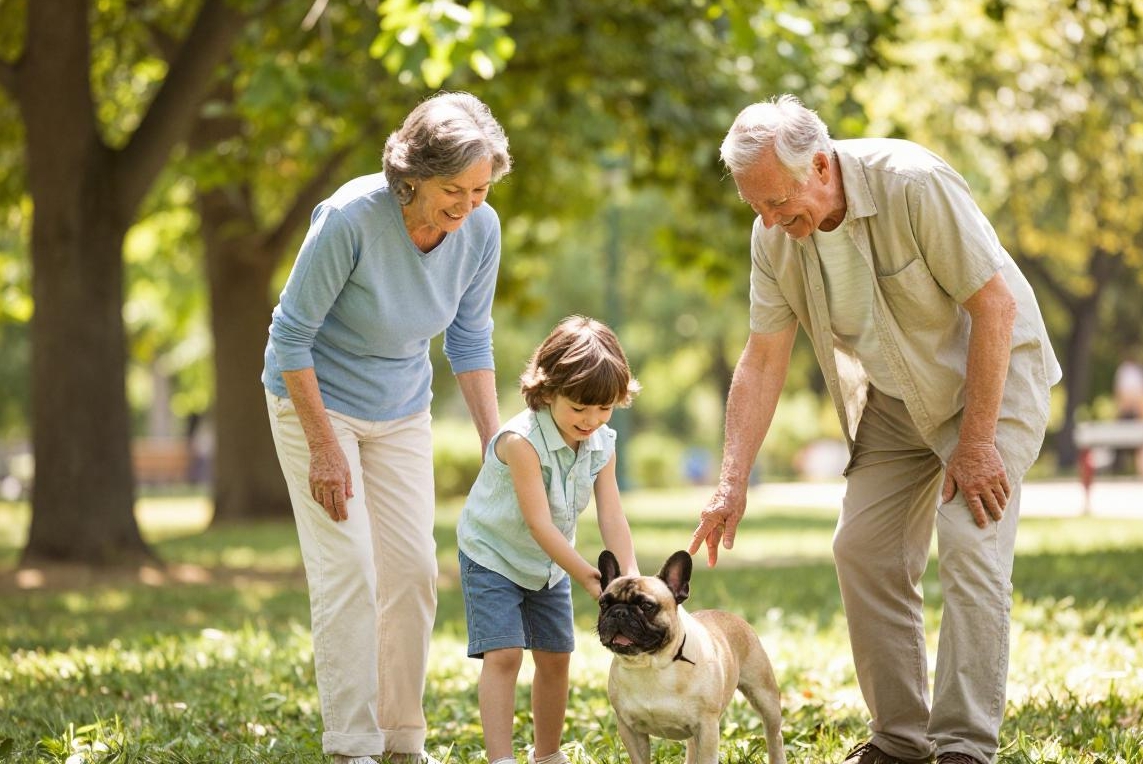
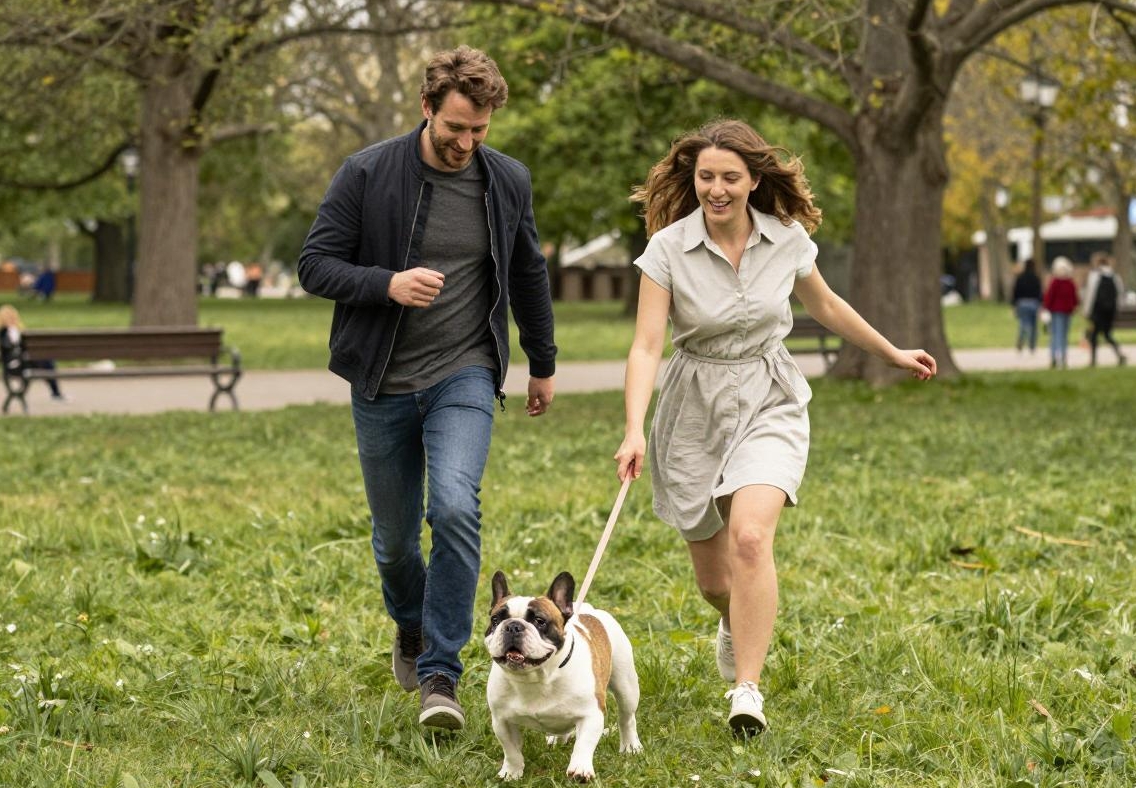
Hello everyone, glad to talk about pet‑raising topics with you. Throughout my ten‑year career as a veterinarian and dog trainer, I have worked with countless families hoping for a peaceful home where pets and children become best friends. Thanks to their goofy‑cute appearance and relatively stable temperament, French Bulldogs are a popular pick for many multi‑child households. Still, ideal expectations do not always match reality. I frequently hear parents voice worries such as: “Doctor, my French Bulldog seems terrified when kids run around”, “It sometimes growls at my children’s toys and we are really concerned”, “My two kids fight to play with the dog and it looks extremely stressed”. If you are troubled by similar issues, this article is written for you.
Why Special Attention Is Needed for French Bulldogs Living With Multiple Children
First, let’s look at breed traits. French Bulldogs are generally loyal, affectionate, fun‑loving companion dogs, yet they can also be stubborn and sensitive to sudden, high‑intensity stimulation. Multi‑child homes are dynamic full of variables: constant running, screaming and laughing, toy‑snatching incidents, plus different interaction styles from kids of different ages. Toddlers may hug or pat too hard, while school‑age children love chasing games. All of these can act as persistent stress triggers, especially for sensitive or under‑socialised French Bulldogs.
The core conflict: young children show affection in human‑style ways, while French Bulldogs need dog‑friendly, structured interaction that respects their boundaries. Miscommunication creates misunderstanding, stress and even conflict. Stress signals from French Bulldogs range from subtle head‑turning, lip‑licking and yawning, to obvious withdrawal, body‑lowering, and finally warning growls. Ignoring these early warning signs puts both kids and the dog at risk.
I recall one client with three energetic boys and a two‑year‑old French Bulldog named Tank. Originally gentle‑natured, Tank started avoiding the children and growled when the second son tried to force a hug. The family feared aggressive tendencies. Further investigation showed Tank had not “turned bad”. Instead, he lived in an unpredictable environment with zero chance to rest. The children’s love was enthusiastic yet unregulated, leaving Tank overwhelmed until stress levels peaked.
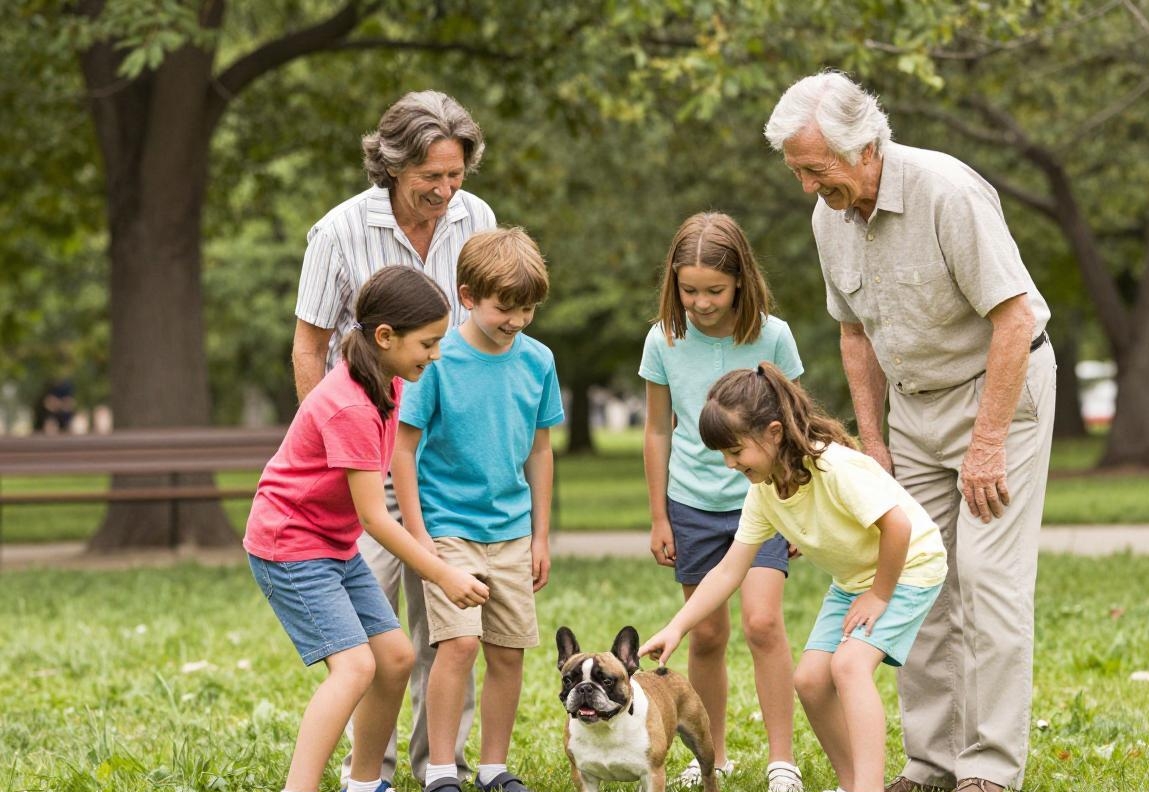
Five Practical Solutions: Build a Harmonious Family “Triangular Relationship”
The answer is neither restricting children nor isolating the dog. You need clear interaction rules followed by all three parties: parents, children and the dog. Below are five core strategies refined from years of hands‑on experience, which delivered remarkable results in Tank’s household.
Solution 1: Family Meeting & Rule‑Setting — Get Children Involved in Making and Enforcing Rules
Do not impose rules on children; invite them to create rules together. Hold a family meeting and explain in kid‑friendly language: Tank is part of our family, yet he communicates differently. We must learn how to keep him safe and happy.
Practical implementation: I sat down with Tank’s three boys aged 8, 6 and 4, holding Tank’s favourite treats. “We are members of the Tank Happiness Committee! Our job is to make rules that keep Tank happy. Rule number one: when Tank eats, sleeps or chews toys in his bed, we become invisible and must not disturb him. Anyone who notices Tank doing these things and leaves him alone earns a medal (sticker).” Turning supervision into a rewarding game boosted engagement. We also established simple ground rules: always ask parents before interacting with the dog, invite the dog using treats instead of pulling, recognise stop signals such as the dog walking away or lip‑licking. Having taken part in “law‑making”, the children felt strong responsibility to comply.
Solution 2: Build Positive Associations — Link “Children” to Good Experiences
Reverse the dog’s subconscious association of “children approaching = trouble”. Create opportunities so children become bringers of good things.
Practical implementation: Run several “good‑moment” sessions each day. Guided by adults, one child (taking turns) holds high‑value treats such as small cooked chicken pieces. The child walks calmly to one‑metre distance, gently tosses treats toward Tank, then quietly steps back without speaking or touching. Repeat multiple times. Gradually Tank learns: “A child walking toward me means tasty food arrives”. This greatly reduced Tank’s stress reflex when seeing children run toward him. For the oldest 8‑year‑old boy, I assigned an advanced daily task: he adds the most appetising portion (a few spoons of wet food) into Tank’s bowl. Soon Tank wagged his tail at the sight of the older brother, associating him with mealtime joy.
Solution 3: “Invitation‑Only Interaction” & “Stop‑Signal” Training — Teach Kids and Dogs Proper Start‑and‑Stop Rules for Play
Chaos arises without clear start‑and‑end signals. Train both children and the dog that every interaction requires gentle invitations and clear endings.
Practical implementation: I created a “magic petting” game. Older kids learned to hold out a closed fist for Tank to sniff before touching him — this is polite dog‑style greeting. If Tank sniffs the hand and does not retreat, children may softly stroke his chin or chest (favourite spots for most dogs; avoid patting heads directly). Meanwhile, Tank was trained on his “interaction‑end cue”: walking onto his mat and lying down means “playtime is paused”. Children must honour this signal. To reinforce this behaviour, whenever Tank voluntarily retreated to his mat, another child tossed a treat onto the mat to reward him for communicating his needs appropriately. The dog learned to walk away instead of growling when he wanted to stop playing, and children learned to respect canine boundaries.
Solution 4: Create “Kid‑Exclusive Time” and “Dog‑Only Safe Space”
Fighting for attention is common in multi‑child homes. Schedule undisputed dedicated time for each child with the dog to lower competition pressure.
Practical implementation: Together with parents we made a daily timetable. Ten minutes of “Big‑Brother‑and‑Tank walk time”, with the oldest child holding the leash under adult supervision; ten minutes of “Second‑Brother story‑reading time”, where the boy reads aloud on the sofa while Tank rests on his mat; “snack‑feeding time” for the youngest child. Siblings could not interrupt these special sessions. Meanwhile, a “Tank’s safe haven” was set up in a quiet corner: a comfortable crate or enclosed bed covered with a blanket for semi‑privacy. This zone was strictly off‑limits for children. We explained to the kids that it was Tank’s bedroom and secret base; entry required his “invitation”. Nobody was allowed to disturb Tank once he went inside. This physical safe zone where he could fully unwind was critical for lowering his overall stress levels.
Solution 5: Scenario Simulation & Role‑Play — Rehearse Potentially Chaotic Situations In Advance
Children are naturally lively and unexpected incidents will happen. Pre‑practice works better than damage control afterwards.
Practical implementation: I designed scenario prompt cards. One card illustrated “kids running wildly in the living room”. Upon drawing this card, we simulated the scene and practised responses for both Tank and children. Two children started running slowly across one end of the room. I called Tank over, rewarding calm focus with treats and gentle petting. Heavy rewards followed whenever he stayed relaxed. Then we gradually increased running speed and activity range. For children, we rehearsed: “What should you do if you notice Tank growing tense during rough play?” The answer: stop immediately, slow movements down, or sit and switch to quiet games. Through game‑based rehearsal, both dog and children knew what to do when real‑life chaos occurred instead of panicking.
Pitfall‑Avoidance Guide: Risks to Watch Out For
While implementing the above plans, steer clear of these frequent mistakes:
1. Forced interaction: Never force your French Bulldog to accept hugs, kisses or close contact from children. This amplifies fear and defensive reactions. Respect his right to say “no”, shown by turning away or walking off.
2. Punishing warning signals: Growling or bared teeth under threat is canine language for “I am scared or uncomfortable, please step back”. Punishing growling removes his final warning channel. The dog may skip warnings and go straight to biting. The correct response: acknowledge his warning, get children to step back calmly and remove stress triggers.
3. Leaving full responsibility to children: No matter how mature kids are, parents bear primary responsibility for pet safety and welfare. All interactions must take place under active adult supervision and guidance. Never assign main care‑giving or dog‑training duties to children.
4. Ignoring canine body language: Learn dog calming and stress signals such as lip‑licking, head‑turning, yawning. These cues mean interactions should slow down or stop.
Conclusion: Love Requires Knowledge and Proper Methods
Building peaceful coexistence between French Bulldogs and multi‑child families cannot be achieved overnight, yet it is a wonderful goal well worth your effort. The core principles are environment management, educating both sides, setting clear rules and building positive associations. We are not suppressing children’s natural energy; we teach them to treat another living being with kindness and respect. Nor are we depriving dogs of freedom; we provide them with a predictable, secure living environment. Genuine closeness and trust grow when children learn respect and the French Bulldog feels safe and calm. Seeing Tank today resting his head on the older brother’s feet while watching TV and wiggling his hips to the younger sister’s music, I know all patience and hard work created the warmest moments of family life.
Important Reminder
The strategies in this article cover common behavioural adjustments and household‑relationship improvements. Every dog and every family is unique. If you observe persistent intense fear, anxiety or aggressive behaviour including frequent unprovoked snarling, nipping or lunging, or feel uncertain applying these plans, do not hesitate to seek professional support from licensed veterinarians or certified dog behaviour trainers. They provide one‑on‑one assessments and customised programmes to safeguard physical and mental wellbeing for every family member including your pet. Prevention and early professional intervention are always the best approach.