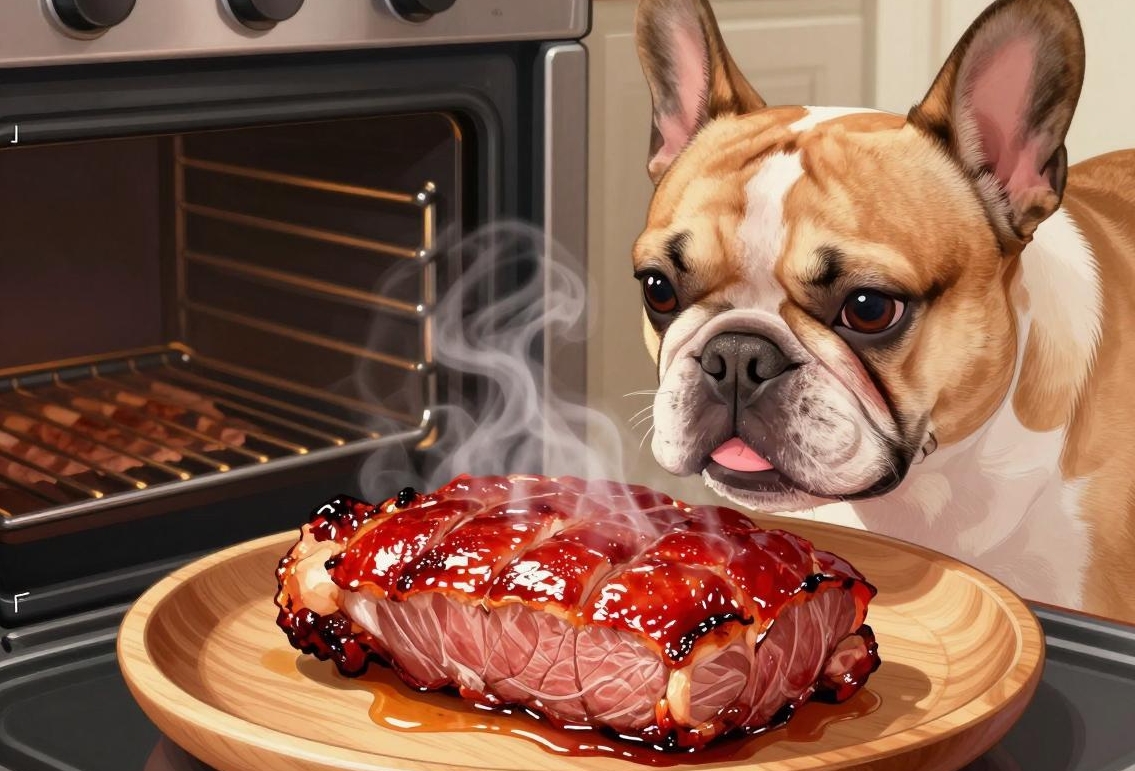
Hello everyone. Having worked in veterinary clinics and dog‑training facilities for many years, I have met countless lovely French bulldogs. These little companions win many families’ hearts with their unique looks and gentle personalities. Yet nearly every French‑bulldog owner struggles with one question: how should I feed them? Should I serve aromatic meat‑pâté cans (wet food) to please their taste, or stick to crunchy kibble (dry food) to protect teeth? You see them show little interest in dry kibble, meanwhile fear that an all‑wet‑food diet will lead to tartar, bad breath and even severe oral diseases later on. I fully understand this dilemma.
Why Are Feeding Issues So Tricky for French Bulldogs?
To solve this problem, we need to understand its root causes. French bulldogs’ feeding struggles come from a combination of their physiological traits and owners’ loving concern.
First, taste preference: Wet food (cans, fresh pouches, meat pâté etc.) has high moisture content, usually with rich animal‑protein flavours and fatty aromas. It is extremely appealing to French bulldogs with sensitive taste buds or natural gourmet tendencies. Many French bulldogs reject relatively “plain” dry kibble after tasting wet food.
Second, dental‑health concerns: French bulldogs are brachycephalic dogs with often‑crowded teeth. This special oral structure traps food residues easily, so plaque and tartar build faster than in long‑snouted breeds. A purely wet‑food diet lacks physical abrasive cleaning, creating ideal conditions for tartar formation. I have treated many French bulldogs only three‑to‑four years old needing dental scaling or even tooth extractions due to advanced periodontitis. Owners felt deep regret, and improper early‑stage diet structure is one major contributing factor.
Third, owner psychology: We always want the very best for our furry companions. We feel happy seeing them eat well and hate to witness food‑refusal protests. I totally sympathise, yet unconditional indulgence may plant hidden health risks.
My Core Recommendation: Wet‑and‑Dry Mixed‑Feeding Method
Based on years of practice and observation, my most‑recommended approach for French‑bulldog owners is scientific mixed feeding of wet and dry food. This is not simply pouring two food types into one bowl; it is a systematic strategy with defined ratios and techniques. Core goal: Satisfy your French bulldog’s taste buds and guarantee nutritional intake, while maximising dry‑kibble’s physical abrasive effect to clean teeth and exercise jaw muscles, achieving perfect balance between palatability and health.
Solution 1: Find Your Household’s Golden Mix Ratio
Ratio is the critical first step. One‑size‑fits‑all formulas are unscientific; adjust according to your French bulldog’s age, health status and food preference.
Basic safe ratio (for most healthy adult French bulldogs): I generally suggest starting with 70 % dry food, 30 % wet food (estimated by calorie or weight). This ratio delivers sufficient dry kibble for tooth‑surface abrasion while wet food boosts overall palatability.
For severe picky‑eaters: If your French bulldog strongly rejects dry kibble, adopt the gradual‑transition method. For example, coat several dry‑kibble pieces with wet food at first, or lightly soften kibble with warm water or unsalted broth (do not turn mushy and lose hardness), then blend with wet food. As acceptance improves, slowly lower wet‑food proportion and increase intact dry‑kibble quantity. I once coached an owner who spent two weeks successfully getting her can‑obsessed French bulldog to accept a 50:50 mixed meal.
For senior or tooth‑sensitive French bulldogs: Senior dogs may have loose teeth or gingivitis and suffer pain chewing hard items. You may raise wet‑food proportion to 50 % or higher, yet never drop dry food entirely. Choose small‑sized, crisp senior‑specific kibble, or use dental gels as auxiliary cleaning support.
Real‑world case note: I recall an overweight French bulldog named “Baozi”. His owner fed almost exclusively canned food due to pickiness. By age five he suffered heavy tartar and foul breath. Our plan was first to treat periodontitis, then feed prescription wet food mixed with dental‑care prescription kibble with special‑textured pellets during recovery. I taught the owner to crush part of the kibble and sprinkle crumbs over wet food so “Baozi” would contact particles while licking. One month later, “Baozi” accepted mixed meals and his oral condition improved greatly. The owner commented: “It was not that he refused food; we just had not found the right method.”
Solution 2: Turn Chewing Into a Daily‑Care Routine
Dry kibble within mixed meals should not just be swallowed quickly; it should serve as a dental‑cleaning tool.
1. Select dental‑function kibble: Many “oral‑care” or “dental‑health” dog‑food formulas exist on the market. Their pellets are often larger, firmer or feature special porous‑fibre structures that create stronger friction and cleaning action while dogs chew. When picking for French bulldogs, choose moderately‑sized pellets that they can bite comfortably.
2. Create active‑chewing opportunities: Do not simply place mixed food inside a bowl. I frequently advise owners to serve mixed meals using slow‑feed bowls or treat‑dispensing toys. Especially toys requiring licking and gnawing to retrieve food. Fill them with wet‑dry blended food. This greatly extends contact time and friction frequency between dry kibble and tooth surfaces, turning mealtime into an entertaining dental‑health game.
3. Post‑meal treats for supplementary cleaning: Outside main meals, offer genuinely dental‑friendly chews such as durable dental chews and rawhide sticks. Always pick appropriately‑sized, reputable‑brand products that cannot be swallowed whole. I remind owners that these dental treats count toward total daily calorie intake to prevent obesity.
Real‑world case note: One client’s French bulldog “Tank” gulped food almost without chewing dry kibble. I recommended a maze‑style slow‑feeding mat. The owner spread mixed food across its maze grooves. To eat, “Tank” had to patiently lick and scrape using tongue and incisor teeth. Mealtime lengthened from one minute to fifteen minutes. Eating speed slowed, and the owner happily noticed soft plaque on his front teeth decreased visibly. This simple tool cleverly transforms eating into cleaning.
Solution 3: Build Consistent Daily Oral Checks & Supplementary‑Cleaning Habits
Mixed feeding is a primary strategy yet cannot replace owner’s daily observation and maintenance.
1. Weekly oral examinations: Get into the habit of gently opening your French bulldog’s mouth for checks (when they are calm). Look for red‑swollen gums, yellow‑brown tartar deposits on teeth and bad breath. Early‑stage issues are far simpler to resolve.
2. Auxiliary‑cleaning tools: Even with mixed feeding, regular tooth‑brushing remains the gold standard. For French bulldogs unused to toothbrushes, start with finger‑sleeve brushes or pet oral wipes to wipe outer tooth surfaces. You may also use VOHC‑approved mouth rinses, mixed proportionally into drinking water or sprayed onto teeth.
3. Observation and adjustment: Monitor stool quality, weight changes and acceptance of mixed meals. Loose stools may signal excessive wet‑food ratio or too‑fast transition. Weight gain requires recalculating total daily calories. Feeding is a dynamically‑adjusted process.
Personal experience note: My own French bulldog (yes, I live with a “pug‑nosed gentleman” at home) got used to mixed feeding and tooth‑brushing from puppyhood. My routine: first make him love the taste of pet‑safe edible toothpaste by letting him lick it as a treat. Gradually progress to touching teeth with a toothpaste‑coated finger, then introduce a soft‑bristle children’s toothbrush. Now nightly tooth‑brushing is our bonding moment. His teeth stayed in excellent condition at eight‑years‑old, which makes me proud and proves how powerful consistent preventive care can be.
Pitfall‑Avoidance Guide: Common Mistakes in Mixed Feeding
Even with correct methods, avoid these pitfalls for best results.
Mistake 1: Randomly mixing food from different brands or functional lines. Sudden main‑food switches may trigger gastrointestinal upset. If mixing, ensure wet and dry food come from the same brand line or at minimum have nutritionally‑compatible formulas. Consult your vet or pet nutritionist first whenever possible.
Mistake 2: Skipping total‑calorie calculation and causing obesity. Wet food is usually higher‑calorie per unit weight than dry kibble. During mixed feeding, calculate total daily required calories following package‑feeding guidelines, then split portions proportionally between dry and wet food. Never feed full portions of both foods! This is the most frequent cause of French‑bulldog obesity.
Mistake 3: Leaving mixed food out for long periods allowing bacterial growth. Blended food spoils faster, especially in hot summer weather. Remove uneaten food after 20‑30 minutes. Do not mix a huge batch to feed across the whole day for convenience.
Mistake 4: Believing mixed feeding fully replaces tooth‑brushing and professional scaling. This is the biggest misconception. Mixed feeding is an excellent preventive aid that slows tartar accumulation, yet cannot stop it entirely nor remove already‑formed tartar. Annual professional oral examinations and vet‑performed dental scaling when necessary remain the cornerstone of oral‑health maintenance.
Summary
Designing feeding plans for French bulldogs resembles building a long‑term diet for a special friend: it demands wisdom, patience and persistence. Wet‑dry mixed feeding is my field‑tested preferred strategy balancing taste satisfaction and health demands. Through scientifically‑tuned ratios, leveraging dry‑kibble’s abrasive cleaning properties plus daily home care, you build solid oral‑health protection for your French bulldog. Remember, our goal is not one fancy delicious feast, but enabling them to happily enjoy every meal with their own teeth throughout their whole life.
Important Reminder
The tips and methods shared apply to daily prevention and mild dietary adjustments. If your French bulldog develops severe bad breath, blood‑tinged drool, swollen ulcerated gums, loose teeth, refusal to eat or resistance to mouth‑touching, facial swelling and similar signs, serious periodontal disease, mouth ulcers, foreign bodies or abscesses are highly likely. In such cases, stop home‑based interventions immediately and visit a licensed animal hospital for professional veterinary oral examination and treatment. Early veterinary visits prevent greater suffering and complicated procedures. To love them is to deliver timely, science‑backed health support.