Dear French bulldog owners. Over my years working in clinics and dog‑training grounds, I have met countless French bulldogs who look extra "cute" with their round figures yet quietly suffer hidden health risks. They pant heavily, tire after short walks, struggle badly in hot summer weather, and their joints show early warning signs. If you are worried about your chubby French bulldog, this practical 30‑day healthy weight‑loss plan built on my long‑term hands‑on experience may be exactly what you need. Our goal is not merely weight loss, but safe and happy weight reduction.
Why Do French Bulldogs Gain Weight So Easily?
First we need to understand the root cause. A tendency toward obesity is encoded within French bulldogs’ genetics. As brachycephalic dogs, they are naturally unsuited to long‑duration, high‑intensity exercise, so calorie burn stays limited. Moreover, most French bulldogs finish every meal completely; they will eat whatever is offered and even beg for treats with pitiful facial expressions. Many owners show affection by over‑feeding, offering high‑calorie treats and human food while providing insufficient exercise — weight gain becomes inevitable. In my case records, over 90 % of overweight French bulldogs suffer from two core issues: improper diet and lack of physical activity. Excess weight amplifies their inherent health risks: heavy strain on the respiratory system, wear on spine and joints (especially hip joints), extra cardiac burden, and sharply higher heat‑stroke risk. Recognising these facts is our first step to helping them.
Core 30‑Day Healthy Weight‑Loss Action Plan
This plan does not involve starving your dog. It builds new healthy habits through scientific adjustments. Safety comes first. Consult your veterinarian before starting to confirm your French bulldog’s target body weight.
Solution 1: Precise Dietary Management — Ditch Guesswork and Casual Feeding
My field observations: Many owners tell me "I do not feed much". Yet upon inquiry, kibble portions are estimated by hand, treats are constant, and extra meat or rice are sometimes added. For French bulldogs, this imprecision creates obesity.
Practical implementation:
1. Get a kitchen digital scale: This is the most critical investment for this plan. Weigh food according to portions listed for target ideal weight on kibble packaging — not for current body weight. If no weight‑loss guidance is printed, ask your vet or pet‑food brand.
2. Main food options: Consider switching to weight‑management or low‑fat dog kibble. Such formulas deliver fewer calories per gram with higher fibre content to boost satiety. Always use the 7‑day gradual kibble‑transition method to prevent gastrointestinal upset.
3. Treat overhaul: Replace high‑calorie biscuits and dried‑meat treats with low‑calorie alternatives. My go‑to choices: frozen green peas or diced carrots (low‑calorie, crunchy), small apple slices (seed‑removed) or blueberries. Total daily treat calories must stay within 10 % of overall daily calorie intake and count toward total food consumption.
4. Fixed‑time measured meals: Split daily food into at least two meals (morning & evening), ideally three meals. This prevents over‑eating in one sitting and begging driven by hunger.
Solution 2: Safe, Effective Exercise Plan Designed for French Bulldogs
My field observations: One owner tried daily 30‑minute runs for weight loss, and the dog ended up in hospital suffering heat‑stroke. Strenuous exercise is dangerous for French bulldogs.
Practical implementation:
1. Short, frequent sessions: Split exercise into 3‑4 daily sessions of 10‑15 minutes each. For example walks morning and evening, plus indoor interactive games mid‑day and afternoon.
2. Transform walks into sniff‑walks: Allow your dog to stop and explore scents. Sniffing counts as mental exercise for dogs, burning many times more energy than resting and bringing mental satisfaction. I recommend cool early‑morning or late‑evening outings across grass and tree‑lined areas.
3. Indoor fun games — powerful weight‑loss tools:
- Treat‑hunting game: Hide low‑calorie treats around the house (sofa crevices, under cushions) for your dog to locate.
- Interactive feed toys: Use treat‑dispensing balls and snuffle mats. Dogs must work mentally and physically to access food, extending feeding time and increasing energy expenditure.
- Quick obedience drills: Spend 5 minutes daily practicing "sit", "wait", "shake", rewarding with low‑calorie treats. This burns mental energy and reinforces obedience.
4. Swimming (if accessible): Swimming offers zero‑joint‑impact full‑body muscle conditioning. Only use professional pet‑pool facilities or shallow safe water, and supervise constantly.
Solution 3: Monitoring & Feedback System — Track Progress With Hard Data
My field observations: Weight loss is dynamic. Judging progress by feeling alone easily leads to weight‑loss plateaus or rebound weight gain.
Practical implementation:
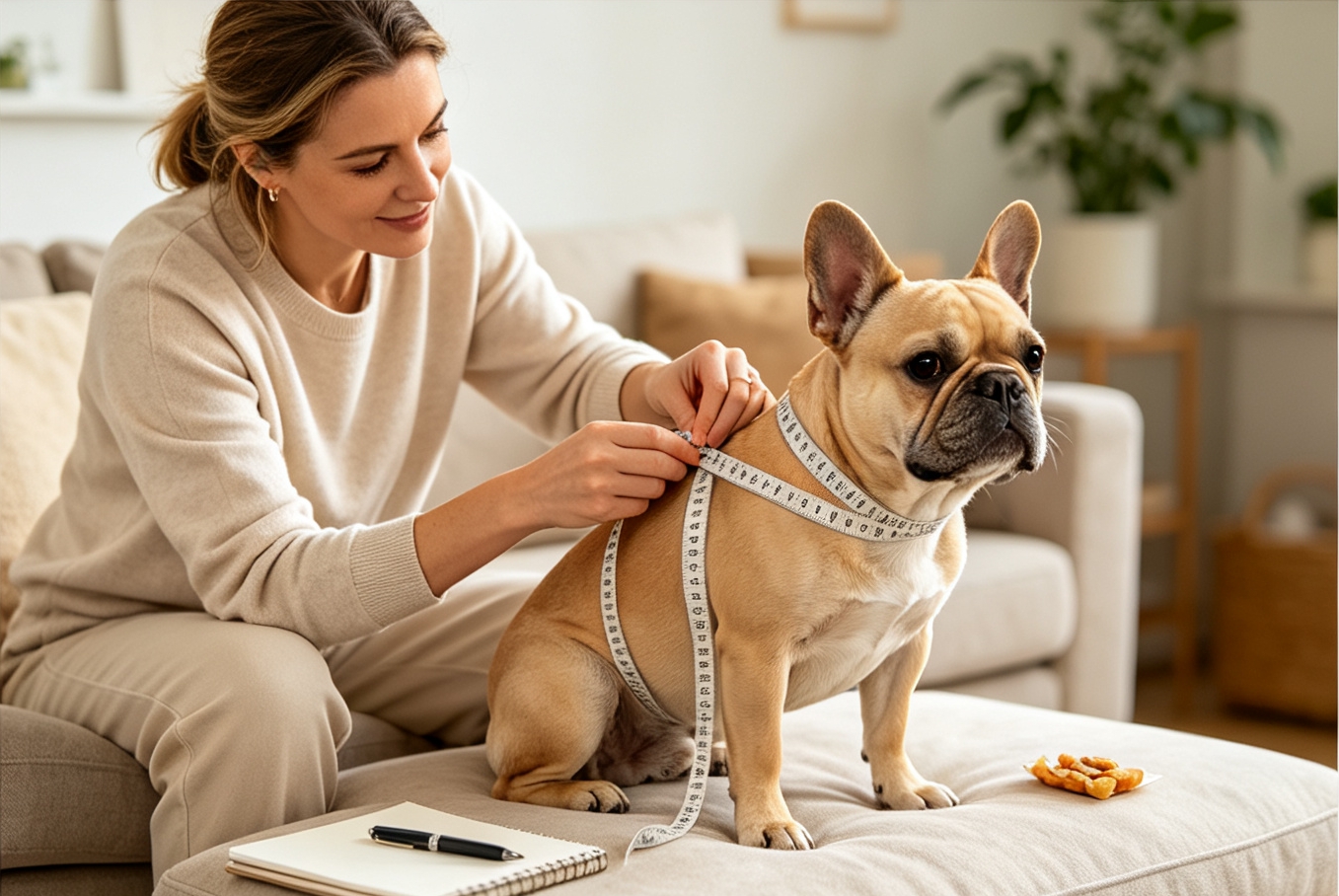
1. Weekly weigh‑ins: Weigh your dog at the same time and condition each week (e.g. before breakfast), and keep records. Healthy weight‑loss rate equals 1‑2 % of current body weight per week. Adjust your plan if weight drops too fast or too slowly.
2. Monthly BCS (Body Condition Score) self‑check: Ideal body condition: ribs are easily felt under a thin fat layer; a defined waistline appears when viewed from above; the abdomen tucks upward when viewed from side‑on. I teach owners to assess this manually.
3. Monthly photo documentation: Take side‑profile and overhead photos from the same spot and angle. Visual comparisons are highly motivating!
Pitfall‑Avoidance Guide: Steer Clear Of These Common Mistakes
1. Rushing results with excessive food restriction: This triggers malnutrition, muscle loss and severe illnesses such as hepatic lipidosis (fatty‑liver disease).
2. Excessive or inappropriate exercise: Exercise in hot weather, or force French bulldogs into long‑duration running and jumping, greatly raises heat‑stroke and joint‑injury risks.
3. Lack of household cooperation: Weight loss requires full‑family teamwork. No‑one should sneak extra food to the dog.
4. Overlooking water intake: During weight‑loss phases with higher‑fibre diets, ensure constant access to clean fresh drinking water to support metabolism.
5. Human weight‑loss products: Never give human weight‑loss pills or supplements to dogs; ingredients may prove fatal.
Summary: Patience and Persistence Bring Longer Companionship
Helping your French bulldog lose weight is a long‑term journey built on love and patience. This 30‑day plan acts as a powerful starting point to build brand‑new healthy lifestyles for you and your dog. Core principles remain: control calorie intake, increase appropriate activity, and monitor progress closely. When you see your dog grow lighter, play without heavy panting, and regain bright‑eyed vitality, every effort will feel worthwhile. Remember: you are not taking away its joy, you are granting it more healthy, happy years with you.
Important Reminder
This plan applies to simple overweight caused by poor diet and insufficient exercise in French bulldogs. If your dog is severely overweight while showing severe breathing difficulty, swollen painful joints, lethargy, or fails to lose weight despite strict management, symptoms may point to endocrine disorders such as hypothyroidism or Cushing’s disease or other underlying health concerns. Seek full veterinary examinations promptly and let your vet design a personalised treatment program. Weight loss under professional guidance remains the safest and most effective approach.