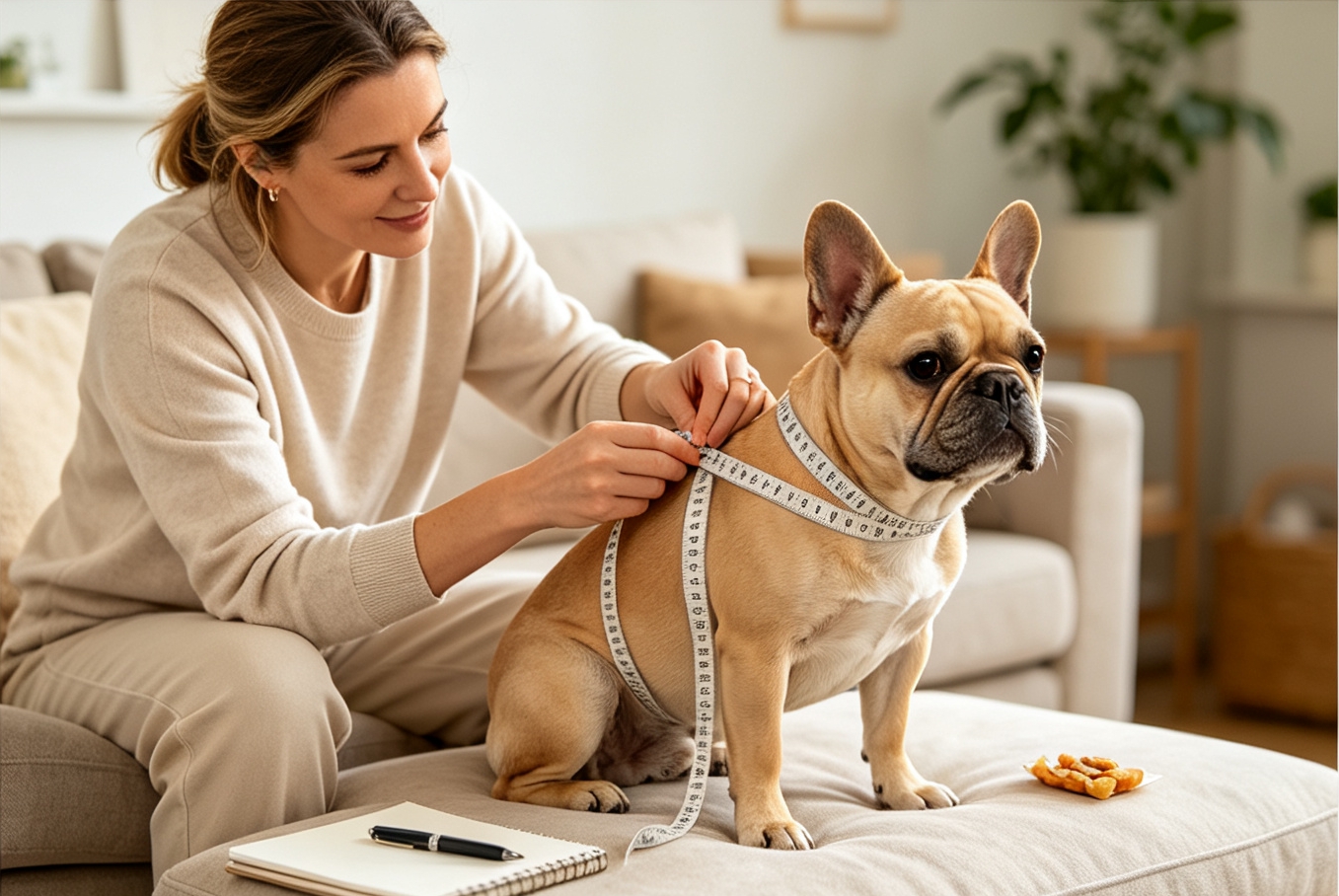
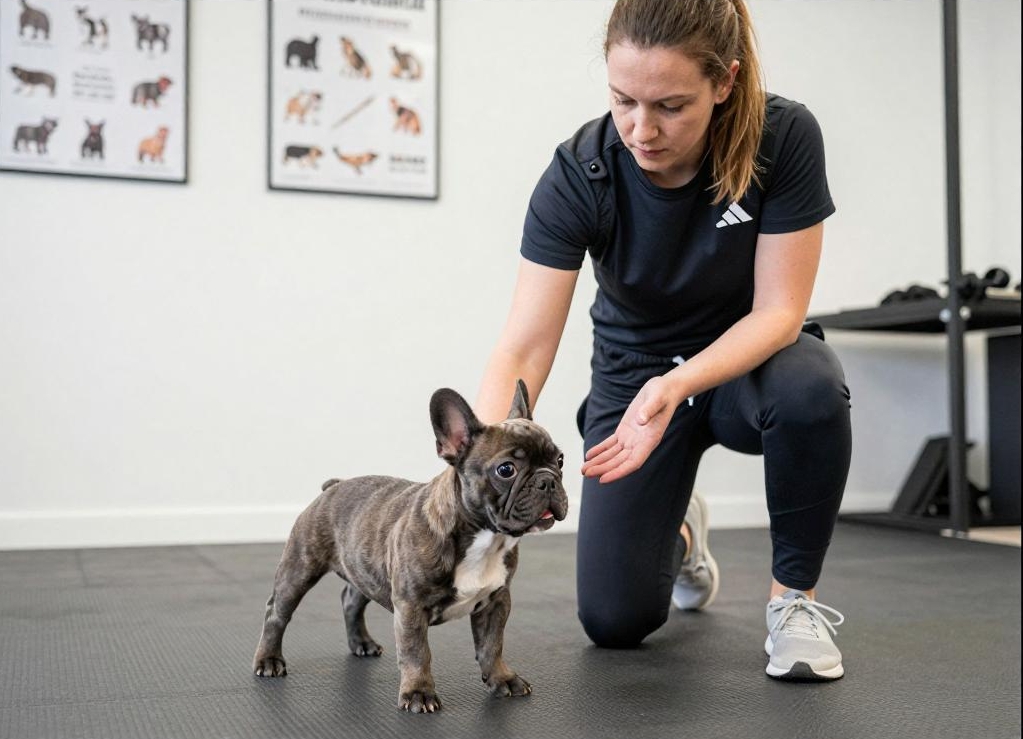
Do you feel envious watching other dogs politely shake hands and drop instantly when hearing “Bang”? You may think your cute, goofy French bulldog is just acting dumb. Rest assured, that is not the case. As a trainer who has supported countless French bulldog families, I know this breed well: they are intelligent with independent streaks, yet crave human attention and interaction deeply. Many failed training attempts happen not because the dog refuses to learn, but because methods do not match their personality. Today I share a proven, playful 5‑day trick‑training plan to teach your French bulldog two crowd‑pleasing skills: shake hands and play dead.
Why French Bulldogs Require Extra Patience And Tailored Training
First, understand core breed characteristics. They are a non‑sporting breed, meaning they lack the innate drive for high‑intensity repetitive work seen in Border Collies or Golden Retrievers. French bulldogs prioritise emotional bonding with owners; their training motivation comes from “this pleases my human and I get tasty or fun rewards”. Secondly, their brachycephalic flat‑faced anatomy makes them tire quickly during exercises requiring heavy panting, resulting in relatively short attention spans. Lastly, they may show selective‑hearing stubbornness. Boring or stressful training will make them simply refuse to participate. Therefore our sessions must be short, frequent, heavily positive‑reinforced and entertaining.
5‑Day Fun Training Camp: Step‑by‑Step Breakdown
The training has two phases: Days 1‑3 focus on shake‑hands. Days 4‑5 consolidate shake‑hands while introducing play dead. Train 2‑3 times daily, each session no longer than 10 minutes. Best timing is after meals when your dog is calm and motivated by treats.
Phase 1: Build Trust & Foundation — Learn Shake Hands (Day 1‑3)
Core principle: Capture the natural paw‑lifting behaviour and link it with verbal cue, hand gesture and reward.
Real‑world trainer case: I worked with a French bulldog named Doubao who was extremely sensitive about paw‑touching. Any direct attempt to grab his paw triggered immediate pulling‑away. I realised he needed to offer his paw voluntarily.
Detailed procedures:
Day 1: Capture spontaneous paw lift.
1. Prep: Have your French bulldog sit in front of you, prepare small high‑value treats such as freeze‑dried chicken bits.
2. Method: Make a fist holding a treat with scent peeking out, hold it slightly low in front of his chest. Most dogs will nudge or lick your fist. Do not reward. Wait patiently. When he excitedly lifts one paw and touches your hand, immediately say “Yes!” in an upbeat tone and open your hand to give the treat.
3. Key point: Do not use any verbal cue at this stage, only marker word (“Yes!”) plus reward. Repeat 5‑10 times so he learns “lifting paw to touch hand = good things happen”.
Day 2: Add verbal cue and hand signal.
1. Continue the previous routine, but clearly say the cue “Shake” right before he is about to lift his paw.
2. Mark and reward the moment his paw makes contact with your hand.
3. Gradually change from closed fist to open palm facing slightly upward. When training Doubao I found open upturned palms guided accurate paw placement better than fists.
4. Repeat practice until he reliably lifts his paw when you give the “Shake” cue and present your open palm.
Day 3: Differentiate paws and solidify performance.
1. Reinforce the “Shake” cue until success rate reaches over 80 %.
2. If your dog shows interest, teach the alternate paw. Lure the second paw toward your other hand with treats and introduce a new cue such as “Other paw”.
3. Start practising in mildly distracting environments e.g. across the living room, to generalise the behaviour.
Phase 2: Fun Upgrade — Master Play Dead (Day 4‑5)
Core principle: Split play‑dead into two chained behaviours: lie down → maintain side‑lying position. Trigger this sequence with a playful hand gesture (pistol‑finger) plus verbal cue (“Bang”).
Real‑world trainer case: Rushing progress is the most common mistake for play‑dead training. One owner expected instant dropping on hearing “Bang”, leaving the dog completely confused. Progress must happen incrementally.
Instructions (prerequisite: dog already knows “Down”. If not, spend one extra day teaching “Down” first):
Day 4: Move from down to side‑lie.
1. Ask your dog to perform “Down”.
2. Hold a treat near his nose, slowly draw the treat along his shoulder toward one side of his body. Following the treat, his torso will naturally tip over into a side‑lying posture.
3. The instant he lies fully on his side, mark (“Yes!”) and reward. Call this behaviour “Rest” or “Relax” for now; hold off on the dramatic “play dead” cue.
4. Repeat until you can smoothly guide him from sit or stand into side‑lie purely with treat‑motion hand gestures.
Day 5: Add dramatic cue and duration hold.
1. While guiding him into side‑lie, introduce new sound and gesture. My personal trick: say “Bang!” in an exaggerated tone paired with a pistol hand gesture (index finger and thumb extended, other fingers curled).
2. After he lies on his side, withhold the treat briefly. Wait 1 second, maintain eye contact, mark and reward only if he stays still. Gradually extend hold time to 2 seconds, then 3 seconds.
3. Reduce physical treat‑luring and rely more on “Bang!” verbal cue plus pistol gesture. Early attempts may need hand prompting; slowly transition to cue‑only performance.
4. Finally add a release cue such as “Okay!” or “Live!”, let him stand up, then offer enthusiastic praise and play as final reward.
Pitfall‑Avoidance Guide: Mistakes I Have Already Encountered
1. Do not train when your dog is exhausted or over‑aroused. French bulldogs are prone to heat‑stroke. Summer training must take place during cool early mornings or evenings. Over‑excitement destroys focus.
2. Never punish failed attempts. Dogs cannot link punishment with missed tricks; they will only associate training with your anger and grow fearful. If he gets it wrong, calmly ignore the mistake and restart after a few seconds.
3. Treats are not your only reward. Especially for food‑motivated French bulldogs, gradually randomise rewards mixing food, petting, verbal praise and toy play. Prevent him from only obeying when treats are present.
4. Keep sessions ultra‑short. 5‑10 minutes is ideal. Even if your dog is performing exceptionally well, end while he is still eager. This builds excitement for tomorrow’s practice.
5. All household members must use identical cues and gestures. Confusion arises if one person says “Shake” and another uses different phrases. Align standards with a quick family discussion before starting training.
Summary: Training’s Ultimate Goal Is Bonding And Communication
Beyond two neat tricks, this 5‑day program delivers far more. Using positive, joyful methods you communicate clear expectations and deep affection to your French bulldog. You learn to read his body language, while he learns effective ways to “talk” with you. The trust and rapport built throughout this process are more valuable than shake‑hands or play‑dead themselves. Remember every dog learns at different speeds. Adjust this 5‑day schedule flexibly according to your individual dog’s pace. Going slower is perfectly fine; enjoying time together matters most.
Important Reminder
Always closely monitor your dog’s physical and mental state throughout training. Immediately stop sessions if you observe any of these warning signs: zero interest in food or interaction, listlessness, abnormal rapid breathing (unrelated to exercise), obvious fear or aggression during training e.g. growling or bared teeth, or noticeable loss of physical coordination. These may signal underlying health or serious behavioural concerns. Trick training should only happen on a physically and mentally healthy dog. When in doubt, consult a licensed veterinarian or certified animal behaviourist for professional assessment and intervention. Your dog’s health and happiness always come first.