Hi, I’m Ajie, a pet groomer with over ten years of industry experience. Throughout my career, I’ve helped dozens of owners struggling with shedding pets. Among them, French Bulldog parents often come to me with a mix of affection and frustration: “Groomer, my Frenchie sheds nonstop. Fur covers sofas, clothes, even food! I thought short-haired dogs wouldn’t shed this badly!” If you share this headache, this guide is written for you. We will not only fix the problem of fur floating all over your home but also build a healthier skin environment for your French Bulldog through proper brushing.
Why Do Short-Haired French Bulldogs Shed Heavily Like Dandelions?
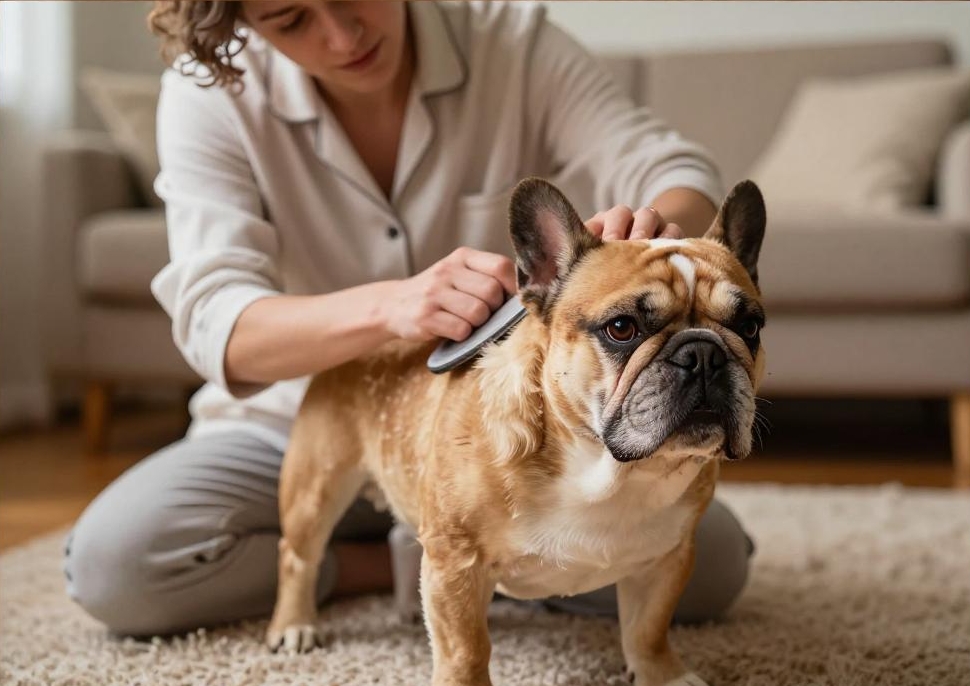
Many owners hold a misunderstanding: only long-haired dogs shed heavily, while short-haired breeds are low-maintenance. This is far from true. French Bulldogs are short-haired, yet they have a double coat — a coarse outer guard coat paired with soft, dense undercoat. Their shedding, especially during seasonal coat transitions (typically spring and autumn), mainly consists of fine undercoat hairs. These lightweight fluff sticks easily to furniture and clothing, making shedding feel even more annoying.
Apart from natural shedding cycles, these core factors worsen hair loss and poor skin condition:
1. Excessive Sebum Production: French Bulldogs have plenty of skin folds and active oil glands. Without proper cleaning and brushing, excess oil mixes with dander and dust, clogging hair follicles. This triggers folliculitis or skin infections and leads to abnormal shedding.
2. Wrong Brushing Tools or Improper Technique: Many owners choose unsuitable combs, such as harshly scraping the surface only with a slicker brush or dragging a comb straight through the coat. Poor techniques fail to remove dead fur effectively, pull painfully on the dog’s skin, even cause scratches, and make your Frenchie hate grooming forever.
3. Diet & Health Issues: Low-quality unbalanced dog food, lack of essential fatty acids (Omega-3 and Omega-6), food or environmental allergies, endocrine disorders, and parasite infestations all directly harm coat and skin health.
4. Insufficient Brushing Frequency: Believing short-haired dogs rarely need brushing is the biggest misconception. Regular grooming catches loose dead fur on the comb in advance instead of letting it shed naturally everywhere indoors.
My Real-World Experience: From a “Fur Blanket Dog” to Smooth, Glossy Coat
I once cared for a French Bulldog named Tank. His owner complained that he shed all year round; the house could never stay clean, and small red skin spots kept appearing. After examination, I found Tank carried extremely thick, partially matted undercoat — yes, short fur can also tangle! His skin also had excess oil buildup. The owner only used a plastic-tooth massage brush, which merely skimmed the surface with zero effect.
I created a simple brushing routine and demonstrated proper techniques step by step. During the follow-up visit one month later, the owner was amazed: visible dog fur around the home dropped by at least 70%, the red skin rashes on Tank cleared up, and his coat gained a beautiful shine. Below I share this proven routine in full detail.
Solutions: An Effective Complete Brushing & Grooming Routine
Solution 1: Pick the Right Tools for Better Results (Core Equipment)
A craftsman must sharpen his tools first. For a French Bulldog’s double coat, I highly recommend the three-tool combo:
1. Rubber Massage Brush / Grooming Glove: The perfect opening tool. Before formal brushing, massage the whole body in circular motions. It removes loose surface fur, boosts skin blood circulation, distributes natural skin oils evenly, and helps your dog relax. Every time I groom Tank, I start with this step, and he would grunt comfortably.
2. Fine-Tooth Slicker Brush / Deshedding Tool: This is your main workhorse. Opt for fine-tooth models or deshedding tools (similar to Furminator, select versions made for short-haired breeds). The teeth reach deep into dense undercoat to lift loose, ready-to-shed hairs. Remember: do not use brute force. Glide close to the skin following hair growth direction with short, gentle sweeping strokes. You will be shocked by the large clumps of soft undercoat you collect.
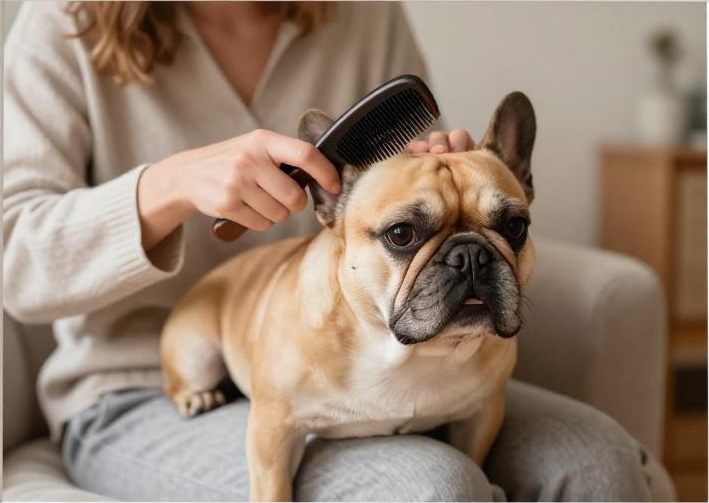
3. Bristle Brush / Silicone Brush: Finishing polishing tool. After clearing dead fur with the slicker brush, go over the whole coat with a bristle brush following hair growth direction. It smooths outer guard hairs, sweeps away leftover dust, and spreads natural skin oils onto hair shafts to create healthy shine. Silicone brushes deliver similar results and are easier to clean.
Solution 2: Master Proper Technique to Make Brushing Enjoyable
Even premium tools fail without correct brushing skills. I follow this principle: Calm first, work section by section, brush with the grain, keep pressure gentle.
Step-by-Step Guide:
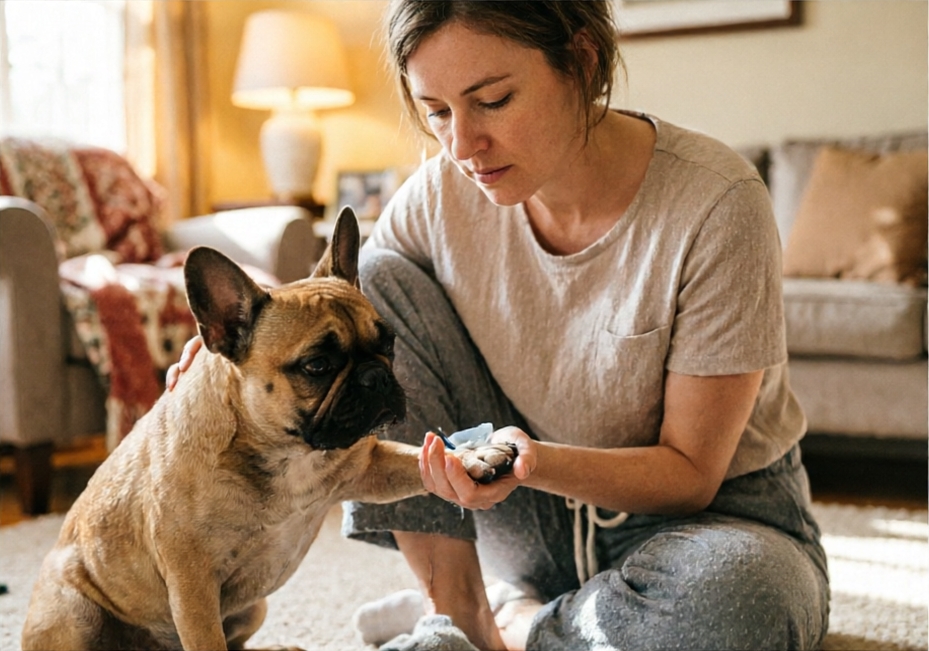
1. Calming & Inspection: Pet your dog to settle their mood before brushing. Run your hands over the entire body and check for lumps, rashes, parasites or other abnormalities. Pay extra attention to skin folds (face, base of tail).
2. Sectioned Brushing: Avoid random brushing. Follow this order: neck → shoulders → back → sides → chest → belly → legs → tail and hindquarters. Use extra light pressure on bellies and inner legs, where skin is thinner and far more sensitive.
3. Brush Along Hair Growth Direction: Always brush with the grain for most areas. You may gently brush against the fur briefly and lightly only when using the rubber massage brush or tackling heavy undercoat. This lifts the undercoat so the slicker brush can penetrate easily. Adjust direction around legs and tails where hair flow changes locally.
4. Pressure & Frequency: Use light enough pressure for the comb to glide smoothly without your dog pulling away or showing discomfort. Never yank forcefully on mats. Hold the fur above the tangle with your fingers, then slowly work the mat loose from the tip with the slicker brush. For French Bulldogs: 2–3 sessions weekly, 10–15 minutes each outside shedding seasons; daily sessions (15–20 minutes) during spring and autumn shedding periods. Frequent short grooming beats occasional lengthy rough brushing.
Solution 3: Supporting Grooming Habits Beyond Brushing for Long-Lasting Effects
Brushing is essential, yet not everything. Healthy skin and fur require multiple measures working together.
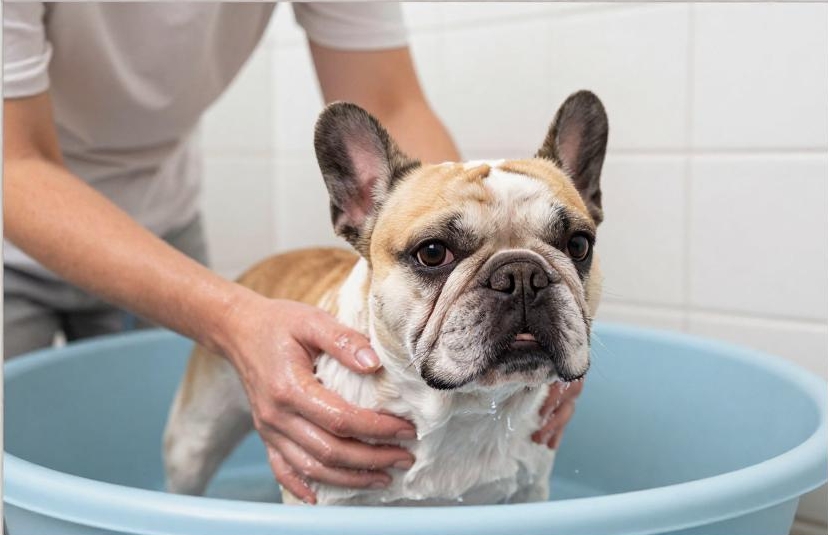
1. Scientific Bathing: Use mild, pet-specific shampoo. Human shampoo has different pH levels and disrupts the skin’s natural oil barrier. Do not bathe excessively — once or twice monthly is sufficient. Over-washing damages the protective skin layer. Always fully dry every part after bathing, especially deep inside skin folds. Dampness creates ideal conditions for microbes. I have treated countless French Bulldogs with fold dermatitis caused by incomplete drying.
2. Nutritional Management: Choose high-quality dog food with meat listed high in the ingredient panel. Add supplements rich in Omega-3 and Omega-6 such as vet-recommended fish oil, flaxseed oil, or occasional cooked salmon. These nourish the skin and greatly reduce inflammatory shedding. Tank’s owner added fish oil to his diet for improved combined results.
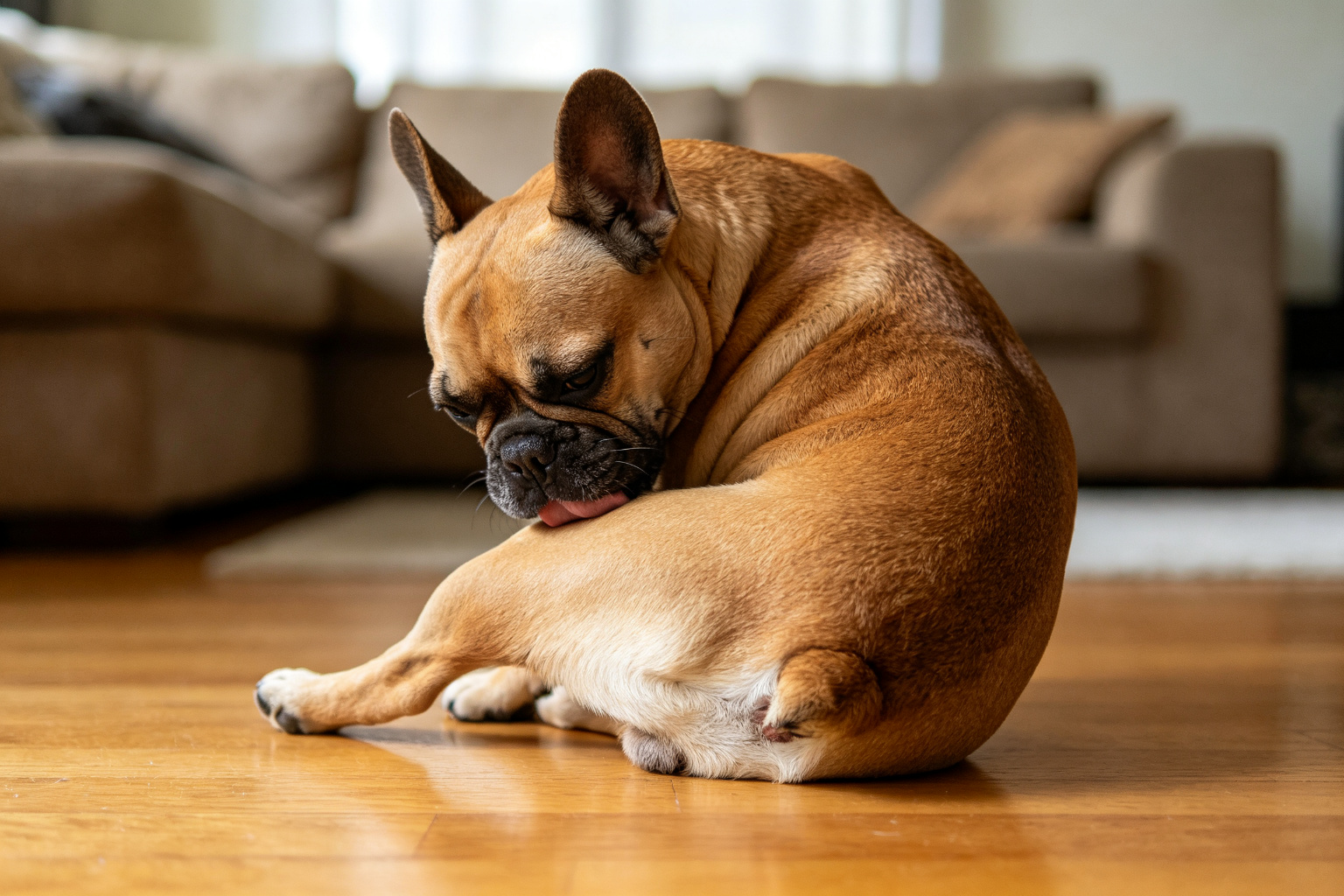
3. Environment & Health Monitoring: Keep your home clean, disinfect dog beds and toys regularly. Stick to a strict internal and external parasite prevention schedule. Watch for frequent scratching or licking on certain areas — these are early warning signs of allergies or skin disorders.
Common Mistakes You Must Avoid!
1. Only Brushing the Surface Coat: This is the most widespread error. Using wide-tooth combs solely on outer fur does nothing to remove trapped undercoat. You need tools capable of reaching deep into the underlayer.
2. Rough Pulling: Impatiently yanking through tangles causes severe pain and fear. Your dog will associate brushing with punishment and resist grooming later.
3. Ignoring Sensitive Zones: Behind ears, armpits, inner thighs, tail base. These areas trap dirt and develop mats easily. They are also sensitive and demand extra patience and gentle handling.
4. Leaving Grooming Tools Unclean: Dead fur and dander building up on combs breed bacteria, which can contaminate the skin during your next grooming session. Wipe comb teeth with wet wipes or small brushes after every use.
5. Skipping Brushing When Shedding Seems Low: Brushing serves more than removing dead fur — it massages skin, boosts circulation and lets you perform routine body checks. Maintain a brushing schedule of 1–2 times weekly even during low-shed periods.
Summary
Fighting French Bulldog shedding is a long-term battle requiring patience and proper methods. The core principles are: understand their double coat structure, select suitable tools (rubber brush + undercoat deshedder + bristle brush), practice sectioned, gentle brushing following hair growth direction, and stick to consistent grooming frequency. Combine proper bathing, balanced nutrition and ongoing health management to improve skin conditions from the source. This keeps shedding within reasonable limits and rewards you with a French Bulldog sporting glossy fur and healthy skin.
Remember: grooming is far more than housework. It is precious bonding time and a regular health check between you and your dog. Use the correct approach, and your Frenchie will grow to love this routine.
Important Reminder
The techniques shared here are designed for routine care and mild shedding management. Stop home grooming immediately and visit a licensed veterinary clinic for professional diagnosis if your French Bulldog shows any of these symptoms:
1. Drastically increased shedding and patchy bald spots on the coat.
2. Persistent skin rashes, lumps, pustules, heavy dander or open ulcers.
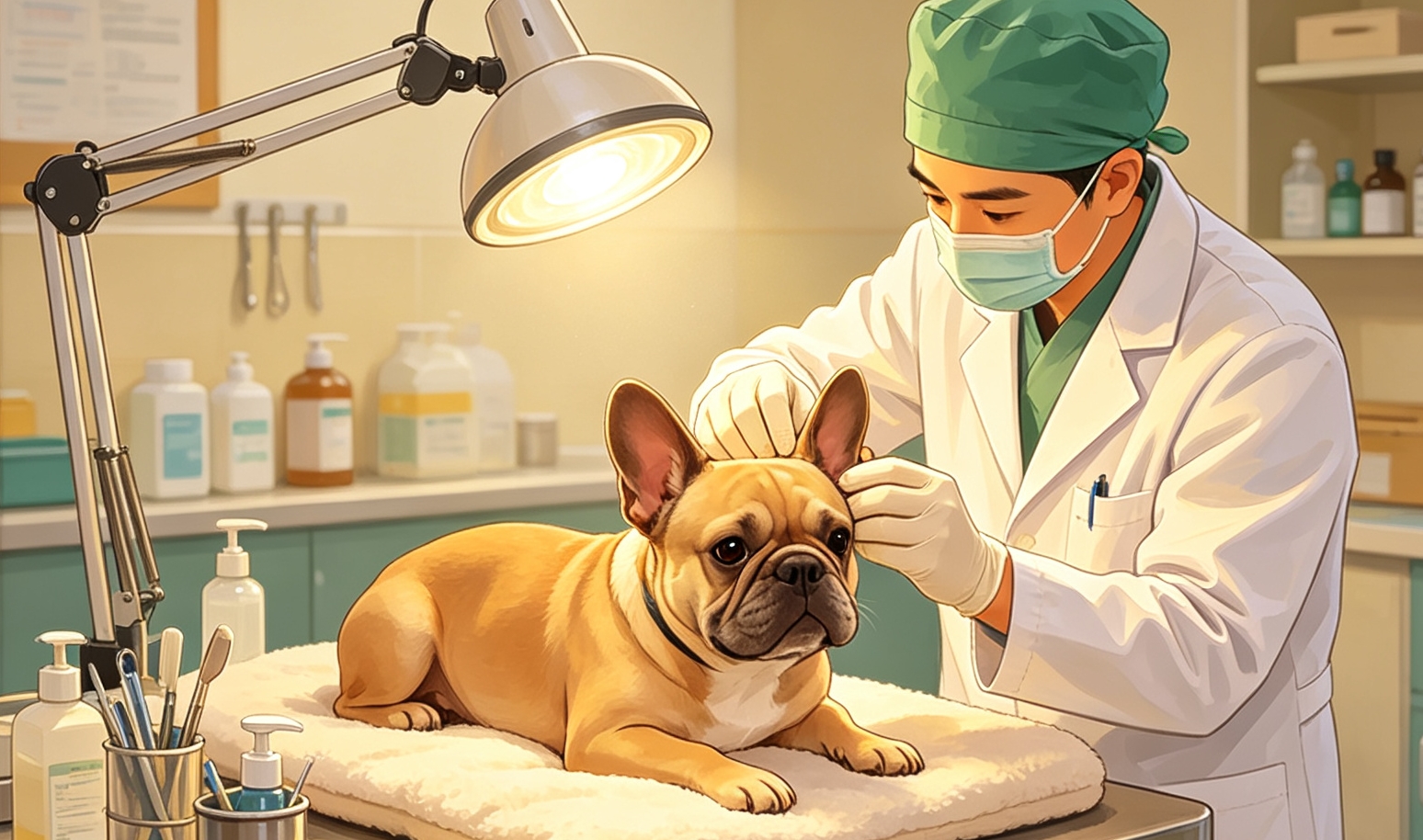
3. Severe itchiness; constant chewing and scratching that disrupts rest.
4. Abnormally strong, unpleasant body odor.
5. Steadily worsening coat and skin health despite regular brushing and proper diet.
Professional veterinarians can carry out skin scrapings, allergy testing and other examinations to accurately diagnose underlying problems including parasites, fungal or bacterial infections and endocrine disorders, then provide targeted treatment plans. Love your Frenchie by offering scientific, timely care.